Support Groups in Fairfax, VA
Are you pregnant, postpartum, or early in your parenting journey? Join me and other parents to learn how to gain clarity, confidence, and connection as you learn to cope with this new role. Together we will normalize the ups and ...

Hosted by Sarah Hagen
Clinical Social Work/Therapist, MSW, LCSW
Verified Verified
Group meets in Fairfax, VA 22030
Are you pregnant, postpartum, or early in your parenting journey? Join me and other parents to learn how to gain clarity, confidence, and connection as you learn to cope with this new role. Together we will normalize the ups and ...
You feel stuck, wishing things would change but unsure of what to change, or how. Nothing you do seems to be enough to make others happy and your efforts feel unseen or unappreciated. Maybe you’re unsure of how you feel ...

Hosted by Therapy for Grief, Loss & Endings at CCHC
Marriage & Family Therapist, LMFT, LPC, LCSW, MDiv
Verified Verified
Group meets in Fairfax, VA 22030
You feel stuck, wishing things would change but unsure of what to change, or how. Nothing you do seems to be enough to make others happy and your efforts feel unseen or unappreciated. Maybe you’re unsure of how you feel ...
Research shows that men who are emotionally self-aware are clear in their understanding of what they do well, what drives and satisfies them, and which people and situations can be triggering. Emotional health affects how men manage behavior and navigate ...

Hosted by Paul W. Sarigianis
Resident in Counseling
Verified Verified
Group meets in Fairfax, VA 22030
Research shows that men who are emotionally self-aware are clear in their understanding of what they do well, what drives and satisfies them, and which people and situations can be triggering. Emotional health affects how men manage behavior and navigate ...
Dialectical Behavior Therapy (DBT) is an evidenced-based therapy designed to treat people who experience suicidal thinking and behaviors that are disruptive such as maladaptive coping skills and self harm. Our DBT skills group emphasizes Linehan’s four core concepts to help ...

Hosted by Erika B Carlson
Clinical Social Work/Therapist, LCSW
Verified Verified
Group meets in Fairfax, VA 22031
Dialectical Behavior Therapy (DBT) is an evidenced-based therapy designed to treat people who experience suicidal thinking and behaviors that are disruptive such as maladaptive coping skills and self harm. Our DBT skills group emphasizes Linehan’s four core concepts to help ...
This is a 6 week group / class offered to couples at varying times and at different locations throughout northern Virginia.

Hosted by Glen Denlinger
Clinical Social Work/Therapist, LCSW, BCD
Verified Verified
Group meets in Fairfax, VA 22030
This is a 6 week group / class offered to couples at varying times and at different locations throughout northern Virginia.
The journey to health & wholeness looks different for everyone. We walk alongside you, helping navigate your unique path. Therapy is a collaborative relationship, built on trust & empathy. Combining your strengths & our expertise, we'll help you get to ...

Hosted by C Coulter Weaver III
Marriage & Family Therapist, MA, LPC, LMFT
Verified Verified
Group meets in Fairfax, VA 22030
The journey to health & wholeness looks different for everyone. We walk alongside you, helping navigate your unique path. Therapy is a collaborative relationship, built on trust & empathy. Combining your strengths & our expertise, we'll help you get to ...
Why We Are Here group begins the conversion of self-discovery of what brought you to substance abuse treatment. What consequences or lifestyle stressors did you experience? Accepting ownership of your behavior. Steps One, Two, and Three groups focus on the ...

Hosted by AEDA Associates, LLC
Drug & Alcohol Counselor, CSAC, NCAC II
Verified Verified
Group meets in Fairfax, VA 22030
Why We Are Here group begins the conversion of self-discovery of what brought you to substance abuse treatment. What consequences or lifestyle stressors did you experience? Accepting ownership of your behavior. Steps One, Two, and Three groups focus on the ...
Our child social skills group will be led by Dr. Emily Claus and will focus primarily on providing your child with the skills that they'll need to develop and maintain healthy relationships as well as learning and developing essential life ...

Hosted by Emily Claus
Pre-Licensed Professional, PsyD
Verified Verified
Group meets in Fairfax, VA 22030
Our child social skills group will be led by Dr. Emily Claus and will focus primarily on providing your child with the skills that they'll need to develop and maintain healthy relationships as well as learning and developing essential life ...
Open group for adult men with compulsive sexual behaviors/addiction and/or legal involvement.

Hosted by Tracey E Guard
Licensed Professional Counselor, LPC, CSOTP, CSAT
Verified Verified
Group meets in Fairfax, VA 22030
Open group for adult men with compulsive sexual behaviors/addiction and/or legal involvement.
Learn tools and solutions for dealing with generalized or social anxiety. Receive acceptance and support as you share your struggles with those who can relate in a save environment led by a licensed counselor.

Hosted by Teen Talk Counseling - Jennifer Walker
Licensed Professional Counselor, LPC
Verified Verified
Group meets in Fairfax, VA 22030
Learn tools and solutions for dealing with generalized or social anxiety. Receive acceptance and support as you share your struggles with those who can relate in a save environment led by a licensed counselor.
Utilizing Cognitive Behavioral Therapy strategies, participants will learn how thoughts influence feelings and impact behavior. Participants will also learn to recognize triggers and physiological symptoms of anxiety and then identify and implement healthy coping skills, relaxation skills, and self-care strategies.

Hosted by Lindsay Bowling
Licensed Professional Counselor, LPC, CSAC, CCMHC, NCC
Verified Verified
Group meets in Fairfax, VA 22030
Utilizing Cognitive Behavioral Therapy strategies, participants will learn how thoughts influence feelings and impact behavior. Participants will also learn to recognize triggers and physiological symptoms of anxiety and then identify and implement healthy coping skills, relaxation skills, and self-care strategies.
With a combination of psycho-education, in-session modeling, and interpersonal processing, we will work to help you meet your goals and live an emotionally healthier life. Thrive groups are for men who desire to do more than just survive in their ...

Hosted by Andrew (Andy) E. Hart
Resident in Counseling
Verified Verified
Group meets in Fairfax, VA 22030
With a combination of psycho-education, in-session modeling, and interpersonal processing, we will work to help you meet your goals and live an emotionally healthier life. Thrive groups are for men who desire to do more than just survive in their ...
As women, we face many daily challenges and stressors. The purpose of the W.O.W group is to provide a supportive, and nurturing group therapy atmosphere to work through the daily struggles women encounter. Group members, together with a licensed professional ...

Hosted by Vanguard Therapy, LLC.
Clinical Social Work/Therapist, MSW, LCSW-C
Verified Verified
Group meets in Fairfax, VA 22031
As women, we face many daily challenges and stressors. The purpose of the W.O.W group is to provide a supportive, and nurturing group therapy atmosphere to work through the daily struggles women encounter. Group members, together with a licensed professional ...
Anger Management for women is Spanish

Hosted by Vittoria Donato Grant, LPC
Licensed Professional Counselor, MA, LPC, NCC
Verified Verified
Group meets in Fairfax, VA 22030
Anger Management for women is Spanish
A process group for adults who have done trauma work and would like additional support, connection, and to share their story. Learn coping, grounding, and integration as it specifically relates to trauma along with other people who have similar life ...

Hosted by Maureen S Bethea
Marriage & Family Therapist, LMFT
Verified Verified
Group meets in Fairfax, VA 22030
A process group for adults who have done trauma work and would like additional support, connection, and to share their story. Learn coping, grounding, and integration as it specifically relates to trauma along with other people who have similar life ...
If you identify as an adult survivor of childhood sexual assault/abuse/trauma, you might find it beneficial to join a therapy group, in which you can process your experiences in a judgment-free and safe space. This therapy group will help you ...

Hosted by Jennifer Semaan
Licensed Professional Counselor, LPC, MA, EdS
Verified Verified
Group meets in Fairfax, VA 22030
If you identify as an adult survivor of childhood sexual assault/abuse/trauma, you might find it beneficial to join a therapy group, in which you can process your experiences in a judgment-free and safe space. This therapy group will help you ...
This is an evening, virtual (zoom-based) support group for people residing in VA, NC or DC who have been in, or are still in, a close relationship with a Narcissist. Narcissist's make up 6+% of the population and severely negatively ...

Hosted by Jennifer Parrella - Decoding Relationships, LLC
Counselor, MS, LPC, LCMHC, NCC, CCTP
Verified Verified
Group meets in Fairfax, VA 22030
This is an evening, virtual (zoom-based) support group for people residing in VA, NC or DC who have been in, or are still in, a close relationship with a Narcissist. Narcissist's make up 6+% of the population and severely negatively ...
Weekly in-person process group for women with emotionally immature mothers. Did you experience emotional neglect or abuse as a child, mother’s substance use, narcissism, shame/criticism, high expectations, volatility, dismissiveness? This group is a space to explore these hurts along with ...
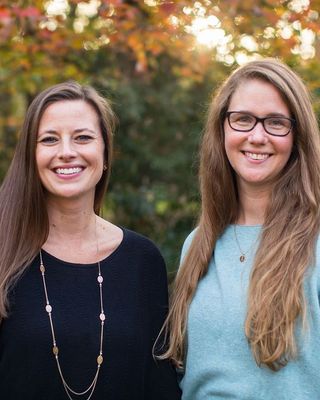
Hosted by Fairfax Integrative Therapy, LLC
Marriage & Family Therapist, LMFT
Verified Verified
Group meets in Fairfax, VA 22030
Weekly in-person process group for women with emotionally immature mothers. Did you experience emotional neglect or abuse as a child, mother’s substance use, narcissism, shame/criticism, high expectations, volatility, dismissiveness? This group is a space to explore these hurts along with ...
This Art Therapy group encourages children to identify, name, and express strong emotions in a healthy manner using art projects for self-exploration and selfregulation. In this group, kids are encouraged to share and communicate with peers while feeling a sense ...

Hosted by EverWhen Therapy
Licensed Professional Counselor
Verified Verified
Group meets in Fairfax, VA 22030
This Art Therapy group encourages children to identify, name, and express strong emotions in a healthy manner using art projects for self-exploration and selfregulation. In this group, kids are encouraged to share and communicate with peers while feeling a sense ...
This group provides adolescent girls with the opportunity to share their experiences, receive support, and learn new skills in a safe and supportive environment. Topics include: emotion regulation, managing stress, social/peer pressure, self awareness and self esteem, healthy friendships and ...

Hosted by Stephanie Brown
Clinical Social Work/Therapist, LCSW
Verified Verified
Group meets in Fairfax, VA 22030
This group provides adolescent girls with the opportunity to share their experiences, receive support, and learn new skills in a safe and supportive environment. Topics include: emotion regulation, managing stress, social/peer pressure, self awareness and self esteem, healthy friendships and ...
See more therapy options for Fairfax


FAQs - About Group Therapy and Support Groups
How can I find a support group in Fairfax?
Search for nearby support groups by inputting your city, zip code, or the name of the group into the search bar. From there, you can filter to find a group that suits your needs, whether you are looking for support for a teenager, a group that focuses on a specific issue, such as depression, or a particular program type, such as one geared toward developing social skills. To navigate between locations within the same country, enter a new city or zip code into the search bar.
How does group therapy work?
Therapy groups are led by one or more therapists and serve to help people process their experiences and learn from others who understand their challenges firsthand. They can be based on a specific issue, such as addiction, grief, physical illnesses, parenting, and caregiving. They can involve a specific type of program or therapy, such as a social skills group or CBT group. They can also be specific to a particular population or community, such as teens or LGBTQ.
Support groups, like Alcoholics Anonymous, also focus on a specific issue, but are typically led by members with lived experiences and are less structured than therapy groups. Most therapy groups will meet for a fixed length of time with a consistent group of members, while many support groups meet for an indefinite period of time with members coming and going.
Support groups, like Alcoholics Anonymous, also focus on a specific issue, but are typically led by members with lived experiences and are less structured than therapy groups. Most therapy groups will meet for a fixed length of time with a consistent group of members, while many support groups meet for an indefinite period of time with members coming and going.
What are the benefits of group therapy?
Support groups help connect people with shared challenges or physical and mental health conditions. In a group setting, participants can receive support and feedback from peers and can acquire new skills, strategies and perspectives by listening to one another. Discussing your experience with someone who also has a cancer diagnosis, or whose son also struggles with addiction, for example, can help you feel less alone, reduce distress, find empathy and connection, and learn practical or medical information that has helped others. Group therapy can also be a more affordable option than individual therapy and just as effective.
Is group therapy as effective as individual therapy?
Support groups can be deeply valuable for both emotional support and/or treatment outcomes. It’s difficult to make a blanket statement on efficacy due to the many different types of support groups and conditions treated, but group therapy has been found to be just as effective as individual therapy in establishing long-term abstinence for conditions such as substance abuse, addiction and alcohol abuse.
How much does group therapy cost?
Group counseling is typically less expensive than individual counseling, with each session costing on average between $60 to $75. Meanwhile, individual therapy sessions can run anywhere from $100 to $200 and up, even after insurance. It is possible to find low-cost group therapy options and many therapists offer group sessions free of charge.
Does insurance cover group therapy?
As with individual therapy, many insurance companies do offer coverage for group therapy sessions. However, the coverage varies based on your insurance plan details and whether you choose an in-network or out-of-network mental healthcare provider. Individuals are encouraged to check with their insurance providers to verify coverage.
How long does group therapy last?
The length of a support group session is often one hour but can fall anywhere between 45 minutes and two hours. The amount of time that people remain in a support group varies based on their specific needs and goals and the type of therapy. Some individuals may seek a shorter-term group, such as a bereavement group, that may last between six and 20 weeks. Some may seek a longer-term group that lasts for a year or indefinitely.
What are the limitations of support groups?
Support groups have many benefits, but there are a few limitations as well. Support groups do not constitute formal therapeutic or medical treatment, and are not run by licensed mental health professionals, so some people may opt for group therapy or individual therapy instead. Additionally, support groups can depend on the other participants, so a disruptive individual has the potential to mar the group dynamic, and the anecdotal information shared may sometimes be unhelpful or inaccurate. Because it is a group setting, confidentiality can be more difficult to guard and participants receive less personalized attention than they would in an individual therapy session.