Support Groups in Virginia
Manage your anger in don't pop your cork!

Hosted by Courtney Parker
Marriage & Family Therapist, L, M, F, T
Group meets in Great Falls, VA 22066
Manage your anger in don't pop your cork!
Steps to Serenity provides ASAP assessments for the VASAP Program in Virginia and partners with the case managers to ensure everyone’s needs are met. We host a substance use/abuse/addiction group multiple times per week for those needing to meet ASAP requirements and those that want to be in a judgement free, confidential place with those that can relate and help. We facilitate in both English and Spanish.

Steps to Serenity provides ASAP assessments for the VASAP Program in Virginia and partners with the case managers to ensure everyone’s needs are met. We host a substance use/abuse/addiction group multiple times per week for those needing to meet ASAP requirements and those that want to be in a judgement free, confidential place with those that can relate and help. We facilitate in both English and Spanish.
A group where mothers of children under 12 can come together and support each other in their parenting struggles and victories, and then share solutions to the common problems of childhood---tantrums, defiance, poor sleep, sibling rivalry, eating issues, sadness, anger, grief, bad dreams, poor school performance, low self-confidence, aggression, shyness, etc.

A group where mothers of children under 12 can come together and support each other in their parenting struggles and victories, and then share solutions to the common problems of childhood---tantrums, defiance, poor sleep, sibling rivalry, eating issues, sadness, anger, grief, bad dreams, poor school performance, low self-confidence, aggression, shyness, etc.
This closed group was created to allow individuals a safe, caring space to tell their story of the loved one who has passed. This group will begin on Tuesday, November 15, 2022 at 6pm until 7pm. Please call Provider at 757-964-8208 to discuss joining.

Hosted by Ameka Michelle Lee
Clinical Social Work/Therapist, LCSW, RPT™
Group meets in Newport News, VA 23606
This closed group was created to allow individuals a safe, caring space to tell their story of the loved one who has passed. This group will begin on Tuesday, November 15, 2022 at 6pm until 7pm. Please call Provider at 757-964-8208 to discuss joining.
Restore Counseling Services, RVA is a group practice with therapists who see adults, teens and children. We specialize in depression, anxiety, OCD, Autism, PTSD and other mental health disorders. We also offer Eye Movement Desensitization and Reprocessing Therapy. Our therapists offer Evidenced-Based therapies and Christian Counseling using biblical values.

Hosted by Restore Counseling Services, RVA
Clinical Social Work/Therapist, LCSW, EMDR
Group meets in Midlothian, VA 23112
Restore Counseling Services, RVA is a group practice with therapists who see adults, teens and children. We specialize in depression, anxiety, OCD, Autism, PTSD and other mental health disorders. We also offer Eye Movement Desensitization and Reprocessing Therapy. Our therapists offer Evidenced-Based therapies and Christian Counseling using biblical values.
Groups focus on skills and strategies to improve focus, attention, communication skills and social interactions. Meetings occur weekly and continue throughout the year. Group members are welcome to attend for as long as needed. There are currently two groups for adolescents. The Monday group is for youth ages 10, 11 and 12. They meet from 5:00 to 5:45 pm on Mondays. The Tuesday group is for youth ages 13-18. They meet from 6:00 to 6:45 pm on Tuesdays.
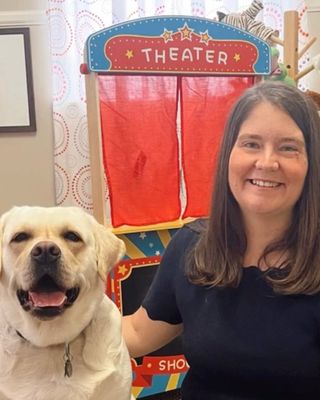
Hosted by Kris Marowski
Licensed Professional Counselor, LPC, ACS, RPT-S™, CAAPT®, CCMHC
Group meets in Culpeper, VA 22701
Groups focus on skills and strategies to improve focus, attention, communication skills and social interactions. Meetings occur weekly and continue throughout the year. Group members are welcome to attend for as long as needed. There are currently two groups for adolescents. The Monday group is for youth ages 10, 11 and 12. They meet from 5:00 to 5:45 pm on Mondays. The Tuesday group is for youth ages 13-18. They meet from 6:00 to 6:45 pm on Tuesdays.
Providing a safe space to engage in healing.
Providing a safe space to engage in healing.
You will learn the value of your dreams and how to look at them for feedback from group. Dreams will help with inner child work, shadow, inner opposite. You will learn how to record your dreams, journal the dream and interpret the dream, a gift from unconscious. Outreach for upcoming dates.
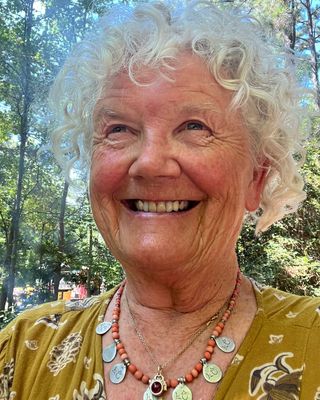
Hosted by Rose Marie Longworth (Whetzel)
Licensed Professional Counselor, LPC, MA, CMP
Group meets in Bridgewater, VA 22812
You will learn the value of your dreams and how to look at them for feedback from group. Dreams will help with inner child work, shadow, inner opposite. You will learn how to record your dreams, journal the dream and interpret the dream, a gift from unconscious. Outreach for upcoming dates.
I am currently accepting supervisees for online individual and group clinical supervision for LCSW track. Groups will take place every other Saturday in two hour blocks. Groups are capped at 5 participants to ensure compliance for the LCSW supervision requirements. The fee is $80 per session. Contact us at admin@hopeworks-counseling.com to enroll. This group will consist of general case consultation and explore clinical issues related to diagnosing, writing diagnostic assessments, creating effective treatment plans and ethics.

I am currently accepting supervisees for online individual and group clinical supervision for LCSW track. Groups will take place every other Saturday in two hour blocks. Groups are capped at 5 participants to ensure compliance for the LCSW supervision requirements. The fee is $80 per session. Contact us at admin@hopeworks-counseling.com to enroll. This group will consist of general case consultation and explore clinical issues related to diagnosing, writing diagnostic assessments, creating effective treatment plans and ethics.
A New Way of Being: Explorations in Embodied Awareness Explore the process of Embodied Awareness, a system of mind-body presencing that combines time-honored practices with today's understanding of neurobiology. By connecting with direct experience, uncover unique inner resources that support a new depth of peace and acceptance regardless of external circumstances. This four week class stands alone and also serves as an introduction to an ongoing Embodied Awareness Practice Group. Meeting July 21,28, August 04,11

Hosted by Susan L. Glover
Licensed Professional Counselor, MEd, LPC
Group meets in Richmond, VA 23221
A New Way of Being: Explorations in Embodied Awareness Explore the process of Embodied Awareness, a system of mind-body presencing that combines time-honored practices with today's understanding of neurobiology. By connecting with direct experience, uncover unique inner resources that support a new depth of peace and acceptance regardless of external circumstances. This four week class stands alone and also serves as an introduction to an ongoing Embodied Awareness Practice Group. Meeting July 21,28, August 04,11
You carry a lot - expectations, pressure, responsibility - and rarely does anyone ask how you’re really doing. This group is a space for men to be seen and heard without judgment. We talk about what’s beneath the surface: stress, anxiety, anger, disconnection, and how it impacts your relationships. This isn’t about fixing you - it’s about giving you space to breathe, reflect, and feel human again. In a world that tells men to tough it out, this group offers something different: real connection, real support, and a reminder that your mental health matters too. Join us.

You carry a lot - expectations, pressure, responsibility - and rarely does anyone ask how you’re really doing. This group is a space for men to be seen and heard without judgment. We talk about what’s beneath the surface: stress, anxiety, anger, disconnection, and how it impacts your relationships. This isn’t about fixing you - it’s about giving you space to breathe, reflect, and feel human again. In a world that tells men to tough it out, this group offers something different: real connection, real support, and a reminder that your mental health matters too. Join us.
Grow Therapy makes accessing therapy easier. Therapy costs are a primary concern with more and more providers not accepting insurance. Grow partners with health plans to deliver exceptional behavioral healthcare. With Grow, you find qualified practitioners that also accept insurance.
Grow Therapy makes accessing therapy easier. Therapy costs are a primary concern with more and more providers not accepting insurance. Grow partners with health plans to deliver exceptional behavioral healthcare. With Grow, you find qualified practitioners that also accept insurance.
What happens when your relationship starts to feel like a sh** show? This can happen when an affair or betrayal impacts not just your relationship, but makes your whole life feel completely devastated. Maybe you are the one who was unfaithful, maybe you were the one who was betrayed. Maybe the door is already closed or the divorce is final. The nausea tinged with anger and grief starts to creep into work and you don’t have a lot left to give to anyone. One thing you know, is that you don’t want to feel like this anymore.
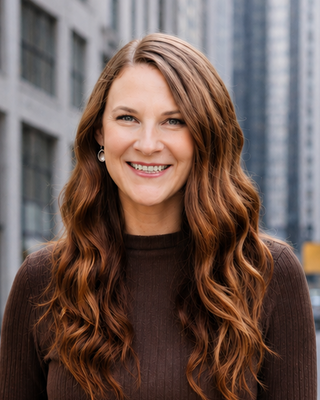
What happens when your relationship starts to feel like a sh** show? This can happen when an affair or betrayal impacts not just your relationship, but makes your whole life feel completely devastated. Maybe you are the one who was unfaithful, maybe you were the one who was betrayed. Maybe the door is already closed or the divorce is final. The nausea tinged with anger and grief starts to creep into work and you don’t have a lot left to give to anyone. One thing you know, is that you don’t want to feel like this anymore.
SoulCollage® in person are available . Lilla is a certified SoulCollage® Facilitator. We create 5"x7" cards using the soul collage® system invented by Seen Frost. This method is great for parts work or simply getting to know ones self and opening the doors to new possibilities in life. These groups are creative , insightful and require no previous art experience.

SoulCollage® in person are available . Lilla is a certified SoulCollage® Facilitator. We create 5"x7" cards using the soul collage® system invented by Seen Frost. This method is great for parts work or simply getting to know ones self and opening the doors to new possibilities in life. These groups are creative , insightful and require no previous art experience.
Coming Soon
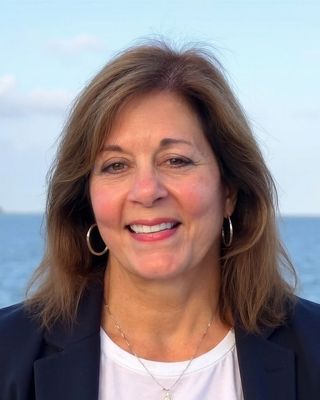
Hosted by Judith Cheche
Licensed Professional Counselor, LPC, NCC, CTTPII, CAIMHP
Group meets in Portsmouth, VA 23703
Coming Soon
Our goal is to help individuals create meaningful changes in their lives that allow them to feel present, fulfilled, and emotionally balanced. We help clients become more aware of their thoughts and emotions and to learn how to manage them in a way that creates a sense of peace and freedom. We work collaboratively with clients to help them discover what is truly meaningful in their lives and empower them to take action and make change. We strive to be fully present and focus on establishing a connection through warmth and openness in order to foster a healing environment.

Our goal is to help individuals create meaningful changes in their lives that allow them to feel present, fulfilled, and emotionally balanced. We help clients become more aware of their thoughts and emotions and to learn how to manage them in a way that creates a sense of peace and freedom. We work collaboratively with clients to help them discover what is truly meaningful in their lives and empower them to take action and make change. We strive to be fully present and focus on establishing a connection through warmth and openness in order to foster a healing environment.
Dialectical Behavioral Therapy (DBT) is an evidence-based treatment that helps individuals live more in the moment, better manage intense emotions, reduce impulsive behavior, and improve their relationships. We go over coping skills and strategies from the modules of DBT: mindfulness, distress tolerance, emotion regulation, and interpersonal effectiveness. Participants commit to joining eight weeks at a time, The full program is 24 weeks. Vanessa Cheshier, LCSW completed DBT intensive training through Fairfax County in 2019. She has been facilitating DBT skills groups for the past three years. Morgan Moore, Graduate Intern, has completed DBT coursework and training to support DBT skills groups.

Dialectical Behavioral Therapy (DBT) is an evidence-based treatment that helps individuals live more in the moment, better manage intense emotions, reduce impulsive behavior, and improve their relationships. We go over coping skills and strategies from the modules of DBT: mindfulness, distress tolerance, emotion regulation, and interpersonal effectiveness. Participants commit to joining eight weeks at a time, The full program is 24 weeks. Vanessa Cheshier, LCSW completed DBT intensive training through Fairfax County in 2019. She has been facilitating DBT skills groups for the past three years. Morgan Moore, Graduate Intern, has completed DBT coursework and training to support DBT skills groups.
Please see my web site for more information
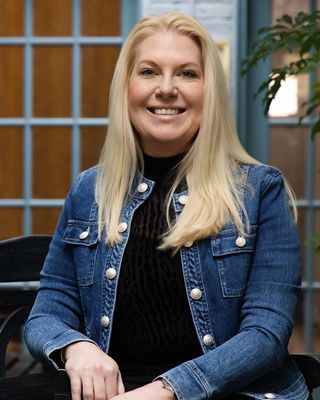
Hosted by Dr. Michele Cole
Clinical Social Work/Therapist, PhD, LCSW
Group meets in Alexandria, VA 22314
Please see my web site for more information
Cmncoaching services is a service offered to those who do not have insurance yet seek the same expertise of a practice with licensed clinicians. There you will be able to get the help that you deserve whether you are insured or uninsured. Here you can receive therapy centered on your needs, built firmly on cornerstones of compassion and empathy. In therapy, you can expect help to build practical tools that you can start applying right away to make your life better in tangible ways. In a warm and supportive atmosphere, you can expect compassionate care that focuses on developing lifelong coping skills.

Hosted by Mindfulness therapy Group
Clinical Social Work/Therapist, LMSW , LMHP-S, SWAICL, SWAAL
Group meets in Midlothian, VA 23114
Cmncoaching services is a service offered to those who do not have insurance yet seek the same expertise of a practice with licensed clinicians. There you will be able to get the help that you deserve whether you are insured or uninsured. Here you can receive therapy centered on your needs, built firmly on cornerstones of compassion and empathy. In therapy, you can expect help to build practical tools that you can start applying right away to make your life better in tangible ways. In a warm and supportive atmosphere, you can expect compassionate care that focuses on developing lifelong coping skills.
Dialectical Behavioral Therapy (DBT) addresses & treats extreme emotional intensity. It is a combination between traditional cognitive behavioral therapy & eastern philosophy. That eastern philosophy is meditation, self-acceptance, and walking the middle path. It is blended with cognitive behavior therapy concepts, such as looking at how one’s thinking impacts their emotional experience & their environment. It helps adolescents learn how to find balance between acceptance & maintaining a strong commitment to change. The group provides a platform for teens to learn & practice skills for mindfulness, emotion regulation, distress tolerance, walking the middle path, and interpersonal effectiveness. Each module is 6 weeks.

Hosted by Lighthouse Behavioral Health Center, LLC
Licensed Professional Counselor, LPC
Group meets in Richmond, VA 23235
Dialectical Behavioral Therapy (DBT) addresses & treats extreme emotional intensity. It is a combination between traditional cognitive behavioral therapy & eastern philosophy. That eastern philosophy is meditation, self-acceptance, and walking the middle path. It is blended with cognitive behavior therapy concepts, such as looking at how one’s thinking impacts their emotional experience & their environment. It helps adolescents learn how to find balance between acceptance & maintaining a strong commitment to change. The group provides a platform for teens to learn & practice skills for mindfulness, emotion regulation, distress tolerance, walking the middle path, and interpersonal effectiveness. Each module is 6 weeks.
See more therapy options for Virginia


FAQs - About Group Therapy and Support Groups
How can I find a support group in Virginia?
To find a support group in your area, start by entering your city, zip code, or the name of the group into the search bar at the top of the page. When searching, consider whether you prefer an in-person or virtual group. This can help you decide how broad your geographic search should be. If you are open to virtual groups, you might want to search by state instead of just your city, especially if there are limited options nearby.
Once you complete your search, you can use the filters to narrow the results by selecting specialties (such as grief, trauma, or eating disorders), therapeutic approaches, age groups, and other criteria to find a group that best fits your needs.
Once you complete your search, you can use the filters to narrow the results by selecting specialties (such as grief, trauma, or eating disorders), therapeutic approaches, age groups, and other criteria to find a group that best fits your needs.
How does group therapy work?
Group therapy is led by one or more trained therapists and provides a space where participants can process their experiences and learn from others facing similar challenges. Groups may focus on a specific issue—such as addiction, grief, physical illnesses, parenting, or caregiving—or they may center around a particular therapeutic approach, such as Cognitive Behavioral Therapy (CBT), social skill development, or Exposure Therapy. Some groups are also designed for specific populations, such as teens, veterans, or LGBTQ+ individuals.
It’s also important to distinguish group therapy from peer-led support groups, like Alcoholics Anonymous. While both can offer valuable support, therapy groups are typically led by licensed professionals and follow a more structured format. Therapy groups often meet for a fixed length of time with a consistent group of members, while many peer support groups meet for an indefinite period of time with members coming and going.
It’s also important to distinguish group therapy from peer-led support groups, like Alcoholics Anonymous. While both can offer valuable support, therapy groups are typically led by licensed professionals and follow a more structured format. Therapy groups often meet for a fixed length of time with a consistent group of members, while many peer support groups meet for an indefinite period of time with members coming and going.
What are the benefits of group therapy?
Group therapy offers several important benefits. It brings together people facing similar challenges—whether related to mental health, physical health, or life transitions—and creates a supportive environment where participants can exchange feedback, share experiences, and learn from one another. Hearing different perspectives can help individuals discover new coping strategies and practical tools they may not have encountered on their own. Sharing personal experiences, such as coping with a serious illness or navigating family struggles, can also reduce feelings of isolation and foster a sense of connection and understanding. In addition to emotional support, group members often gain useful, real-world advice from peers who have faced similar situations.
Group therapy is typically more affordable than individual therapy and, for certain conditions, can be equally effective. Many groups also include structured activities—such as guided journaling, cognitive-behavioral exercises, or role-playing—to help participants develop concrete skills they can apply in daily life.
Group therapy is typically more affordable than individual therapy and, for certain conditions, can be equally effective. Many groups also include structured activities—such as guided journaling, cognitive-behavioral exercises, or role-playing—to help participants develop concrete skills they can apply in daily life.
Is group therapy as effective as individual therapy?
It is difficult to make a blanket statement about the effectiveness of support groups, as they vary widely in focus and the conditions they address. However, support groups can be highly valuable in helping individuals gain emotional support and achieve meaningful treatment outcomes. For certain conditions, such as substance use, research has shown that group therapy can be particularly effective—sometimes just as effective as individual therapy—in supporting long-term recovery.
Many professionals attribute the effectiveness of group therapy to the unique benefits of the group setting, which fosters peer-to-peer learning and a sense of connection through shared experiences. Group settings also offer accountability and encouragement from both facilitators and fellow participants, which helps sustain motivation and supports continued progress. These factors together play a key role in promoting the overall effectiveness of group therapy.
Many professionals attribute the effectiveness of group therapy to the unique benefits of the group setting, which fosters peer-to-peer learning and a sense of connection through shared experiences. Group settings also offer accountability and encouragement from both facilitators and fellow participants, which helps sustain motivation and supports continued progress. These factors together play a key role in promoting the overall effectiveness of group therapy.
How much does group therapy cost?
Group therapy is typically less expensive than individual therapy, with sessions typically costing between $50 and $75 each. In comparison, individual therapy can cost anywhere from $100 to $200 or more per session, even with insurance. Some therapists or organizations offer low-cost or free group therapy options, particularly through community centers or nonprofit organizations. In some cases, groups may require payment upfront for a set number of sessions, such as paying for six weekly sessions at the first meeting. However, many providers offer payment plans to help make participation more accessible if this upfront payment is required.
Does insurance cover group therapy?
As with individual therapy, insurance coverage for group therapy varies based on factors such as your specific insurance plan, the purpose of the group, your diagnosis, and whether the group provider is in-network. Many insurance plans cover group therapy sessions that address diagnosable mental health conditions, such as substance use disorders, anxiety, or depression.
However, groups that focus on topics not directly tied to a mental health diagnosis—such as parenting support or divorce recovery—are less likely to be covered. Because coverage can vary widely, it’s important to check with your insurance provider before joining a group to confirm whether the sessions will be covered and what out-of-pocket costs you may be responsible for.
However, groups that focus on topics not directly tied to a mental health diagnosis—such as parenting support or divorce recovery—are less likely to be covered. Because coverage can vary widely, it’s important to check with your insurance provider before joining a group to confirm whether the sessions will be covered and what out-of-pocket costs you may be responsible for.
How long does group therapy last?
The length of each group therapy session typically ranges from 45 minutes to two hours, depending on the therapy approach, the group’s goals, and how often the group meets. In some cases, group therapy is part of a larger treatment program, such as an Intensive Outpatient Program (IOP), where group sessions complement individual therapy and are scheduled as part of the program’s overall structure.
The duration of participation in a group also varies. Some groups are designed to be short-term, lasting anywhere from 6 to 24 weeks—for example, bereavement groups or skills-based groups like those using Dialectical Behavioral Therapy (DBT). Other groups may be longer-term, lasting a year or more, and some ongoing support groups meet indefinitely, allowing participants to stay as long as they find the group helpful.
The duration of participation in a group also varies. Some groups are designed to be short-term, lasting anywhere from 6 to 24 weeks—for example, bereavement groups or skills-based groups like those using Dialectical Behavioral Therapy (DBT). Other groups may be longer-term, lasting a year or more, and some ongoing support groups meet indefinitely, allowing participants to stay as long as they find the group helpful.
What are the limitations of support groups?
Support groups offer many benefits, but they also have certain limitations. Unlike therapy groups, many support groups do not provide formal therapeutic treatment and are not led by licensed mental health professionals. For individuals seeking clinical treatment for specific mental health diagnoses—such as depression, eating disorders, or substance use—individual therapy or group therapy led by a licensed professional may offer more personalized and specialized care.
The effectiveness of a support group also depends heavily on the group’s participants and the overall group dynamic. When members engage respectfully and offer constructive support, the group can foster valuable peer-to-peer learning. However, if certain participants dominate discussions, provide inaccurate advice, or create conflict, it can disrupt the group’s sense of safety and reduce its effectiveness. Confidentiality can also be harder to maintain in support groups, particularly in open groups where participants can join or leave at any time. With new members regularly entering the group, it can be more difficult to build and sustain a consistent sense of trust and privacy.
The effectiveness of a support group also depends heavily on the group’s participants and the overall group dynamic. When members engage respectfully and offer constructive support, the group can foster valuable peer-to-peer learning. However, if certain participants dominate discussions, provide inaccurate advice, or create conflict, it can disrupt the group’s sense of safety and reduce its effectiveness. Confidentiality can also be harder to maintain in support groups, particularly in open groups where participants can join or leave at any time. With new members regularly entering the group, it can be more difficult to build and sustain a consistent sense of trust and privacy.