Support Groups in Richmond, VA
Mindfulness Strategies provides guidance and instruction in a small group setting, helping you develop a personal practice that can actually change your brain. Mindfulness techniques help ground, awaken and uplift. They are indeed a spiritual practice, and help harmonize balance ...

Hosted by Zarasun Murphy
Clinical Social Work Associate, MSW, CSWA, BS
Verified Verified
Group meets in Richmond, VA 23220
Mindfulness Strategies provides guidance and instruction in a small group setting, helping you develop a personal practice that can actually change your brain. Mindfulness techniques help ground, awaken and uplift. They are indeed a spiritual practice, and help harmonize balance ...
Our group practice goal is to help you restore resilience. You may be feeling overwhelmed by life’s challenges and discouraged by others who just “don’t get it.” Maybe you are in a rollercoaster of emotions or feel stuck like you’re ...

Hosted by Family Focus Counsel, LLC
Psychologist, PsyD, HSP, PMH-C, PSYPACT
Verified Verified
Group meets in Richmond, VA 23225
Our group practice goal is to help you restore resilience. You may be feeling overwhelmed by life’s challenges and discouraged by others who just “don’t get it.” Maybe you are in a rollercoaster of emotions or feel stuck like you’re ...
Offering: anger management, parenting and covid-19 support groups for children returning to school.
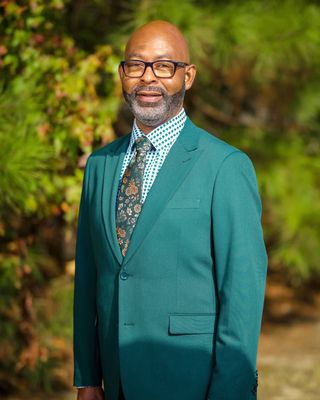
Hosted by Lowery Coaching & Consulting Services, LLC
QMHP-A, QMHP-C , CCTP
Verified Verified
Group meets in Richmond, VA 23223
Offering: anger management, parenting and covid-19 support groups for children returning to school.
Anger Managment Group for Teens and Adults.
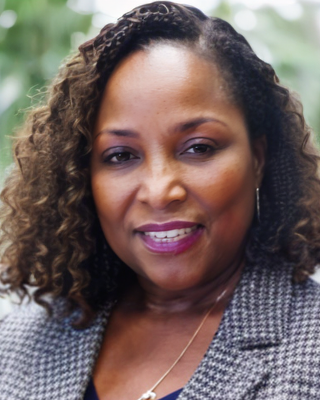
Hosted by Robyn Nicholas-Barnes
Licensed Professional Counselor, MEd, LPC
Verified Verified
Group meets in Richmond, VA 23225
Anger Managment Group for Teens and Adults.
Clinical supervision group for supervisees seeking LCSW licensure. Group is currently meeting biweekly & space is limited. Supervisees must meet all requirements for supervision towards LCSW licensure & receive approval for registration of supervision from the Virginia Board of Social ...

Hosted by Katherine Meyersohn
Clinical Social Work/Therapist, LCSW, RYT 500, Reiki
Verified Verified
Group meets in Richmond, VA 23220
Clinical supervision group for supervisees seeking LCSW licensure. Group is currently meeting biweekly & space is limited. Supervisees must meet all requirements for supervision towards LCSW licensure & receive approval for registration of supervision from the Virginia Board of Social ...
You do not have to be alone, Come and join us.

Hosted by Adhd-Aid Psychiatry
Psychiatric Nurse Practitioner, PMHNP, FNP
Verified Verified
Group meets in Richmond, VA 23221
You do not have to be alone, Come and join us.
A New Way of Being: Explorations in Embodied Awareness Explore the process of Embodied Awareness, a system of mind-body presencing that combines time-honored practices with today's understanding of neurobiology. By connecting with direct experience, uncover unique inner resources that support ...

Hosted by Susan L. Glover
Licensed Professional Counselor, MEd, LPC
Verified Verified
Group meets in Richmond, VA 23221
A New Way of Being: Explorations in Embodied Awareness Explore the process of Embodied Awareness, a system of mind-body presencing that combines time-honored practices with today's understanding of neurobiology. By connecting with direct experience, uncover unique inner resources that support ...
This group is workbook based and focuses on managing big emotions from DBT lens. This is part didactic and processing. Come join us.

Hosted by Amplify Counseling & Coaching LLC
Clinical Social Work/Therapist, LCSW
Verified Verified
Group meets in Richmond, VA 23225
This group is workbook based and focuses on managing big emotions from DBT lens. This is part didactic and processing. Come join us.
test test

Hosted by Betsy Hudson
Clinical Social Work/Therapist, LCSW
Verified Verified
Group meets in Richmond, VA 23223
test test
Classes are offered online and in-person on Mondays 9am or 6pm, Wednesdays 6pm and Fridays at 9am. Certificate is provided upon completion.

Hosted by J Group Counseling Services, LLC
Clinical Social Work/Therapist, LCSW, CSOTP
Verified Verified
Group meets in Richmond, VA 23224
Classes are offered online and in-person on Mondays 9am or 6pm, Wednesdays 6pm and Fridays at 9am. Certificate is provided upon completion.
Attendees can expect grounded education on the function of emotions, how emotions get blocked and ways to approach unblocking them, practical tools for easing anxiety and depression, along with experiential exercises, homework, time to process and ask questions. Groups are ...

Hosted by Caitlin Shiflett
Clinical Social Work/Therapist, LCSW, PRYT
Verified Verified
Group meets in Richmond, VA 23220
Attendees can expect grounded education on the function of emotions, how emotions get blocked and ways to approach unblocking them, practical tools for easing anxiety and depression, along with experiential exercises, homework, time to process and ask questions. Groups are ...
We believe group treatment helps people connect with others and build lifelong skills. At Charlie Health, our curated groups include CBT Groups, CFT Groups, DBT Skills Groups, ACT Groups, Experiential Therapy Groups, Processing Groups, Trauma Groups, and more. Clients meet ...

Hosted by Charlie Health
Verified Verified
Group meets in Richmond, VA 23220
We believe group treatment helps people connect with others and build lifelong skills. At Charlie Health, our curated groups include CBT Groups, CFT Groups, DBT Skills Groups, ACT Groups, Experiential Therapy Groups, Processing Groups, Trauma Groups, and more. Clients meet ...
As an Advanced Grief Recovery Specialist Certified by the Grief Recovery Method Institute, Leadership Coach, Speaker, and Founder of JacLovelle Coaching & Consulting, "Matters of the Heart" is for men and women who have experienced loss of any kind and ...

Hosted by JacLovelle Coaching & Consulting Group, LLC
Drug & Alcohol Counselor, DSL, CSAC, CAC, AGRMS
Verified Verified
Group meets in Richmond, VA 23220
As an Advanced Grief Recovery Specialist Certified by the Grief Recovery Method Institute, Leadership Coach, Speaker, and Founder of JacLovelle Coaching & Consulting, "Matters of the Heart" is for men and women who have experienced loss of any kind and ...
Derailed by triggers? Overwhelmed by life? Stuck? Frustrated by self-sabotage? Join us in exploring DBT skills through an understanding of the Nervous System and learn tools to calm our run away Fight, Flight and Freeze responses. We will practice together ...
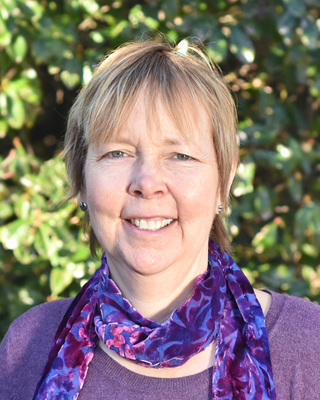
Hosted by Waller Thompson
Licensed Professional Counselor, EdD, LPC, SEP, NARM
Verified Verified
Group meets in Richmond, VA 23225
Derailed by triggers? Overwhelmed by life? Stuck? Frustrated by self-sabotage? Join us in exploring DBT skills through an understanding of the Nervous System and learn tools to calm our run away Fight, Flight and Freeze responses. We will practice together ...
This group was born from years of working with women therapeutically 1:1 who struggle with self-criticism, shame, and inner conflicts about showing up for themselves the way they show up for others. We will be exploring the duality of self ...
Hosted by Caitlin Shiflett
Clinical Social Work/Therapist, LCSW, PRYT
Verified Verified
Group meets in Richmond, VA 23220
This group was born from years of working with women therapeutically 1:1 who struggle with self-criticism, shame, and inner conflicts about showing up for themselves the way they show up for others. We will be exploring the duality of self ...
Teens today are living through a uniquely challenging period in their lives. You are expected to figure out life, plan a future, and manage a social life, all while navigating the wild seas of adolescence. Phew, that’s a lot! But ...

Hosted by Sarah Dihmes
Psychologist, PhD, BCB
Verified Verified
Group meets in Richmond, VA 23232
Teens today are living through a uniquely challenging period in their lives. You are expected to figure out life, plan a future, and manage a social life, all while navigating the wild seas of adolescence. Phew, that’s a lot! But ...
6 sessions, beginning January 16th! Join us as we explore DBT skills through an understanding of the Nervous System and learn tools to calm our runaway Fight, Flight and Freeze responses. We will practice together the "Both-And" of life by ...

Hosted by Erin Dabrowski
Pre-Licensed Professional, MEd
Verified Verified
Group meets in Richmond, VA 23225
6 sessions, beginning January 16th! Join us as we explore DBT skills through an understanding of the Nervous System and learn tools to calm our runaway Fight, Flight and Freeze responses. We will practice together the "Both-And" of life by ...
Parenting offers the opportunity to address issues and subjects related to parenting in a safe and non-judgmental space. Book an introductory appointment today!

Hosted by Inspire Community & Wellness Services
Clinical Social Work/Therapist
Verified Verified
Group meets in Richmond, VA 23225
Parenting offers the opportunity to address issues and subjects related to parenting in a safe and non-judgmental space. Book an introductory appointment today!
Join us for this educational & experiential workshop exploring the Power of Reiki. Candlelight Vinyasa Flow followed by Restorative Yoga Postures & Reiki to revive, relax, & restore Mind-Body-Spirit. With Katherine Meyersohn, RYT-500, Reiki Master of Masters & Ann Scheller, ...
Hosted by Katherine Meyersohn
Clinical Social Work/Therapist, LCSW, RYT 500, Reiki
Verified Verified
Group meets in Richmond, VA 23220
Join us for this educational & experiential workshop exploring the Power of Reiki. Candlelight Vinyasa Flow followed by Restorative Yoga Postures & Reiki to revive, relax, & restore Mind-Body-Spirit. With Katherine Meyersohn, RYT-500, Reiki Master of Masters & Ann Scheller, ...
Are you tired of feeling inadequate or like your significant other just dont get it? Come learn new skills to help your relationship with others go from toxic to healthy.
Hosted by J Group Counseling Services, LLC
Clinical Social Work/Therapist, LCSW, CSOTP
Verified Verified
Group meets in Richmond, VA 23224
Are you tired of feeling inadequate or like your significant other just dont get it? Come learn new skills to help your relationship with others go from toxic to healthy.
See more therapy options for Richmond


Nearby Searches for Richmond
See More Support GroupsFAQs - About Group Therapy and Support Groups
How can I find a support group in Richmond?
Search for nearby support groups by inputting your city, zip code, or the name of the group into the search bar. From there, you can filter to find a group that suits your needs, whether you are looking for support for a teenager, a group that focuses on a specific issue, such as depression, or a particular program type, such as one geared toward developing social skills. To navigate between locations within the same country, enter a new city or zip code into the search bar.
How does group therapy work?
Therapy groups are led by one or more therapists and serve to help people process their experiences and learn from others who understand their challenges firsthand. They can be based on a specific issue, such as addiction, grief, physical illnesses, parenting, and caregiving. They can involve a specific type of program or therapy, such as a social skills group or CBT group. They can also be specific to a particular population or community, such as teens or LGBTQ.
Support groups, like Alcoholics Anonymous, also focus on a specific issue, but are typically led by members with lived experiences and are less structured than therapy groups. Most therapy groups will meet for a fixed length of time with a consistent group of members, while many support groups meet for an indefinite period of time with members coming and going.
Support groups, like Alcoholics Anonymous, also focus on a specific issue, but are typically led by members with lived experiences and are less structured than therapy groups. Most therapy groups will meet for a fixed length of time with a consistent group of members, while many support groups meet for an indefinite period of time with members coming and going.
What are the benefits of group therapy?
Support groups help connect people with shared challenges or physical and mental health conditions. In a group setting, participants can receive support and feedback from peers and can acquire new skills, strategies and perspectives by listening to one another. Discussing your experience with someone who also has a cancer diagnosis, or whose son also struggles with addiction, for example, can help you feel less alone, reduce distress, find empathy and connection, and learn practical or medical information that has helped others. Group therapy can also be a more affordable option than individual therapy and just as effective.
Is group therapy as effective as individual therapy?
Support groups can be deeply valuable for both emotional support and/or treatment outcomes. It’s difficult to make a blanket statement on efficacy due to the many different types of support groups and conditions treated, but group therapy has been found to be just as effective as individual therapy in establishing long-term abstinence for conditions such as substance abuse, addiction and alcohol abuse.
How much does group therapy cost?
Group counseling is typically less expensive than individual counseling, with each session costing on average between $60 to $75. Meanwhile, individual therapy sessions can run anywhere from $100 to $200 and up, even after insurance. It is possible to find low-cost group therapy options and many therapists offer group sessions free of charge.
Does insurance cover group therapy?
As with individual therapy, many insurance companies do offer coverage for group therapy sessions. However, the coverage varies based on your insurance plan details and whether you choose an in-network or out-of-network mental healthcare provider. Individuals are encouraged to check with their insurance providers to verify coverage.
How long does group therapy last?
The length of a support group session is often one hour but can fall anywhere between 45 minutes and two hours. The amount of time that people remain in a support group varies based on their specific needs and goals and the type of therapy. Some individuals may seek a shorter-term group, such as a bereavement group, that may last between six and 20 weeks. Some may seek a longer-term group that lasts for a year or indefinitely.
What are the limitations of support groups?
Support groups have many benefits, but there are a few limitations as well. Support groups do not constitute formal therapeutic or medical treatment, and are not run by licensed mental health professionals, so some people may opt for group therapy or individual therapy instead. Additionally, support groups can depend on the other participants, so a disruptive individual has the potential to mar the group dynamic, and the anecdotal information shared may sometimes be unhelpful or inaccurate. Because it is a group setting, confidentiality can be more difficult to guard and participants receive less personalized attention than they would in an individual therapy session.