Support Groups in 98105
In this eight-week group, we learn a powerful set of coping skills from Dialectical Behavioral Therapy and apply them to daily T1D coping with the emotional burden of management and burnout. DBT skills focus on mindfulness, distress tolerance, emotion regulation, and interpersonal effectiveness skills. Based on demand, we launch groups in person or virtually for teens (14-18 yr olds) or young adults (18-26 yr olds). No commitment is required to add your name to our interest list on our website.
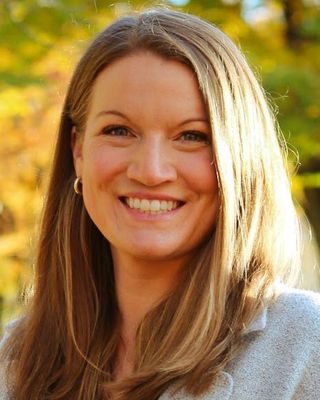
Hosted by Rachel McEvoy
Clinical Social Work/Therapist, LICSW
Verified Verified
Group meets in Seattle, WA 98105
I'm passionate about supporting late teens and young adults (ages 16-35) who are processing where they come from, what they inadvertently picked up along the way, and what they want to intentionally set down or take with them. Some people call this deconstruction and reconstruction. It may involve processing relationship patterns, building self-compassion, grieving a loss, learning to set different boundaries, or re-examining a faith you once took for granted. I also have experience working with teens and young adults diagnosed with Type 1 Diabetes to cope with a new diagnosis or move through feelings of burnout.
For people with an immigration story in their background. This is an ongoing, closed group that meets weekly on-line with Quarterly face to face sessions. We support a sense of solid adjustment, connectedness and your ability to be at home inside yourself wherever you live. Call or email for a screening appointment.
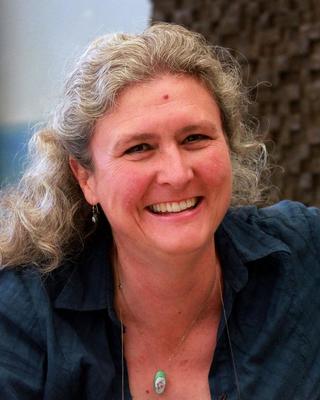
I provide psychotherapy in Seattle and coaching for clients around the world. Special focus on couples, cultural adjustment issues and sexuality. With more than 30 years of experience, my approach is based on your strengths, focused on empowering you, centered on your goals, and connects you with other resources. I was born in Turkey and have lived and worked in the US, Turkey and Europe. I provide individual, couple, family and group therapy, consultation and training from Seattle's University District.
Join our online, confidential group for peer support with other fully licensed therapists. Held on the first Saturday of the month, we will meet for 90-120 minutes of judgement-free support. Groups for interns and associates will be available depending on interest.
Hosted by Meadows Agency
Clinical Social Work/Therapist, MA, MSW, LICSW, LCSW
Verified Verified
Group meets in Seattle, WA 98105
Those who find success in our work together are ready to establish a path forward despite existing in a society that prioritizes individualism and profit. Whether looking for support through life's challenges or addressing harmful experiences, they are committed to the work and rest. They describe me as authentic, genuinely interested in them, and conversational rather than evaluative. As a non-pathologizing provider, diagnoses will only be used when required and with your permission.
This group is currently on hiatus: Couples work is a significant part of my practice and I have trained extensively in this area. I provide a twice monthly consultation group for experienced therapists who want to further hone and support their couples work. We explore and incorporate these different modalities of working with couples: Objection Relations, Attachment theory, Relational Psychoanalytic theory, the Psychobiological Approach to Couples Therapy (PACT), and Emotionally Focused Couples Therapy (EFT).
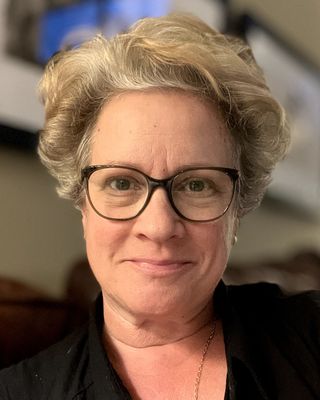
Therapy provides an opportunity to get to the root cause of whatever is getting in the way of your achieving satisfaction in your life. It is in that deeper place where lasting change is possible. I believe effective therapy is client directed and compassionate. It must also be done through the unfolding of a therapeutic relationship where safety, insight, vulnerability and playfulness are encouraged and supported. Through my years of experience treating mild to severe problems including anxiety, depression, trauma, relationship, parenting and transitional issues, I have become good at helping to focus this process and achieve results.
During this workshop, we explore topics such as vulnerability, courage, shame, and worthiness. We examine the thoughts, emotions, and behaviors that are holding us back and we identify the new choices and practices that will move us toward more authentic and wholehearted living. The primary focus is on developing shame resilience skills and developing daily practices that transform the way we live, love, parent and lead.

Hosted by Seattle Family Support
Clinical Social Work/Therapist, LICSW, MEd, MSW, MFT
Verified Verified
Group meets in Seattle, WA 98105
We are a team of 7 Seattle-based therapists with decades of experience serving teens, families, adults, and older adults. Whatever your needs are, we are here to offer tools and professional experience so you can be the you you want to be.
I facilitate a men's sex addiction group. It is a non-judgmental, supportive group helping men deepen their understanding about themselves, what fuels addictive living, how to regain integrity and learn to handle the many challenges of their lives responsibly.
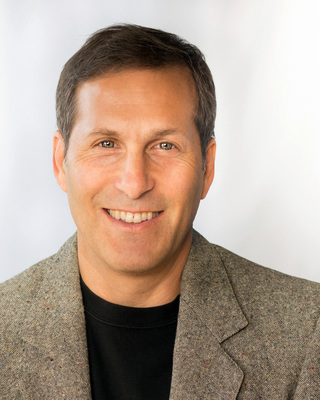
Hosted by Hirsch Counseling & Consulting
Clinical Social Work/Therapist, LCSW
Verified Verified
Group meets in Seattle, WA 98105
I've over 30 years experience helping couples and individuals with relationship issues, depression, sexual issues, including porn and sex addiction, and stress management. I have a holistic approach, helping clients examine what they do from when they awake to when they go to bed - what is helpful for their growth and well-being and what would be a better way to handle the challenges of their lives. Life is very challenging. It can be a hard school. Give yourself the gift of receiving compassionate, straightforward guidance.
Adult men and women identify personal strategies for sobriety and recovery and create a safe place for giving and receiving support. While we respect 12-step approaches, we are interested in helping those who are looking for an alternative to 12 step programs. We utilize an integration of evidence-based and theory-based interventions drawn from cognitive-behavioral, mindfulness practice, and practical application of emerging research in neuroscience. Our work is informed by practical application of interpersonal neurobiology and regulation theory. In a word, we emphasize the transformative power of self care, abstinence and seeking support in healthy relationships.

Hosted by Michael A Galloway
Counselor, MA, LMHC, LMFT, SUDP
Verified Verified
Group meets in Seattle, WA 98105
My practice specializes in mental health, family life, trauma, and addiction recovery for adolescents and adults. I have expertise in treating co-occurring issues of addiction, depression, anxiety, adjustment and trauma. I provide couples counseling and family therapy and have much success with persons for whom therapy has not been helpful. I help families and individuals face issues of addiction and offer alternatives to 12-step programs. My approach is relational, existential and focuses on making meaningful changes. I integrate principles and strategies of change derived from interpersonal neurobiology and affect regulation.
This healing group comes from the lineage of Generative Somatics. Somatics is a body-based healing methodology centered in building more agency, connection and resilience to move people towards personal and collective transformation. This group will: Grow a deeper sense of what you care about and make a commitment towards your healing; Develop an understanding of how trauma and oppression shape us, and how we can heal and transform; Cultivate body-centered practices for deepening into mutual connection, deep emotions, resilience and sustainable transformation; Bear witness to a group of peers in their own healing and transformation
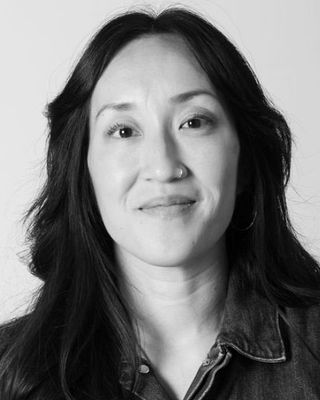
Hosted by Katelyn Song
Clinical Social Work/Therapist, MSW, LICSW
Verified Verified
Group meets in Seattle, WA 98105
I work with people of all identities to re-embody and reclaim what was once inherently known before the impact of trauma and oppression: safety, dignity, mutual connection and agency. I have a deep commitment to making my practice accessible to people of color, young folks, queer-identified folks and people working in social and environmental movement work. At this time I work with folks ages 16+.
At UpWell Psychiatry, we aim to bring the human connection back to healthcare. We are a team of PMHNPs who with strong backgrounds of clinical experience in mental health, who above all else, deeply care. We seek to partner with you and create a treatment plan that address your specific needs and incorporates your individual values -- this may include medications, psychotherapy, lifestyle changes, among other things. We provide lots of education so you can make the best decisions for you. Using empathy, insight, authenticity and humor, our goal is to help you find and live your own truth.
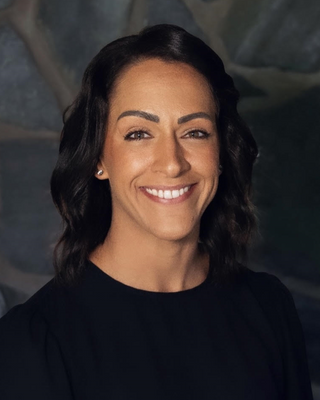
Hosted by Shannon La Douce
Psychiatric Nurse Practitioner, PMHNP
Verified Verified
Group meets in Seattle, WA 98105
SUMMER 2024 - Appointments available at www.upwellpsych.com. I am passionate about supporting those who have dedicated their lives to service (of all types!). I am adept at working with the "givers" - people who are often over-extending to those around them. I am committed to creating a safe and judgment-free space for you to finally be the one that receives support. Whether you're a veteran navigating the challenges of post-service life, a healthcare provider managing pressures of the field, a mom juggling parenthood, or the friend who everyone turns to, I am here to partner with you to give YOU the support you deserve.
During each 6-session ONLINE class we focus on skills and tools for the mothers to replenish their energies, their vitality and their well-being; Practicing exquisite self-care especially then when we are in distress benefits the whole family and every single loved one in return! ! You will also learn how to interact with your child, your family members to benefit the entire system. I am looking forward to creating together a container of support and resourcing - and keep you and your family in healthy emotional balance!

Dr. Liliana Sacarin is a licensed clinical psychologist, expert clinician & researcher in auditory processing & Listening Training/Systems: Tomatis-Effect, iLS, TLP, LifT, SSP. Trained in the Tomatis Method with Dr. Tomatis her experience in the field amounts to 24 y. Her in-depth assessment: sensory integration, language, attention, cognitive/emotional abilities, informs which auditory technique is most appropriate for each individual. She uniquely integrates Tomatis-Effect Listening with child, parent & adult counseling facilitating learning, expanding potential in children & adults. Other treatments: qEEG swLORETA Neurofeedback.
At UpWell Psychiatry, we aim to bring the human connection back to healthcare. We are a team of PMHNPs who with strong backgrounds of clinical experience in mental health, who above all else, deeply care. We seek to partner with you to understand what may be going on so we can work with you to create a treatment plan that address your specific needs and incorporates your individual values. Using empathy, insight, authenticity and humor, our goal is to help you find and live your own truth.

Hosted by Dr. Katharine Frissora
Psychiatric Nurse Practitioner, PMHNP, RYT
Verified Verified
Group meets in Seattle, WA 98105
SUMMER 2024- Appointments available within 1-2 weeks! To begin services, please complete the new patient request form at www.upwellpsych.com/contact - we will get back to you in 1 business day! I am a doctorally prepared Psychiatric and Mental Health Nurse Practitioner (PMHNP) with 15 years of healthcare experience providing psychiatric care.
Pathway to Balance is a DBT Skills Group. These groups are educational and designed to learn coping skills and to build a life worth living. We meet for 90 minutes to learn skills, share experiences, and hold each other accountable. All are welcome in this group. However, DBT is especially helpful for people experiencing issues with impulsive and risky behavior. This group admits clients on an ongoing basis, please contact us to be placed on the waiting list. We accept insurance and can provide a super bill for out of network reimbursement. Groups are $85/session out of pocket.

Therapy is a space to process and move through life’s burdens. I work with adults who are experiencing issues related to chronic stress, perfectionism, imposter syndrome, burnout, anxiety, micro/macroaggressions, relationship issues, coping skills, creativity, and other concerns. BIPOC and LGBTQIA+ individuals are intentionally welcomed to my practice. Additionally, I have experience working with people who participate in kink, consensual nonmonogamy, and alternative lifestyles. I respect that your identity plays a significant role in therapy and will respect that in all of our work.
This is a virtual 8 week support group for women that are considering or actively pursuing parenthood through egg or embryo donation. It will be co-facilitated by two seasoned therapists, Krista Murtfeldt and Hilary Myerberg. Each week the group will include a component of psycho-education and introducing and practicing coping/relaxation tools to help build your emotional toolkit. The group will create a safe and confidential space for you to process your fertility journey with other women experiencing similar emotions. The group begins on Saturday, October 14th and ends on Saturday, December 9th, and will not meet on Saturday, November 25.

Hosted by Hilary H. Myerberg
Clinical Social Work/Therapist, MSW, LICSW, LCSW
Verified Verified
Group meets in Seattle, WA 98105
I believe in putting every client at ease so that we can build upon your strengths, uncover areas of challenge and patterns that are no longer serving you, while working toward your goals. I specialize in anxiety, stress management, life transitions, identity exploration, pregnancy, parenting, depression, grief, loss, trauma, infertility and third party reproduction, and chronic illness. I am especially passionate about supporting individuals and couples experiencing infertility because of my own experience with it, which led me to pursue additional postgraduate training and supervision.
I am a Washington State Certified Supervisor, and I provide both group and individual supervision, in office and remote meetings available. For more information please email me at Brittsteff@gmail.com. Availability: Monday-Friday, 9:30-6:00 pm. As an Adjunct Professor at Seattle Pacific University'sMarriage and Family program, I am connected to the local therapy community and am well-positioned to supervise post-graduates in their work with individuals, couples, and families.

Hosted by Brittany Steffen
Marriage & Family Therapist, MS, LMFT, AASECT
Verified Verified
Group meets in Seattle, WA 98105
Accepting new clients! I work with anyone who is feeling stuck in their life- helping them feel seen, heard, and understood, as we approach problems with curiosity and empathy. While we can't control what happens to us, we can control how we respond- and therapy is the best way to get all the tools you need to respond to life's ups and downs. If you're motivated and engaged in the process, therapy can give you the set of tools you need to improve (or completely change) your life. My background includes in-depth therapeutic training, 12 years of experience as a therapist, as well as 7 years of supervising associate therapists.
Starting October 2nd, 2024. Graduate students face unique challenges and often feel isolated. This support group is for any grad student who wants to connect with others. The group will offer mutual support, problem solving, and community. We are located a few blocks way from the University of Washington campus and grad students from other universities are also welcomed. We accept insurance and can provide a super bill for out of network reimbursement. The group is $25/session out of pocket.
Therapy is a space to process and move through life’s burdens. I work with adults who are experiencing issues related to chronic stress, perfectionism, imposter syndrome, burnout, anxiety, micro/macroaggressions, relationship issues, coping skills, creativity, and other concerns. BIPOC and LGBTQIA+ individuals are intentionally welcomed to my practice. Additionally, I have experience working with people who participate in kink, consensual nonmonogamy, and alternative lifestyles. I respect that your identity plays a significant role in therapy and will respect that in all of our work.
The physics of vulnerability is simple: If we are brave enough, often enough, we will fall. Rising Strong is about what it takes to get back up and how owning our stories of struggle gives us the power to write a daring new ending. Struggle can be our greatest call to courage and the clearest path to a wholehearted life.
Hosted by Seattle Family Support
Clinical Social Work/Therapist, LICSW, MEd, MSW, MFT
Verified Verified
Group meets in Seattle, WA 98105
We are a team of 7 Seattle-based therapists with decades of experience serving teens, families, adults, and older adults. Whatever your needs are, we are here to offer tools and professional experience so you can be the you you want to be.
Support for mothers with babies 6 months and younger. Motherhood is a powerful growth experience and choosing to parent with greater self compassion, awareness, and intention benefits your relationship with yourself, your baby, and others. Listening Mothers is an 8 week course that combines mindfulness and self-compassion practices to help you better understand and care for yourself together with information and discussions exploring emotional development, parent/child bonding and attachment, and navigating the changes and challenges that can occur with your partner and in other close relationships.
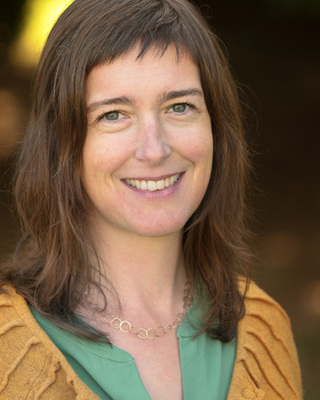
We all experiences challenges. We might feel stuck or overwhelmed and sometimes we need additional support. Therapy creates opportunities for you to explore your thoughts and feelings so you can better understand and change what's getting in the way of you living as your fullest self. I work with adults and expectant and new parents to address a wide range of challenging feelings and experiences. Our work strengthens your sense of self, your relationships, and your capacity to best respond to life's inevitable changes and challenges.
This young adult group is for 18 to 25 year olds, male and female, who have co-occurring issues such as substance abuse, depression, anxiety and other challenges adjusting to a successful launch into young adulthood; including challenges with work, school and independent living. Most of our participants have completed inpatient or outpatient chemical dependency treatment; all members are committed to building a personal program of recovery to maintain sobriety, strengthen self-care and well-being, and achieve success with school, employment and healthy relationships with family and friends.
Hosted by Michael A Galloway
Counselor, MA, LMHC, LMFT, SUDP
Verified Verified
Group meets in Seattle, WA 98105
My practice specializes in mental health, family life, trauma, and addiction recovery for adolescents and adults. I have expertise in treating co-occurring issues of addiction, depression, anxiety, adjustment and trauma. I provide couples counseling and family therapy and have much success with persons for whom therapy has not been helpful. I help families and individuals face issues of addiction and offer alternatives to 12-step programs. My approach is relational, existential and focuses on making meaningful changes. I integrate principles and strategies of change derived from interpersonal neurobiology and affect regulation.
We strive to bring human connection back to psychiatry, and to make accessing mental health care a supportive experience. We provide person-centered, evidence based care for all.

Hosted by Megan Sapp
Psychiatric Nurse Practitioner, PMHNP, CNM, FNP
Verified Verified
Group meets in Seattle, WA 98105
2024 - Current openings! To get started, complete a new patient form at www.upwellpsych.com/contact. As a psychiatric NP, I specialize in supporting people through life transitions. With a background as a Nurse Midwife, I have special interest in serving clients who are pregnant, postpartum, experiencing perinatal loss or fertility challenges, those affected by hormonal changes and/or chronic health conditions. I bring a comprehensive understanding of reproductive and physical health to assist clients in weighing options for care and building a treatment plan that is consistent with their goals and values.
This group is for parents who have young adults with co-occurring issues of addiction recovery, depression, anxiety, trauma and adjustment. Parents in this monthly group find genuine support from others who face similar challenges with their young adult children. Parents learn crucial skills for setting boundaries and identifying their own strategies for self-care and family recovery.
Hosted by Michael A Galloway
Counselor, MA, LMHC, LMFT, SUDP
Verified Verified
Group meets in Seattle, WA 98105
My practice specializes in mental health, family life, trauma, and addiction recovery for adolescents and adults. I have expertise in treating co-occurring issues of addiction, depression, anxiety, adjustment and trauma. I provide couples counseling and family therapy and have much success with persons for whom therapy has not been helpful. I help families and individuals face issues of addiction and offer alternatives to 12-step programs. My approach is relational, existential and focuses on making meaningful changes. I integrate principles and strategies of change derived from interpersonal neurobiology and affect regulation.
See more therapy options for 98105


FAQs - About Group Therapy and Support Groups
How can I find a support group in 98105?
Search for nearby support groups by inputting your city, zip code, or the name of the group into the search bar. From there, you can filter to find a group that suits your needs, whether you are looking for support for a teenager, a group that focuses on a specific issue, such as depression, or a particular program type, such as one geared toward developing social skills. To navigate between locations within the same country, enter a new city or zip code into the search bar.
How does group therapy work?
Therapy groups are led by one or more therapists and serve to help people process their experiences and learn from others who understand their challenges firsthand. They can be based on a specific issue, such as addiction, grief, physical illnesses, parenting, and caregiving. They can involve a specific type of program or therapy, such as a social skills group or CBT group. They can also be specific to a particular population or community, such as teens or LGBTQ.
Support groups, like Alcoholics Anonymous, also focus on a specific issue, but are typically led by members with lived experiences and are less structured than therapy groups. Most therapy groups will meet for a fixed length of time with a consistent group of members, while many support groups meet for an indefinite period of time with members coming and going.
Support groups, like Alcoholics Anonymous, also focus on a specific issue, but are typically led by members with lived experiences and are less structured than therapy groups. Most therapy groups will meet for a fixed length of time with a consistent group of members, while many support groups meet for an indefinite period of time with members coming and going.
What are the benefits of group therapy?
Support groups help connect people with shared challenges or physical and mental health conditions. In a group setting, participants can receive support and feedback from peers and can acquire new skills, strategies and perspectives by listening to one another. Discussing your experience with someone who also has a cancer diagnosis, or whose son also struggles with addiction, for example, can help you feel less alone, reduce distress, find empathy and connection, and learn practical or medical information that has helped others. Group therapy can also be a more affordable option than individual therapy and just as effective.
Is group therapy as effective as individual therapy?
Support groups can be deeply valuable for both emotional support and/or treatment outcomes. It’s difficult to make a blanket statement on efficacy due to the many different types of support groups and conditions treated, but group therapy has been found to be just as effective as individual therapy in establishing long-term abstinence for conditions such as substance abuse, addiction and alcohol abuse.
How much does group therapy cost?
Group counseling is typically less expensive than individual counseling, with each session costing on average between $60 to $75. Meanwhile, individual therapy sessions can run anywhere from $100 to $200 and up, even after insurance. It is possible to find low-cost group therapy options and many therapists offer group sessions free of charge.
Does insurance cover group therapy?
As with individual therapy, many insurance companies do offer coverage for group therapy sessions. However, the coverage varies based on your insurance plan details and whether you choose an in-network or out-of-network mental healthcare provider. Individuals are encouraged to check with their insurance providers to verify coverage.
How long does group therapy last?
The length of a support group session is often one hour but can fall anywhere between 45 minutes and two hours. The amount of time that people remain in a support group varies based on their specific needs and goals and the type of therapy. Some individuals may seek a shorter-term group, such as a bereavement group, that may last between six and 20 weeks. Some may seek a longer-term group that lasts for a year or indefinitely.
What are the limitations of support groups?
Support groups have many benefits, but there are a few limitations as well. Support groups do not constitute formal therapeutic or medical treatment, and are not run by licensed mental health professionals, so some people may opt for group therapy or individual therapy instead. Additionally, support groups can depend on the other participants, so a disruptive individual has the potential to mar the group dynamic, and the anecdotal information shared may sometimes be unhelpful or inaccurate. Because it is a group setting, confidentiality can be more difficult to guard and participants receive less personalized attention than they would in an individual therapy session.