Autism Therapists in Sacramento, CA
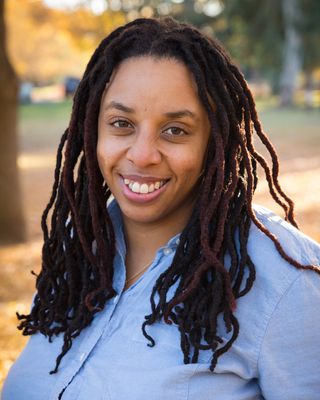
Eryn Reeder
Clinical Social Work/Therapist, LCSW
Verified Verified
1 Endorsed
Sacramento, CA 95816 (Online Only)
I provide services to individuals that are a part of the Autism Spectrum (however, I do not provide Autisms assessments).
You deserve to be seen, to be heard & to feel understood. I aim to support you in creating a safe space to explore your dreams, desires, wants, needs and challenges. I seek to co-create an empowering space for Black, POC, Queer and neurodivergent individuals. I come with deep understanding and empathy towards the unique challenges faced by those navigating intersections of race, gender, and sexual orientation. I am committed to providing compassionate and culturally competent care.
I provide services to individuals that are a part of the Autism Spectrum (however, I do not provide Autisms assessments).
You deserve to be seen, to be heard & to feel understood. I aim to support you in creating a safe space to explore your dreams, desires, wants, needs and challenges. I seek to co-create an empowering space for Black, POC, Queer and neurodivergent individuals. I come with deep understanding and empathy towards the unique challenges faced by those navigating intersections of race, gender, and sexual orientation. I am committed to providing compassionate and culturally competent care.

Manvel Ter-Pogosyan, BCBA, is the CEO of Aura Behavioral Health. Aura is a healthcare group founded and led by clinicians who share the goal of fostering hope for children and families impacted by autism and other developmental disabilities. We hold a firm belief that all clients are deserving of a better quality of life despite their cultural, developmental or socioeconomic background.
Manvel Ter-Pogosyan, BCBA, is the CEO of Aura Behavioral Health. Aura is a healthcare group founded and led by clinicians who share the goal of fostering hope for children and families impacted by autism and other developmental disabilities. We hold a firm belief that all clients are deserving of a better quality of life despite their cultural, developmental or socioeconomic background.
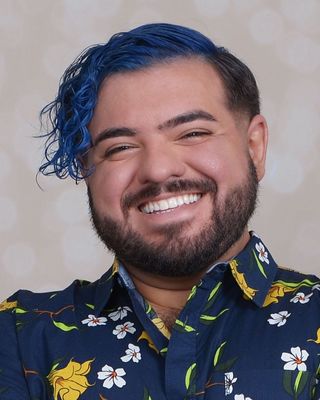
We know that it can be extremely challenging to find a clinician that is knowledgeable in both autism and mental health and we seek to fill that gap.
Noe is a queer, Latinx, neuro diverse, disability specialist and mental health therapist that focuses his treatment on working with individuals with autism and/or developmental disabilities. Clients of Noe typically have a hard time connecting to other therapist, have behavioral outbursts at home and/or school/work, strained relationships with others, can’t find a knowledgeable therapist in autism and or developmental disabilities, problems with regulating emotions and difficulty with coping with life's everyday stresses. Noe provides support with IEP's, IPP's, getting services, individual and group therapy and social skills groups.
We know that it can be extremely challenging to find a clinician that is knowledgeable in both autism and mental health and we seek to fill that gap.
Noe is a queer, Latinx, neuro diverse, disability specialist and mental health therapist that focuses his treatment on working with individuals with autism and/or developmental disabilities. Clients of Noe typically have a hard time connecting to other therapist, have behavioral outbursts at home and/or school/work, strained relationships with others, can’t find a knowledgeable therapist in autism and or developmental disabilities, problems with regulating emotions and difficulty with coping with life's everyday stresses. Noe provides support with IEP's, IPP's, getting services, individual and group therapy and social skills groups.
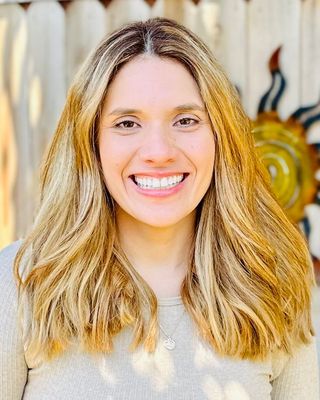
Leanne Azevedo
Marriage & Family Therapist, MA, LMFT, 97516
Verified Verified
1 Endorsed
Sacramento, CA 95816 (Online Only)
I LOVE TO WORK WITH: Adults, Anxiety & Mood Disorders, ADHD, Autism Spectrum Disorder, Relationship & Communication Difficulties, Life Adjustments & Life Purpose, Empaths & Highly Sensitive People.
My hope is that the safe and supportive environment I seek to create will be a place where you can openly process difficult thoughts, feelings, and experiences without judgment. When you work with me in therapy, I will assist you in finding the tools and skills needed to live your life more effectively. I know that the challenges you may be facing right now can feel really big and overwhelming and I am here to sit with you in your pain and to help you make positive changes in your life, in part by accessing the wisdom and strength you already hold within.
I LOVE TO WORK WITH: Adults, Anxiety & Mood Disorders, ADHD, Autism Spectrum Disorder, Relationship & Communication Difficulties, Life Adjustments & Life Purpose, Empaths & Highly Sensitive People.
My hope is that the safe and supportive environment I seek to create will be a place where you can openly process difficult thoughts, feelings, and experiences without judgment. When you work with me in therapy, I will assist you in finding the tools and skills needed to live your life more effectively. I know that the challenges you may be facing right now can feel really big and overwhelming and I am here to sit with you in your pain and to help you make positive changes in your life, in part by accessing the wisdom and strength you already hold within.
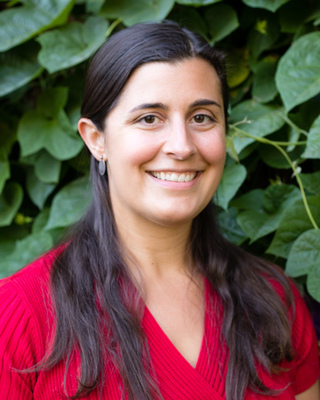
If you or your child has autism or developmental disabilities and have struggled to find supportive, high-quality services, please feel free to reach out.
Dr. Haleigh Scott is the owner of Ascend Diagnostic & Support Services, a multi-specialty group practice that provides services and supports for people with autism and/or developmental disabilities. We provide support across the lifespan, this includes early intervention (ABA therapy) for young children, IEP support for families, individual and group therapy, and social skills groups for a variety of ages. We operate from a strengths-based approach that seeks to improve individual and family quality of life.
If you or your child has autism or developmental disabilities and have struggled to find supportive, high-quality services, please feel free to reach out.
Dr. Haleigh Scott is the owner of Ascend Diagnostic & Support Services, a multi-specialty group practice that provides services and supports for people with autism and/or developmental disabilities. We provide support across the lifespan, this includes early intervention (ABA therapy) for young children, IEP support for families, individual and group therapy, and social skills groups for a variety of ages. We operate from a strengths-based approach that seeks to improve individual and family quality of life.
City of Trees also offers individual therapy for people with Autism or Intellectual Disability, however, our therapists are currently full.
City of Trees offers psychological assessment for children and teens. We offer comprehensive assessments for ADHD, Autism Spectrum Disorder, and Intellectual Disability. We also offer developmental assessments for children ages 2-5.
City of Trees also offers individual therapy for people with Autism or Intellectual Disability, however, our therapists are currently full.
City of Trees offers psychological assessment for children and teens. We offer comprehensive assessments for ADHD, Autism Spectrum Disorder, and Intellectual Disability. We also offer developmental assessments for children ages 2-5.
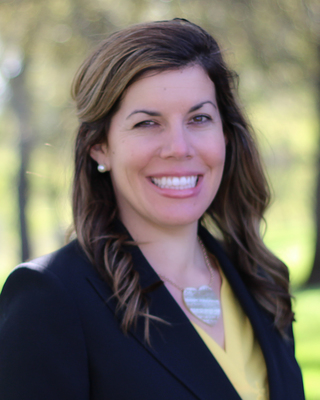
I specialize in providing evidence based interventions for children with anxiety, ADHD, and autism or any combination of those issues.
I have spent the last 15 years working as a school psychologist, adjunct professor, and contractor. I have served students from preschool to high school aged and worked in the full range of settings from public schools, charter schools, to non-public schools. I am a proud graduate of the University of California, Davis and California State University, Sacramento. In 2010, I obtained my License as an Educational Psychologist (LEP # 3165).
I specialize in providing evidence based interventions for children with anxiety, ADHD, and autism or any combination of those issues.
I have spent the last 15 years working as a school psychologist, adjunct professor, and contractor. I have served students from preschool to high school aged and worked in the full range of settings from public schools, charter schools, to non-public schools. I am a proud graduate of the University of California, Davis and California State University, Sacramento. In 2010, I obtained my License as an Educational Psychologist (LEP # 3165).

Early intervention is key when it comes to future outcomes for children with autism and other developmental disorders.
I am a BCBA specializing in pediatric behavior therapy services. I have a BA in Linguistics with a focus on atypical language development and a M Ed. in Educational Psychology for Multiple Severe Disabilities with a concentration in Autism Spectrum Disorders. I started my practice in 2015 in Atlanta, GA. I work with children and adolescents who have Autism and other developmental difference. My passion is helping children develop communication and language skills, functional/adaptive daily living skills and social skills and supporting parents and families of children with developmental disorders.
Early intervention is key when it comes to future outcomes for children with autism and other developmental disorders.
I am a BCBA specializing in pediatric behavior therapy services. I have a BA in Linguistics with a focus on atypical language development and a M Ed. in Educational Psychology for Multiple Severe Disabilities with a concentration in Autism Spectrum Disorders. I started my practice in 2015 in Atlanta, GA. I work with children and adolescents who have Autism and other developmental difference. My passion is helping children develop communication and language skills, functional/adaptive daily living skills and social skills and supporting parents and families of children with developmental disorders.
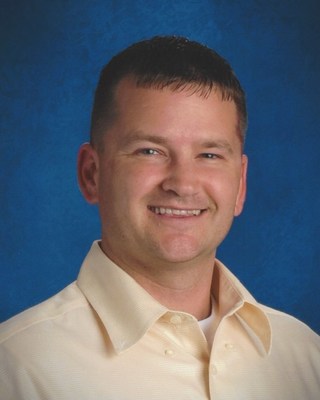
Reward Learning, LLC.
Licensed Educational Psychologist, MA, LEP, ABSNP
Verified Verified
Sacramento, CA 95841
Are you seeking answers about learning-related needs. A thorough evaluation is needed to accurately figure that out and to diagnose or "rule out" a Specific Learning Disorder (like dyslexia, dysgraphia, or dyscalculia), ADHD, Autism, or an Intellectual Disability. It will result in recommendations based on a client's unique learning profile. Some may seek testing for other reasons. For example, a college student who has a disability may be entitled to accommodations in school, and for exams. A comprehensive assessment is adapted to meet each person's needs. As a highly skilled Licensed Educational Psychologist, Reed can help.
Are you seeking answers about learning-related needs. A thorough evaluation is needed to accurately figure that out and to diagnose or "rule out" a Specific Learning Disorder (like dyslexia, dysgraphia, or dyscalculia), ADHD, Autism, or an Intellectual Disability. It will result in recommendations based on a client's unique learning profile. Some may seek testing for other reasons. For example, a college student who has a disability may be entitled to accommodations in school, and for exams. A comprehensive assessment is adapted to meet each person's needs. As a highly skilled Licensed Educational Psychologist, Reed can help.
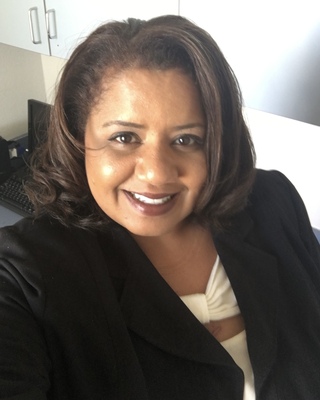
We at Applied Life Dynamics offer adult and child psychotherapy, psycho-educational/ psychological assessments, career assessment, social skill development for children to young adult with Autism or have other social skills or emotional deficits.
My desire is to work with you in developing the skills and tools necessary to navigate through the struggles you may face on the job, parenting children with or without disabilities, relationships, daily stressors, and helping children to learn the skills needed so they can thrive and develop at their highest potential. It first starts with self-growth, development, and to apply the life skills that are right for you. I am here to guide, council, coach, instruct, and provide assessment in the areas needed to assist in providing you with as much information and support needed to live a more peaceful life with better relationships.
We at Applied Life Dynamics offer adult and child psychotherapy, psycho-educational/ psychological assessments, career assessment, social skill development for children to young adult with Autism or have other social skills or emotional deficits.
My desire is to work with you in developing the skills and tools necessary to navigate through the struggles you may face on the job, parenting children with or without disabilities, relationships, daily stressors, and helping children to learn the skills needed so they can thrive and develop at their highest potential. It first starts with self-growth, development, and to apply the life skills that are right for you. I am here to guide, council, coach, instruct, and provide assessment in the areas needed to assist in providing you with as much information and support needed to live a more peaceful life with better relationships.
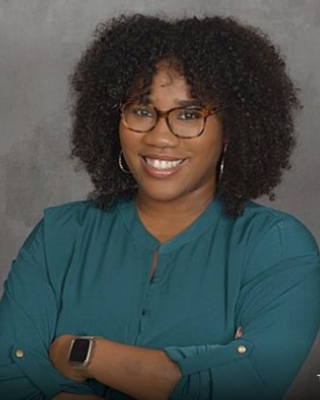
Tanisha Tatum
Licensed Educational Psychologist, MS, LEP, BCBA
Verified Verified
Sacramento, CA 94203 (Online Only)
Trained to work w/neurodiverse clients as well who have Autism, ADHD etc.
My clients teens and young adults who need help identifying and managing their mental health needs whether that is Anxiety, Depression, social problems, and/or adjusting to growing up. I provide therapy as well as psychoeducational assessment services. My assessments target neurodiverse abilities such as ADHD, Autism & learning disabilities. When relevant assessments include recommendations for accommodations for school and work. For my therapy practice, I used solution focused approaches as well as behavior based strategies, combining my skills to create a positive therapeutic experience. Virtual services only in FL and SC.
Trained to work w/neurodiverse clients as well who have Autism, ADHD etc.
My clients teens and young adults who need help identifying and managing their mental health needs whether that is Anxiety, Depression, social problems, and/or adjusting to growing up. I provide therapy as well as psychoeducational assessment services. My assessments target neurodiverse abilities such as ADHD, Autism & learning disabilities. When relevant assessments include recommendations for accommodations for school and work. For my therapy practice, I used solution focused approaches as well as behavior based strategies, combining my skills to create a positive therapeutic experience. Virtual services only in FL and SC.
15 Second Videos
Reward Learning, LLC.
Tanisha Tatum
Kristin Kaminski
Trisha D. Wallis
Meredith Holmes
Tai Finley
Brave Passages Affirming Therapy
Anna Rivett
John J Murphy
Janani Venkateswaran
Peter-Nam Hoang Dinh
Jennifer Lee Flood
Erin Leigh Carl
Laurie Beth Richardson
Gina Holden
Andrew R Smith
Eryn Katheryn Sparzo
Jess Quessenberry
Marcos Lumbang
Brian Crane
Shana Barber
Craig Rothhammer
Serenity Psychotherapy PLLC
Jennifer Baker
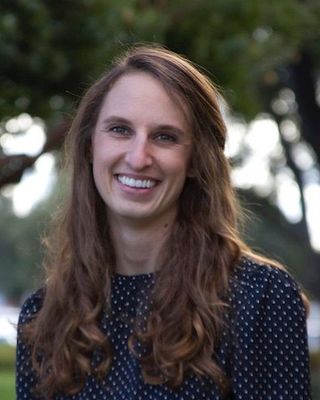
I welcome all types of families and children and while I specialize in working with children that have language, social, or developmental challenges, or concerns of autism.
Welcome! I am Dr. Lizzy Fuller, a behavioral therapist specializing in supporting parents and caregivers as they navigate the baby, toddler, and preschool years. These years are full of laughter, fun, and exciting milestones but they can also be riddled with challenges such as navigating sleep, sibling fights, feeding issues, and learning how to help your child develop communication, social skills, and emotion regulation skills.
I welcome all types of families and children and while I specialize in working with children that have language, social, or developmental challenges, or concerns of autism.
Welcome! I am Dr. Lizzy Fuller, a behavioral therapist specializing in supporting parents and caregivers as they navigate the baby, toddler, and preschool years. These years are full of laughter, fun, and exciting milestones but they can also be riddled with challenges such as navigating sleep, sibling fights, feeding issues, and learning how to help your child develop communication, social skills, and emotion regulation skills.
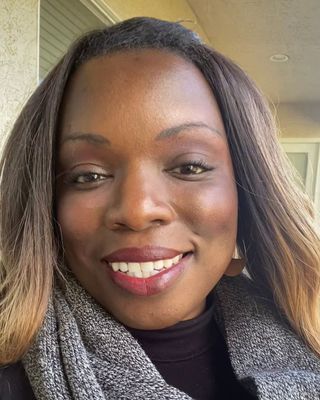
Candice Simpson-Lentz
Psychological Associate, MBA, MPsych, PA
Verified Verified
Sacramento, CA 95816 (Online Only)
I specialize in treating Anxiety, Depression, Autism Spectrum Disorder, Post Traumatic Stress Disorder, Bipolar disorder, Borderline Personality Disorder, Oppositional Defiant Disorder, Obsessive Compulsive Disorder, Narcissism, and Substance Abuse.
Hello, my name is Candice, and I am a supervised therapist by Dr. Di Lorenzo (www.drrosadilorenzo.com). I pride myself on empowering people to become their best in life. Suppose you are an adult facing challenging life issues, marital problems or complex past traumas. Maybe you are a minor having a hard time adjusting to life due to divorce, mental illness, or low self-esteem, or an older adult dealing with a change of life. I will highlight your strengths to equip you to deal with whatever life throws at you.
I specialize in treating Anxiety, Depression, Autism Spectrum Disorder, Post Traumatic Stress Disorder, Bipolar disorder, Borderline Personality Disorder, Oppositional Defiant Disorder, Obsessive Compulsive Disorder, Narcissism, and Substance Abuse.
Hello, my name is Candice, and I am a supervised therapist by Dr. Di Lorenzo (www.drrosadilorenzo.com). I pride myself on empowering people to become their best in life. Suppose you are an adult facing challenging life issues, marital problems or complex past traumas. Maybe you are a minor having a hard time adjusting to life due to divorce, mental illness, or low self-esteem, or an older adult dealing with a change of life. I will highlight your strengths to equip you to deal with whatever life throws at you.

Welcome! At this time I am accepting new clients for psychological testing ONLY. (If you have been referred for therapy by an existing client, or you are a former client, we may be able to make an exception). I provide psychological assessment in a few areas, including: Decision Making Capacity (such as ability to make financial or legal decisions), Bariatric Pre-Surgery (through a Health at Every Size lens), Autism, and Intellectual Ability (or disability). These assessments can help families and individuals answer important questions about their own or a loved one's abilities or readiness, and complete any needed paperwork.
Welcome! At this time I am accepting new clients for psychological testing ONLY. (If you have been referred for therapy by an existing client, or you are a former client, we may be able to make an exception). I provide psychological assessment in a few areas, including: Decision Making Capacity (such as ability to make financial or legal decisions), Bariatric Pre-Surgery (through a Health at Every Size lens), Autism, and Intellectual Ability (or disability). These assessments can help families and individuals answer important questions about their own or a loved one's abilities or readiness, and complete any needed paperwork.
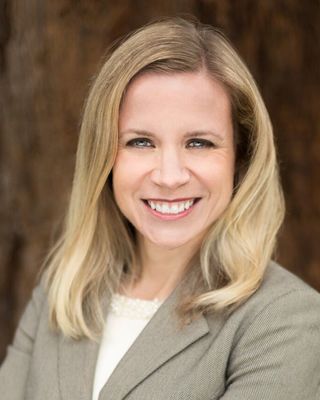
I conduct comprehensive assessments for ADHD, autism, learning disability and mood in kids and adults.
If your child struggles with peers, attention, school, or mood/ anxiety, I can provide a comprehensive neuropsychological assessment to help you learn what is going on and what next steps to take. This assessment answers questions related to concerns for ADHD, autism, learning disabilities, or medical conditions. The goal is to figure out how to best support your child! In some cases, your child may already have an IEP or 504, but you feel they are not getting all the support they need or you do not understand the results. In these cases, a comprehensive evaluation may help.
I conduct comprehensive assessments for ADHD, autism, learning disability and mood in kids and adults.
If your child struggles with peers, attention, school, or mood/ anxiety, I can provide a comprehensive neuropsychological assessment to help you learn what is going on and what next steps to take. This assessment answers questions related to concerns for ADHD, autism, learning disabilities, or medical conditions. The goal is to figure out how to best support your child! In some cases, your child may already have an IEP or 504, but you feel they are not getting all the support they need or you do not understand the results. In these cases, a comprehensive evaluation may help.
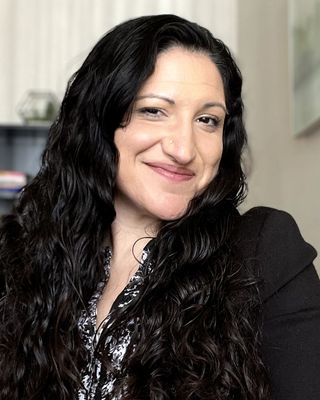
I specialize in treating Complex Trauma, Depression, ADHD, Anxiety, Autism Spectrum Disorder, Developmental Delays, relational disruptions and interpersonal difficulties, along with issues related to LGBTQIA+, and questions of gender and identity.
Life can be an overwhelming experience for anyone. Things can become especially challenging when a person feels stressed by circumstances beyond their control. Individuals who come to therapy are often very capable human beings who have experienced something in their life that has left them needing some extra support. Many times people begin therapy feeling down and lost. Through a person's work in therapy, they are often able to find some light on their path to help guide them through the pain. This shift creates an opportunity for a person to improve their day-to-day functioning and overall, they FEEL BETTER!!
I specialize in treating Complex Trauma, Depression, ADHD, Anxiety, Autism Spectrum Disorder, Developmental Delays, relational disruptions and interpersonal difficulties, along with issues related to LGBTQIA+, and questions of gender and identity.
Life can be an overwhelming experience for anyone. Things can become especially challenging when a person feels stressed by circumstances beyond their control. Individuals who come to therapy are often very capable human beings who have experienced something in their life that has left them needing some extra support. Many times people begin therapy feeling down and lost. Through a person's work in therapy, they are often able to find some light on their path to help guide them through the pain. This shift creates an opportunity for a person to improve their day-to-day functioning and overall, they FEEL BETTER!!

Our team is made up of professionals who are certified in analysis and registered as technicians bringing years of experience, in providing personalized ABA therapy for children with autism.
At Sacramento ABA Therapy, we're more than just a treatment center; we're a nurturing haven where every child's potential is recognized and cultivated. Our dynamic team, led by the incredibly passionate Liz Krulder Kumar, brings a wealth of experience and expertise to the table. Liz carries the torch as our Director, wielding a master's degree in psychology with a sharp focus on Behavioral Analysis from California State University, Fresno. Her commitment to early intervention is exceptional with a particular focus on children aged 3-18.
Our team is made up of professionals who are certified in analysis and registered as technicians bringing years of experience, in providing personalized ABA therapy for children with autism.
At Sacramento ABA Therapy, we're more than just a treatment center; we're a nurturing haven where every child's potential is recognized and cultivated. Our dynamic team, led by the incredibly passionate Liz Krulder Kumar, brings a wealth of experience and expertise to the table. Liz carries the torch as our Director, wielding a master's degree in psychology with a sharp focus on Behavioral Analysis from California State University, Fresno. Her commitment to early intervention is exceptional with a particular focus on children aged 3-18.
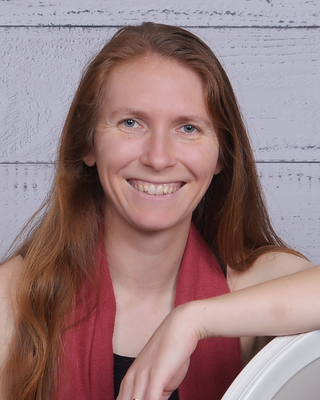
Gentle Therapy
Marriage & Family Therapist Associate, MA, R-DMT, AMFT
Verified Verified
Sacramento, CA 95816 (Online Only)
Waitlist for new clients
I have worked with anxiety, autism, cancer, cerebral palsy, chronic stress, dementia, depression, marital infidelity, and medicated schizophrenia.
Are you hurting? Feeling broken? Unhealthy relationships with friends, family, finances, and even yourself can result in addiction, anxiety, depression, loneliness, physical pain, and trauma. It hurts. You can heal. Let's talk about, move toward, and play around acceptance, compassion, intimacy, joy, kindness, love, and peace. These ways of being are available to you!
I have worked with anxiety, autism, cancer, cerebral palsy, chronic stress, dementia, depression, marital infidelity, and medicated schizophrenia.
Are you hurting? Feeling broken? Unhealthy relationships with friends, family, finances, and even yourself can result in addiction, anxiety, depression, loneliness, physical pain, and trauma. It hurts. You can heal. Let's talk about, move toward, and play around acceptance, compassion, intimacy, joy, kindness, love, and peace. These ways of being are available to you!
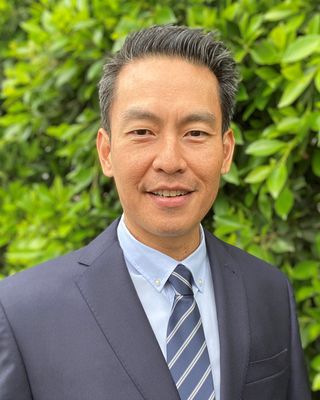
Psychological Testing & Evaluations - Dr. Dean
Psychologist, PsyD, QME, Author
Verified Verified
Sacramento, CA 95814
I'm Dr. Dean Leav, licensed psychologist and qualified medical evaluator (QME). I've been featured on ABC, NBC, KCAL, and other programs as an expert psychologist. I provide Evaluation Services, including (and not limited to): diagnostics (ADHD, Autism, Learning Dis.), cognitive/neuropsychological evaluations, workers' compensation (QME/AME), immigration-related evaluations, pre-adoption psychological evaluations, parenting/bonding assessments, drug & alcohol evaluations, pre-employment evaluations, and legal/forensics/criminal evaluations. These evaluations may be used to meet eligibility for certain services or accommodations.
I'm Dr. Dean Leav, licensed psychologist and qualified medical evaluator (QME). I've been featured on ABC, NBC, KCAL, and other programs as an expert psychologist. I provide Evaluation Services, including (and not limited to): diagnostics (ADHD, Autism, Learning Dis.), cognitive/neuropsychological evaluations, workers' compensation (QME/AME), immigration-related evaluations, pre-adoption psychological evaluations, parenting/bonding assessments, drug & alcohol evaluations, pre-employment evaluations, and legal/forensics/criminal evaluations. These evaluations may be used to meet eligibility for certain services or accommodations.
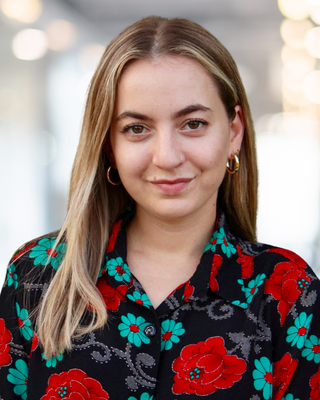
Maayan Bick | Individual + Relational Therapist
Marriage & Family Therapist, MA, LMFT, EMDR
Verified Verified
11 Endorsed
Sacramento, CA 95816
I am passionate about helping deep feelers and thinkers (from children to adults) live a life of meaning and fulfillment by: learning strategies on how to manage emotions, cope with existential dread, navigate changing relational roles and identities, and build resiliency during times of uncertainty, transition, and stress. My empathetic nature plays a role in my therapeutic style. I collaboratively work with those who experience emotional instability due to to anxiety, depression, ADHD, Autism, attachment injuries, heartbreak, CPTSD, and grief.
I am passionate about helping deep feelers and thinkers (from children to adults) live a life of meaning and fulfillment by: learning strategies on how to manage emotions, cope with existential dread, navigate changing relational roles and identities, and build resiliency during times of uncertainty, transition, and stress. My empathetic nature plays a role in my therapeutic style. I collaboratively work with those who experience emotional instability due to to anxiety, depression, ADHD, Autism, attachment injuries, heartbreak, CPTSD, and grief.
See more therapy options for Sacramento


Nearby Autism Therapists Searches for Sacramento
- Carmichael
- Citrus Heights
- Davis
- Elk Grove
- Fair Oaks
- Folsom
- Gold River
- Orangevale
- Rancho Cordova
- Roseville
- West Sacramento
- Woodland
Autism Therapists
What is the most effective treatment for autism?
Applied Behavior Analysis (ABA) has come to be considered the standard treatment for children with autism spectrum disorder, and research has confirmed its effectiveness for many children. Therapists trained in ABA techniques work with children (and their parents) on developing social skills, communication and learning abilities, and everyday habits of hygiene and grooming. The clinician will tailor their program to the child’s particular need but the overarching goal will be to help them advance as far as possible toward independence based on their level of symptoms and decrease the need for additional special services. Families should seek a mental health professional specifically trained in ABA, and holding special certification in the technique, who has extensive experience not only with the approach but in using it with children with the same level of symptoms as the child who needs care.
How does ABA work?
Applied Behavior Analysis (ABA) sessions, which typically focus on positive reinforcement, can be intensive, lasting two or more hours several times a week, and continuing for two years or more. Therapists can also be expected to ask parents to take an active role in reinforcing lessons. Research has found that the technique can lead to major improvements that decrease the need for additional special services.
How does treatment for autism work?
Therapy sessions based on Applied Behavior Analysis will likely be frequent, intensive, and highly structured. After a thorough assessment, a therapist will help a child understand and develop skills in a range of areas, including communication, motor skills, social skills, self-care, play, and academic skills, as well as routines of daily living like hygiene. Typically, the therapist will help a child break down the components of a behavior—often referred to as the antecedent (what prompts an action), the behavior, and the consequence(what immediately follows)—and then reward the child at every step, while also asking parents to reinforce the lessons, and the rewards, throughout the day. This core therapy may be supplemented by occupational or speech therapy, and antidepressants, antipsychotics, and anticonvulsants may be prescribed to address specific severe symptoms.
How long does therapy for autism take?
Some people with autism spectrum disorder may be engaged in some level of therapy for many years, but research shows that treatment will be most effective if it is begun early and delivered intensively. When therapy begins by age 3, children tend to be better able to grasp and adopt the skills needed to manage everyday life, including attending school and establishing social relationships. This type of early-intervention treatment regimen is highly structured, typically involving 20 to 40 hours of one-on-one therapy per week, along with additional hours of engagement managed by parents, for a period of two years or more, although the duration of treatment is dependent on the child’s level of symptoms and pace of progress.