Parent Support Group 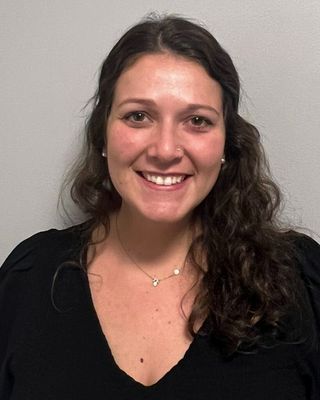
Our Parent Support Group aims to provide a safe community for parents. You've taken the first step and have connected your child to a mental health professional- what's next? Surrounding yourself with other parents experiencing similar situations and feelings! Group ...
Hosted by Samantha Garrison
Licensed Professional Counselor, MA, LPC, NCC
Verified Verified
Group meets in Malvern, PA 19355
Our Parent Support Group aims to provide a safe community for parents. You've taken the first step and have connected your child to a mental health professional- what's next? Surrounding yourself with other parents experiencing similar situations and feelings! Group ...
CBT Strategies for Anxiety 
Do you struggle with negative thinking spirals? Cognitive Behavioral Therapy is a proven method to assist with broken cycles of thinking that lead to anxious episodes and panic. With this 3 session psychoeducational group - learn proven strategies you can ...
Hosted by Katie Couch
Licensed Professional Counselor, M ED, LPC, NCC
Verified Verified
Group meets in Pittsburgh, PA 15241
Do you struggle with negative thinking spirals? Cognitive Behavioral Therapy is a proven method to assist with broken cycles of thinking that lead to anxious episodes and panic. With this 3 session psychoeducational group - learn proven strategies you can ...
Support Group for Anxiety Sufferers 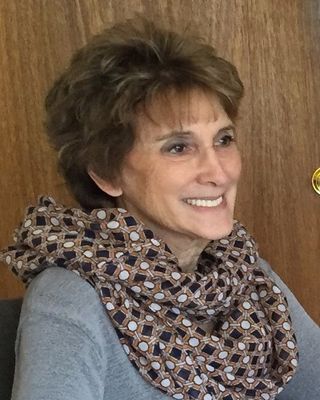
This free group is informal in nature and appropriate for people experiencing panic disorder and other anxiety issues. It provides an opportunity for discussion and support among participants and is most helpful when used as an adjunct to individual therapy, ...
Hosted by Dr. Linda Welsh, Anxiety & Agoraphobia Treatment
Psychologist
Verified Verified
Group meets in Bala Cynwyd, PA 19004
This free group is informal in nature and appropriate for people experiencing panic disorder and other anxiety issues. It provides an opportunity for discussion and support among participants and is most helpful when used as an adjunct to individual therapy, ...
Telephone group-Women getting Divorced 
In this 6 week session, we will identify practical ways to help you get through this difficult time. Stress reduction techniques, ways to take care of yourself, and health/ wellness concerns in addition to the other concerns will be addressed.The ...
Hosted by Patty Davis
Clinical Social Work/Therapist, MSW, LCSW
Verified Verified
Group meets in Philadelphia, PA 19119
In this 6 week session, we will identify practical ways to help you get through this difficult time. Stress reduction techniques, ways to take care of yourself, and health/ wellness concerns in addition to the other concerns will be addressed.The ...
Survivng and Thriving After the Diagnosis 
This group for parents of children on the autistic spectrum can help you to explore the impact of your child's symptoms on your life and your other relationships.
This group can help you:
Learn to cope with everyday challenges,
prioritize conflicting ...
Hosted by Sonia Voynow
Clinical Social Work/Therapist, LCSW
Verified Verified
Group meets in Narberth, PA 19072
This group for parents of children on the autistic spectrum can help you to explore the impact of your child's symptoms on your life and your other relationships.
This group can help you:
Learn to cope with everyday challenges,
prioritize conflicting ...
Art Therapy Group 
Let’s create and grow together! I offer a space to utilize creativity to explore and express one’s issues. The group can offer additional support and connection that can enhance the therapeutic process.
Hosted by Desiree A. Sanders
Licensed Professional Counselor, MA, LPC, ATR-BC
Verified Verified
Group meets in Langhorne, PA 19047
Let’s create and grow together! I offer a space to utilize creativity to explore and express one’s issues. The group can offer additional support and connection that can enhance the therapeutic process.
Camp Girl Power 
Camp Girl Power is an empowerment camp for incoming 4th-6th grade girls. Our 2023 Session will be 6/26-6/30 from 9 AM-3 PM (Fee: $360) at Peace Valley Park. Topics covered include: self-esteem, self-identity, self-care, healthy relationships, leadership, and team building. ...
Camp Girl Power is an empowerment camp for incoming 4th-6th grade girls. Our 2023 Session will be 6/26-6/30 from 9 AM-3 PM (Fee: $360) at Peace Valley Park. Topics covered include: self-esteem, self-identity, self-care, healthy relationships, leadership, and team building. ...
Mind Body Intelligence 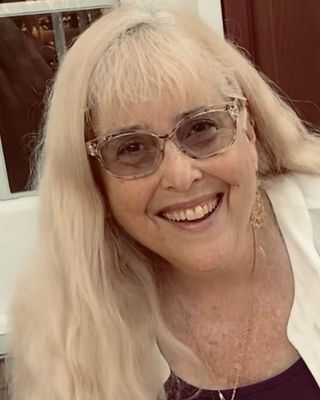
FIND THE CALM IN YOUR STORM-Mind Body Intelligence®
Learn how to use mindfulness meditation and compassion to relieve stress and anxiety. Participants report feeling happier and healthier. Meditation, Qigong and Gratefulness practices reduce suffering and provide new insights into our lives. ...
FIND THE CALM IN YOUR STORM-Mind Body Intelligence®
Learn how to use mindfulness meditation and compassion to relieve stress and anxiety. Participants report feeling happier and healthier. Meditation, Qigong and Gratefulness practices reduce suffering and provide new insights into our lives. ...
Special Needs Parent Group- Fall 2023 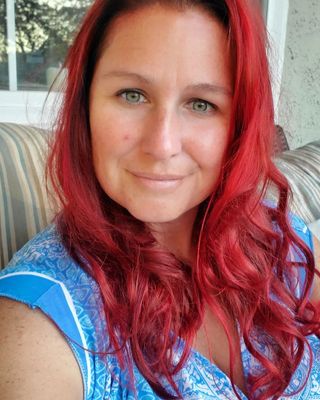
Information and Support Group-- Too often parents feel that they are outsiders to a very technical, specialized, and foreign world. This is comprised of specialists, procedures and interventions that do not always value their child or their role as parents. ...
Hosted by Kelly Pohlig
Pre-Licensed Professional, MS, NCC
Verified Verified
Group meets in Philadelphia, PA 19103
Information and Support Group-- Too often parents feel that they are outsiders to a very technical, specialized, and foreign world. This is comprised of specialists, procedures and interventions that do not always value their child or their role as parents. ...
Women In Transition 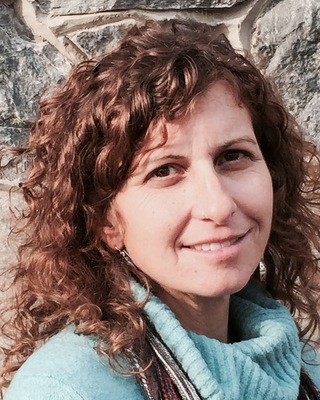
Women in Transition is a group dedicated to the issues the women in the group are struggling with at this point in their lives. Often it focuses on finding individual power, enhancing personal and professional relationships, and creating a more ...
Hosted by Kim Saft
Clinical Social Work/Therapist, PhD, LCSW
Verified Verified
Group meets in Pittsburgh, PA 15217
Women in Transition is a group dedicated to the issues the women in the group are struggling with at this point in their lives. Often it focuses on finding individual power, enhancing personal and professional relationships, and creating a more ...
Hospitable Fare 
Hospitable Fare is designed for clients who are receiving therapy from my office. Eating group members should have been in outpatient eating disorder care and suffer from anorexia nervosa, bulimia, binge eating, and restricting. Clients currently in counseling may also ...
Hosted by Suzanne I Eyer
Licensed Professional Counselor, MA, MSEd, NCC, LPC
Verified Verified
Group meets in Chambersburg, PA 17201
Hospitable Fare is designed for clients who are receiving therapy from my office. Eating group members should have been in outpatient eating disorder care and suffer from anorexia nervosa, bulimia, binge eating, and restricting. Clients currently in counseling may also ...
Young Adult LGBTQ+ 
Are you part of the LGBTQIA+ community? Are you struggling with feelings of isolation, anxiety, sadness, poor-self esteem, or difficulty with identity formation? Then you are welcome to this group! The purpose of this group is to help you by ...
Hosted by Veronica Temons
Licensed Professional Counselor, MA, NCC, LPC
Verified Verified
Group meets in Fort Washington, PA 19034
Are you part of the LGBTQIA+ community? Are you struggling with feelings of isolation, anxiety, sadness, poor-self esteem, or difficulty with identity formation? Then you are welcome to this group! The purpose of this group is to help you by ...
Choices Clinical Counseling 
Choices provides innovative outpatient counseling services to individuals who are ready to get better and stay better. Our counselors are results oriented and will tailor counseling sessions to achieve maximum impact. We are here when you need us, and your ...
Hosted by Choices Clinical Counseling
Licensed Professional Counselor, LPC
Verified Verified
Group meets in Greensburg, PA 15601
Choices provides innovative outpatient counseling services to individuals who are ready to get better and stay better. Our counselors are results oriented and will tailor counseling sessions to achieve maximum impact. We are here when you need us, and your ...
Recharge, Recover, Refuel - Mind, Body, Soul 
Being with like-minded people in a SAFE & CONFIDENTIAL setting provides the opportunity to get Vulnerable and share in our struggles. Now, more than ever, we need to break through the feelings of isolation & anxiety and tap back into ...
Hosted by Serenity Hill Counseling and Wellness LLC
Licensed Professional Counselor, MA, LPC, NCC
Verified Verified
Group meets in Connellsville, PA 15425
Being with like-minded people in a SAFE & CONFIDENTIAL setting provides the opportunity to get Vulnerable and share in our struggles. Now, more than ever, we need to break through the feelings of isolation & anxiety and tap back into ...
Eating Disorder Group For Women 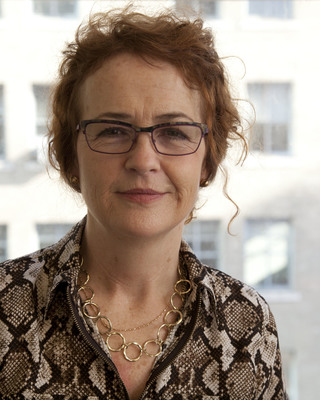
The aim of the group is to understand the meaning of the eating disorder and how it is expressed in relation with other members in the group, and to each individual. The group talks about all concerns, body image issues, ...
Hosted by Deborah Reeves
Licensed Professional Counselor, MGPP, BCPC, DAPA, CGP
Verified Verified
Group meets in Philadelphia, PA 19102
The aim of the group is to understand the meaning of the eating disorder and how it is expressed in relation with other members in the group, and to each individual. The group talks about all concerns, body image issues, ...
Virtual Dungeons and Dragons (D&D) Therapy Group 
This 4-person group uses the tabletop roleplaying game (ttrpg) Dungeons & Dragons to work on therapeutic goals. Therapeutic D&D uses a mix of evidence-based Adlerian play therapy and the concept of roleplay in therapy to help clients process some of ...
Hosted by Personal Odyssey Counseling Services, LLC
Counselor, MS, NCC, CTP
Verified Verified
Group meets in Erie, PA 16502
This 4-person group uses the tabletop roleplaying game (ttrpg) Dungeons & Dragons to work on therapeutic goals. Therapeutic D&D uses a mix of evidence-based Adlerian play therapy and the concept of roleplay in therapy to help clients process some of ...
LGBTQ+ Youth Art Wellness & Chat 'n' Chill 
Through the generous sponsorship of the Greater Erie Alliance for Equality, Journey offers an in-person or virtual monthly art wellness activity. There is a Chat 'n' Chill monthly meeting as well. LGBTQ+ youth ages 12-18 are welcome and must register ...
Hosted by William J Koehler
Clinical Social Work/Therapist, PhD, LCSW
Verified Verified
Group meets in Erie, PA 16505
Through the generous sponsorship of the Greater Erie Alliance for Equality, Journey offers an in-person or virtual monthly art wellness activity. There is a Chat 'n' Chill monthly meeting as well. LGBTQ+ youth ages 12-18 are welcome and must register ...
Evolve Professional Counseling Services 
We believe connection is key to feeling supported and the pathway to healing. That's why we have taken steps to ensure our connection with you is our top priority. We have joined together our unique and diverse strengths to help ...
Hosted by Tiffany Alvarez
Licensed Professional Counselor, MA, LPC
Verified Verified
Group meets in Edinboro, PA 16412
We believe connection is key to feeling supported and the pathway to healing. That's why we have taken steps to ensure our connection with you is our top priority. We have joined together our unique and diverse strengths to help ...
Substance Use Disorder IOP 
Committed to helping persons struggling with substance abuse transition back to their normal routine while steering clear of substances that have negatively impacted their lives. Clients learn how to identify their triggers to help them hope and challenges in their ...
Hosted by Pat Brown
Clinical Social Work/Therapist, LCSW
Verified Verified
Group meets in Collegeville, PA 19426
Committed to helping persons struggling with substance abuse transition back to their normal routine while steering clear of substances that have negatively impacted their lives. Clients learn how to identify their triggers to help them hope and challenges in their ...
Girls Confidence Building Therapy Group Ages 11-13 
This girls group works on building interpersonal skills while exploring topics such as building confidence and Self esteem, coping with worry and anxiety, handling academic stressors, regulating emotions, navigating friendships, and working through family changes. Through this group forum, participants ...
Hosted by GMD Counseling, LLC
Pre-Licensed Professional, CSC, MSEd, MEd
Verified Verified
Group meets in Newtown, PA 18940
This girls group works on building interpersonal skills while exploring topics such as building confidence and Self esteem, coping with worry and anxiety, handling academic stressors, regulating emotions, navigating friendships, and working through family changes. Through this group forum, participants ...
See more therapy options for Pennsylvania


FAQs - About Group Therapy and Support Groups
How can I find a support group in Pennsylvania?
Search for nearby support groups by inputting your city, zip code, or the name of the group into the search bar. From there, you can filter to find a group that suits your needs, whether you are looking for support for a teenager, a group that focuses on a specific issue, such as depression, or a particular program type, such as one geared toward developing social skills. To navigate between locations within the same country, enter a new city or zip code into the search bar.
How does group therapy work?
Therapy groups are led by one or more therapists and serve to help people process their experiences and learn from others who understand their challenges firsthand. They can be based on a specific issue, such as addiction, grief, physical illnesses, parenting, and caregiving. They can involve a specific type of program or therapy, such as a social skills group or CBT group. They can also be specific to a particular population or community, such as teens or LGBTQ.
Support groups, like Alcoholics Anonymous, also focus on a specific issue, but are typically led by members with lived experiences and are less structured than therapy groups. Most therapy groups will meet for a fixed length of time with a consistent group of members, while many support groups meet for an indefinite period of time with members coming and going.
Support groups, like Alcoholics Anonymous, also focus on a specific issue, but are typically led by members with lived experiences and are less structured than therapy groups. Most therapy groups will meet for a fixed length of time with a consistent group of members, while many support groups meet for an indefinite period of time with members coming and going.
What are the benefits of group therapy?
Support groups help connect people with shared challenges or physical and mental health conditions. In a group setting, participants can receive support and feedback from peers and can acquire new skills, strategies and perspectives by listening to one another. Discussing your experience with someone who also has a cancer diagnosis, or whose son also struggles with addiction, for example, can help you feel less alone, reduce distress, find empathy and connection, and learn practical or medical information that has helped others. Group therapy can also be a more affordable option than individual therapy and just as effective.
Is group therapy as effective as individual therapy?
Support groups can be deeply valuable for both emotional support and/or treatment outcomes. It’s difficult to make a blanket statement on efficacy due to the many different types of support groups and conditions treated, but group therapy has been found to be just as effective as individual therapy in establishing long-term abstinence for conditions such as substance abuse, addiction and alcohol abuse.
How much does group therapy cost?
Group counseling is typically less expensive than individual counseling, with each session costing on average between $60 to $75. Meanwhile, individual therapy sessions can run anywhere from $100 to $200 and up, even after insurance. It is possible to find low-cost group therapy options and many therapists offer group sessions free of charge.
Does insurance cover group therapy?
As with individual therapy, many insurance companies do offer coverage for group therapy sessions. However, the coverage varies based on your insurance plan details and whether you choose an in-network or out-of-network mental healthcare provider. Individuals are encouraged to check with their insurance providers to verify coverage.
How long does group therapy last?
The length of a support group session is often one hour but can fall anywhere between 45 minutes and two hours. The amount of time that people remain in a support group varies based on their specific needs and goals and the type of therapy. Some individuals may seek a shorter-term group, such as a bereavement group, that may last between six and 20 weeks. Some may seek a longer-term group that lasts for a year or indefinitely.
What are the limitations of support groups?
Support groups have many benefits, but there are a few limitations as well. Support groups do not constitute formal therapeutic or medical treatment, and are not run by licensed mental health professionals, so some people may opt for group therapy or individual therapy instead. Additionally, support groups can depend on the other participants, so a disruptive individual has the potential to mar the group dynamic, and the anecdotal information shared may sometimes be unhelpful or inaccurate. Because it is a group setting, confidentiality can be more difficult to guard and participants receive less personalized attention than they would in an individual therapy session.