Support Groups in Albany, NY
Guiding Steps Psychotherapy, PLLC provides counseling to adolescents, adults, couples, and families. We specialize in treating trauma that comes from adverse childhood experiences and other circumstances which disrupt individuals' ability to maintain healthful social connections. The circumstances that cause trauma ...
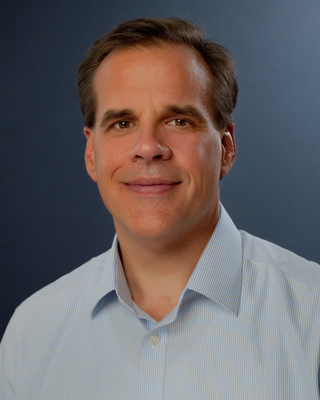
Hosted by Andrew Xavier Feeney
Counselor, MA, LMHC
Verified Verified
Group meets in Albany, NY 12205
Guiding Steps Psychotherapy, PLLC provides counseling to adolescents, adults, couples, and families. We specialize in treating trauma that comes from adverse childhood experiences and other circumstances which disrupt individuals' ability to maintain healthful social connections. The circumstances that cause trauma ...
Recovery from substance use is a difficult process. Recovering as a queer person can be more challenging. This is an open therapy group for LGBTQIA+ individuals who are on their recovery journey and are looking for support and guidance from ...

Hosted by Prism Counseling & Advocacy
PhD, LMFT, LMSW, CASAC
Verified Verified
Group meets in Albany, NY 12206
Recovery from substance use is a difficult process. Recovering as a queer person can be more challenging. This is an open therapy group for LGBTQIA+ individuals who are on their recovery journey and are looking for support and guidance from ...
12 Week, trauma informed, court approved, evidence based program, designed to teach participants how to identify their triggers, develop healthy behaviors, build empathy and effectively manage conflict long term.

Hosted by New Day Intervention Strategies, LLC
Clinical Social Work/Therapist, LCSW-R, CAMSII
Verified Verified
Group meets in Albany, NY 12206
12 Week, trauma informed, court approved, evidence based program, designed to teach participants how to identify their triggers, develop healthy behaviors, build empathy and effectively manage conflict long term.
This is a 10 week group offered on zoom as well as in person on Fridays 12-1 pm. This group will help you get to the root of your anger and learn skills to feel calmer, be more assertive and ...
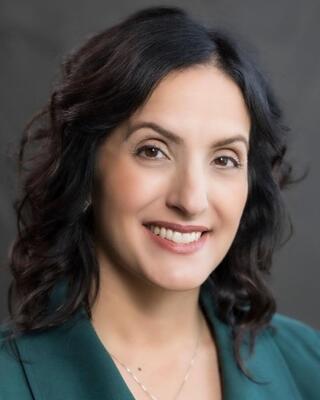
Hosted by Jamie Coscia
Clinical Social Work/Therapist, LCSW-R, ACC
Verified Verified
Group meets in Albany, NY 12203
This is a 10 week group offered on zoom as well as in person on Fridays 12-1 pm. This group will help you get to the root of your anger and learn skills to feel calmer, be more assertive and ...
An Art Therapy group for adults living with epilepsy. Contact the Epilepsy Foundation for more information: 456-7501
Hosted by Heather Hutchison
Art Therapist, MA, LCAT, ATR-BC
Verified Verified
Group meets in Albany, NY 12206
An Art Therapy group for adults living with epilepsy. Contact the Epilepsy Foundation for more information: 456-7501
This group is for women who are experiencing emotional difficulies after terminating a pregnancy. Issues of grief,loss, and PTSD symptoms are taught and discussed. Other topics of importance to group members are covered as well. Group is educational, therapeutic, and ...

Hosted by Laura M Connell
Counselor, MA, LMHC
Verified Verified
Group meets in Albany, NY 12205
This group is for women who are experiencing emotional difficulies after terminating a pregnancy. Issues of grief,loss, and PTSD symptoms are taught and discussed. Other topics of importance to group members are covered as well. Group is educational, therapeutic, and ...
Improve your quality of life, maintain safety, and prevent emotional crisis through education and skill building. In this six week open ended program clients receive: comprehensive list of community resources, an individualized personal wellness plan and a strength based crisis ...
Hosted by Pinnacle Behavioral Health IPA, LLC
Treatment Center
Verified Verified
Group meets in Albany, NY 12203
Improve your quality of life, maintain safety, and prevent emotional crisis through education and skill building. In this six week open ended program clients receive: comprehensive list of community resources, an individualized personal wellness plan and a strength based crisis ...
An in-person men's group for non-offending individuals who are seeking to heal from the emotional scars of childhood sexual, physical & emotional abuse is held every other Monday. Meeting in a safe and encouraging environment, we will explore the complex ...
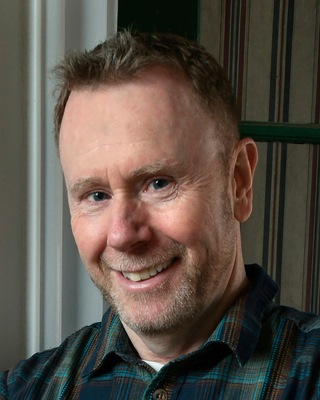
Hosted by Tom D Smith
Counselor, LMHC
Verified Verified
Group meets in Albany, NY 12203
An in-person men's group for non-offending individuals who are seeking to heal from the emotional scars of childhood sexual, physical & emotional abuse is held every other Monday. Meeting in a safe and encouraging environment, we will explore the complex ...
For treatment of male domestic violence perpetrators.
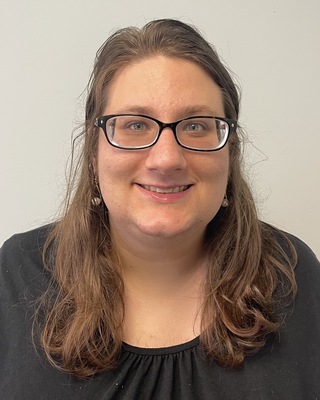
Hosted by Amy Daisak
Counselor, LMHC
Verified Verified
Group meets in Albany, NY 12207
For treatment of male domestic violence perpetrators.
The purpose of the group is to create a private space for individuals dealing with issues related to their sexual orientation and gender identity. Group members will be encouraged and welcome to talk about the issues and concerns they are ...
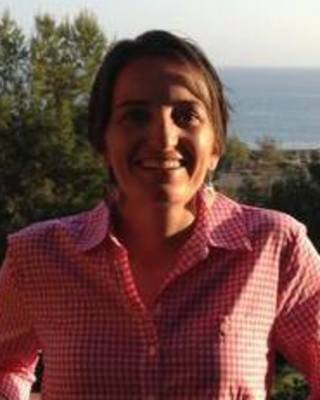
Hosted by Sarah Nolan
Psychologist, PhD
Verified Verified
Group meets in Albany, NY 12205
The purpose of the group is to create a private space for individuals dealing with issues related to their sexual orientation and gender identity. Group members will be encouraged and welcome to talk about the issues and concerns they are ...
This group is for anyone who has experience with navigating polyamorous relationship/s of any kind. Whether you're new to these practices or have been doing polyam for ages, you're welcome in this (virtual) space and likely to discover something new! ...
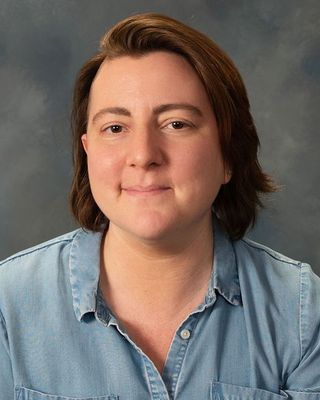
Hosted by Sophia DeVito
Master Social Work, LMSW
Verified Verified
Group meets in Albany, NY 12208
This group is for anyone who has experience with navigating polyamorous relationship/s of any kind. Whether you're new to these practices or have been doing polyam for ages, you're welcome in this (virtual) space and likely to discover something new! ...
This group fosters an inclusive environment and is Diverse by Gender, Orientation, Religion, and Race. We meet weekly on Tuesdays from 5:15 pm to 6 pm. All members promise to respect and honor one another boundaries and privacy. Topics covered ...
Hosted by Michelle Williams
Licensed Master Social Worker, LMSW
Verified Verified
Group meets in Albany, NY 12205
This group fosters an inclusive environment and is Diverse by Gender, Orientation, Religion, and Race. We meet weekly on Tuesdays from 5:15 pm to 6 pm. All members promise to respect and honor one another boundaries and privacy. Topics covered ...
**New Group Starting this Fall** Do you have difficulty with the transition to Fall and Winter? Find ways to improve your mood and support others. Meetings held virtually Wednesdays 12-1pm Insurances Accepted: CDPHP, UHC, AETNA, Oxford, Self Pay Options Available

Hosted by Cayla Cahoon
Mental Health Counselor, LMHC
Verified Verified
Group meets in Albany, NY 12208
**New Group Starting this Fall** Do you have difficulty with the transition to Fall and Winter? Find ways to improve your mood and support others. Meetings held virtually Wednesdays 12-1pm Insurances Accepted: CDPHP, UHC, AETNA, Oxford, Self Pay Options Available
For those who have trouble letting go and forgiving...who are more interested in being right or in winning than in resolving the problem or issue.
Hosted by Jonathan Bruce Riven
Counselor, MA, LMHC
Verified Verified
Group meets in Albany, NY 12208
For those who have trouble letting go and forgiving...who are more interested in being right or in winning than in resolving the problem or issue.
A 3 day intensive workshop (based on the treatment model developed my Pia Mellody called Survivors) that investigates the origin of adult dysfunctional behaviors. In this revolutionary educational and experiential process, participants learn to identify and address those early childhood ...
Hosted by Kim Ploussard
Counselor, LMHC, SEP, DARTT
Verified Verified
Group meets in Albany, NY 12203
A 3 day intensive workshop (based on the treatment model developed my Pia Mellody called Survivors) that investigates the origin of adult dysfunctional behaviors. In this revolutionary educational and experiential process, participants learn to identify and address those early childhood ...
This is a six week long counseling group designed to help those who struggle with anxiety. Members will be introduced to discuss healthy coping strategies to learning how to thrive, not just survive during COVID-19. As a result of participation ...
Hosted by Wendy Connelly
Counselor, LMHC
Verified Verified
Group meets in Albany, NY 12208
This is a six week long counseling group designed to help those who struggle with anxiety. Members will be introduced to discuss healthy coping strategies to learning how to thrive, not just survive during COVID-19. As a result of participation ...
Life with a narcissist is nightmarish. Classic signs are grandiosity, lack of empathy, an inflated sense of one’s own importance and an obsession with control. Dreams that the narcissist can change is akin to the statue of liberty rising and ...
Hosted by Barbara L Freedman
Clinical Social Work/Therapist, MSW, LCSW
Verified Verified
Group meets in Albany, NY 12205
Life with a narcissist is nightmarish. Classic signs are grandiosity, lack of empathy, an inflated sense of one’s own importance and an obsession with control. Dreams that the narcissist can change is akin to the statue of liberty rising and ...
We provide mindfulness instruction for people engaged in our programming. Both online and in-person.

Hosted by Wounded Healers Institute
PhD
Verified Verified
Group meets in Albany, NY 12210
We provide mindfulness instruction for people engaged in our programming. Both online and in-person.
Join a warm & supportive group to reduce the shame & isolation associated with OCD. The group will cover OCD myths & review skills to help you tolerate discomfort plus receive the group's encouragement to reduce rituals. Group appropriate for ...
Hosted by Tom D Smith
Counselor, LMHC
Verified Verified
Group meets in Albany, NY 12203
Join a warm & supportive group to reduce the shame & isolation associated with OCD. The group will cover OCD myths & review skills to help you tolerate discomfort plus receive the group's encouragement to reduce rituals. Group appropriate for ...
A group dedicated to support for people affected by cancer. I have experience working in a cancer care center and have helped hundreds of patients and their loved ones through cancer treatment and beyond! I am knowledgeable in several kinds ...
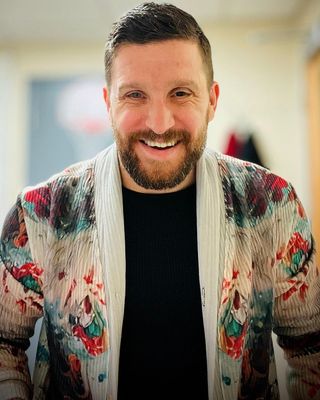
Hosted by Joshua McCormick
Clinical Social Work/Therapist, LCSW
Verified Verified
Group meets in Albany, NY 12205
A group dedicated to support for people affected by cancer. I have experience working in a cancer care center and have helped hundreds of patients and their loved ones through cancer treatment and beyond! I am knowledgeable in several kinds ...
See more therapy options for Albany


Nearby Searches for Albany
See More Support GroupsFAQs - About Group Therapy and Support Groups
How can I find a support group in Albany?
Search for nearby support groups by inputting your city, zip code, or the name of the group into the search bar. From there, you can filter to find a group that suits your needs, whether you are looking for support for a teenager, a group that focuses on a specific issue, such as depression, or a particular program type, such as one geared toward developing social skills. To navigate between locations within the same country, enter a new city or zip code into the search bar.
How does group therapy work?
Therapy groups are led by one or more therapists and serve to help people process their experiences and learn from others who understand their challenges firsthand. They can be based on a specific issue, such as addiction, grief, physical illnesses, parenting, and caregiving. They can involve a specific type of program or therapy, such as a social skills group or CBT group. They can also be specific to a particular population or community, such as teens or LGBTQ.
Support groups, like Alcoholics Anonymous, also focus on a specific issue, but are typically led by members with lived experiences and are less structured than therapy groups. Most therapy groups will meet for a fixed length of time with a consistent group of members, while many support groups meet for an indefinite period of time with members coming and going.
Support groups, like Alcoholics Anonymous, also focus on a specific issue, but are typically led by members with lived experiences and are less structured than therapy groups. Most therapy groups will meet for a fixed length of time with a consistent group of members, while many support groups meet for an indefinite period of time with members coming and going.
What are the benefits of group therapy?
Support groups help connect people with shared challenges or physical and mental health conditions. In a group setting, participants can receive support and feedback from peers and can acquire new skills, strategies and perspectives by listening to one another. Discussing your experience with someone who also has a cancer diagnosis, or whose son also struggles with addiction, for example, can help you feel less alone, reduce distress, find empathy and connection, and learn practical or medical information that has helped others. Group therapy can also be a more affordable option than individual therapy and just as effective.
Is group therapy as effective as individual therapy?
Support groups can be deeply valuable for both emotional support and/or treatment outcomes. It’s difficult to make a blanket statement on efficacy due to the many different types of support groups and conditions treated, but group therapy has been found to be just as effective as individual therapy in establishing long-term abstinence for conditions such as substance abuse, addiction and alcohol abuse.
How much does group therapy cost?
Group counseling is typically less expensive than individual counseling, with each session costing on average between $60 to $75. Meanwhile, individual therapy sessions can run anywhere from $100 to $200 and up, even after insurance. It is possible to find low-cost group therapy options and many therapists offer group sessions free of charge.
Does insurance cover group therapy?
As with individual therapy, many insurance companies do offer coverage for group therapy sessions. However, the coverage varies based on your insurance plan details and whether you choose an in-network or out-of-network mental healthcare provider. Individuals are encouraged to check with their insurance providers to verify coverage.
How long does group therapy last?
The length of a support group session is often one hour but can fall anywhere between 45 minutes and two hours. The amount of time that people remain in a support group varies based on their specific needs and goals and the type of therapy. Some individuals may seek a shorter-term group, such as a bereavement group, that may last between six and 20 weeks. Some may seek a longer-term group that lasts for a year or indefinitely.
What are the limitations of support groups?
Support groups have many benefits, but there are a few limitations as well. Support groups do not constitute formal therapeutic or medical treatment, and are not run by licensed mental health professionals, so some people may opt for group therapy or individual therapy instead. Additionally, support groups can depend on the other participants, so a disruptive individual has the potential to mar the group dynamic, and the anecdotal information shared may sometimes be unhelpful or inaccurate. Because it is a group setting, confidentiality can be more difficult to guard and participants receive less personalized attention than they would in an individual therapy session.