Support Groups in Troy, NY
Every Saturday, Maya Moon host a community mindfulness group. Group consists on assigned activities where the client learns to regulate nervous system activation. On Mondays, Trauma Sensitive Yoga available.

Every Saturday, Maya Moon host a community mindfulness group. Group consists on assigned activities where the client learns to regulate nervous system activation. On Mondays, Trauma Sensitive Yoga available.
Tuesdays from 9:00AM to 12:00PM. Trauma Sensitive Yoga and Trauma Informed Care activities. Saturdays from 9:00AM to 11:00 AM Community Group. Only allowed to clients who are receiving somatic therapy.
Tuesdays from 9:00AM to 12:00PM. Trauma Sensitive Yoga and Trauma Informed Care activities. Saturdays from 9:00AM to 11:00 AM Community Group. Only allowed to clients who are receiving somatic therapy.
More Groups Nearby
The group fosters an inclusive environment and is open to all gender identities, sexual orientations, religions, races, and ethnicities. MOTTO: STRONGER TOGETHER Contact Michelle Williams, LMSW for more information by phone 518-221-1510 or email at mindsoulandhair@gmail.com
The group fosters an inclusive environment and is open to all gender identities, sexual orientations, religions, races, and ethnicities. MOTTO: STRONGER TOGETHER Contact Michelle Williams, LMSW for more information by phone 518-221-1510 or email at mindsoulandhair@gmail.com
Learn Valuable Life Skills or Get a Refresher - Dialectical Behavioral Therapy consists of skills to practice mindfulness, emotion regulation, distress tolerance and interpersonal effectiveness. It is a method to change our thoughts, feelings and behaviors in order to live a better life and be able to cope with intense emotions. This is a virtual event by appointment only. Please contact to secure your spot. Most insurances accepted, however copays and deductibles do apply. Out of pocket price is $40 per session.
Hosted by Life Evolution Mental Health Counseling, PLLC
Counselor, LMHC-D, CASAC-M, CCTP-II
Group meets in Malta, NY 12020
Learn Valuable Life Skills or Get a Refresher - Dialectical Behavioral Therapy consists of skills to practice mindfulness, emotion regulation, distress tolerance and interpersonal effectiveness. It is a method to change our thoughts, feelings and behaviors in order to live a better life and be able to cope with intense emotions. This is a virtual event by appointment only. Please contact to secure your spot. Most insurances accepted, however copays and deductibles do apply. Out of pocket price is $40 per session.
"Humble and Ready" is an in-person group for those looking to transform their relationship with anger and break free from cycles of conflict and isolation. Participants will learn distress tolerance skills for managing intense emotions and calming techniques to handle conflict-creating situations. Emotional regulation strategies will be taught to help change emotional responses and maintain balance. The group also focuses on identifying personal needs and boundaries, alongside effective communication techniques to express these needs. Additionally, members will explore recognizing and altering conflict-starting behaviors and preventing issues before they escalate. Join us to build better relationships today.

"Humble and Ready" is an in-person group for those looking to transform their relationship with anger and break free from cycles of conflict and isolation. Participants will learn distress tolerance skills for managing intense emotions and calming techniques to handle conflict-creating situations. Emotional regulation strategies will be taught to help change emotional responses and maintain balance. The group also focuses on identifying personal needs and boundaries, alongside effective communication techniques to express these needs. Additionally, members will explore recognizing and altering conflict-starting behaviors and preventing issues before they escalate. Join us to build better relationships today.
This group consists of men who are highly confident in their work life but who struggle with feeling like they automatically do for others but don't adequately take care of themselves. The therapist chooses men who he have particular traits in common which they will recognize in each other. Members are able to see their own patterns reflected in the other men. This helps them get some detachment and objectivity from their patterns, giving them the motivation and courage to take small specific steps in a direction they know they should move. This is a VIRTUAL ONLY group.

Hosted by Terence Hoyt, LCSW-R
Clinical Social Work/Therapist, LCSWRNY, LCSW-NJ, PhD, MSW
Group meets in Albany, NY 12205
This group consists of men who are highly confident in their work life but who struggle with feeling like they automatically do for others but don't adequately take care of themselves. The therapist chooses men who he have particular traits in common which they will recognize in each other. Members are able to see their own patterns reflected in the other men. This helps them get some detachment and objectivity from their patterns, giving them the motivation and courage to take small specific steps in a direction they know they should move. This is a VIRTUAL ONLY group.
This ONLINE weekly support group is for adults looking to begin, re-start, or maintain their recovery from alcohol or other drugs. The focus of the group is on the intersection of a life of sobriety with emotional well-being. Topics discussed are generated by group members. These include, but are not limited to, emotional development, anxiety, depression, work, family, health, relationships, recreation/hobbies, communication, empathy, personal growth, change, and adaptation. This group fosters an inclusive environment and welcomes all genders, sexual orientations, religions, and races. Multiple insurances accepted.

This ONLINE weekly support group is for adults looking to begin, re-start, or maintain their recovery from alcohol or other drugs. The focus of the group is on the intersection of a life of sobriety with emotional well-being. Topics discussed are generated by group members. These include, but are not limited to, emotional development, anxiety, depression, work, family, health, relationships, recreation/hobbies, communication, empathy, personal growth, change, and adaptation. This group fosters an inclusive environment and welcomes all genders, sexual orientations, religions, and races. Multiple insurances accepted.
This group is for individuals who have completed the OCD Treatment Group. This group meets monthly and offers a supportive space for group members to connect around their lived experiences with OCD.

This group is for individuals who have completed the OCD Treatment Group. This group meets monthly and offers a supportive space for group members to connect around their lived experiences with OCD.
The “EVOLIFE BREAKFAST CLUB” is a therapist led topical discussion group. Through a facilitated exploration of both classic theories and cutting-edge concepts in the realms of psychology, neuroscience, and human behavior. Here we connect and grow along side of likeminded people. Our clients love the ability to talk about delicate and profound issues in a world where it's hard to find people to connect with that level of depth and intimacy. Examples of recent topics include: "Resentment;" "The Complexity of Love"; "Self Sabotage";
Hosted by Claire Wieman, LCSW, Evo-Life, PLLC
Clinical Social Work/Therapist, LCSW, PLLC
Group meets in Ballston Lake, NY 12019
The “EVOLIFE BREAKFAST CLUB” is a therapist led topical discussion group. Through a facilitated exploration of both classic theories and cutting-edge concepts in the realms of psychology, neuroscience, and human behavior. Here we connect and grow along side of likeminded people. Our clients love the ability to talk about delicate and profound issues in a world where it's hard to find people to connect with that level of depth and intimacy. Examples of recent topics include: "Resentment;" "The Complexity of Love"; "Self Sabotage";
This tele-group is co-facilitated by MHC interns Anoushka Kulkarni and Ashley Mitlitsky, and supervised by Timothy Crumley, LMHC. This is a skills-based, insight-oriented support group designed to help individuals navigate relationships with greater confidence and emotional balance. Grounded in evidence-based practices like CBT and DBT, we focus on building real-world tools. Both Anoushka and Ashley create a space that is safe, inclusive and collaborative. Focuses include: recognizing and building healthy relationships with self and others, managing relationship anxiety, emotion regulation & assertive communication, building a personalized self-care plan and developing effective coping skills.

Hosted by Timothy Scott Crumley
Licensed Mental Health Counselor, LMHC, LPC
Group meets in Clifton Park, NY 12065
This tele-group is co-facilitated by MHC interns Anoushka Kulkarni and Ashley Mitlitsky, and supervised by Timothy Crumley, LMHC. This is a skills-based, insight-oriented support group designed to help individuals navigate relationships with greater confidence and emotional balance. Grounded in evidence-based practices like CBT and DBT, we focus on building real-world tools. Both Anoushka and Ashley create a space that is safe, inclusive and collaborative. Focuses include: recognizing and building healthy relationships with self and others, managing relationship anxiety, emotion regulation & assertive communication, building a personalized self-care plan and developing effective coping skills.
For those who have trouble letting go and forgiving...who are more interested in being right or in winning than in resolving the problem or issue.

For those who have trouble letting go and forgiving...who are more interested in being right or in winning than in resolving the problem or issue.
A group for the treatment of male DV perpetrators.
A group for the treatment of male DV perpetrators.
Do you feel overwhelmed, stuck in stress mode, or constantly on high alert? Reset is a supportive therapy group designed to help you better understand your nervous system and develop practical tools to navigate overwhelm. Drawing from CBT, DBT, mindfulness, somatic techniques, and nervous system regulation strategies, we’ll practice skills to manage stress, improve emotional regulation, increase distress tolerance, and feel more grounded in daily life. Whether you’re navigating anxiety, burnout, chronic stress, or the effects of difficult experiences, this group offers an opportunity to build resilience, connect with others, and feel more balanced and in control.
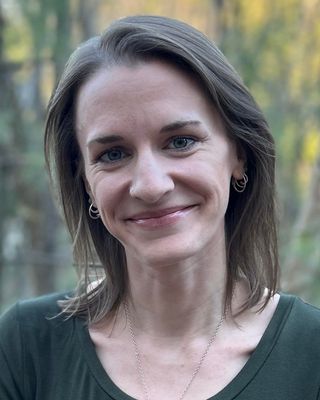
Do you feel overwhelmed, stuck in stress mode, or constantly on high alert? Reset is a supportive therapy group designed to help you better understand your nervous system and develop practical tools to navigate overwhelm. Drawing from CBT, DBT, mindfulness, somatic techniques, and nervous system regulation strategies, we’ll practice skills to manage stress, improve emotional regulation, increase distress tolerance, and feel more grounded in daily life. Whether you’re navigating anxiety, burnout, chronic stress, or the effects of difficult experiences, this group offers an opportunity to build resilience, connect with others, and feel more balanced and in control.
This is a safe place for Black folks/POC to discuss the different places we are in our mental wellness journey.

Hosted by Ahvegyil Skolnick
Clinical Social Work/Therapist, MA, LMSW, LCSW
Group meets in Schenectady, NY 12306
This is a safe place for Black folks/POC to discuss the different places we are in our mental wellness journey.
Anger Group - helps you get to the bottom of your anger/resentment and figure out how to communicate more effectively with others.
Anxiety Group - learn how to understand and transform the message of anxiety in your life.
Classes held on Zoom
Anger Group - helps you get to the bottom of your anger/resentment and figure out how to communicate more effectively with others.
Anxiety Group - learn how to understand and transform the message of anxiety in your life.
Classes held on Zoom
Looking to start two different DBT skill building group for adolescence and adults. Dialectical behavior therapy will help you with Increasing mindfulness and living in the moment, emotional regulation, interpersonal effectiveness, and distress tolerance. The purpose is to learn skills to better your ability to effectively manage your daily life.

Looking to start two different DBT skill building group for adolescence and adults. Dialectical behavior therapy will help you with Increasing mindfulness and living in the moment, emotional regulation, interpersonal effectiveness, and distress tolerance. The purpose is to learn skills to better your ability to effectively manage your daily life.
A playful introduction to centered thinking. Children build the ability to calm the mind and body and enjoy the present moment instead of being distracted by negative and self defeating thoughts.
Hosted by Rachel Alderman
Clinical Social Work/Therapist, LCSW
Group meets in Saratoga Springs, NY 12866
A playful introduction to centered thinking. Children build the ability to calm the mind and body and enjoy the present moment instead of being distracted by negative and self defeating thoughts.
Join us on 1st Sunday of every month for Walk with a Doc! This doctor-led group is a fun and safe place to go for a walk, learn about health, and meet new friends. The event is FREE and all are welcome! Please call to confirm details and winter month locations. Speakers: James Saperstone, MD, J Morton Hilsen MD, Chaya Tal, RN, Lifestyle Coach, Director, Albany Wellness Project. Topics: Walking to Benefit Mind & Body.

Join us on 1st Sunday of every month for Walk with a Doc! This doctor-led group is a fun and safe place to go for a walk, learn about health, and meet new friends. The event is FREE and all are welcome! Please call to confirm details and winter month locations. Speakers: James Saperstone, MD, J Morton Hilsen MD, Chaya Tal, RN, Lifestyle Coach, Director, Albany Wellness Project. Topics: Walking to Benefit Mind & Body.
A group dedicated to overcoming the stigma and supporting people struggling in their relationship with pornography.

A group dedicated to overcoming the stigma and supporting people struggling in their relationship with pornography.
8-week support group for moms with young babies. For stressed mothers, who is adjusting to parenthood, or struggle with postpartum. This 8-week series will help you find community and get the support you need in the early months of parenting, for new parents and their non-crawling babies. Topics covered include: 1. Baby care 2. Breastfeeding & bottle-feeding 3. Sleep 4. Self-care 5. Stress management 6. Managing postpartum emotions 7. Creating community 8. Body aches & physical strength 9. Relationship changes 10. Returning to work. Price: $100 for 8-week series ($15 for single drop-in).

8-week support group for moms with young babies. For stressed mothers, who is adjusting to parenthood, or struggle with postpartum. This 8-week series will help you find community and get the support you need in the early months of parenting, for new parents and their non-crawling babies. Topics covered include: 1. Baby care 2. Breastfeeding & bottle-feeding 3. Sleep 4. Self-care 5. Stress management 6. Managing postpartum emotions 7. Creating community 8. Body aches & physical strength 9. Relationship changes 10. Returning to work. Price: $100 for 8-week series ($15 for single drop-in).
See more therapy options for Troy


Nearby Searches for Troy
See More Support Groups FAQs - About Group Therapy and Support Groups
How can I find a support group in Troy?
To find a support group in your area, start by entering your city, zip code, or the name of the group into the search bar at the top of the page. When searching, consider whether you prefer an in-person or virtual group. This can help you decide how broad your geographic search should be. If you are open to virtual groups, you might want to search by state instead of just your city, especially if there are limited options nearby.
Once you complete your search, you can use the filters to narrow the results by selecting specialties (such as grief, trauma, or eating disorders), therapeutic approaches, age groups, and other criteria to find a group that best fits your needs.
How does group therapy work?
Group therapy is led by one or more trained therapists and provides a space where participants can process their experiences and learn from others facing similar challenges. Groups may focus on a specific issue—such as addiction, grief, physical illnesses, parenting, or caregiving—or they may center around a particular therapeutic approach, such as Cognitive Behavioral Therapy (CBT), social skill development, or Exposure Therapy. Some groups are also designed for specific populations, such as teens, veterans, or LGBTQ+ individuals.
It’s also important to distinguish group therapy from peer-led support groups, like Alcoholics Anonymous. While both can offer valuable support, therapy groups are typically led by licensed professionals and follow a more structured format. Therapy groups often meet for a fixed length of time with a consistent group of members, while many peer support groups meet for an indefinite period of time with members coming and going.
What are the benefits of group therapy?
Group therapy offers several important benefits. It brings together people facing similar challenges—whether related to mental health, physical health, or life transitions—and creates a supportive environment where participants can exchange feedback, share experiences, and learn from one another. Hearing different perspectives can help individuals discover new coping strategies and practical tools they may not have encountered on their own. Sharing personal experiences, such as coping with a serious illness or navigating family struggles, can also reduce feelings of isolation and foster a sense of connection and understanding. In addition to emotional support, group members often gain useful, real-world advice from peers who have faced similar situations.
Group therapy is typically more affordable than individual therapy and, for certain conditions, can be equally effective. Many groups also include structured activities—such as guided journaling, cognitive-behavioral exercises, or role-playing—to help participants develop concrete skills they can apply in daily life.
Is group therapy as effective as individual therapy?
It is difficult to make a blanket statement about the effectiveness of support groups, as they vary widely in focus and the conditions they address. However, support groups can be highly valuable in helping individuals gain emotional support and achieve meaningful treatment outcomes. For certain conditions, such as substance use, research has shown that group therapy can be particularly effective—sometimes just as effective as individual therapy—in supporting long-term recovery.
Many professionals attribute the effectiveness of group therapy to the unique benefits of the group setting, which fosters peer-to-peer learning and a sense of connection through shared experiences. Group settings also offer accountability and encouragement from both facilitators and fellow participants, which helps sustain motivation and supports continued progress. These factors together play a key role in promoting the overall effectiveness of group therapy.
How much does group therapy cost?
Group therapy is typically less expensive than individual therapy, with sessions typically costing between $50 and $75 each. In comparison, individual therapy can cost anywhere from $100 to $200 or more per session, even with insurance. Some therapists or organizations offer low-cost or free group therapy options, particularly through community centers or nonprofit organizations. In some cases, groups may require payment upfront for a set number of sessions, such as paying for six weekly sessions at the first meeting. However, many providers offer payment plans to help make participation more accessible if this upfront payment is required.
Does insurance cover group therapy?
As with individual therapy, insurance coverage for group therapy varies based on factors such as your specific insurance plan, the purpose of the group, your diagnosis, and whether the group provider is in-network. Many insurance plans cover group therapy sessions that address diagnosable mental health conditions, such as substance use disorders, anxiety, or depression.
However, groups that focus on topics not directly tied to a mental health diagnosis—such as parenting support or divorce recovery—are less likely to be covered. Because coverage can vary widely, it’s important to check with your insurance provider before joining a group to confirm whether the sessions will be covered and what out-of-pocket costs you may be responsible for.
How long does group therapy last?
The length of each group therapy session typically ranges from 45 minutes to two hours, depending on the therapy approach, the group’s goals, and how often the group meets. In some cases, group therapy is part of a larger treatment program, such as an Intensive Outpatient Program (IOP), where group sessions complement individual therapy and are scheduled as part of the program’s overall structure.
The duration of participation in a group also varies. Some groups are designed to be short-term, lasting anywhere from 6 to 24 weeks—for example, bereavement groups or skills-based groups like those using Dialectical Behavioral Therapy (DBT). Other groups may be longer-term, lasting a year or more, and some ongoing support groups meet indefinitely, allowing participants to stay as long as they find the group helpful.
What are the limitations of support groups?
Support groups offer many benefits, but they also have certain limitations. Unlike therapy groups, many support groups do not provide formal therapeutic treatment and are not led by licensed mental health professionals. For individuals seeking clinical treatment for specific mental health diagnoses—such as depression, eating disorders, or substance use—individual therapy or group therapy led by a licensed professional may offer more personalized and specialized care.
The effectiveness of a support group also depends heavily on the group’s participants and the overall group dynamic. When members engage respectfully and offer constructive support, the group can foster valuable peer-to-peer learning. However, if certain participants dominate discussions, provide inaccurate advice, or create conflict, it can disrupt the group’s sense of safety and reduce its effectiveness. Confidentiality can also be harder to maintain in support groups, particularly in open groups where participants can join or leave at any time. With new members regularly entering the group, it can be more difficult to build and sustain a consistent sense of trust and privacy.