Support Groups in Apex, NC

Hosted by Joyful Art Therapy LLC
Art Therapist, MA, NBCT, ATR-P, LCMHCA
Verified Verified
Group meets in Apex, NC 27502
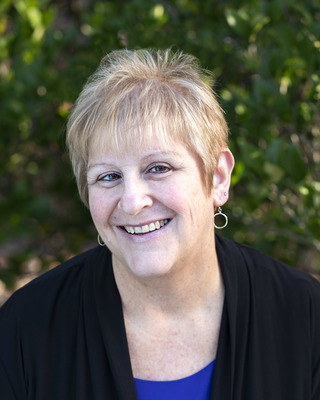
Hosted by Joanne Lisa
Licensed Clinical Mental Health Counselor, LCMHC, NCC
Verified Verified
Group meets in Apex, NC 27502
NC Center for Counseling and Psychological Services is a dynamic group of clinicians providing a wide range of psychological services. If you are interested in our testing/evaluation services, we offer locations in Creedmoor, Hillsborough, Goldsboro, Greenville, Apex, Greensboro, and Roanoke ...

Hosted by NC Center for Counseling & Psychological Services
Psychological Associate, LPA, HSP-PA
Verified Verified
Group meets in Apex, NC 27502
NC Center for Counseling and Psychological Services is a dynamic group of clinicians providing a wide range of psychological services. If you are interested in our testing/evaluation services, we offer locations in Creedmoor, Hillsborough, Goldsboro, Greenville, Apex, Greensboro, and Roanoke ...
A psycho-educational, expressive arts therapy group that focuses on a variety of issues related to women. Topics may include: life/work balances, self-esteem, assertive communication among a variety of other topics.

Hosted by Samantha Mahon
Licensed Professional Counselor, MS, LCMHCS
Verified Verified
Group meets in Apex, NC 27502
A psycho-educational, expressive arts therapy group that focuses on a variety of issues related to women. Topics may include: life/work balances, self-esteem, assertive communication among a variety of other topics.
Group involves learning healthy boundaries, self-empowerment and skill development

Hosted by Apex Cary Teen Intensive Outpatient Program
Treatment Center, MA, LPA, HSP-PA
Not Verified Not Verified
Group meets in Apex, NC 27502
Group involves learning healthy boundaries, self-empowerment and skill development
Click this link for your invitation to step into this online, self-led beloved 'Real Talk for the Trauma Walk' group course with a vibrant community, a gentle path towards healing curated by a compassionate guide who has walked these paths ...
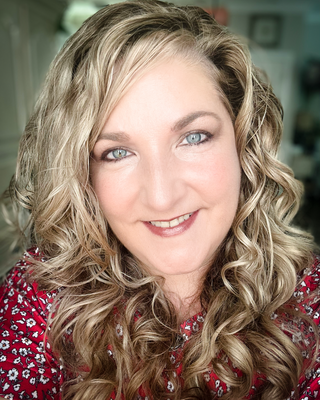
Hosted by Smiling Spirit Pathways - Cherie L. Spehar
Clinical Social Work/Therapist, LCSW, ACTP, RPT-S
Verified Verified
Group meets in Apex, NC 27523
Click this link for your invitation to step into this online, self-led beloved 'Real Talk for the Trauma Walk' group course with a vibrant community, a gentle path towards healing curated by a compassionate guide who has walked these paths ...
We are a group of Family therapist who have among us well over 30 years experience working with some of the most challenging families. Our outcomes are well into the 90% for client success. We are confident we can help ...

Hosted by Lee Bob Smith
Marriage & Family Therapist, MS, LMFT, CCSOTS
Verified Verified
Group meets in Apex, NC 27523
We are a group of Family therapist who have among us well over 30 years experience working with some of the most challenging families. Our outcomes are well into the 90% for client success. We are confident we can help ...
A powerful 6 week psycho-educational group just for women that works through the daily nuances of stress. We learn how to recognize stress, how to manage our stress more effectively and how to cope with stressful situations at work, home ...
Hosted by Samantha Mahon
Licensed Professional Counselor, MS, LCMHCS
Verified Verified
Group meets in Apex, NC 27502
A powerful 6 week psycho-educational group just for women that works through the daily nuances of stress. We learn how to recognize stress, how to manage our stress more effectively and how to cope with stressful situations at work, home ...
Gather here for LCSW licensure supervision in a gorgeous retreat setting where you will learn, transform, and rejuvenate yourself as a clinician and as a torchbearer for yourself and others. Supervision is not just case studies - it is learning; ...
Hosted by Smiling Spirit Pathways - Cherie L. Spehar
Clinical Social Work/Therapist, LCSW, ACTP, RPT-S
Verified Verified
Group meets in Apex, NC 27523
Gather here for LCSW licensure supervision in a gorgeous retreat setting where you will learn, transform, and rejuvenate yourself as a clinician and as a torchbearer for yourself and others. Supervision is not just case studies - it is learning; ...
Ongoing free support group for those struggling with eating disorders. Due to COVID, the group is meeting via Zoom.
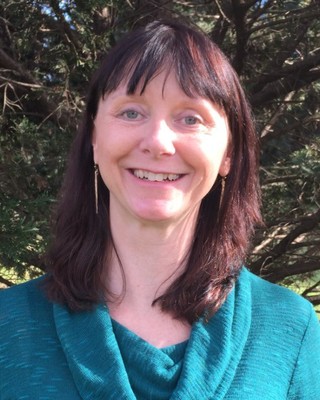
Hosted by Tammy Holcomb
LCMHCS, CEDS, NBCCH
Verified Verified
Group meets in Apex, NC 27502
Ongoing free support group for those struggling with eating disorders. Due to COVID, the group is meeting via Zoom.
In this group, we learn essential child development that will help you craft strategies, understand what your child is communicating, diffuse power struggles, and support you and your child's happiness.
Hosted by Joyful Art Therapy LLC
Art Therapist, MA, NBCT, ATR-P, LCMHCA
Verified Verified
Group meets in Apex, NC 27502
In this group, we learn essential child development that will help you craft strategies, understand what your child is communicating, diffuse power struggles, and support you and your child's happiness.
More Groups Nearby
***GROUP NOT AVAILABLE CURRENTLY. ONLY OFFERING INDIVIDUAL DBT COACHING WHERE SKILLS CAN BE LEARNED.*** We cover modules of mindfulness, emotion regulation, interpersonal effectiveness, and distress tolerance. The groups are structured AS a class as we cover new skills each week ...

Hosted by Victoria Snow
Clinical Social Work/Therapist, MSW, LCSW
Verified Verified
Group meets in Raleigh, NC 27606
***GROUP NOT AVAILABLE CURRENTLY. ONLY OFFERING INDIVIDUAL DBT COACHING WHERE SKILLS CAN BE LEARNED.*** We cover modules of mindfulness, emotion regulation, interpersonal effectiveness, and distress tolerance. The groups are structured AS a class as we cover new skills each week ...
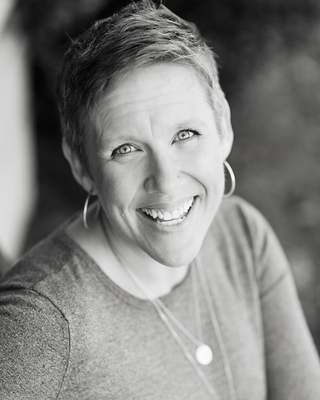
Hosted by Tara Parker
Clinical Social Work/Therapist, MSW, LCSW
Verified Verified
Group meets in Holly Springs, NC 27540

Hosted by Piedmont Behavioral Services
Psychiatrist, MD
Verified Verified
Group meets in Cary, NC 27513
At Harbor Counseling and Consulting, we are committed to the importance of mental health. Our mission is to assist you in navigating life's difficulties by offering a safe haven where you can discover peace, clarity, and the tools needed to ...

Hosted by Harbor Counseling and Consulting, PLLC
Licensed Professional Counselor, MSEd, LCMHC
Verified Verified
Group meets in Cary, NC 27511
At Harbor Counseling and Consulting, we are committed to the importance of mental health. Our mission is to assist you in navigating life's difficulties by offering a safe haven where you can discover peace, clarity, and the tools needed to ...

Hosted by The Path 2 Healing, PLLC
Counselor, MA, CMFT, LCMHC
Verified Verified
Group meets in Raleigh, NC 27607
Improve self-regulation. Learn to better identify feelings while they are happening. Increase self-awareness and learn how to listen to your body. Develop new skills and tools to help you regulate emotions. Practice improving overall well-being. Practice making good decisions in ...

Hosted by Erin Breen
Clinical Social Work/Therapist, LCSWA
Verified Verified
Group meets in Cary, NC 27519
Improve self-regulation. Learn to better identify feelings while they are happening. Increase self-awareness and learn how to listen to your body. Develop new skills and tools to help you regulate emotions. Practice improving overall well-being. Practice making good decisions in ...
The HCW workshop (based on Dr. Whitfield's book) focuses on the effects of growing up in a dysfunctional family and the healing process for childhood trauma. Participants “dig deep” into memories from their family of origin to rediscover and reconnect ...

Hosted by Barbara W. Pherribo, LCMHC
Licensed Clinical Mental Health Counselor, LCMHC, NCC
Verified Verified
Group meets in Cary, NC 27511
The HCW workshop (based on Dr. Whitfield's book) focuses on the effects of growing up in a dysfunctional family and the healing process for childhood trauma. Participants “dig deep” into memories from their family of origin to rediscover and reconnect ...
This virtual DBT skills group is for adult individuals currently meeting with an individual therapist and struggling with emotional regulation, interpersonal skills, or low distress tolerance. Group members should be 18 years or older and free from suicide attempts and ...

Hosted by Chloe Elizabeth Canady
Clinical Social Work/Therapist, LCSWA
Verified Verified
Group meets in Cary, NC 27518
This virtual DBT skills group is for adult individuals currently meeting with an individual therapist and struggling with emotional regulation, interpersonal skills, or low distress tolerance. Group members should be 18 years or older and free from suicide attempts and ...
Prepare-Enrich groups are offered periodically throughout the year at Olive Branch Family Therapy (Holly Springs and Cary, NC) and as arranged for churches or other organizations interested in providing relationship education and skill building for couples. Fees are negotiated individually ...

Hosted by James L. Machado Workman
Marriage & Family Therapist, MDiv, MA, BCC, LMFT
Verified Verified
Group meets in Holly Springs, NC 27540
Prepare-Enrich groups are offered periodically throughout the year at Olive Branch Family Therapy (Holly Springs and Cary, NC) and as arranged for churches or other organizations interested in providing relationship education and skill building for couples. Fees are negotiated individually ...
See more therapy options for Apex


FAQs - About Group Therapy and Support Groups
How can I find a support group in Apex?
Search for nearby support groups by inputting your city, zip code, or the name of the group into the search bar. From there, you can filter to find a group that suits your needs, whether you are looking for support for a teenager, a group that focuses on a specific issue, such as depression, or a particular program type, such as one geared toward developing social skills. To navigate between locations within the same country, enter a new city or zip code into the search bar.
How does group therapy work?
Therapy groups are led by one or more therapists and serve to help people process their experiences and learn from others who understand their challenges firsthand. They can be based on a specific issue, such as addiction, grief, physical illnesses, parenting, and caregiving. They can involve a specific type of program or therapy, such as a social skills group or CBT group. They can also be specific to a particular population or community, such as teens or LGBTQ.
Support groups, like Alcoholics Anonymous, also focus on a specific issue, but are typically led by members with lived experiences and are less structured than therapy groups. Most therapy groups will meet for a fixed length of time with a consistent group of members, while many support groups meet for an indefinite period of time with members coming and going.
Support groups, like Alcoholics Anonymous, also focus on a specific issue, but are typically led by members with lived experiences and are less structured than therapy groups. Most therapy groups will meet for a fixed length of time with a consistent group of members, while many support groups meet for an indefinite period of time with members coming and going.
What are the benefits of group therapy?
Support groups help connect people with shared challenges or physical and mental health conditions. In a group setting, participants can receive support and feedback from peers and can acquire new skills, strategies and perspectives by listening to one another. Discussing your experience with someone who also has a cancer diagnosis, or whose son also struggles with addiction, for example, can help you feel less alone, reduce distress, find empathy and connection, and learn practical or medical information that has helped others. Group therapy can also be a more affordable option than individual therapy and just as effective.
Is group therapy as effective as individual therapy?
Support groups can be deeply valuable for both emotional support and/or treatment outcomes. It’s difficult to make a blanket statement on efficacy due to the many different types of support groups and conditions treated, but group therapy has been found to be just as effective as individual therapy in establishing long-term abstinence for conditions such as substance abuse, addiction and alcohol abuse.
How much does group therapy cost?
Group counseling is typically less expensive than individual counseling, with each session costing on average between $60 to $75. Meanwhile, individual therapy sessions can run anywhere from $100 to $200 and up, even after insurance. It is possible to find low-cost group therapy options and many therapists offer group sessions free of charge.
Does insurance cover group therapy?
As with individual therapy, many insurance companies do offer coverage for group therapy sessions. However, the coverage varies based on your insurance plan details and whether you choose an in-network or out-of-network mental healthcare provider. Individuals are encouraged to check with their insurance providers to verify coverage.
How long does group therapy last?
The length of a support group session is often one hour but can fall anywhere between 45 minutes and two hours. The amount of time that people remain in a support group varies based on their specific needs and goals and the type of therapy. Some individuals may seek a shorter-term group, such as a bereavement group, that may last between six and 20 weeks. Some may seek a longer-term group that lasts for a year or indefinitely.
What are the limitations of support groups?
Support groups have many benefits, but there are a few limitations as well. Support groups do not constitute formal therapeutic or medical treatment, and are not run by licensed mental health professionals, so some people may opt for group therapy or individual therapy instead. Additionally, support groups can depend on the other participants, so a disruptive individual has the potential to mar the group dynamic, and the anecdotal information shared may sometimes be unhelpful or inaccurate. Because it is a group setting, confidentiality can be more difficult to guard and participants receive less personalized attention than they would in an individual therapy session.