Support Groups in 78704
This ongoing dance/movement therapy informed group is a place for mental health clinicians to "land" each week to nurture well-being through embodied and relational movement. This approach to self-care promotes deep listening, grounding, comfort, connection, and a relationship with the ...

Hosted by Kelsey Blair Eidson
Licensed Professional Counselor Associate, MA, LPC-A, NCC
Verified Verified
Group meets in Austin, TX 78704
This ongoing dance/movement therapy informed group is a place for mental health clinicians to "land" each week to nurture well-being through embodied and relational movement. This approach to self-care promotes deep listening, grounding, comfort, connection, and a relationship with the ...
This group is focused on the transition from elementary to middle school. Participants will connect with others, explore and process emotions, develop and practice social skills, and develop healthy coping skills for a new school year. The group will begin ...

Hosted by Rosalie Piedra
Licensed Professional Counselor, MA, LPC, RPT
Verified Verified
Group meets in Austin, TX 78704
This group is focused on the transition from elementary to middle school. Participants will connect with others, explore and process emotions, develop and practice social skills, and develop healthy coping skills for a new school year. The group will begin ...
Are you ready to embark on a journey towards emotional healing and deeper self-understanding? If you're one of the many individuals navigating life with anxiety in relationships, we invite you to take a step toward a brighter, more secure future ...

Hosted by Melissa Grogan
Licensed Professional Counselor Associate, MFA, MA, LPC-A
Verified Verified
Group meets in Austin, TX 78704
Are you ready to embark on a journey towards emotional healing and deeper self-understanding? If you're one of the many individuals navigating life with anxiety in relationships, we invite you to take a step toward a brighter, more secure future ...
Serving the mental health needs of those in the BIPOC communities.
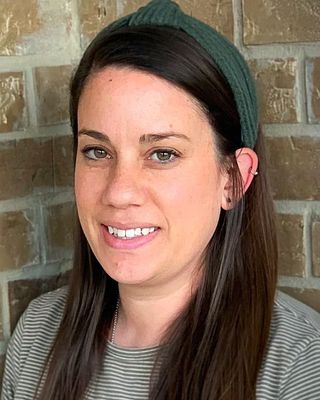
Hosted by Rebecca E Cohn
Licensed Master Social Worker, LMSW
Verified Verified
Group meets in Austin, TX 78704
Serving the mental health needs of those in the BIPOC communities.
This is an online adult interpersonal process group that encourages members to share and explore their own feelings and reactions to one another, especially the irrational ones. Co-led by Steve Cheney, LPC.

Hosted by Emily D. Harrington-Cheney
Licensed Professional Counselor, MA, LPC, IRT
Verified Verified
Group meets in Austin, TX 78704
This is an online adult interpersonal process group that encourages members to share and explore their own feelings and reactions to one another, especially the irrational ones. Co-led by Steve Cheney, LPC.
The next Yoga for Anxiety Group Series starts fall of 2016. Over the six sessions, participants will benefit from asana, breathing, mantra, meditation, and yoga philosophy geared to harness and lower anxious energy from high stress, ongoing anxiety, life changes, ...

Hosted by Jamie Justus
Clinical Social Work/Therapist, LCSW, RYT
Verified Verified
Group meets in Austin, TX 78704
The next Yoga for Anxiety Group Series starts fall of 2016. Over the six sessions, participants will benefit from asana, breathing, mantra, meditation, and yoga philosophy geared to harness and lower anxious energy from high stress, ongoing anxiety, life changes, ...
These groups are for people who have prior or current therapy experience and want to explore how group can deepen and accelerate psychological growth. Group directly impacts the way you feel about yourself and the way you relate to others ...

Hosted by Audry Steele
Licensed Professional Counselor, MA, LPC
Verified Verified
Group meets in Austin, TX 78704
These groups are for people who have prior or current therapy experience and want to explore how group can deepen and accelerate psychological growth. Group directly impacts the way you feel about yourself and the way you relate to others ...
WIR explores the following topics -
We will learn to recognize and practice offering bids for connection.
We will define and explore the 4 primary modes of attachment.
We will work to identify the components of a good life independent of ...

Hosted by Rebecca Davenport
Clinical Social Work/Therapist, LCSW, CEAP, PA
Verified Verified
Group meets in Austin, TX 78704
WIR explores the following topics -
We will learn to recognize and practice offering bids for connection.
We will define and explore the 4 primary modes of attachment.
We will work to identify the components of a good life independent of ...
SELF-ESTEEM IS THE KEY "We can’t escape the effect self-esteem has on our lives," says Robert McGarey, M.A., Executive Director of the Austin nonprofit Human Potential Center. "Romance, money, jobs and family relationships are profoundly influenced by our feelings about ...

SELF-ESTEEM IS THE KEY "We can’t escape the effect self-esteem has on our lives," says Robert McGarey, M.A., Executive Director of the Austin nonprofit Human Potential Center. "Romance, money, jobs and family relationships are profoundly influenced by our feelings about ...
The Self Compassion Lab is a 10 month group focused on building our intrinsic value through self-compassion practice, group work, and individual work. This will not be a traditional process therapy group but something of a hybrid between a workshop ...

Hosted by Katie Dillingham
Licensed Professional Counselor, LPC
Verified Verified
Group meets in Austin, TX 78704
The Self Compassion Lab is a 10 month group focused on building our intrinsic value through self-compassion practice, group work, and individual work. This will not be a traditional process therapy group but something of a hybrid between a workshop ...
These groups are designed for high-functioning women who want to strengthen their connections with others, receive support, and be challenged to be their best selves.

Hosted by Sarah E Kyle
Clinical Social Work/Therapist, LCSW
Verified Verified
Group meets in Austin, TX 78704
These groups are designed for high-functioning women who want to strengthen their connections with others, receive support, and be challenged to be their best selves.
This highly functioning group formed in 1998 is open to referrals only if individuals have had significant therapy experience.

Hosted by Katy Koonce and Associates
Clinical Social Work/Therapist, LCSW
Verified Verified
Group meets in Austin, TX 78704
This highly functioning group formed in 1998 is open to referrals only if individuals have had significant therapy experience.
This specialized processing group is designed to provide clients with essential tools for observing and understanding their brain and nervous system with compassion. Using the Interpersonal Neurobiology (IPNB) framework, sessions delve into the science behind how the mind regulates the ...

Hosted by Kelly Harold Edwards
Marriage & Family Therapist, MA, LMFT, LPC
Verified Verified
Group meets in Austin, TX 78704
This specialized processing group is designed to provide clients with essential tools for observing and understanding their brain and nervous system with compassion. Using the Interpersonal Neurobiology (IPNB) framework, sessions delve into the science behind how the mind regulates the ...
At Femunnity, we empower women to connect and grow via in-person or on-line weekly self-renewal groups. These groups provide a safe space for women to step back from the daily grind and recharge, nourishing them so they can remain healthy ...

Hosted by Debbie Radzinsky
Clinical Social Work/Therapist, LCSW, MSc
Verified Verified
Group meets in Austin, TX 78704
At Femunnity, we empower women to connect and grow via in-person or on-line weekly self-renewal groups. These groups provide a safe space for women to step back from the daily grind and recharge, nourishing them so they can remain healthy ...
This group provides a safe, comfortable environment to address the personal or relational issues particular to the individual. Two seasoned psychotherapists work together with years of wisdom to orchestrate authentic insight for individuals to experience and synthesize the changes they ...

Hosted by Tina Moody
Licensed Professional Counselor, MDiv, MA, LPC
Verified Verified
Group meets in Austin, TX 78704
This group provides a safe, comfortable environment to address the personal or relational issues particular to the individual. Two seasoned psychotherapists work together with years of wisdom to orchestrate authentic insight for individuals to experience and synthesize the changes they ...
A bi-weekly IN PERSON process group for women to discuss issues related to codependency, relationships, and cultivating a lifestyle focused on self-love. Group members will learn coping skills for the body, mind and spirit based on mindfulness based practices. Inner ...

Hosted by Geeti Shirazi Mahajan
Clinical Social Work/Therapist, LCSW-S, MPH
Verified Verified
Group meets in Austin, TX 78704
A bi-weekly IN PERSON process group for women to discuss issues related to codependency, relationships, and cultivating a lifestyle focused on self-love. Group members will learn coping skills for the body, mind and spirit based on mindfulness based practices. Inner ...
*Daytime and Evening options available Omega Recovery's intensive out-patient(IOP) program is designed for an individual that is new to recovery, as well as any individual that needs added support in their current recovery program. It's also a perfect step down ...

Hosted by Omega Recovery
Treatment Center, PhD, LCSW-R
Not Verified Not Verified
Group meets in Austin, TX 78704
*Daytime and Evening options available Omega Recovery's intensive out-patient(IOP) program is designed for an individual that is new to recovery, as well as any individual that needs added support in their current recovery program. It's also a perfect step down ...
Being a caregiver can be challenging and rewarding. We'll explore how to care for yourself as a caregiver by taking steps to protect your health and well-being. Self care includes nutrition, physical activity, stress management and coping, dealing with fear ...

Hosted by Rakefet Laviolette
Licensed Professional Counselor, MA
Verified Verified
Group meets in Austin, TX 78704
Being a caregiver can be challenging and rewarding. We'll explore how to care for yourself as a caregiver by taking steps to protect your health and well-being. Self care includes nutrition, physical activity, stress management and coping, dealing with fear ...
If you are looking for something to help you reach your goals for 2013, come join me. I am offering a series of groups for individuals who want to enhance performance in Personal, Professional, and Creative endeavors. This group will ...

If you are looking for something to help you reach your goals for 2013, come join me. I am offering a series of groups for individuals who want to enhance performance in Personal, Professional, and Creative endeavors. This group will ...
This is a 4-hour interactive class that focuses on how to improve verbal communication and use body language to enhance dating prospects. This workshop will help Singles become more able to reduce their anxiety that relates to poor dating outcomes ...

This is a 4-hour interactive class that focuses on how to improve verbal communication and use body language to enhance dating prospects. This workshop will help Singles become more able to reduce their anxiety that relates to poor dating outcomes ...
See more therapy options for 78704


FAQs - About Group Therapy and Support Groups
How can I find a support group in 78704?
Search for nearby support groups by inputting your city, zip code, or the name of the group into the search bar. From there, you can filter to find a group that suits your needs, whether you are looking for support for a teenager, a group that focuses on a specific issue, such as depression, or a particular program type, such as one geared toward developing social skills. To navigate between locations within the same country, enter a new city or zip code into the search bar.
How does group therapy work?
Therapy groups are led by one or more therapists and serve to help people process their experiences and learn from others who understand their challenges firsthand. They can be based on a specific issue, such as addiction, grief, physical illnesses, parenting, and caregiving. They can involve a specific type of program or therapy, such as a social skills group or CBT group. They can also be specific to a particular population or community, such as teens or LGBTQ.
Support groups, like Alcoholics Anonymous, also focus on a specific issue, but are typically led by members with lived experiences and are less structured than therapy groups. Most therapy groups will meet for a fixed length of time with a consistent group of members, while many support groups meet for an indefinite period of time with members coming and going.
Support groups, like Alcoholics Anonymous, also focus on a specific issue, but are typically led by members with lived experiences and are less structured than therapy groups. Most therapy groups will meet for a fixed length of time with a consistent group of members, while many support groups meet for an indefinite period of time with members coming and going.
What are the benefits of group therapy?
Support groups help connect people with shared challenges or physical and mental health conditions. In a group setting, participants can receive support and feedback from peers and can acquire new skills, strategies and perspectives by listening to one another. Discussing your experience with someone who also has a cancer diagnosis, or whose son also struggles with addiction, for example, can help you feel less alone, reduce distress, find empathy and connection, and learn practical or medical information that has helped others. Group therapy can also be a more affordable option than individual therapy and just as effective.
Is group therapy as effective as individual therapy?
Support groups can be deeply valuable for both emotional support and/or treatment outcomes. It’s difficult to make a blanket statement on efficacy due to the many different types of support groups and conditions treated, but group therapy has been found to be just as effective as individual therapy in establishing long-term abstinence for conditions such as substance abuse, addiction and alcohol abuse.
How much does group therapy cost?
Group counseling is typically less expensive than individual counseling, with each session costing on average between $60 to $75. Meanwhile, individual therapy sessions can run anywhere from $100 to $200 and up, even after insurance. It is possible to find low-cost group therapy options and many therapists offer group sessions free of charge.
Does insurance cover group therapy?
As with individual therapy, many insurance companies do offer coverage for group therapy sessions. However, the coverage varies based on your insurance plan details and whether you choose an in-network or out-of-network mental healthcare provider. Individuals are encouraged to check with their insurance providers to verify coverage.
How long does group therapy last?
The length of a support group session is often one hour but can fall anywhere between 45 minutes and two hours. The amount of time that people remain in a support group varies based on their specific needs and goals and the type of therapy. Some individuals may seek a shorter-term group, such as a bereavement group, that may last between six and 20 weeks. Some may seek a longer-term group that lasts for a year or indefinitely.
What are the limitations of support groups?
Support groups have many benefits, but there are a few limitations as well. Support groups do not constitute formal therapeutic or medical treatment, and are not run by licensed mental health professionals, so some people may opt for group therapy or individual therapy instead. Additionally, support groups can depend on the other participants, so a disruptive individual has the potential to mar the group dynamic, and the anecdotal information shared may sometimes be unhelpful or inaccurate. Because it is a group setting, confidentiality can be more difficult to guard and participants receive less personalized attention than they would in an individual therapy session.