Support Groups in 55422
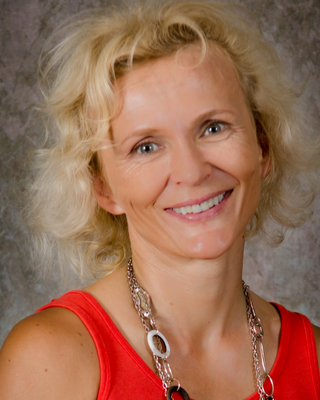
Buice Behavioral Healthcare Consultants are a group of African Americans therapists who provides mental health assessments, psychotherapy to couples, individuals, adolescents, offenders, ex-offenders, first 24 hour support to cancer patients in all Minnesota communities and counties. All of our therapists are MN State Board licensed. Most therapies are provided through telehealth.

Hosted by Saundra Bryant-Lamb
Clinical Social Work/Therapist, LICSW, MSW, BSW, Adm Edu
Group meets in Golden Valley, MN 55422
Buice Behavioral Healthcare Consultants are a group of African Americans therapists who provides mental health assessments, psychotherapy to couples, individuals, adolescents, offenders, ex-offenders, first 24 hour support to cancer patients in all Minnesota communities and counties. All of our therapists are MN State Board licensed. Most therapies are provided through telehealth.

More Groups Nearby
This is a hybrid group rooted in trauma-informed DBT skills. As an open, modular group, each session stands on its own allowing you to join at any point while still gaining meaningful tools and support. This group is designed to support women in healing from trauma while building practical skills for: - Emotion regulation - Distress tolerance - Boundaries & relationships - Nervous system regulation - Self-trust and empowerment Wednesdays | 6:00–7:00 PM Starting June 3, 2026

This is a hybrid group rooted in trauma-informed DBT skills. As an open, modular group, each session stands on its own allowing you to join at any point while still gaining meaningful tools and support. This group is designed to support women in healing from trauma while building practical skills for: - Emotion regulation - Distress tolerance - Boundaries & relationships - Nervous system regulation - Self-trust and empowerment Wednesdays | 6:00–7:00 PM Starting June 3, 2026
Tuesdays 11:30am- 1:00pm: June 16th - July 14th, 2026. More and more young girls are being diagnosed with ADHD and anxiety each day. Research has shown us that creative endeavors are key to supporting emotional regulation and calming the nervous system. In this group we will learn about our nervous system and the role of anxiety and ADHD, and how to calm our body, engage in creative activities to improve nervous system regulation and increase focus and attention, and participate in a screen free environment focused on developing connection with others and ourselves. Led by Dr. Olivia Tomfohrde.

Hosted by Olivia Tomfohrde
Marriage & Family Therapist, PhD, MS, LMFT
Group meets in Eden Prairie, MN 55344
Tuesdays 11:30am- 1:00pm: June 16th - July 14th, 2026. More and more young girls are being diagnosed with ADHD and anxiety each day. Research has shown us that creative endeavors are key to supporting emotional regulation and calming the nervous system. In this group we will learn about our nervous system and the role of anxiety and ADHD, and how to calm our body, engage in creative activities to improve nervous system regulation and increase focus and attention, and participate in a screen free environment focused on developing connection with others and ourselves. Led by Dr. Olivia Tomfohrde.
This is for teen girls, 12-14 years old, who could benefit from a positive peer group. This group provides a safe and validating atmosphere to gain support from others, as well as myself and is structured to help teen girls thrive in, but not limited to, healthy relationships, self-esteem, self-care, and healthy boundaries.

This is for teen girls, 12-14 years old, who could benefit from a positive peer group. This group provides a safe and validating atmosphere to gain support from others, as well as myself and is structured to help teen girls thrive in, but not limited to, healthy relationships, self-esteem, self-care, and healthy boundaries.
Substance Use Disorder Intensive Outpatient Treatment Program for Professionals. The program is Monday, Tuesday and Thursday from 4pm to 7pm. Most Major Insurances Accepted. I use the most evidenced based modalites to ensure clients learn how to be successful in sobriety. I use a mindfulness based approach focussing on the "whole person." I incorporate CBT and DBT coping skills, neuro-plasticity, positive psychology, meditation and several holistic healing techniques. This program and it's content is based on the unique stressors of high functioning individuals.

Substance Use Disorder Intensive Outpatient Treatment Program for Professionals. The program is Monday, Tuesday and Thursday from 4pm to 7pm. Most Major Insurances Accepted. I use the most evidenced based modalites to ensure clients learn how to be successful in sobriety. I use a mindfulness based approach focussing on the "whole person." I incorporate CBT and DBT coping skills, neuro-plasticity, positive psychology, meditation and several holistic healing techniques. This program and it's content is based on the unique stressors of high functioning individuals.
This weekly in-person group offers a safe, supportive space for adults managing OCD. Facilitated by and OCD specialist, the group provides a chance to connect with others who understand the challenges of living with OCD. Sessions focus on peer support, coping strategies, and sharing experiences in a nonjudgmental environment. Participants can gain valuable insights, build a sense of community, and learn from evidence-based approaches to managing symptoms. This group is ideal for individuals seeking additional support alongside individual therapy. Open to adults 18 and older, the group fosters connection and empowerment through shared understanding and mutual encouragement.

Hosted by OCD and Anxiety Center of Minnesota
Counselor, MA , LPCC
Group meets in Saint Paul, MN 55102
This weekly in-person group offers a safe, supportive space for adults managing OCD. Facilitated by and OCD specialist, the group provides a chance to connect with others who understand the challenges of living with OCD. Sessions focus on peer support, coping strategies, and sharing experiences in a nonjudgmental environment. Participants can gain valuable insights, build a sense of community, and learn from evidence-based approaches to managing symptoms. This group is ideal for individuals seeking additional support alongside individual therapy. Open to adults 18 and older, the group fosters connection and empowerment through shared understanding and mutual encouragement.
State-certified DBT skills training group that assists clients in learning how to tolerate life’s stressors and increase their ability to regulate emotions. Four primary modules are Mindfulness, Emotion Regulation, Interpersonal Effectiveness, and Distress Tolerance. Groups are 2.5 hours weekly with a max of 10 clients, and there are several options for clients with different needs. We offer groups Monday-Thursday, in-person or virtual, and at varying times. Please reach out to front desk for more information on times and availability: 763-412-0722.

State-certified DBT skills training group that assists clients in learning how to tolerate life’s stressors and increase their ability to regulate emotions. Four primary modules are Mindfulness, Emotion Regulation, Interpersonal Effectiveness, and Distress Tolerance. Groups are 2.5 hours weekly with a max of 10 clients, and there are several options for clients with different needs. We offer groups Monday-Thursday, in-person or virtual, and at varying times. Please reach out to front desk for more information on times and availability: 763-412-0722.
6 Mondays - Starting May 4th, 2026. For Ages 12+. Co-lead by Kim Grantier and Ema Thoen. No art experience necessary! All materials provided! Insurance accepted, cash option, one pro-bono spot available.

6 Mondays - Starting May 4th, 2026. For Ages 12+. Co-lead by Kim Grantier and Ema Thoen. No art experience necessary! All materials provided! Insurance accepted, cash option, one pro-bono spot available.
Our Way Home is an intentional, affirming 10-week support group for LGBTQ+ individuals and couples navigating the complex journey to parenthood. Whether you are exploring adoption, surrogacy, donor conception, foster care, or reciprocal IVF, this space is designed for you. Together, we demystify medical and legal systems, process the emotional highs and lows of waiting and loss, and navigate non-traditional parenting roles. Rooted in peer connection, self-advocacy, and pride, Our Way Home offers a compassionate community where your unique pathway to family is validated, celebrated, and supported every step of the way. Welcome to your village.

Our Way Home is an intentional, affirming 10-week support group for LGBTQ+ individuals and couples navigating the complex journey to parenthood. Whether you are exploring adoption, surrogacy, donor conception, foster care, or reciprocal IVF, this space is designed for you. Together, we demystify medical and legal systems, process the emotional highs and lows of waiting and loss, and navigate non-traditional parenting roles. Rooted in peer connection, self-advocacy, and pride, Our Way Home offers a compassionate community where your unique pathway to family is validated, celebrated, and supported every step of the way. Welcome to your village.
ICC is our highest level of service provided by our most experienced therapists. ICC was created to be efficient and effective for couples who need change now. Just like serious medical conditions, serious relationship crises like affairs and addiction require immediate and sufficient intervention. You and your partner work privately with an ICC-certified therapist for 15 hours in sessions that last 3-4 hours at a time. We offer this program in-person and online for your convenience! Your relationship is worth investing in.

Hosted by Relationship Therapy Center
Marriage & Family Therapist, MA, LMFT
Group meets in Saint Louis Park, MN 55416
ICC is our highest level of service provided by our most experienced therapists. ICC was created to be efficient and effective for couples who need change now. Just like serious medical conditions, serious relationship crises like affairs and addiction require immediate and sufficient intervention. You and your partner work privately with an ICC-certified therapist for 15 hours in sessions that last 3-4 hours at a time. We offer this program in-person and online for your convenience! Your relationship is worth investing in.
This is a virtual Art Therapy group for therapists that meets on the 2nd Friday of each month. Group topics focus on processing current needs, mindfulness, rejuvenation, self esteem building, burnout, and helps foster change within life style. One of my main passions is supporting fellow healers and helpers so that they can continue to be their best selves for others while not sacrificing themselves in the process. See more details and sign up on my website: www.thebloom-studio.com.

This is a virtual Art Therapy group for therapists that meets on the 2nd Friday of each month. Group topics focus on processing current needs, mindfulness, rejuvenation, self esteem building, burnout, and helps foster change within life style. One of my main passions is supporting fellow healers and helpers so that they can continue to be their best selves for others while not sacrificing themselves in the process. See more details and sign up on my website: www.thebloom-studio.com.
The Pause is a biweekly gathering for people living through all of the changes associated with perimenopause and being middle-aged. Perimenopause brings about significant hormonal changes that affect mental and physical health all while focusing on career, parenting, caregiving for aging parents, involvement in the community, and/or managing households at the same time! (You do not have to fit all of these identities to participate in this group.) As a group member, you can share and process your experience while learning how to better regulate emotions, set boundaries, increase self care routines, and strike balance in your life.

The Pause is a biweekly gathering for people living through all of the changes associated with perimenopause and being middle-aged. Perimenopause brings about significant hormonal changes that affect mental and physical health all while focusing on career, parenting, caregiving for aging parents, involvement in the community, and/or managing households at the same time! (You do not have to fit all of these identities to participate in this group.) As a group member, you can share and process your experience while learning how to better regulate emotions, set boundaries, increase self care routines, and strike balance in your life.
I am a certified supervisor for social workers who want to work toward a higher level of licensure. My experience includes working in residential care, in Hennepin County, in out-patient mental health and as a school social worker. I have over 20 years of professional experience. I'm happy to talk with you about your needs and goals to see if we are good fit.

Hosted by Lynn M Marrs
Clinical Social Work/Therapist, L, I, C, S, W
Group meets in Maple Grove, MN 55311
I am a certified supervisor for social workers who want to work toward a higher level of licensure. My experience includes working in residential care, in Hennepin County, in out-patient mental health and as a school social worker. I have over 20 years of professional experience. I'm happy to talk with you about your needs and goals to see if we are good fit.
This is a DBT group of 8-10 participants, currently meeting in a hybrid format- some participants attend in person, and some attend virtually. Each group sessions focuses on practicing mindfulness and reviewing a new DBT skill each week. Group members give support to each other, although this is not an in-depth "process group". Instead, the group focuses on members practicing DBT skills to improve their lives and manage life's stressors.

This is a DBT group of 8-10 participants, currently meeting in a hybrid format- some participants attend in person, and some attend virtually. Each group sessions focuses on practicing mindfulness and reviewing a new DBT skill each week. Group members give support to each other, although this is not an in-depth "process group". Instead, the group focuses on members practicing DBT skills to improve their lives and manage life's stressors.
Adherent DBT skills groups for adolescents and their parents. 2 hours every Wednesday, Thursday night or Saturday morning. Adherent DBT group based on Marsha LInehan

Adherent DBT skills groups for adolescents and their parents. 2 hours every Wednesday, Thursday night or Saturday morning. Adherent DBT group based on Marsha LInehan
Psychological Diagnostic Assessment- Substance Use Disorder Assessment. To ensure there is not a conflict of interest, I recommend using a private clinician to conduct a SUD eval verses going through a treatment center. You will leave the session knowing diagnosis, recommendations and next steps. I use ASAM Criteria/ 6 Dimensions, plus diagnostic tools to support best practice in SUD diagnosing. SUD evaluations in person or telehealth. Time: 1.5 hours.. Call to schedule an intake consultation.

Psychological Diagnostic Assessment- Substance Use Disorder Assessment. To ensure there is not a conflict of interest, I recommend using a private clinician to conduct a SUD eval verses going through a treatment center. You will leave the session knowing diagnosis, recommendations and next steps. I use ASAM Criteria/ 6 Dimensions, plus diagnostic tools to support best practice in SUD diagnosing. SUD evaluations in person or telehealth. Time: 1.5 hours.. Call to schedule an intake consultation.
This therapy group will play the tabletop role playing game (RPG) Cairn (an easier version of Dungeons and Dragons) as the vehicle to work through players therapy goals. This group will support the mental health of group members through healthy social connections, conversation, and teamwork. This is a great place for neurodiverse and socially anxious individuals to level up their skills! This group operates in 2 sections: High School & Adult. When minimum number of interested participants are added to waitlist, schedules will be set.

Hosted by Vaughn A Paradise
Licensed Professional Counselor, MS, LPCC
Group meets in Saint Paul, MN 55105
This therapy group will play the tabletop role playing game (RPG) Cairn (an easier version of Dungeons and Dragons) as the vehicle to work through players therapy goals. This group will support the mental health of group members through healthy social connections, conversation, and teamwork. This is a great place for neurodiverse and socially anxious individuals to level up their skills! This group operates in 2 sections: High School & Adult. When minimum number of interested participants are added to waitlist, schedules will be set.
Pregnancy + Postpartum * Body care tools (nutrition, listening into our yeses + noes, physical needs changing) * Grounding + ritual * Mental + emotional processing (warmth, empathy + safety to feel and process) * Preparation for Parenthood - (reparenting, cultural conditioning) * Parenting Tips (attachment-based, play tips, healing from trauma, non-punitive approaches)

Pregnancy + Postpartum * Body care tools (nutrition, listening into our yeses + noes, physical needs changing) * Grounding + ritual * Mental + emotional processing (warmth, empathy + safety to feel and process) * Preparation for Parenthood - (reparenting, cultural conditioning) * Parenting Tips (attachment-based, play tips, healing from trauma, non-punitive approaches)
Board Approved Clinical Supervisor for those pursuing licensure towards LMFT. Please email to be added to the waitlist.

Hosted by Melissa Davenport-LaPlante
Marriage & Family Therapist, MA, LMFT
Group meets in Minneapolis, MN 55409
Board Approved Clinical Supervisor for those pursuing licensure towards LMFT. Please email to be added to the waitlist.
See more therapy options for 55422
FAQs - About Group Therapy and Support Groups
How can I find a support group in 55422?
To find a support group in your area, start by entering your city, zip code, or the name of the group into the search bar at the top of the page. When searching, consider whether you prefer an in-person or virtual group. This can help you decide how broad your geographic search should be. If you are open to virtual groups, you might want to search by state instead of just your city, especially if there are limited options nearby.
Once you complete your search, you can use the filters to narrow the results by selecting specialties (such as grief, trauma, or eating disorders), therapeutic approaches, age groups, and other criteria to find a group that best fits your needs.
How does group therapy work?
Group therapy is led by one or more trained therapists and provides a space where participants can process their experiences and learn from others facing similar challenges. Groups may focus on a specific issue—such as addiction, grief, physical illnesses, parenting, or caregiving—or they may center around a particular therapeutic approach, such as Cognitive Behavioral Therapy (CBT), social skill development, or Exposure Therapy. Some groups are also designed for specific populations, such as teens, veterans, or LGBTQ+ individuals.
It’s also important to distinguish group therapy from peer-led support groups, like Alcoholics Anonymous. While both can offer valuable support, therapy groups are typically led by licensed professionals and follow a more structured format. Therapy groups often meet for a fixed length of time with a consistent group of members, while many peer support groups meet for an indefinite period of time with members coming and going.
What are the benefits of group therapy?
Group therapy offers several important benefits. It brings together people facing similar challenges—whether related to mental health, physical health, or life transitions—and creates a supportive environment where participants can exchange feedback, share experiences, and learn from one another. Hearing different perspectives can help individuals discover new coping strategies and practical tools they may not have encountered on their own. Sharing personal experiences, such as coping with a serious illness or navigating family struggles, can also reduce feelings of isolation and foster a sense of connection and understanding. In addition to emotional support, group members often gain useful, real-world advice from peers who have faced similar situations.
Group therapy is typically more affordable than individual therapy and, for certain conditions, can be equally effective. Many groups also include structured activities—such as guided journaling, cognitive-behavioral exercises, or role-playing—to help participants develop concrete skills they can apply in daily life.
Is group therapy as effective as individual therapy?
It is difficult to make a blanket statement about the effectiveness of support groups, as they vary widely in focus and the conditions they address. However, support groups can be highly valuable in helping individuals gain emotional support and achieve meaningful treatment outcomes. For certain conditions, such as substance use, research has shown that group therapy can be particularly effective—sometimes just as effective as individual therapy—in supporting long-term recovery.
Many professionals attribute the effectiveness of group therapy to the unique benefits of the group setting, which fosters peer-to-peer learning and a sense of connection through shared experiences. Group settings also offer accountability and encouragement from both facilitators and fellow participants, which helps sustain motivation and supports continued progress. These factors together play a key role in promoting the overall effectiveness of group therapy.
How much does group therapy cost?
Group therapy is typically less expensive than individual therapy, with sessions typically costing between $50 and $75 each. In comparison, individual therapy can cost anywhere from $100 to $200 or more per session, even with insurance. Some therapists or organizations offer low-cost or free group therapy options, particularly through community centers or nonprofit organizations. In some cases, groups may require payment upfront for a set number of sessions, such as paying for six weekly sessions at the first meeting. However, many providers offer payment plans to help make participation more accessible if this upfront payment is required.
Does insurance cover group therapy?
As with individual therapy, insurance coverage for group therapy varies based on factors such as your specific insurance plan, the purpose of the group, your diagnosis, and whether the group provider is in-network. Many insurance plans cover group therapy sessions that address diagnosable mental health conditions, such as substance use disorders, anxiety, or depression.
However, groups that focus on topics not directly tied to a mental health diagnosis—such as parenting support or divorce recovery—are less likely to be covered. Because coverage can vary widely, it’s important to check with your insurance provider before joining a group to confirm whether the sessions will be covered and what out-of-pocket costs you may be responsible for.
How long does group therapy last?
The length of each group therapy session typically ranges from 45 minutes to two hours, depending on the therapy approach, the group’s goals, and how often the group meets. In some cases, group therapy is part of a larger treatment program, such as an Intensive Outpatient Program (IOP), where group sessions complement individual therapy and are scheduled as part of the program’s overall structure.
The duration of participation in a group also varies. Some groups are designed to be short-term, lasting anywhere from 6 to 24 weeks—for example, bereavement groups or skills-based groups like those using Dialectical Behavioral Therapy (DBT). Other groups may be longer-term, lasting a year or more, and some ongoing support groups meet indefinitely, allowing participants to stay as long as they find the group helpful.
What are the limitations of support groups?
Support groups offer many benefits, but they also have certain limitations. Unlike therapy groups, many support groups do not provide formal therapeutic treatment and are not led by licensed mental health professionals. For individuals seeking clinical treatment for specific mental health diagnoses—such as depression, eating disorders, or substance use—individual therapy or group therapy led by a licensed professional may offer more personalized and specialized care.
The effectiveness of a support group also depends heavily on the group’s participants and the overall group dynamic. When members engage respectfully and offer constructive support, the group can foster valuable peer-to-peer learning. However, if certain participants dominate discussions, provide inaccurate advice, or create conflict, it can disrupt the group’s sense of safety and reduce its effectiveness. Confidentiality can also be harder to maintain in support groups, particularly in open groups where participants can join or leave at any time. With new members regularly entering the group, it can be more difficult to build and sustain a consistent sense of trust and privacy.