Support Groups in 55404
Please visit MNmentalhealthgroups.com for our therapist-run online support group directory. There are a variety of groups and topics, online and in-person opportunities. Some groups accept insurance and some are self-pay.

Hosted by Kelly J. Miklas - KJ Psychotherapy & Intensives.
Licensed Professional Clinical Counselor, MA, LPCC
Group meets in Minneapolis, MN 55404
Please visit MNmentalhealthgroups.com for our therapist-run online support group directory. There are a variety of groups and topics, online and in-person opportunities. Some groups accept insurance and some are self-pay.
14 weeks. Two new groups: Tue 430-6p or Wed 1-230 CDT. An affirming space to give and receive support, share experiences, and problem-solve issues associated with coming out later in life: Share your story; identity & self-acceptance; coming out; divorce, children, family; sex and dating; fitting into the Lgbtq+ community; worry, regret, self-doubt, fear, guilt, shame, relief, loneliness, and joy. Strategies for self-care. Confidential. Socially conscious. $60/wk. Sliding fee. Zoom. Experienced facilitator. Free 30-minute intake appointment. Intakes happening through 11.13.2026. Call or text now. 612.874.6442.

14 weeks. Two new groups: Tue 430-6p or Wed 1-230 CDT. An affirming space to give and receive support, share experiences, and problem-solve issues associated with coming out later in life: Share your story; identity & self-acceptance; coming out; divorce, children, family; sex and dating; fitting into the Lgbtq+ community; worry, regret, self-doubt, fear, guilt, shame, relief, loneliness, and joy. Strategies for self-care. Confidential. Socially conscious. $60/wk. Sliding fee. Zoom. Experienced facilitator. Free 30-minute intake appointment. Intakes happening through 11.13.2026. Call or text now. 612.874.6442.
More Groups Nearby
Join us for a potent workshop tailored for men who are experiencing challenges in their lives and relationships due to the difficulties of managing a healthy balance between emotions and masculinity. This workshop will help you build confidence in and through your connections to others, gain a deeper understanding of masculinity, as well as learn practical tools for self-regulation and mindful awareness. Next workshop starts October 14th 2026; course dates/times change per group. Call 612-787-2832 or email contact@mncouplescounseling.com to inquire.
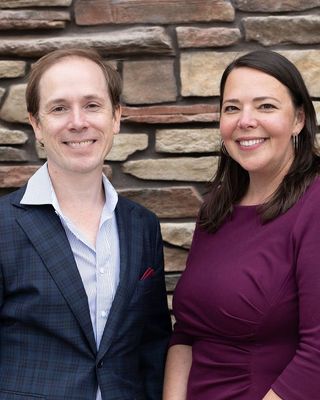
Hosted by Relationship Therapy Center
Marriage & Family Therapist, MA, LMFT
Group meets in Saint Louis Park, MN 55416
Join us for a potent workshop tailored for men who are experiencing challenges in their lives and relationships due to the difficulties of managing a healthy balance between emotions and masculinity. This workshop will help you build confidence in and through your connections to others, gain a deeper understanding of masculinity, as well as learn practical tools for self-regulation and mindful awareness. Next workshop starts October 14th 2026; course dates/times change per group. Call 612-787-2832 or email contact@mncouplescounseling.com to inquire.
Our intensive outpatient group meets three times a week for three hours per session. While focused on substance use disorders, we also address mental health through topics like stress management, DBT and CBT skills, psychoeducation, values, and goal setting. Clients may join after completing an assessment and orientation. Reach out to learn how to begin.

Our intensive outpatient group meets three times a week for three hours per session. While focused on substance use disorders, we also address mental health through topics like stress management, DBT and CBT skills, psychoeducation, values, and goal setting. Clients may join after completing an assessment and orientation. Reach out to learn how to begin.
Children experience or witness gun violence, it can leave lasting emotional waves. This small-group therapy experience offers a safe, supportive space for children ages 5–9 and 10–12 to process big feelings, build coping skills, and begin healing alongside peers who understand. Through play-based activities, guided expression, compassionate support, children are gently encouraged to reconnect with a sense of safety, confidence, hope, and resilience. This supportive group serves children ages 5–9 and 10–12 impacted by gun violence at school. In a gentle, age-appropriate setting, kids build coping skills, express emotions, and begin healing together.

Children experience or witness gun violence, it can leave lasting emotional waves. This small-group therapy experience offers a safe, supportive space for children ages 5–9 and 10–12 to process big feelings, build coping skills, and begin healing alongside peers who understand. Through play-based activities, guided expression, compassionate support, children are gently encouraged to reconnect with a sense of safety, confidence, hope, and resilience. This supportive group serves children ages 5–9 and 10–12 impacted by gun violence at school. In a gentle, age-appropriate setting, kids build coping skills, express emotions, and begin healing together.
NEXT GROUP START DATE TBD. This group will meet weekly for six weeks. It will focus on mindfulness, regulating emotions, tolerating stress, self-care and boundaries in relationships. This is a skills-based group. You will be taught new skills at each meeting and have opportunities to practice those skills between sessions and share your experience with the group. Participants encouraged to commit to the entire six weeks as there is a lot of material covered and a group functions best when clients attend consistently. Group participants have a one-on-one appointment with the group facilitator prior to starting.

Hosted by Kristin Kelly Steady
Marriage & Family Therapist, MS, LAMFT
Group meets in Lakeville, MN 55044
NEXT GROUP START DATE TBD. This group will meet weekly for six weeks. It will focus on mindfulness, regulating emotions, tolerating stress, self-care and boundaries in relationships. This is a skills-based group. You will be taught new skills at each meeting and have opportunities to practice those skills between sessions and share your experience with the group. Participants encouraged to commit to the entire six weeks as there is a lot of material covered and a group functions best when clients attend consistently. Group participants have a one-on-one appointment with the group facilitator prior to starting.
Our Telehealth DBT Group for Adolescents offers structured, virtual support through four six-week modules: Emotional Regulation, Middle Path Concepts, Distress Tolerance, and Interpersonal Relationships. Adolescents learn to manage emotions, balance acceptance and change, tolerate crises, and improve communication. Additional skills include Mindfulness, Self-Validation, Problem-Solving, and Coping Ahead. At the end of each module, a parent meeting provides updates and guidance on supporting growth. Join our group to help your adolescent develop essential skills for managing emotions, handling stress, and improving relationships in a supportive virtual setting.

Hosted by Echo Anne Althoff
Marriage & Family Therapist, LMFT, MS
Group meets in Maple Grove, MN 55369
Our Telehealth DBT Group for Adolescents offers structured, virtual support through four six-week modules: Emotional Regulation, Middle Path Concepts, Distress Tolerance, and Interpersonal Relationships. Adolescents learn to manage emotions, balance acceptance and change, tolerate crises, and improve communication. Additional skills include Mindfulness, Self-Validation, Problem-Solving, and Coping Ahead. At the end of each module, a parent meeting provides updates and guidance on supporting growth. Join our group to help your adolescent develop essential skills for managing emotions, handling stress, and improving relationships in a supportive virtual setting.
Depression, Anxiety, Trauma IOP is a group-based treatment specifically for individuals who need additional support or are transitioning from a higher level of care such as PHP treatment. The program encourages participants to approach their healing journey from a mind-body-spirit approach. Our adult program meets M, T, TH and F from 9-12am. Examples of skills taught include somatic resourcing, cognitive challenging, relaxation techniques, breathing exercises, healthy boundaries, trauma trigger management, emotional expression/containment, and communication skills.

Hosted by Water's Edge Counseling & Healing Center
Psychologist, PhD
Group meets in Burnsville, MN 55306
Depression, Anxiety, Trauma IOP is a group-based treatment specifically for individuals who need additional support or are transitioning from a higher level of care such as PHP treatment. The program encourages participants to approach their healing journey from a mind-body-spirit approach. Our adult program meets M, T, TH and F from 9-12am. Examples of skills taught include somatic resourcing, cognitive challenging, relaxation techniques, breathing exercises, healthy boundaries, trauma trigger management, emotional expression/containment, and communication skills.
At various times throughout the year we offer a DBT skills group to help individuals develop skills in multiple domains, including mindfulness, interpersonal effectiveness, emotion regulation, and distress tolerance. Although components of the full DBT model are not currently offered at our clinic (e.g. phone coaching), participants in this group can use it as an adjunct to therapy or as group therapy alone.
Hosted by Twin Cities Cognitive Behavioral Treatment Center
Psychologist, PsyD
Group meets in Saint Paul, MN 55102
At various times throughout the year we offer a DBT skills group to help individuals develop skills in multiple domains, including mindfulness, interpersonal effectiveness, emotion regulation, and distress tolerance. Although components of the full DBT model are not currently offered at our clinic (e.g. phone coaching), participants in this group can use it as an adjunct to therapy or as group therapy alone.
We understand that pets bring joy to our lives in many different ways. When we have to say goodbye to our pet, it can be a devastating loss. Sometimes there are people in our lives who minimize our loss which leaves us feeling isolated and alone. We may be shamed for not just "getting over it" which only complicates the process. Call or message Stephanie at info@panoramicperspectives.com or 952-600-8191. First group meets on Friday June 12, 2026 - Space limited to six adults and does include our therapy dog Griffey's attendance.

Hosted by Stephanie Gindorff
Pre-Licensed Professional, C-AAIS, Intern
Group meets in Lakeville, MN 55044
We understand that pets bring joy to our lives in many different ways. When we have to say goodbye to our pet, it can be a devastating loss. Sometimes there are people in our lives who minimize our loss which leaves us feeling isolated and alone. We may be shamed for not just "getting over it" which only complicates the process. Call or message Stephanie at info@panoramicperspectives.com or 952-600-8191. First group meets on Friday June 12, 2026 - Space limited to six adults and does include our therapy dog Griffey's attendance.
Patients will learn: *How dieting causes you to become preoccupied with food and to view food a the enemy*How dieting slows down your metabolism and causes weight gain*How to enjoy food and achieve a healthy weight*How to improve your relationship with food*How to manage and get support with issues around food, weight, and body image.

Patients will learn: *How dieting causes you to become preoccupied with food and to view food a the enemy*How dieting slows down your metabolism and causes weight gain*How to enjoy food and achieve a healthy weight*How to improve your relationship with food*How to manage and get support with issues around food, weight, and body image.
Firelight Psychotherapy is hosting a new support group focused on men and relationships. It would fit a variety of men going through changes that may occur early or late in life. Specifically, we are striving to support men as they enter new commitments, experience new stressors, and adjust to evolving roles and responsibilities. Our vision is oriented towards men building new relationships rather than grieving a divorce, but we are happy to talk to you if you are unsure it would be a good fit. This in-person group is slated to run Thursdays from 12-1:15 pm.
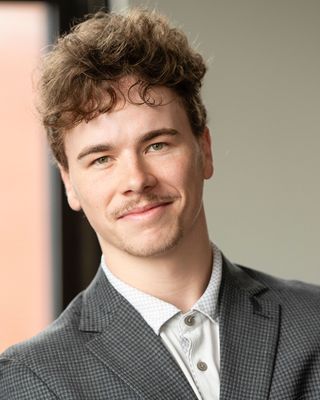
Firelight Psychotherapy is hosting a new support group focused on men and relationships. It would fit a variety of men going through changes that may occur early or late in life. Specifically, we are striving to support men as they enter new commitments, experience new stressors, and adjust to evolving roles and responsibilities. Our vision is oriented towards men building new relationships rather than grieving a divorce, but we are happy to talk to you if you are unsure it would be a good fit. This in-person group is slated to run Thursdays from 12-1:15 pm.
Train the Mind. Master the Moment. This 8-week therapy group equips high-performing teens with science-backed, sports psychology-based tools to manage anxiety, regulate emotions, and perform with calm confidence—on and off the field. Blending sports psychology with evidence-based mental health strategies, this group helps teens reduce anxiety, sharpen focus, and build lasting resilience. Teens will learn how to recover from setbacks, stay grounded under pressure, and thrive in high-stakes moments. This group runs Tues @ 3PM ?Edina and Thursdays 6PM in ?St Paul Reserve a spot today! https://forms.gle/wdjLJue5EeoMxgqU7

Train the Mind. Master the Moment. This 8-week therapy group equips high-performing teens with science-backed, sports psychology-based tools to manage anxiety, regulate emotions, and perform with calm confidence—on and off the field. Blending sports psychology with evidence-based mental health strategies, this group helps teens reduce anxiety, sharpen focus, and build lasting resilience. Teens will learn how to recover from setbacks, stay grounded under pressure, and thrive in high-stakes moments. This group runs Tues @ 3PM ?Edina and Thursdays 6PM in ?St Paul Reserve a spot today! https://forms.gle/wdjLJue5EeoMxgqU7
Serenity’s meditation practice is based on Jon Kabat Zinn’s Mindfulness-Based Stress Reduction (MBSR) model. MBSR is a healing approach that combines meditation & mindfulness exercises, including body awareness through simple body movements & cultivation of senses. Through breath work, body scans, & sensory-incorporated imagery led by professionals, you achieve life balance. In meditation, there is no previous experience needed & no desired state of being. You come, without judgment, as you are. Clients strive to cultivate greater awareness of the present moment. By increasing connection to breath & body, participants strive to reduce their overall level of arousal & emotional reactivity, & gain a deeper sense of calm.
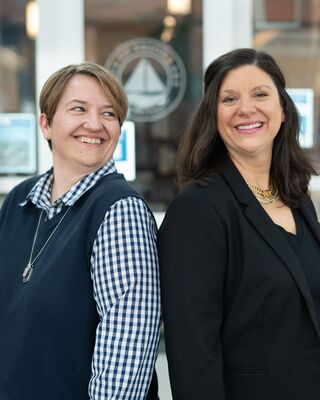
Hosted by Serenity Behavioral Health & Wellness LLC
Psychologist, PsyD, LP
Group meets in Savage, MN 55378
Serenity’s meditation practice is based on Jon Kabat Zinn’s Mindfulness-Based Stress Reduction (MBSR) model. MBSR is a healing approach that combines meditation & mindfulness exercises, including body awareness through simple body movements & cultivation of senses. Through breath work, body scans, & sensory-incorporated imagery led by professionals, you achieve life balance. In meditation, there is no previous experience needed & no desired state of being. You come, without judgment, as you are. Clients strive to cultivate greater awareness of the present moment. By increasing connection to breath & body, participants strive to reduce their overall level of arousal & emotional reactivity, & gain a deeper sense of calm.
• Confidence-building practices that help participants challenge anxious thoughts, reclaim identity, and step into God given purpose. • Practical weekly action steps to apply faith and coping skills in daily life. Who This Group Is For Women seeking to: • Strengthen their faith while navigating anxiety • Break cycles of fear, worry, or self criticism • Build confidence rooted in biblical truth • Heal from past experiences that fuel anxiety • Grow spiritually while developing emotional resilience No prior therapy experience is required. All levels of faith are welcome.

Hosted by Lakeview Wellness Counseling PLC
Clinical Social Work/Therapist, LPCC, LICSW, MA
Group meets in Burnsville, MN 55306
• Confidence-building practices that help participants challenge anxious thoughts, reclaim identity, and step into God given purpose. • Practical weekly action steps to apply faith and coping skills in daily life. Who This Group Is For Women seeking to: • Strengthen their faith while navigating anxiety • Break cycles of fear, worry, or self criticism • Build confidence rooted in biblical truth • Heal from past experiences that fuel anxiety • Grow spiritually while developing emotional resilience No prior therapy experience is required. All levels of faith are welcome.
This group is provided periodically or on demand. Participants are guided through the steps of EMDR (G-REP) in group format of 4-8 people. The structure allows for your privacy. This is ideal for first responders, veterans, support groups looking for specific trauma intervention, companies, health care departments. On site location may be possible at an additional cost.
This group is provided periodically or on demand. Participants are guided through the steps of EMDR (G-REP) in group format of 4-8 people. The structure allows for your privacy. This is ideal for first responders, veterans, support groups looking for specific trauma intervention, companies, health care departments. On site location may be possible at an additional cost.
To assist clients in learning, applying and generalizing emotion regulation, core mindfulness, distress tolerance, and interpersonal effectiveness skills to increase client's resources to navigate distress effectively and improve their overall well being.

Hosted by Oak Ridge Center
Licensed Professional Clinical Counselor
Group meets in Apple Valley, MN 55124
To assist clients in learning, applying and generalizing emotion regulation, core mindfulness, distress tolerance, and interpersonal effectiveness skills to increase client's resources to navigate distress effectively and improve their overall well being.
Do you identify as LGBTQIA2S+? Have you been working on yourself through DBT? Are you ready to take your mental health to the next level? Join our IN-PERSON Queer Process Group, an affirming space designed for folx who are in individual therapy and are eager to deepen their practice, connect with others, and explore growth in a safe, supportive environment. To learn more-> https://www.kwscw.org/process-group

Do you identify as LGBTQIA2S+? Have you been working on yourself through DBT? Are you ready to take your mental health to the next level? Join our IN-PERSON Queer Process Group, an affirming space designed for folx who are in individual therapy and are eager to deepen their practice, connect with others, and explore growth in a safe, supportive environment. To learn more-> https://www.kwscw.org/process-group
Held is a three-month group ketamine-assisted psychotherapy program for mothers navigating anxiety, depression, grief, identity loss, and the ongoing shifts of motherhood at any stage. A small circle of 6–8 women move through preparation, medicine sessions, and integration together — in real relationship, over time. Full medical supervision throughout. Our founding cohort completes their journey in October 2026. What has unfolded in that circle has moved us deeply and inspired us to open a second cohort beginning January 2027. $1,050 self-pay for all nine sessions · $1,500 full out-of-pocket.
Hosted by Olivia Mackley
Marriage & Family Therapist, MA, LMFT, PMH-C
Group meets in Saint Anthony, MN 55418
Held is a three-month group ketamine-assisted psychotherapy program for mothers navigating anxiety, depression, grief, identity loss, and the ongoing shifts of motherhood at any stage. A small circle of 6–8 women move through preparation, medicine sessions, and integration together — in real relationship, over time. Full medical supervision throughout. Our founding cohort completes their journey in October 2026. What has unfolded in that circle has moved us deeply and inspired us to open a second cohort beginning January 2027. $1,050 self-pay for all nine sessions · $1,500 full out-of-pocket.
Human beings love stories. Most of us participate in stories through reading or watching favorite movies or tv shows. But have you ever thought of your life as a story? Many of us haven’t, but every person has a story worth telling. When we begin telling our stories with a group of attentive listeners we are able to see ourselves more clearly. When those attentive listeners offer care we may not have originally been given it can be transformative. This group work combines clinical techniques, storytelling, and Christian formation. Email interconnectedcounselingmn@gmail.com.

Hosted by Eric Lonergan
Licensed Professional Counselor, MA, LPCC
Group meets in Arden Hills, MN 55126
Human beings love stories. Most of us participate in stories through reading or watching favorite movies or tv shows. But have you ever thought of your life as a story? Many of us haven’t, but every person has a story worth telling. When we begin telling our stories with a group of attentive listeners we are able to see ourselves more clearly. When those attentive listeners offer care we may not have originally been given it can be transformative. This group work combines clinical techniques, storytelling, and Christian formation. Email interconnectedcounselingmn@gmail.com.
See more therapy options for 55404


FAQs - About Group Therapy and Support Groups
How can I find a support group in 55404?
To find a support group in your area, start by entering your city, zip code, or the name of the group into the search bar at the top of the page. When searching, consider whether you prefer an in-person or virtual group. This can help you decide how broad your geographic search should be. If you are open to virtual groups, you might want to search by state instead of just your city, especially if there are limited options nearby.
Once you complete your search, you can use the filters to narrow the results by selecting specialties (such as grief, trauma, or eating disorders), therapeutic approaches, age groups, and other criteria to find a group that best fits your needs.
How does group therapy work?
Group therapy is led by one or more trained therapists and provides a space where participants can process their experiences and learn from others facing similar challenges. Groups may focus on a specific issue—such as addiction, grief, physical illnesses, parenting, or caregiving—or they may center around a particular therapeutic approach, such as Cognitive Behavioral Therapy (CBT), social skill development, or Exposure Therapy. Some groups are also designed for specific populations, such as teens, veterans, or LGBTQ+ individuals.
It’s also important to distinguish group therapy from peer-led support groups, like Alcoholics Anonymous. While both can offer valuable support, therapy groups are typically led by licensed professionals and follow a more structured format. Therapy groups often meet for a fixed length of time with a consistent group of members, while many peer support groups meet for an indefinite period of time with members coming and going.
What are the benefits of group therapy?
Group therapy offers several important benefits. It brings together people facing similar challenges—whether related to mental health, physical health, or life transitions—and creates a supportive environment where participants can exchange feedback, share experiences, and learn from one another. Hearing different perspectives can help individuals discover new coping strategies and practical tools they may not have encountered on their own. Sharing personal experiences, such as coping with a serious illness or navigating family struggles, can also reduce feelings of isolation and foster a sense of connection and understanding. In addition to emotional support, group members often gain useful, real-world advice from peers who have faced similar situations.
Group therapy is typically more affordable than individual therapy and, for certain conditions, can be equally effective. Many groups also include structured activities—such as guided journaling, cognitive-behavioral exercises, or role-playing—to help participants develop concrete skills they can apply in daily life.
Is group therapy as effective as individual therapy?
It is difficult to make a blanket statement about the effectiveness of support groups, as they vary widely in focus and the conditions they address. However, support groups can be highly valuable in helping individuals gain emotional support and achieve meaningful treatment outcomes. For certain conditions, such as substance use, research has shown that group therapy can be particularly effective—sometimes just as effective as individual therapy—in supporting long-term recovery.
Many professionals attribute the effectiveness of group therapy to the unique benefits of the group setting, which fosters peer-to-peer learning and a sense of connection through shared experiences. Group settings also offer accountability and encouragement from both facilitators and fellow participants, which helps sustain motivation and supports continued progress. These factors together play a key role in promoting the overall effectiveness of group therapy.
How much does group therapy cost?
Group therapy is typically less expensive than individual therapy, with sessions typically costing between $50 and $75 each. In comparison, individual therapy can cost anywhere from $100 to $200 or more per session, even with insurance. Some therapists or organizations offer low-cost or free group therapy options, particularly through community centers or nonprofit organizations. In some cases, groups may require payment upfront for a set number of sessions, such as paying for six weekly sessions at the first meeting. However, many providers offer payment plans to help make participation more accessible if this upfront payment is required.
Does insurance cover group therapy?
As with individual therapy, insurance coverage for group therapy varies based on factors such as your specific insurance plan, the purpose of the group, your diagnosis, and whether the group provider is in-network. Many insurance plans cover group therapy sessions that address diagnosable mental health conditions, such as substance use disorders, anxiety, or depression.
However, groups that focus on topics not directly tied to a mental health diagnosis—such as parenting support or divorce recovery—are less likely to be covered. Because coverage can vary widely, it’s important to check with your insurance provider before joining a group to confirm whether the sessions will be covered and what out-of-pocket costs you may be responsible for.
How long does group therapy last?
The length of each group therapy session typically ranges from 45 minutes to two hours, depending on the therapy approach, the group’s goals, and how often the group meets. In some cases, group therapy is part of a larger treatment program, such as an Intensive Outpatient Program (IOP), where group sessions complement individual therapy and are scheduled as part of the program’s overall structure.
The duration of participation in a group also varies. Some groups are designed to be short-term, lasting anywhere from 6 to 24 weeks—for example, bereavement groups or skills-based groups like those using Dialectical Behavioral Therapy (DBT). Other groups may be longer-term, lasting a year or more, and some ongoing support groups meet indefinitely, allowing participants to stay as long as they find the group helpful.
What are the limitations of support groups?
Support groups offer many benefits, but they also have certain limitations. Unlike therapy groups, many support groups do not provide formal therapeutic treatment and are not led by licensed mental health professionals. For individuals seeking clinical treatment for specific mental health diagnoses—such as depression, eating disorders, or substance use—individual therapy or group therapy led by a licensed professional may offer more personalized and specialized care.
The effectiveness of a support group also depends heavily on the group’s participants and the overall group dynamic. When members engage respectfully and offer constructive support, the group can foster valuable peer-to-peer learning. However, if certain participants dominate discussions, provide inaccurate advice, or create conflict, it can disrupt the group’s sense of safety and reduce its effectiveness. Confidentiality can also be harder to maintain in support groups, particularly in open groups where participants can join or leave at any time. With new members regularly entering the group, it can be more difficult to build and sustain a consistent sense of trust and privacy.