Support Groups in Campbell Hall, NY
A cognitive behavioral therapy (CBT) specifically designed for individuals who have survived trauma and engage in unsafe behaviors but are looking to learn and strengthen skills to improve coping with trauma-related emotions and stress. This group cohort is gender-specific. Sessions are usually 60-75 minutes and run for 12 weeks.
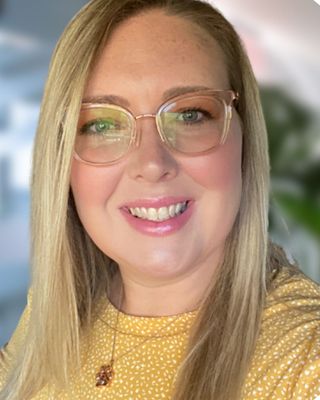
Hosted by Kristina Barton
Counselor, LMHC, CASAC-M
Verified Verified
Group meets in Campbell Hall, NY 10916
Imagine if vulnerability was no longer a dirty word. Imagine if you could escape from suffering, regain control of your life, and love the life you're living. Putting your self-care at the top of your list might be just what you need to start making the changes you've been dreaming about.
.
Hosted by Kristina Barton
Counselor, LMHC, CASAC-M
Verified Verified
Group meets in Campbell Hall, NY 10916
Imagine if vulnerability was no longer a dirty word. Imagine if you could escape from suffering, regain control of your life, and love the life you're living. Putting your self-care at the top of your list might be just what you need to start making the changes you've been dreaming about.
More Groups Nearby
In today’s fast-paced and often overwhelming world, finding a sanctuary for emotional well-being is more important than ever. Imagine a place where adults can gather, not just to read, but to heal and grow through the power of literature. This is the essence of our adult therapeutic book club. This group is born from the understanding that books are more than just stories; they are gateways to empathy, self-reflection, and personal transformation. Each meeting is an opportunity for members to step away from the stresses of daily life and enter a world where they can explore.
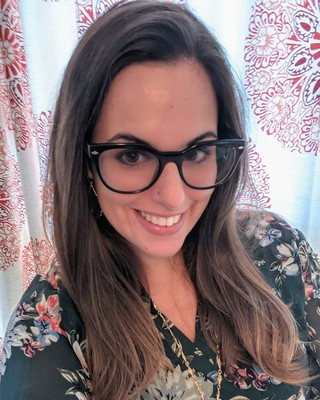
Hosted by Elizabeth Driscoll
Counselor, LMHC
Verified Verified
Group meets in Middletown, NY 10941
I whole-heartedly believe in the concept of “Feel then Heal.” Together, we can explore what is going on that is preventing you from living the life you want to live and cultivate solutions that realistically fit your life. I take a strength-based approach to counseling and believe you already possess the answers you need to become the best version of yourself, and that it is simply my job to help you find them. We can explore the thought patterns that may be preventing you from being able to move towards your goals and actively begin thinking about situations in a more positive way.
This group helps clients reflect on themselves and the issues that makes them angry. Through deep discussions and positive therapeutic strategies clients learn how to target their triggers, what phrases, gestures or behaviors are shown before the situations gets out of control. Through Acceptance and Commitment Therapy, Cognitive Behavior Therapy and or Solution Focused Brief therapy clients learn the tools to identify their triggers and learn strategies to help avoid or be able to control their emotions before it escalates.
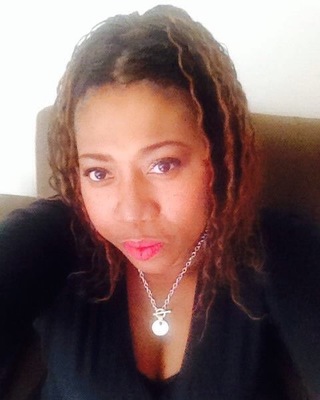
Hosted by Thomasina Brown
MA, MS, CAMS
Verified Verified
Group meets in Middletown, NY 10941
I am a Certified Anger Management Specialist that builds healthy relationships with my clients. I take pride in learning about my clients so I can be effective by creating an intervention plan specifically for each client based on their needs. I empower my clients by utilizing coaching and different positive techniques from Cognitive Behavior Therapy. I provide services through 4 or more sessions and I am available via phone or text after hours for support if needed in between sessions.
This is a group where adults with ADHD are able to discuss their experiences, challenges, and accomplishments related to ADHD in a supportive and understanding environment. This group will provide education on symptoms and helpful strategies to improve executive functioning abilities such as planning, time management, task initiation, productivity, organization, flexible thinking, and emotional control. This space will allow individuals to learn from one another, exchange valuable insights, and promote a sense of empowerment in managing their symptoms and thrive in all aspects of their lives.
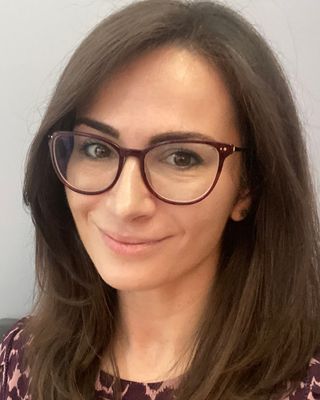
Hosted by Gabrielle Fassman
Clinical Social Work/Therapist, LMSW
Verified Verified
Group meets in Goshen, NY 10924
My hope is to create a safe, nonjudgmental space to offer you the opportunity for self-growth, self-reflection, and develop ultimate balance within yourself. My practice is psychodynamically informed and inspired by a belief that properly guided therapeutic work can provide a sense of freedom when we are motivated and willing to make brave changes. My priority is to build a strong therapeutic connection in order to inspire and support your growth. I specialize in adolescents and adults struggling with mood disorders, substance abuse/misuse disorders, eating disorders, gender identity and sexuality issues, and survivors of trauma.
Our support groups offer a safe, evidence-based environment for grievers to take effective and lasting action, no matter the type of loss experienced. These groups are led by Certified Grief Recovery Method Specialists, trained and certified by the Grief Recovery Institute. This Group will run for 8-weeks on Tuesdays. Seating is expected to fill so please call to reserve your spot today. The investment is only $600 for the 8-weeks and can be paid in up to 3 installments. Health Savings Accounts (HSA) or credit cards can be used. ACCEPTED INSURANCES CAN BE USED FOR GROUP SESSIONS.
Hosted by Dr. Tenise M. Wall
Clinical Social Work/Therapist, PhD, LCSW, ACSW, CASAC-M
Verified Verified
Group meets in Middletown, NY 10940
New Clients Welcome! I have learned early on that when you actually care about what you are doing that it shines through with every client contact & everything that you do. Superheros have a superpower; mine is my heart. The heart of what I do is identifying the needs in my clients and seeing how best I can meet them through compassion, non-judgment, experienced, & skilled clinical care. I have spent more than 2 decades working with children & adolescents with a focus on ADHD, behavioral problems, depression and anxiety issues. I also work with adults on these same issues & more. Check out my website for more in-depth info.
The group name is "Men's Work" and is designed to address the socialization process that teaches men violence and control as a means of settling our desputes. Program offers viable alternatives to violence and control, and self-reflective alternative communication techniques. This program satisfies the requirements for self-referred or Court Ordered "Anger Management".

Hosted by William Oliphant
Clinical Social Work/Therapist, LCSW-R, MSW, SAP, DWI-Eva
Verified Verified
Group meets in Goshen, NY 10924
COUPLES or MARITAL COUNSELING thru telemental sessions provided. "Just knowing that someone understands cares, begins the healing process". I provide individual and family needs assessment & evaluations, develop treatment plans for families individuals and groups, and support you by utilizing carefully tuned listening skills. I work closely with Adults or Children apply methodology to reduce stress. I use EFT, CBT, DBT and proven clinical technique to relieve suffering caused by social and experiential, trauma.
High School Ages 14-18. Flourish & Thrive is a group for adolescent girls who are looking to gain skills and support to help navigate them through difficult times. This group will incorporate discussion, activities, and Dialectical Behavior Therapy skills that can help to strengthen relationships, cope with daily stressors, and boost self confidence, all while focusing on finding self-love and compassion.
Hosted by Rachel Formale
Mental Health Counselor, LMHC
Verified Verified
Group meets in Monroe, NY 10950
Asking for help is hard. It’s so natural for us as humans to suffer in silence, to hide ourselves because of the shame that we feel about saying, “Hey, I’m struggling.” My goal is to help you have the hard conversations. To listen to how you’re feeling, and to help you get what you need. You don’t have to do it alone. I aim to offer support to anyone who is struggling with their mental health by practicing a person-centered approach and utilizing my experience with a variety of approaches, including CBT, DBT, motivational interviewing, positive psychology, mindfulness and coping skills development.
This group helps to empower victims of domestic violence and give them a safe place filled with supports. Through positive therapeutic practices, social and emotional activities, and powerful discussion groups clients are empowered by learning to identify abuse in its different forms. Clients learn different strategies to prevent or de-escalate the situation before it manifests. However, if the client is the abuser, through discussion and activities they will learn to target their abusive behaviors and strategies to change their behaviors.
Hosted by Thomasina Brown
MA, MS, CAMS
Verified Verified
Group meets in Middletown, NY 10940
I am a Certified Anger Management Specialist that builds healthy relationships with my clients. I take pride in learning about my clients so I can be effective by creating an intervention plan specifically for each client based on their needs. I empower my clients by utilizing coaching and different positive techniques from Cognitive Behavior Therapy. I provide services through 4 or more sessions and I am available via phone or text after hours for support if needed in between sessions.
8-Week Coaching group being offered now for $600. Participants will explore their thoughts, feelings, experiences, and attitudes about money, learn money basics, gain insight into their current financial circumstances, set initial financial goals, and begin their path to financial healing. You can expect a supportive, non-judgmental environment where you are free to learn, explore and GROW. When the exploring may become hard, I’m there to push you to continue and when you hit those milestones I’m there to cheer you on! Deposit of $200 at time of registration. Deposit 100% refundable to 1/2/23
Hosted by Dr. Tenise M. Wall
Clinical Social Work/Therapist, PhD, LCSW, ACSW, CASAC-M
Verified Verified
Group meets in Middletown, NY 10940
New Clients Welcome! I have learned early on that when you actually care about what you are doing that it shines through with every client contact & everything that you do. Superheros have a superpower; mine is my heart. The heart of what I do is identifying the needs in my clients and seeing how best I can meet them through compassion, non-judgment, experienced, & skilled clinical care. I have spent more than 2 decades working with children & adolescents with a focus on ADHD, behavioral problems, depression and anxiety issues. I also work with adults on these same issues & more. Check out my website for more in-depth info.
8-week COACHING GROUP that focuses on the many challenges that women often face (parenting, marriage, spirituality, health & wellness, mental health and more) and providing skills and the supportive network of the group to learn and grow and build resilience in helping them overcome. Cost is $425, deposit of $125 is required at time of registration. Deposit is Fully refundable up to 24 hours before start of session. Meetings are held Tuesdays on Zoom. We meet Jan. 3, 10, 17, 24, 31 and February 7, 14, 28, 2023. Register now before the deadline. Group is expected to fill!
Hosted by Dr. Tenise M. Wall
Clinical Social Work/Therapist, PhD, LCSW, ACSW, CASAC-M
Verified Verified
Group meets in Middletown, NY 10940
New Clients Welcome! I have learned early on that when you actually care about what you are doing that it shines through with every client contact & everything that you do. Superheros have a superpower; mine is my heart. The heart of what I do is identifying the needs in my clients and seeing how best I can meet them through compassion, non-judgment, experienced, & skilled clinical care. I have spent more than 2 decades working with children & adolescents with a focus on ADHD, behavioral problems, depression and anxiety issues. I also work with adults on these same issues & more. Check out my website for more in-depth info.
Ages 21-35. Learn coping skills in the areas of mindfulness, emotional regulation, distress tolerance and interpersonal effectiveness to help you thrive and improve daily functioning. DBT skills can be extremely beneficial for anxiety, depression, eating disorders, PTSD and more! Connect with other Young Adults in a safe and supportive environment.
Hosted by Melissa Quinn
Counselor, LMHC, CDBT
Verified Verified
Group meets in Monroe, NY 10950
There are times in our lives when we feel lost, stuck, unhappy, or powerless. Sometimes we are unsure how we feel, or why we feel this way. Other times we are unsure or confused by what to do about it. Making the decision to start therapy can be an intimidating experience, and I truly appreciate the opportunity to partner with you in creating a safe, empathetic and comfortable environment in which to assist you with gaining a deeper understanding of yourself, as well as the skills and understanding needed to face life’s challenges with a sense of competence, confidence, and self-compassion.
Have you ever wanted to learn more about how to practice mindfulness while simultaneously being able to express yourself in a creative manner? Well then, here’s the group for you! Conveniently, artwork is already a mindful technique at its core. This group will help you regulate and become focused on the moment. Weekly mindfulness practices, all while having a positive experience expressing their self through creative lenses! With utilizing creative arts, one can bring about self-understanding, decrease strong emotions such as anxiety or depression and give way to better emotional regulation. Group rotates between adult and teen populations.

Hosted by Holland Troeger
Counselor, LMHC
Verified Verified
Group meets in Middletown, NY 10941
Life happens! And when it does, we can feel an endless range of emotions. Anxiety, depression, sadness, anger, happiness and the list goes on. While all of these feelings are normal and healthy, it can be overwhelming to experience them. That’s where I come in!
Weekly Yoga Classes focussing on Nervous System Regulation. Private sessions and small groups available as well.
Hosted by Sarah Jean White, LMHC
Counselor, LMHC, CYT, ADHDCSP
Verified Verified
Group meets in Goshen, NY 10924
My gift as a counselor is that I am truly passionate about my work. We are never broken. We are always doing our personal best with the tools that we have. Often we lack the tools or they get lost when challenges arise, leaving us with ineffective, destructive coping mechanisms. Seeking counseling is a courageous step in showing up for yourself. Its important to find the right therapist. I provide a safe, trusting and judgment free setting so my clients can begin to understand their life through a lens free of old defenses that no longer work.
Learn coping skills in the areas of mindfulness, emotional regulation, distress tolerance and interpersonal effectiveness to help you thrive and improve daily functioning. DBT skills can be extremely beneficial for anxiety, depression, behavioral issues, PTSD and more! Connect with other teens in a safe and supportive environment. High School ages 14-17. NourishYourMind.com/Events
Hosted by Rachel Formale
Mental Health Counselor, LMHC
Verified Verified
Group meets in Monroe, NY 10950
Asking for help is hard. It’s so natural for us as humans to suffer in silence, to hide ourselves because of the shame that we feel about saying, “Hey, I’m struggling.” My goal is to help you have the hard conversations. To listen to how you’re feeling, and to help you get what you need. You don’t have to do it alone. I aim to offer support to anyone who is struggling with their mental health by practicing a person-centered approach and utilizing my experience with a variety of approaches, including CBT, DBT, motivational interviewing, positive psychology, mindfulness and coping skills development.
Whether you are just beginning to learn about intuitive eating or have been practicing, this group is designed to meet everyone where they are in their own journey. With diet culture being rampant throughout our society, the road to rejecting it can often feel like a lonely one. In this group, you will be provided a safe space to gather and gain support from like-minded individuals to navigate the ups and downs of becoming an intuitive eater. Having a group of people, who understand that the journey to food freedom is about embracing the successes and down falls, creates an empowering environment for change.
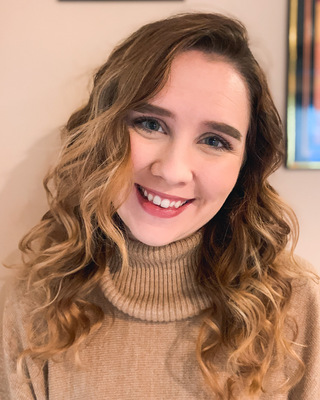
Hosted by Megan A Quinn
Counselor, MS, LMHC
Verified Verified
Group meets in Goshen, NY 10924
If you are struggling with feelings of being "lost" or are having a hard time navigating your way through significant life changes, then I might be the therapist for you. Often dealing with these changes can lead to feelings of anxiety, low self-esteem, or disempowerment. Clients may also see me with problems relating to relationship/dating concerns, college transitions, eating disorders, body image issues, and grief. In counseling with me, I aim to uplift, encourage, and assist you on your path to peace and wellness. I want nothing more than for you to feel empowered and confident in your ability to achieve your goals.
This ongoing support group is meant to connect teens in a safe and non-judgemental environment. Teens will be able to express and work through tough emotions, while learning some of the most important skills for emotional regulation, building healthy relationships, and learning to tolerate some of the negative parts of life! Increase mindfulness and happiness, learn how to improve interpersonal communication, understand how to regulate and manage emotions, survive and manage crises, & navigate stress!
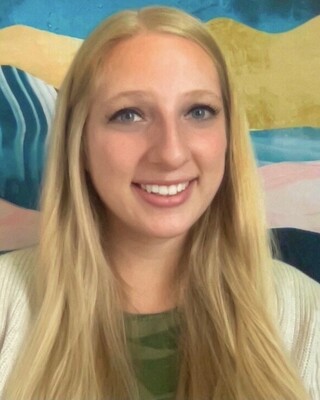
Hosted by Ashley Crover
Counselor, LMHC
Verified Verified
Group meets in Goshen, NY 10924
Are you struggling with something? Anything at all? Well then, you’re looking in the right place. I believe therapy should be a part of everyone's self-exploration and self-care process. Happiness and wellness comes from so many aspects of a person’s life. Until those parts are balanced and fulfilled, then struggles may exist. Whether it’s cognitive, social, romantic, spiritual, behavioral, or any other part of your existence, it’s important to me. My goal as a therapist is to help you become the best and happiest version of yourself. I’ll be right by your side, supporting you in every step of your process.
Join our new parent support group, led by Sugar Loaf Mental Wellness' experienced psychotherapist, Sarah Emanuel, LCSW. Discover a safe and supportive community to explore your parenting jouney, while building a secure attachment with your infant. Gain practical strategies to enhance your well-being and your child's development. Don't miss out on this opportunity to grow together! Enroll online now. https://www.slmentalwellness.com/groups out of network insurances or $50 per week. #therapy #chesterny #SLMW #sugarloafny #youarenotalone #goshenny #middletownny #mentalhealththerapist #warwickny #MaternalMentalHealth #hudsonvalley #paternalmentalhealth
Hosted by Sarah Emanuel
Clinical Social Work/Therapist, LCSW
Verified Verified
Group meets in Chester, NY 10918
I am an empathetic individual who believes that the process of change, although difficult, aids people in creating a happier and more fulfilling life. I work collaboratively with individuals, families, and couples to develop life goals and support them in realizing their dreams. I utilize a mindfulness based approach to coach those seeking treatment to implement healthy methods to cope with the stress and hardships of the everyday. I specialize in working with those who have struggled with trauma, depression, anxiety, chronic illness, psychiatric disorders, complicated grief, managing anger, problem solving, decision making, gender/sexual identity, and self-esteem issues.
Art is an amazing medium for therapy which encourages the creator to process their thoughts and feelings creatively. Children especially respond to this technique as it is a means to express oneself when the language is not yet developed. This group aims to teach your child about emotional identification, emotional regulation, and mindfulness practices all through fun, creative art projects. It will provide a safe space for your child to explore their thoughts and feelings while creating social connections with others. No artistic talent is required! All materials will be provided.
Hosted by Holland Troeger
Counselor, LMHC
Verified Verified
Group meets in Middletown, NY 10941
Life happens! And when it does, we can feel an endless range of emotions. Anxiety, depression, sadness, anger, happiness and the list goes on. While all of these feelings are normal and healthy, it can be overwhelming to experience them. That’s where I come in!
Life is hectic, but with meditation we can learn to ride the waves. The group will consist of guided meditations aimed at reducing stress, anxiety, sleep disturbances, and depression. The group will be held weekly (you can sign up on a weekly basis; you do not need to commit for a specific length of time) on Tuesdays at 6:30pm via Zoom.
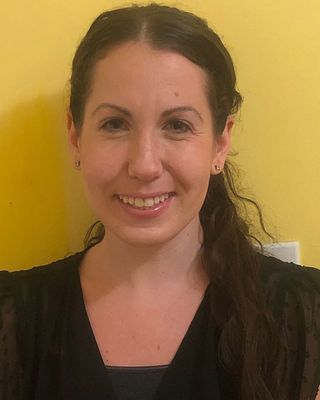
Hosted by Kaitlyn Rezny
Clinical Social Work/Therapist, LCSW
Verified Verified
Group meets in Goshen, NY 10924
If you are reading this, you may be considering working with a therapist. Whether you are feeling anxious, having a difficult time getting motivated, feeling down, or recently going through some other life change, I would love to work with you on reaching your treatment goals. Starting therapy can be an anxiety producing process in itself, but I am a very compassionate, nonjudgemental, and creative clinician so will do my best to ensure it is as comfortable as possible.
See more therapy options for Campbell Hall


Nearby Searches for Campbell Hall
- Beacon
- Cold Spring
- Croton On Hudson
- Goshen
- Middletown
- Monroe
- New City
- New Paltz
- Newburgh
- Peekskill
- Poughkeepsie
- Warwick
FAQs - About Group Therapy and Support Groups
How can I find a support group in Campbell Hall?
Search for nearby support groups by inputting your city, zip code, or the name of the group into the search bar. From there, you can filter to find a group that suits your needs, whether you are looking for support for a teenager, a group that focuses on a specific issue, such as depression, or a particular program type, such as one geared toward developing social skills. To navigate between locations within the same country, enter a new city or zip code into the search bar.
How does group therapy work?
Therapy groups are led by one or more therapists and serve to help people process their experiences and learn from others who understand their challenges firsthand. They can be based on a specific issue, such as addiction, grief, physical illnesses, parenting, and caregiving. They can involve a specific type of program or therapy, such as a social skills group or CBT group. They can also be specific to a particular population or community, such as teens or LGBTQ.
Support groups, like Alcoholics Anonymous, also focus on a specific issue, but are typically led by members with lived experiences and are less structured than therapy groups. Most therapy groups will meet for a fixed length of time with a consistent group of members, while many support groups meet for an indefinite period of time with members coming and going.
Support groups, like Alcoholics Anonymous, also focus on a specific issue, but are typically led by members with lived experiences and are less structured than therapy groups. Most therapy groups will meet for a fixed length of time with a consistent group of members, while many support groups meet for an indefinite period of time with members coming and going.
What are the benefits of group therapy?
Support groups help connect people with shared challenges or physical and mental health conditions. In a group setting, participants can receive support and feedback from peers and can acquire new skills, strategies and perspectives by listening to one another. Discussing your experience with someone who also has a cancer diagnosis, or whose son also struggles with addiction, for example, can help you feel less alone, reduce distress, find empathy and connection, and learn practical or medical information that has helped others. Group therapy can also be a more affordable option than individual therapy and just as effective.
Is group therapy as effective as individual therapy?
Support groups can be deeply valuable for both emotional support and/or treatment outcomes. It’s difficult to make a blanket statement on efficacy due to the many different types of support groups and conditions treated, but group therapy has been found to be just as effective as individual therapy in establishing long-term abstinence for conditions such as substance abuse, addiction and alcohol abuse.
How much does group therapy cost?
Group counseling is typically less expensive than individual counseling, with each session costing on average between $60 to $75. Meanwhile, individual therapy sessions can run anywhere from $100 to $200 and up, even after insurance. It is possible to find low-cost group therapy options and many therapists offer group sessions free of charge.
Does insurance cover group therapy?
As with individual therapy, many insurance companies do offer coverage for group therapy sessions. However, the coverage varies based on your insurance plan details and whether you choose an in-network or out-of-network mental healthcare provider. Individuals are encouraged to check with their insurance providers to verify coverage.
How long does group therapy last?
The length of a support group session is often one hour but can fall anywhere between 45 minutes and two hours. The amount of time that people remain in a support group varies based on their specific needs and goals and the type of therapy. Some individuals may seek a shorter-term group, such as a bereavement group, that may last between six and 20 weeks. Some may seek a longer-term group that lasts for a year or indefinitely.
What are the limitations of support groups?
Support groups have many benefits, but there are a few limitations as well. Support groups do not constitute formal therapeutic or medical treatment, and are not run by licensed mental health professionals, so some people may opt for group therapy or individual therapy instead. Additionally, support groups can depend on the other participants, so a disruptive individual has the potential to mar the group dynamic, and the anecdotal information shared may sometimes be unhelpful or inaccurate. Because it is a group setting, confidentiality can be more difficult to guard and participants receive less personalized attention than they would in an individual therapy session.