Support Groups in Beltsville, MD
This group will focus on the development of appropriate social skills in children. Various weekly topics will include aspects like communication, getting along with peers, & controlling emotions.

Hosted by Marie Fonrose
Counselor, PhD, LCPC, NBCT
Verified Verified
Group meets in Beltsville, MD 20705
This group will focus on the development of appropriate social skills in children. Various weekly topics will include aspects like communication, getting along with peers, & controlling emotions.

Hosted by Multicultural Counseling & Consulting Center LLC
Licensed Clinical Professional Counselor, MA, LMFT
Verified Verified
Group meets in Beltsville, MD 20705
Feeling limited as a licensed graduate professional counselor? As a Maryland Board Approved Supervisor for LGPCs, I can assist you with obtaining your supervision hours. Group supervision is a supportive and collaborative environment in which you can gain insight on ...
Hosted by New Reflections Therapeutic Services, LLC
Licensed Clinical Professional Counselor, MA, LCPC, CST, CSAM
Verified Verified
Group meets in Beltsville, MD 20705
Feeling limited as a licensed graduate professional counselor? As a Maryland Board Approved Supervisor for LGPCs, I can assist you with obtaining your supervision hours. Group supervision is a supportive and collaborative environment in which you can gain insight on ...
The program consists of 12 lessons and you will receive a certificate of completion.
You may also choose to complete the program via individual sessions rather than group sessions.
Hosted by Marie Fonrose
Counselor, PhD, LCPC, NBCT
Verified Verified
Group meets in Beltsville, MD 20705
The program consists of 12 lessons and you will receive a certificate of completion.
You may also choose to complete the program via individual sessions rather than group sessions.
"Dive into your desires: Join our intimate class for men and women, exploring your sexual blueprint to enhance pleasure and understand desires, kinks, and fantasies. Learn techniques for deeper connection and fulfillment."

Hosted by Obrien Wimbish
Counselor, MA
Verified Verified
Group meets in Beltsville, MD 20705
"Dive into your desires: Join our intimate class for men and women, exploring your sexual blueprint to enhance pleasure and understand desires, kinks, and fantasies. Learn techniques for deeper connection and fulfillment."
This support group provides a safe space for WOMEN who struggle with issues around eating, weight, body image and unmanageable thoughts and emotions. You will have the opportunity to explore your own concerns, learn from others and begin or continue ...
Hosted by Marie Fonrose
Counselor, PhD, LCPC, NBCT
Verified Verified
Group meets in Beltsville, MD 20705
This support group provides a safe space for WOMEN who struggle with issues around eating, weight, body image and unmanageable thoughts and emotions. You will have the opportunity to explore your own concerns, learn from others and begin or continue ...
More Groups Nearby
This is an online 12 week court recognized program done individually or as a group to help individuals understand their anger and triggers, the difference between healthy and unhealthy anger, how shame plays a role in anger, and learn practical ...
Hosted by Well Being Counseling Center, LLC
Licensed Clinical Professional Counselor, LCPC
Verified Verified
Group meets in Lanham, MD 20706
This is an online 12 week court recognized program done individually or as a group to help individuals understand their anger and triggers, the difference between healthy and unhealthy anger, how shame plays a role in anger, and learn practical ...
Provides medication education/counseling, prescriptions, and management
Hosted by Royaltouch Integrated Healthcare Services
Psychiatric Nurse Practitioner, DNP, FNP-C, PMHNP
Verified Verified
Group meets in New Carrollton, MD 20784
Provides medication education/counseling, prescriptions, and management
The Women’s Wellness Group is a peer-led group for women. This group creates a supportive environment for women to connect over shared experiences and receive support.

Hosted by Lisa M. Ford
Clinical Social Work/Therapist, LCSW-C, LCSW, LICSW
Verified Verified
Group meets in Laurel, MD 20708
The Women’s Wellness Group is a peer-led group for women. This group creates a supportive environment for women to connect over shared experiences and receive support.
This introductory workshop is based on the internationally acclaimed research of Dr. John Gottman as presented in his New York Times Bestselling book The Seven Principles for Making Marriage Work. The presentation will focus on his research behind the book, ...

Hosted by The Relationship Boosters
Licensed Clinical Professional Counselor, PhD, LCPC, EdD
Verified Verified
Group meets in Laurel, MD 20707
This introductory workshop is based on the internationally acclaimed research of Dr. John Gottman as presented in his New York Times Bestselling book The Seven Principles for Making Marriage Work. The presentation will focus on his research behind the book, ...
ADHD Group
Hosted by Christopher Bertsch
Psychiatric Nurse Practitioner
Verified Verified
Group meets in Bowie, MD 20716
ADHD Group
Protecting Your Mental Health While Black in the Workplace – A Self-care and Manifestation Training Series discusses the accumulating impacts of racism, intergenerational trauma, and adversity on one's physical and mental health. This training aims to enhance the resiliency and ...

Hosted by Ebony L Davis
Clinical Social Work/Therapist, LCSW-C, SAP
Verified Verified
Group meets in College Park, MD 20740
Protecting Your Mental Health While Black in the Workplace – A Self-care and Manifestation Training Series discusses the accumulating impacts of racism, intergenerational trauma, and adversity on one's physical and mental health. This training aims to enhance the resiliency and ...

Hosted by Covenant Psychiatric Services
Psychiatric Nurse Practitioner, CRNP, PMH
Verified Verified
Group meets in Hyattsville, MD 20782
The Inner Goddess Boot Camp is a psychoeducational program designed to help women tap into their feminine energy. This training series is based upon five concepts: forgiveness, sexuality, vulnerability, relationships/boundaries, and self-love/courage. The ultimate goal is to teach women the ...
Hosted by Ebony L Davis
Clinical Social Work/Therapist, LCSW-C, SAP
Verified Verified
Group meets in College Park, MD 20740
The Inner Goddess Boot Camp is a psychoeducational program designed to help women tap into their feminine energy. This training series is based upon five concepts: forgiveness, sexuality, vulnerability, relationships/boundaries, and self-love/courage. The ultimate goal is to teach women the ...
Starting September 2024! The Seven Principles for Making Marriage Work is an online 8 week interactive psycho-educational group that is appropriate for engaged, premarital couples, couples living together, and for couples who have been together or married for years. This ...
Hosted by Well Being Counseling Center, LLC
Licensed Clinical Professional Counselor, LCPC
Verified Verified
Group meets in Lanham, MD 20706
Starting September 2024! The Seven Principles for Making Marriage Work is an online 8 week interactive psycho-educational group that is appropriate for engaged, premarital couples, couples living together, and for couples who have been together or married for years. This ...
This group is a two day workshop for married married couples dealing with issues of betrayal and managing forgiveness. Couples will explore their emotions and issues of trust, betrayal, infidelity, intimacy issues, and learn coping skills around forgiveness, anxiety, and ...

Hosted by Margo S. Claybrooks
Licensed Professional Counselor, LCPC, NCC
Verified Verified
Group meets in Laurel, MD 20707
This group is a two day workshop for married married couples dealing with issues of betrayal and managing forgiveness. Couples will explore their emotions and issues of trust, betrayal, infidelity, intimacy issues, and learn coping skills around forgiveness, anxiety, and ...
These periodic workshops are for women interested in connecting with other psychologically-minded women to enhance interpersonal relationships, release old stories that no longer serve and create new narratives to inspire and uplift us. With the powerful modality of psychodrama, we ...

Hosted by Catherine Decourt Nugent
Licensed Clinical Professional Counselor, LCPC, TEP
Verified Verified
Group meets in Laurel, MD 20707
These periodic workshops are for women interested in connecting with other psychologically-minded women to enhance interpersonal relationships, release old stories that no longer serve and create new narratives to inspire and uplift us. With the powerful modality of psychodrama, we ...
****Anger Management Evaluations and Classes, Maryland and Washington, D.C. Clinical Evaluations. Are you in need of a court-approved Anger Management Evaluation? Look no further than our trusted services in Maryland and surrounding areas. Dial (240) 389-1487 or www.EvaluationsByDrShauna .com to ...

Hosted by Evaluations by Dr. Shauna Moore Reynolds
Licensed Clinical Professional Counselor, EdD, LCPCs, LPC, NCC, ACS
Verified Verified
Group meets in Calverton, MD 20705
****Anger Management Evaluations and Classes, Maryland and Washington, D.C. Clinical Evaluations. Are you in need of a court-approved Anger Management Evaluation? Look no further than our trusted services in Maryland and surrounding areas. Dial (240) 389-1487 or www.EvaluationsByDrShauna .com to ...
Yoga Nidra is the practice of maintaining awareness while in relaxation. Practice is 20 to 45 minutes in length. If you would like to participate in one of our sessions, please contact us at blockcpws@gmail.com. Facilitation is offered bi-weekly via ...
Hosted by Chamika Block
Counselor, LCPC
Verified Verified
Group meets in Laurel, MD 20707
Yoga Nidra is the practice of maintaining awareness while in relaxation. Practice is 20 to 45 minutes in length. If you would like to participate in one of our sessions, please contact us at blockcpws@gmail.com. Facilitation is offered bi-weekly via ...
Intensive outpatient group for adults
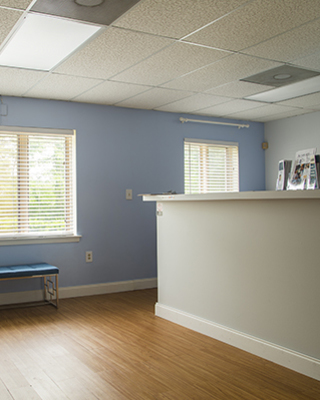
Hosted by Utopia Health Center
Psychiatric Nurse Practitioner, NP Psyc
Verified Verified
Group meets in Greenbelt, MD 20770
Intensive outpatient group for adults
See more therapy options for Beltsville


FAQs - About Group Therapy and Support Groups
How can I find a support group in Beltsville?
Search for nearby support groups by inputting your city, zip code, or the name of the group into the search bar. From there, you can filter to find a group that suits your needs, whether you are looking for support for a teenager, a group that focuses on a specific issue, such as depression, or a particular program type, such as one geared toward developing social skills. To navigate between locations within the same country, enter a new city or zip code into the search bar.
How does group therapy work?
Therapy groups are led by one or more therapists and serve to help people process their experiences and learn from others who understand their challenges firsthand. They can be based on a specific issue, such as addiction, grief, physical illnesses, parenting, and caregiving. They can involve a specific type of program or therapy, such as a social skills group or CBT group. They can also be specific to a particular population or community, such as teens or LGBTQ.
Support groups, like Alcoholics Anonymous, also focus on a specific issue, but are typically led by members with lived experiences and are less structured than therapy groups. Most therapy groups will meet for a fixed length of time with a consistent group of members, while many support groups meet for an indefinite period of time with members coming and going.
Support groups, like Alcoholics Anonymous, also focus on a specific issue, but are typically led by members with lived experiences and are less structured than therapy groups. Most therapy groups will meet for a fixed length of time with a consistent group of members, while many support groups meet for an indefinite period of time with members coming and going.
What are the benefits of group therapy?
Support groups help connect people with shared challenges or physical and mental health conditions. In a group setting, participants can receive support and feedback from peers and can acquire new skills, strategies and perspectives by listening to one another. Discussing your experience with someone who also has a cancer diagnosis, or whose son also struggles with addiction, for example, can help you feel less alone, reduce distress, find empathy and connection, and learn practical or medical information that has helped others. Group therapy can also be a more affordable option than individual therapy and just as effective.
Is group therapy as effective as individual therapy?
Support groups can be deeply valuable for both emotional support and/or treatment outcomes. It’s difficult to make a blanket statement on efficacy due to the many different types of support groups and conditions treated, but group therapy has been found to be just as effective as individual therapy in establishing long-term abstinence for conditions such as substance abuse, addiction and alcohol abuse.
How much does group therapy cost?
Group counseling is typically less expensive than individual counseling, with each session costing on average between $60 to $75. Meanwhile, individual therapy sessions can run anywhere from $100 to $200 and up, even after insurance. It is possible to find low-cost group therapy options and many therapists offer group sessions free of charge.
Does insurance cover group therapy?
As with individual therapy, many insurance companies do offer coverage for group therapy sessions. However, the coverage varies based on your insurance plan details and whether you choose an in-network or out-of-network mental healthcare provider. Individuals are encouraged to check with their insurance providers to verify coverage.
How long does group therapy last?
The length of a support group session is often one hour but can fall anywhere between 45 minutes and two hours. The amount of time that people remain in a support group varies based on their specific needs and goals and the type of therapy. Some individuals may seek a shorter-term group, such as a bereavement group, that may last between six and 20 weeks. Some may seek a longer-term group that lasts for a year or indefinitely.
What are the limitations of support groups?
Support groups have many benefits, but there are a few limitations as well. Support groups do not constitute formal therapeutic or medical treatment, and are not run by licensed mental health professionals, so some people may opt for group therapy or individual therapy instead. Additionally, support groups can depend on the other participants, so a disruptive individual has the potential to mar the group dynamic, and the anecdotal information shared may sometimes be unhelpful or inaccurate. Because it is a group setting, confidentiality can be more difficult to guard and participants receive less personalized attention than they would in an individual therapy session.