Support Groups in Northridge, CA
This is a women's group for individuals that have found themselves divorced or seperated. When this happens there can be a wide range a feelings. These may include feelings of hurt, sadness, anxiety, grief, loss, shame, and betrayal.
In my case it was sudden and unexpected, i felt betrayal and anger which has shifted to feeling relief and now freedom. This groups goal is to help each other through this life transition.
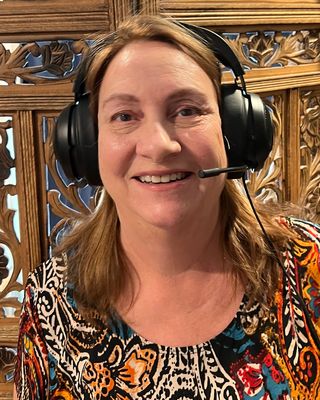
Hosted by Mental Health Wellness 4u
Clinical Social Work/Therapist, Tara, Kesling, LCSW
Verified Verified
Group meets in Northridge, CA 91325
My name is Tara Kesling and I have been working with many different populations for over 30 years. I have worked with individuals, families, children, seniors, and couples. I am currently offering Telemental Health Therapy services to adults. I am a good listener and able to help people redirect their life and feel better about themselves using Cognitive Behavioral Therapy (CBT) and other clinical modalities. I have worked with the assessment process in determining the direction of care. I accept insurance through Headway.
The Processing Group is for individuals who want to explore and process difficult experiences, and emotions with their peers and with professional guidance. This group combines education, exploration, and support to foster a space where one can dive into their own story without judgement. If you are interested in this group, I will do an intake with you to assess if you are a good fit, and discuss group rules.
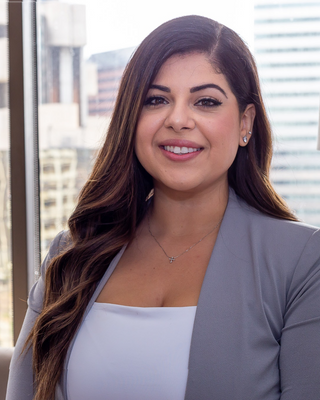
Hosted by Dr. Angie Gereis
Psychologist, PsyD
Verified Verified
Group meets in Northridge, CA 91326
Hi, there. I know you've been searching for the right therapist, and I know it's frustrating to try to find someone you connect with. Whatever brings you here, I understand that trying to "have it all" in today's world is a goal that feels unachievable. Whether you have been feeling overwhelmed with worrying thoughts, not feeling like yourself, are grieving, going through a major transition, or want to work on your relationships with yourself and others, I believe we can make sense of it all together. You do not need to have all the answers all alone.
Are you newly-divorced, in the process, or already in your next chapter? Would you like to connect to other like-minded high-vibe women you can relate to?Join us for some insight, honesty and laughter! https://www.meetup.com/Divorce-Diaries/ "I found the ladies who were there to be ladies who desire empowerment. Some are a little 'stuck' but, before the night was over, it seemed that each one left with a sense of freedom and release, even if for a moment. Daniella treated each person with value, gave them space and was "in their" moment with them. Incredibly positive!

Hosted by Daniella Bloom
MA, LMFT
Not Verified Not Verified
Group meets in Northridge, CA 91325
Are you feeling stuck in a certain area in your life and just want to move forward? Or, are you going through a tough transition? Maybe, you feel you can't find the kinds of relationships that you want, professionally or personally? Perhaps you struggle with understanding what your full potential even is? Don't worry, I got you! Hello my name is Daniella Bloom- I wear two hats- 1) Compassionate & experienced Licensed Psychotherapist and 2) Results-oriented, no BS Transformational Coach. I help millennials, women, men, singles, couples & divorcées get back to the life and love they are truly ready for! Let's do this!
The group ranges from 4 to 7 members and encourages self care and understanding of the difficult relationship struggles that occur when a family member has a Personality Disorder. This group is also open to people who have a Personality Disordered Boss or co-worker. All sexual orientations are welcome and the group is open. If you are regularly confused in a relationship, can never feel good or adequate, or you are constantly "walking on eggshells", this group is for you.

Hosted by Nicoli Tucker
Marriage & Family Therapist, MA, MFT
Verified Verified
Group meets in Northridge, CA 91324
As a therapist I have a longstanding interest in helping clients heal their psychological issues against the background of their faith orientation. I graduated from Fuller Theological Seminary where integration of faith and psychology is primary and I continue to read a diverse number of classics in spiritual and theological literature. I am an Oblate at St. Andrew's Abbey a Catholic Benedictine Monastery. I have experience with clients from protestant, orthodox, Jewish, Christian and Roman Catholic denominations. I am familiar with issues facing pastors priests and religious. I also run a spiritual growth group on Tuesday nights.
A virtual group is being developed to meet weekly online from the comfort of your home. There will a minimum of 8 members and no larger that 10 group member, This is a learning, support group and a place to share the daily struggles of having chronic pain and ways of minimizing it or overcoming it. Group members will learn from each other and from the group leader of different techniques to help cope with pain and take their mind off it. The thrust of this group is unconditional positive regard, respect, care, compassion, support and healing.- Insurance billing is available
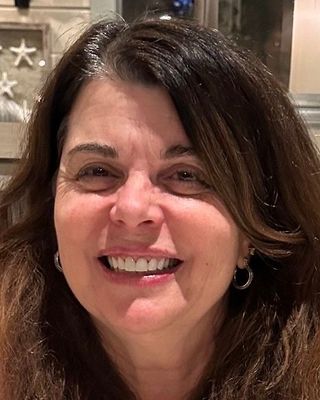
Hosted by Dr. Kathryn Star Gutierrez
Psychologist, PhD
Verified Verified
Group meets in Northridge, CA 91324
My professional voyage has traversed healthcare, the realm of workers' compensation, and the corridors of education, all of which have endowed me with a rich tapestry of skills. I’m Kathryn Star Gutierrez, Ph.D., clinical psychologist, educator, & artist specializing in the art of healing. I focus on patients who grapple with the weight of chronic pain, dance with the shadows of anxiety and depression, and bear the scars of trauma. I am specialized in treating family members including children struggling with depression associated with possible deportation of a close family member.
A support group is being formed for women who are caregivers to a close family member. The focus of this group will be a safe place to share and disclose feeling, get emotional support from each other, learning, growing and knowing you are not alone. Group facilitator will also teach various relaxation techniques to help caregivers cope with their daily stress. Insurance billing is available as well as a Superbill.
Hosted by Dr. Kathryn Star Gutierrez
Psychologist, PhD
Verified Verified
Group meets in Northridge, CA 91324
My professional voyage has traversed healthcare, the realm of workers' compensation, and the corridors of education, all of which have endowed me with a rich tapestry of skills. I’m Kathryn Star Gutierrez, Ph.D., clinical psychologist, educator, & artist specializing in the art of healing. I focus on patients who grapple with the weight of chronic pain, dance with the shadows of anxiety and depression, and bear the scars of trauma. I am specialized in treating family members including children struggling with depression associated with possible deportation of a close family member.
More Groups Nearby

Hosted by Gina Balit
Marriage & Family Therapist, MA, LMFT, ATR
Verified Verified
Group meets in Woodland Hills, CA 91364
A group that meets to learn to cope with various lifestyle transitions

Hosted by Santa Clarita Therapy
Marriage & Family Therapist, MA, LMFT
Verified Verified
Group meets in Newhall, CA 91321
Establishing a trusting relationship and working collaboratively with our clients is our primary goal. My name is Samantha Markman and I have hand selected a team of excellent therapists with various specialties. We strive to create a therapeutic space of comfort and support, as we work with you to explore deep personal issues and experiment with new ways of thinking. We work with a wide range of clients that are dealing with various issues including depression, anxiety, infidelity, postpartum issues, addictive behaviors, LGBT issues, eating disorders, codependency, grief and loss, life transitions, and various types of trauma.
The program is held from October through May, 2 1/2 hour sessions, including dinner. We involve students in a range of engaging activities that address executive function, pragmatic language, social competence, academic readiness, daily living, and environmental awareness, depending on a student's specific needs. In addition, parent meetings are held monthly to review student behavior, specific aspects of parenting, and address individual concerns. Our theoretical model is a blend of social cognition, cognitive-behavioral, and operant behavior. We are approved to accept Regional Center and School District funding and accept private pay (will provide a superbill upon request).
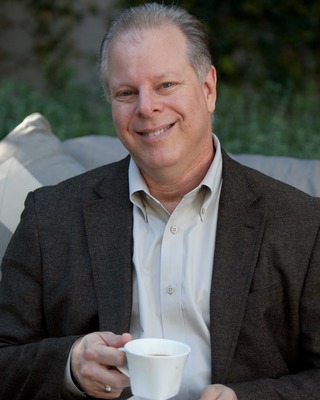
Hosted by Bruce M Gale
Psychologist, PhD
Verified Verified
Group meets in Encino, CA 91436
I mostly work with students, parents, and schools in the areas of social learning (social skills) and psychoeducational/FBA assessments. I have provided Independent Educational Evaluations (IEE) to more than 65 school districts and expert witness testimony. My services to schools include teaching our LUNCH Groups treatment model via live training, webinars, and self-paced learning. Over 2,000 families have participated in our LUNCH Groups Social Learning Programs, serving ages 6 through 18, since 2002. We have school-year, intensive summer, and ongoing programs. I also run programs for parents.
Are you tired of paying for individual therapy for your teen, in addition to separate parenting sessions that just don't seem effective anymore?In our DBT group, we meet with teens & parents for the first half of the session where we teach mindfulness, distress tolerance, emotion regulation, and effective communication skills. In the second half of each session, the group splits into two– teens in one & parents in another. This is where we give real life and real time examples of the skills being learned. Learn More at: RealHonestTherapy.com

Hosted by Shireen Shahidi
Marriage & Family Therapist Associate, MA, AMFT
Verified Verified
Group meets in Encino, CA 91436
Hey there! If you're feeling overwhelmed and going through tough times, I'm here to lend you a helping hand. I specialize in working with people of all ages who are facing anxiety, depression, and trauma. My goal is to provide you with a compassionate and empathetic approach to help you heal and grow. I want you to feel comfortable and relaxed when sharing your thoughts and emotions with me, so we can work together to overcome any obstacles.
Staci specializes in meditation and substance abuse as well as anxiety and depression
Hosted by Delphine DeMore
Psychologist, PhD
Verified Verified
Group meets in Tarzana, CA 91356
I am a pragmatic, direct person and I am particularly good at cutting through the clutter and coming to the point. In addition,I have a warm and comforting presence which makes most people feel at home easily. After 30 years of treating people, I make it easier to address the painful things that get in the way of making life meaningful and important. In addition, I study the most updated research on the brain and how it functions, making my approach efficient as well as helpful quickly.
The group provides a place to share and learn in a supportive confidential environment, while exploring intimate partner emotion/physical or financial abuse and gaining tools and resources, while gaining strength to work toward healthier relationships.

Hosted by Linda Qasabian
Marriage & Family Therapist, MS, LMFT
Verified Verified
Group meets in Sherman Oaks, CA 91403
If your struggling with knowing your self value and need others to vaidate you, if you are constantly seeking external affirmation to feel good about yourself ? Come and share your struggles and together we can discover your true self worth and unleash your full potential, to gain more strength and confidence.
We aim to discover more about ourselves as parents! Why we do what we do and How to do it the way we want to do it!

Hosted by Erin Sutherland Mokhtar
Marriage & Family Therapist, MFT
Verified Verified
Group meets in West Hills, CA 91307
I take an active, supportive approach to therapy. 20 years in practice with Adults, Teens, Couples, and Families. If you're like most of my clients, some days are good; some days are full of doubt; rethinking and overthinking situations. You may feel torn about big choices in relationships or situations at work. Taking steps from a place of confidence comes from clarity! Specialties: Couples Counseling, and Teens/ Tweens.
My 20+ year background in early education and child development combined with my clinical experience, has enabled me to help parents navigate the ever changing challenges of parenting. I offer weekly support groups to give parents a supportive place to share their struggles while offering practical tools to effectively make adjustments in the way they relate to their children resulting in a dramatic reduction in conflict and increase in family harmony and enjoyment. Parents are grouped by child's age and developmental stage, and groups meet once a week in my office for 90 minutes.
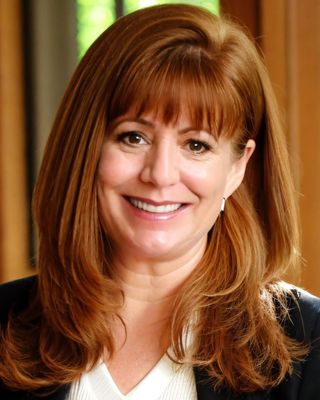
Hosted by Heather Totten
Marriage & Family Therapist, MA, LMFT
Verified Verified
Group meets in Encino, CA 91436
You have the power to change your life. We all have moments when we struggle with periods of difficult transitions, relationship conflict and loss. At times we become overwhelmed with feelings of sadness, worry and confusion, not knowing where to turn for answers. We get disconnected from our authentic self and lose touch with our life's meaning and purpose. Together we can work to identify obstacles and formulate strategies to help you unlock your full potential, pursue your goals, and make the changes you are seeking. I will help you sort through your thoughts and feelings so you can rediscover your power and reclaim your life.
Integrating Feldenkrais inspired exercises, body-centered meditation, written exploration and group discussion, participants will gain tools to maintain awareness, stability, balance and integrity unique to their body/mind.
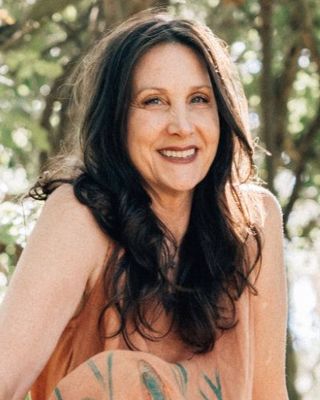
Hosted by Julie Brams
Marriage & Family Therapist, MA, LMFT, LPCC
Verified Verified
Group meets in Sherman Oaks, CA 91403
Most people looking for a private therapist value a safe comfortable space where they can talk with a trained professional and take a look at what who they are, what they've been through and where they're headed in their life. You may be in transition, maybe starting or ending a significant relationship, want to get your relationship back on track, or have come to a point in your life where you want to grow and develop in new ways. You may have some past trauma holding you back, or have had a significant loss that challenges how you see yourself going forward.
Are you feeling lost and exhausted? Have your stress and anxiety levels spiked, making it harder for you to manage your emotions? Are you struggling with setting boundaries for yourself and in your relationship? If self-doubt is feeding your insecurity and stealing your confidence, I want you to know you are not alone. Join me and other young women in their 20s and 30s to reconnect with yourself through a 6-week support group journey.

Hosted by Embracing You Therapy
Psychologist, PsyD
Verified Verified
Group meets in Woodland Hills, CA 91364
Are you thriving, or merely surviving day to day? Do you often feel overwhelmed by anxiety? Perhaps it seems like anxiety has taken on a life of its own, leaving you feeling insecure & uncertain. Do you find yourself wishing someone else could step in, so you could finally breathe, and trust in yourself? If these feelings resonate with you, you may be searching for a therapist who can help you break free from the relentless cycle of anxiety & self-doubt. You might be looking for someone who can support you in building a true sense of self—someone who will help you establish a foundation from which you can trust yourself.
Support and educate parents of children and adolescents about developmental ages and stages, effective parenting style, and communication skills to manage parent and child conflict relationships.
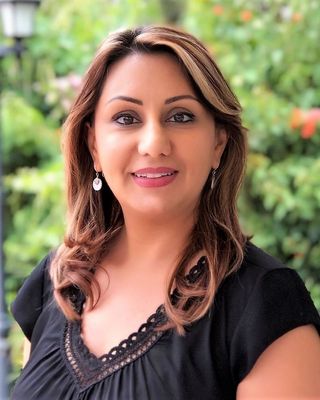
Hosted by Shiva Ghardashem
Marriage & Family Therapist, LMFT
Verified Verified
Group meets in Encino, CA 91316
Are you feeling depressed or anxious dealing with a challenging situation in your life? Are you feeling stuck and overwhelmed in making the right decisions? Do you have marital issues and need someone to coach you to learn how to communicate and resolve your problems? I am here to help you to explore new ways of thinking and moving toward new possibilities. Let's work together in a safe and warm therapeutic environment to make step-by-step changes for a better tomorrow!
This is a fabulous women’s group about finding your voice, sharing your truth, establishing healthy boundaries and engaging with other amazing women. Identify what you want and need, release what causes you discontent and angst. Reflect on what brings you joy and define your own happiness. Reconnect with your sense of humor as it will carry you throughout this process.

Hosted by Jody Frank West Coast Counseling And Group Therapy Center
Clinical Social Work/Therapist, LCSW, DCSW, CAS
Verified Verified
Group meets in Encino, CA 91436
I love what I do. My job is to listen carefully to what you say or don't say when sharing your story. I want to help you navigate challenging issues that keep you from moving forward by finding your authentic self and voice. I am a directive, interactive, patient therapist and see the therapy as proactive, mutual journey where you will learn to express yourself and be heard. Learn to take the steps toward fulfilling your emotional goals while achieving a feeling of contentment. I return all calls the day that I receive them and if I am unable to help you I will try to direct you. wcccla.com
It's important to talk about your loved one, honor your emotions and recognize the various stages of mourning. With loss also comes changes in self-identity and the role a person plays in life. This group is a safe space where you can share your story without judgment, and find comfort and understanding among others who are going through a similar experience. This group will assist you in exploring your thoughts on identity changes and also have a safe space to explore your unresolved feelings.
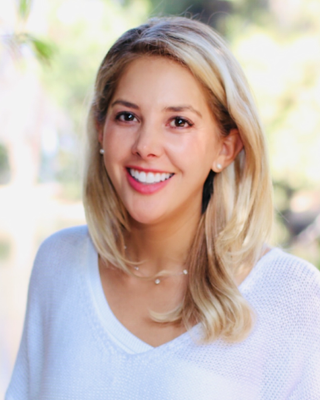
Hosted by Cathy Trenary
Associate Professional Clinical Counselor, APCC
Verified Verified
Group meets in Van Nuys, CA 91405
Our life experiences can lead us to question our identity and purpose in the world we live in. This can lead us to anxiety, depression, and trauma. Do you want to improve how you face challenges, function in your relationships, and face overwhelming feelings? I place heavy importance on addressing trauma. Trauma disintegrates the parts that make up your whole self, which can leave aspects of who you are hidden from your awareness. Left unaddressed, anxiety and depression can worsen, which can rob you of the necessary connection that all human beings need to thrive. I aim to help you process unresolved trauma.
Foresight is a mental health and wellness clinic providing patients with a wide range of treatment and services related to improving mental health and lifestyle. We are a team of psychiatrists, therapists, software engineers, bioengineers, and researchers with a mission to revolutionize mental health care through the use of modern technology - enabling us to deliver highly personalized, data-backed treatment plans to each of our patients. Since 2018, we have been developing technology to help psychiatrists prescribe medication more safely and effectively.
Hosted by Michele Ryan
Marriage & Family Therapist, LMFT
Verified Verified
Group meets in Encino, CA 91436
Hello, my name is Michele Ryan. I am a Licensed Marriage and Family Therapist who loves working with individuals, families and couples who have been affected by mental illness or just the everyday stressors and strains of life. Sometimes it can be very difficult to get relief from emotional problems on our own. Too often, when we feel discouraged, angry, stressed out and overwhelmed and we can turn to unhealthy coping skills. I have worked with clients struggling with chemical and behavioral addictions, depression, multiple anxiety disorders, PTSD and ongoing difficulties due to past traumatic experiences and life stressors.
See more therapy options for Northridge


FAQs - About Group Therapy and Support Groups
How can I find a support group in Northridge?
Search for nearby support groups by inputting your city, zip code, or the name of the group into the search bar. From there, you can filter to find a group that suits your needs, whether you are looking for support for a teenager, a group that focuses on a specific issue, such as depression, or a particular program type, such as one geared toward developing social skills. To navigate between locations within the same country, enter a new city or zip code into the search bar.
How does group therapy work?
Therapy groups are led by one or more therapists and serve to help people process their experiences and learn from others who understand their challenges firsthand. They can be based on a specific issue, such as addiction, grief, physical illnesses, parenting, and caregiving. They can involve a specific type of program or therapy, such as a social skills group or CBT group. They can also be specific to a particular population or community, such as teens or LGBTQ.
Support groups, like Alcoholics Anonymous, also focus on a specific issue, but are typically led by members with lived experiences and are less structured than therapy groups. Most therapy groups will meet for a fixed length of time with a consistent group of members, while many support groups meet for an indefinite period of time with members coming and going.
Support groups, like Alcoholics Anonymous, also focus on a specific issue, but are typically led by members with lived experiences and are less structured than therapy groups. Most therapy groups will meet for a fixed length of time with a consistent group of members, while many support groups meet for an indefinite period of time with members coming and going.
What are the benefits of group therapy?
Support groups help connect people with shared challenges or physical and mental health conditions. In a group setting, participants can receive support and feedback from peers and can acquire new skills, strategies and perspectives by listening to one another. Discussing your experience with someone who also has a cancer diagnosis, or whose son also struggles with addiction, for example, can help you feel less alone, reduce distress, find empathy and connection, and learn practical or medical information that has helped others. Group therapy can also be a more affordable option than individual therapy and just as effective.
Is group therapy as effective as individual therapy?
Support groups can be deeply valuable for both emotional support and/or treatment outcomes. It’s difficult to make a blanket statement on efficacy due to the many different types of support groups and conditions treated, but group therapy has been found to be just as effective as individual therapy in establishing long-term abstinence for conditions such as substance abuse, addiction and alcohol abuse.
How much does group therapy cost?
Group counseling is typically less expensive than individual counseling, with each session costing on average between $60 to $75. Meanwhile, individual therapy sessions can run anywhere from $100 to $200 and up, even after insurance. It is possible to find low-cost group therapy options and many therapists offer group sessions free of charge.
Does insurance cover group therapy?
As with individual therapy, many insurance companies do offer coverage for group therapy sessions. However, the coverage varies based on your insurance plan details and whether you choose an in-network or out-of-network mental healthcare provider. Individuals are encouraged to check with their insurance providers to verify coverage.
How long does group therapy last?
The length of a support group session is often one hour but can fall anywhere between 45 minutes and two hours. The amount of time that people remain in a support group varies based on their specific needs and goals and the type of therapy. Some individuals may seek a shorter-term group, such as a bereavement group, that may last between six and 20 weeks. Some may seek a longer-term group that lasts for a year or indefinitely.
What are the limitations of support groups?
Support groups have many benefits, but there are a few limitations as well. Support groups do not constitute formal therapeutic or medical treatment, and are not run by licensed mental health professionals, so some people may opt for group therapy or individual therapy instead. Additionally, support groups can depend on the other participants, so a disruptive individual has the potential to mar the group dynamic, and the anecdotal information shared may sometimes be unhelpful or inaccurate. Because it is a group setting, confidentiality can be more difficult to guard and participants receive less personalized attention than they would in an individual therapy session.