Therapists in Glendale, WI
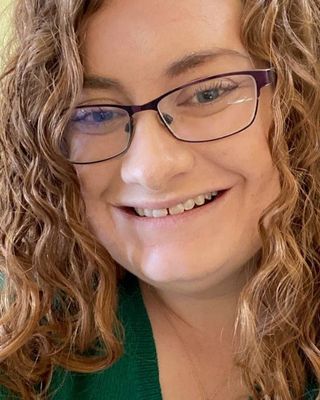
Kate Carpenter is a Licensed Marriage and Family Therapist in Wisconsin who has been practicing since 2014. She earned a Bachelor of Arts at the University of Minnesota and a Master in Marriage and Family Therapy from Indiana Wesleyan University. Kate strives to create a non-judgmental therapy environment where clients can feel free to be themselves while working together. She offers empathy and support to clients and helps them discover their strengths. Kate guides clients to uncover thought patterns that hurt and introduces new ways of thinking.
Kate Carpenter is a Licensed Marriage and Family Therapist in Wisconsin who has been practicing since 2014. She earned a Bachelor of Arts at the University of Minnesota and a Master in Marriage and Family Therapy from Indiana Wesleyan University. Kate strives to create a non-judgmental therapy environment where clients can feel free to be themselves while working together. She offers empathy and support to clients and helps them discover their strengths. Kate guides clients to uncover thought patterns that hurt and introduces new ways of thinking.

At times it can feel like you’re hiding in plain sight. On the outside, you are admired for your attention to detail and ability to juggle multiple demands with apparent ease. You are an overachiever, going above and beyond, all while silently grappling with inner chaos. You're an expert in the art of people-pleasing, a well-honed skill that serves as a way to navigate interactions and avoid the sting of rejection or misunderstanding. You carefully plan your days to maintain some sense of control and order. Yet, despite your achievements and the admiration of others, you still feel a deep sense of inadequacy, and you are tired.
At times it can feel like you’re hiding in plain sight. On the outside, you are admired for your attention to detail and ability to juggle multiple demands with apparent ease. You are an overachiever, going above and beyond, all while silently grappling with inner chaos. You're an expert in the art of people-pleasing, a well-honed skill that serves as a way to navigate interactions and avoid the sting of rejection or misunderstanding. You carefully plan your days to maintain some sense of control and order. Yet, despite your achievements and the admiration of others, you still feel a deep sense of inadequacy, and you are tired.

Lauren Lathers
Licensed Professional Counselor, LPC, CSAC, ICS
Verified Verified
2 Endorsed
Glendale, WI 53217
I believe we are all inherently capable of change, especially when we acknowledge where we're falling short. I help guide people to make positive life changes by examining thoughts and feelings, and setting realistic goals for self-improvement. If you're not looking to set many goals, therapy is also just a safe space to process feelings you wouldn't otherwise process. I have done extensive work with general adult mental health, and I enjoy an integration of various holistic approaches to therapy. I value and respect all walks of life and take a culturally-sensitive approach.
I believe we are all inherently capable of change, especially when we acknowledge where we're falling short. I help guide people to make positive life changes by examining thoughts and feelings, and setting realistic goals for self-improvement. If you're not looking to set many goals, therapy is also just a safe space to process feelings you wouldn't otherwise process. I have done extensive work with general adult mental health, and I enjoy an integration of various holistic approaches to therapy. I value and respect all walks of life and take a culturally-sensitive approach.

Bradley Dexter (he, him, his) is a Licensed Professional Counselor. He specializes in depression, anxiety, ADD/ADHD, mood and trauma related disorders, and gender and sexual identity. Bradley has over 20-years’ experience with corporate learning and development with experience with career exploration and finding meaning centered around goal planning and treatment. Bradley treats individual 18 and above with a focus on psychotherapy for adults, seniors, and patients from clinical outpatient environments. He is a strong advocate for the LGBTQIA+ community.
Bradley Dexter (he, him, his) is a Licensed Professional Counselor. He specializes in depression, anxiety, ADD/ADHD, mood and trauma related disorders, and gender and sexual identity. Bradley has over 20-years’ experience with corporate learning and development with experience with career exploration and finding meaning centered around goal planning and treatment. Bradley treats individual 18 and above with a focus on psychotherapy for adults, seniors, and patients from clinical outpatient environments. He is a strong advocate for the LGBTQIA+ community.
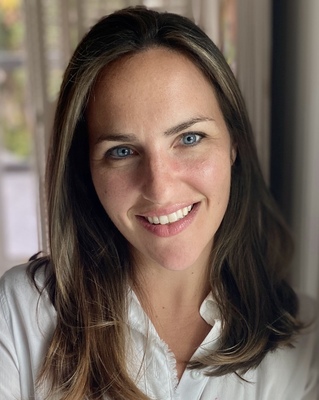
Rachel Uihlein
Marriage & Family Therapist, MA, LMFT
Verified Verified
1 Endorsed
Glendale, WI 53217
Change is inevitable, they say...and it’s hard. Whether the change you're experiencing is unexpected or was hard sought-after, the effect is largely the same: it leaves you feeling disoriented, misunderstood and alone. In place of the control and mastery you once felt in your life, there is now chaos. You find yourself either paralyzed by in-decision or fighting desperately to find a foothold, but you just keep slipping...
Change is inevitable, they say...and it’s hard. Whether the change you're experiencing is unexpected or was hard sought-after, the effect is largely the same: it leaves you feeling disoriented, misunderstood and alone. In place of the control and mastery you once felt in your life, there is now chaos. You find yourself either paralyzed by in-decision or fighting desperately to find a foothold, but you just keep slipping...

Hi, I'm Allison! I have experience providing individual psychotherapy with a focus on anxiety, depression, trauma, personality disorders, life transitions, identity development, and/or relationship struggles. I draw from a wide range of therapeutic approaches, including psychodynamic therapy, cognitive behavioral therapy, dialectical behavioral therapy, and strength based approaches. Primarily, I work collaboratively with my clients to create therapeutic goals and find solutions that best fit their needs.
Hi, I'm Allison! I have experience providing individual psychotherapy with a focus on anxiety, depression, trauma, personality disorders, life transitions, identity development, and/or relationship struggles. I draw from a wide range of therapeutic approaches, including psychodynamic therapy, cognitive behavioral therapy, dialectical behavioral therapy, and strength based approaches. Primarily, I work collaboratively with my clients to create therapeutic goals and find solutions that best fit their needs.

Jeremiah Johnson
Clinical Social Work/Therapist, LCSW
Verified Verified
Glendale, WI 53217 (Online Only)
Welcome to a space where healing and growth intersect! I'm genuinely curious about your unique journey and experiences. If you find yourself grappling with an inner critic, self doubt, or boundaries, know that you're not alone – and I'm here to help. I specialize in empowering survivors of trauma and those wrestling with the mental and emotional aftermath of such experiences. Additionally, I am dedicated to supporting individuals dealing with anxiety, depression, grief and loss, chronic pain, and family/relationship concerns.
Welcome to a space where healing and growth intersect! I'm genuinely curious about your unique journey and experiences. If you find yourself grappling with an inner critic, self doubt, or boundaries, know that you're not alone – and I'm here to help. I specialize in empowering survivors of trauma and those wrestling with the mental and emotional aftermath of such experiences. Additionally, I am dedicated to supporting individuals dealing with anxiety, depression, grief and loss, chronic pain, and family/relationship concerns.

I offer care for individuals facing a variety of challenges such as Trauma/PTSD, depression, grief, parent-child conflict, obsessive-compulsive disorder, borderline personality disorder, and schizophrenia spectrum disorder. Compassion is at the heart of my therapeutic approach as I seek to combine authentic encounters with evidence-based techniques to meet you where you are and to support you in creating real and attainable goals.
I offer care for individuals facing a variety of challenges such as Trauma/PTSD, depression, grief, parent-child conflict, obsessive-compulsive disorder, borderline personality disorder, and schizophrenia spectrum disorder. Compassion is at the heart of my therapeutic approach as I seek to combine authentic encounters with evidence-based techniques to meet you where you are and to support you in creating real and attainable goals.
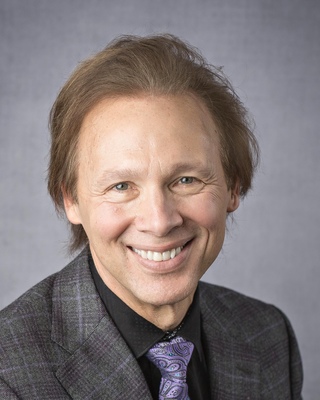
I am the founder of the Relationship Center of Milwaukee, a group practice that focuses on providing couples with the skills, insights, and courage to develop themselves and their relationships. My 30-year experience as a psychologist and psychoanalyst has reinforced my belief that people heal, change, and grow in connection to others. Love relationships are simultaneously the greatest source of comfort and happiness in our lives, but also potentially the greatest source of intense stress and misery. Yet, we keep on trying. The thirst for good partnership is unquenchable.
I am the founder of the Relationship Center of Milwaukee, a group practice that focuses on providing couples with the skills, insights, and courage to develop themselves and their relationships. My 30-year experience as a psychologist and psychoanalyst has reinforced my belief that people heal, change, and grow in connection to others. Love relationships are simultaneously the greatest source of comfort and happiness in our lives, but also potentially the greatest source of intense stress and misery. Yet, we keep on trying. The thirst for good partnership is unquenchable.

I'm passionate about helping individuals navigate life's challenges and discover their inner strengths. As a dedicated counselor, I aim to create a safe and supportive space where you can explore your thoughts, feelings, and experiences without judgment. My approach to therapy is rooted in empathy, authenticity, and collaboration. I believe in tailoring treatment to meet your unique needs and goals. Together, we'll work towards enhancing self-awareness, building resilience, and fostering meaningful connections.
I'm passionate about helping individuals navigate life's challenges and discover their inner strengths. As a dedicated counselor, I aim to create a safe and supportive space where you can explore your thoughts, feelings, and experiences without judgment. My approach to therapy is rooted in empathy, authenticity, and collaboration. I believe in tailoring treatment to meet your unique needs and goals. Together, we'll work towards enhancing self-awareness, building resilience, and fostering meaningful connections.

Gina Yauck is a Master's prepared Psychotherapist who received her degree from the University of Wisconsin - Milwaukee with an emphasis on Marriage and Family Therapy. She is a relationship therapist who works with adults, couples and families. Her areas of expertise include anxiety, depression, stress management, grief and self esteem issues. Gina enjoys working with women's issues throughout the lifespan including career counseling, dating and marriage, parenting, menopause and retirement.
Gina Yauck is a Master's prepared Psychotherapist who received her degree from the University of Wisconsin - Milwaukee with an emphasis on Marriage and Family Therapy. She is a relationship therapist who works with adults, couples and families. Her areas of expertise include anxiety, depression, stress management, grief and self esteem issues. Gina enjoys working with women's issues throughout the lifespan including career counseling, dating and marriage, parenting, menopause and retirement.
15 Second Videos
Rachel Uihlein
Timothy Fasano
Harrison Psychological Services LLC
Zach Meyer
Kate Sayers
Dennis L Merritt
Nicole Gies, LCSW
Dr Joan Jones Counseling Center
Eating Disorders And Anxiety Deva Murphy
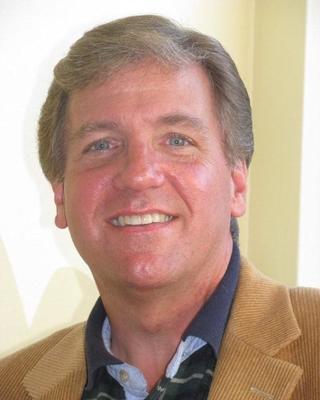
Tom Galten's therapy style is relaxed and he seeks always to create an atmosphere of trust and good will. Tom sees people of all ages and conducts sessions with families, couples and individuals. He is accustomed to addressing any and all challenges which people typically bring to counseling. In addition to his clinical degrees, Tom also holds a Masters Degree in Pastoral Counseling, which has prepared him well to comfortably address the spiritual issues about which many people report concern. "I believe that any individual or family that wants positive changes in their lives can have them - no exceptions."
Tom Galten's therapy style is relaxed and he seeks always to create an atmosphere of trust and good will. Tom sees people of all ages and conducts sessions with families, couples and individuals. He is accustomed to addressing any and all challenges which people typically bring to counseling. In addition to his clinical degrees, Tom also holds a Masters Degree in Pastoral Counseling, which has prepared him well to comfortably address the spiritual issues about which many people report concern. "I believe that any individual or family that wants positive changes in their lives can have them - no exceptions."

Madeline Cipriano is a Licensed Professional Counselor in Wisconsin who has been practicing since 2018. She graduated from DePaul University in 2014 with a degree in Psychology with a concentration in Human Services along with a minor in Women's and Gender Studies. She completed her graduate studies at University of Wisconsin-Milwaukee in 2017 through the School of Education where she earned her Master's Degree in Community Counseling. Madeline is skilled in Cognitive Behavioral Therapy and Dialectical Behavior Therapy.
Madeline Cipriano is a Licensed Professional Counselor in Wisconsin who has been practicing since 2018. She graduated from DePaul University in 2014 with a degree in Psychology with a concentration in Human Services along with a minor in Women's and Gender Studies. She completed her graduate studies at University of Wisconsin-Milwaukee in 2017 through the School of Education where she earned her Master's Degree in Community Counseling. Madeline is skilled in Cognitive Behavioral Therapy and Dialectical Behavior Therapy.
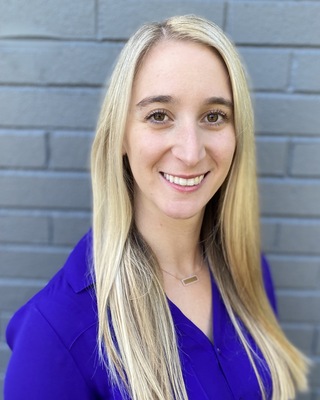
Hardship in life may be inevitable, but emotional turmoil does not have to be. At times we exhaust our coping resources, which leaves us feeling stuck or overwhelmed. With space and support, I fully believe each person can become “unstuck” to live a more fulfilling and meaningful life. Increasing self-awareness helps you get unstuck and influences personal growth and self-acceptance. By prioritizing a strong therapeutic relationship characterized by warmth, safety, and understanding, I can support you in developing effective coping skills and facilitate deeper exploration of the underlying roots that gave rise to your struggles.
Hardship in life may be inevitable, but emotional turmoil does not have to be. At times we exhaust our coping resources, which leaves us feeling stuck or overwhelmed. With space and support, I fully believe each person can become “unstuck” to live a more fulfilling and meaningful life. Increasing self-awareness helps you get unstuck and influences personal growth and self-acceptance. By prioritizing a strong therapeutic relationship characterized by warmth, safety, and understanding, I can support you in developing effective coping skills and facilitate deeper exploration of the underlying roots that gave rise to your struggles.
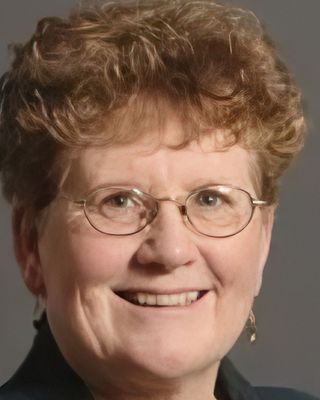
Jan is a licensed psychotherapist who has been practicing in the Milwaukee area for over 25 years in both in-patient and outpatient settings. While working with some adolescents, she primarily sees adults experiencing such difficulties as depression, anxiety, addictions, co-dependency, verbal abuse, grief and workplace stresses. She deals with relationship issues both with individuals and couples. A specialty area of Jan's is integrating spirituality into treatment to promote well-being and help alleviate symptoms.
Jan is a licensed psychotherapist who has been practicing in the Milwaukee area for over 25 years in both in-patient and outpatient settings. While working with some adolescents, she primarily sees adults experiencing such difficulties as depression, anxiety, addictions, co-dependency, verbal abuse, grief and workplace stresses. She deals with relationship issues both with individuals and couples. A specialty area of Jan's is integrating spirituality into treatment to promote well-being and help alleviate symptoms.

Harrison Psychological Services LLC
Psychologist, MS, PsyD
Verified Verified
4 Endorsed
Glendale, WI 53217 (Online Only)
**ACCEPTING NEW CLIENTS** for telehealth. Are you feeling sad? Anxious? Overwhelmed? Struggling with stress and adjusting to transitions? Need someone neutral to talk to? I'm here to provide support, listen, and help you find solutions. I have significant experience engaging in trauma therapy. I really enjoy and value the opportunity to work with individuals of different ethnic groups, religion, sexual orientation, and gender. My doctoral training has provided me with a good balance of assessment, evidence-based therapy, and crisis intervention. I look forward to helping you develop tools to manage your current life stressors.
**ACCEPTING NEW CLIENTS** for telehealth. Are you feeling sad? Anxious? Overwhelmed? Struggling with stress and adjusting to transitions? Need someone neutral to talk to? I'm here to provide support, listen, and help you find solutions. I have significant experience engaging in trauma therapy. I really enjoy and value the opportunity to work with individuals of different ethnic groups, religion, sexual orientation, and gender. My doctoral training has provided me with a good balance of assessment, evidence-based therapy, and crisis intervention. I look forward to helping you develop tools to manage your current life stressors.

Are you struggling in ways you don't feel equipped to handle? Anxiety, depression, academic issues, or changes in your eating or sleeping habits? It's okay! You aren't supposed to have all the answers. Getting professional support now can give you a lifetime of better mental health by teaching you the skills you need to succeed in an environment that feels safe and supportive.
Are you struggling in ways you don't feel equipped to handle? Anxiety, depression, academic issues, or changes in your eating or sleeping habits? It's okay! You aren't supposed to have all the answers. Getting professional support now can give you a lifetime of better mental health by teaching you the skills you need to succeed in an environment that feels safe and supportive.
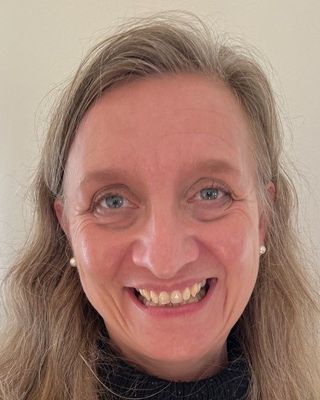
Emma is a Licensed professional Counselor with over 23 years of clinical experience working in residential and outpatient settings in England and the United States. Emma works with children, teenagers and adults experiencing distress that is negatively impacting their emotional well-being, close relationships, and social, school or work functioning. Her specialty areas include but are not limited to individuals with long standing difficulties associated with past traumatic events, depression, OCD and other anxiety related problems. Emma also works with couples and families to improve communication and manage conflict.
Emma is a Licensed professional Counselor with over 23 years of clinical experience working in residential and outpatient settings in England and the United States. Emma works with children, teenagers and adults experiencing distress that is negatively impacting their emotional well-being, close relationships, and social, school or work functioning. Her specialty areas include but are not limited to individuals with long standing difficulties associated with past traumatic events, depression, OCD and other anxiety related problems. Emma also works with couples and families to improve communication and manage conflict.

Dave is a licensed Psychotherapist and Clinical Substance Abuse Counselor who has been providing counseling to adolescents, adults and families for over 30 years. He earned his master's degree in clinical social work from Loyola University-Chicago and his undergraduate degree in social work from the University of Wisconsin-Milwaukee. Dave's work experience spans from working in residential, inpatient, and outpatient settings with a strong focus in helping clients with substance use disorders and co-occurring mental health disorders. Dave's therapeutic style is warm, relaxed and facilitative.
Dave is a licensed Psychotherapist and Clinical Substance Abuse Counselor who has been providing counseling to adolescents, adults and families for over 30 years. He earned his master's degree in clinical social work from Loyola University-Chicago and his undergraduate degree in social work from the University of Wisconsin-Milwaukee. Dave's work experience spans from working in residential, inpatient, and outpatient settings with a strong focus in helping clients with substance use disorders and co-occurring mental health disorders. Dave's therapeutic style is warm, relaxed and facilitative.
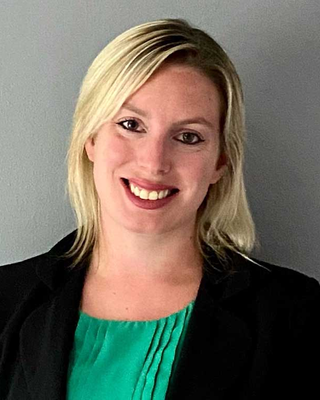
Elizabeth Pequet
Marriage & Family Therapist, LMFT
Verified Verified
Glendale, WI 53217 (Online Only)
My approach with couples starts with a place of compassion, non-judgement, non-bias and inviting an exploration into the systemic aspects of their relationship. I find it is important to have couples dive deeper into the history and foundation of their relationship. From there, it becomes a process of peeling back the layers to uncover values, love language, goals and finding solutions for deeper ways of reconnection. A deeper focus for couples is to explore times in their lives when they are feeling lost, trapped, or unable to find peace in their lives. While it may feel impossible, I believe all people have immense strength.
My approach with couples starts with a place of compassion, non-judgement, non-bias and inviting an exploration into the systemic aspects of their relationship. I find it is important to have couples dive deeper into the history and foundation of their relationship. From there, it becomes a process of peeling back the layers to uncover values, love language, goals and finding solutions for deeper ways of reconnection. A deeper focus for couples is to explore times in their lives when they are feeling lost, trapped, or unable to find peace in their lives. While it may feel impossible, I believe all people have immense strength.
See more therapy options for Glendale


How does your Therapist compare?
Number of Therapists in Glendale, WI
70+
Average cost per session
$150
Therapists in Glendale, WI who prioritize treating:
| 90% | Depression |
| 90% | Anxiety |
| 66% | Life Transitions |
| 62% | Grief |
| 62% | Trauma and PTSD |
| 59% | Relationship Issues |
| 54% | Self Esteem |
Average years in practice
10 Years
Top 3 insurances accepted
| 78% | Aetna |
| 75% | UnitedHealthcare UHC | UBH |
| 68% | Cigna and Evernorth |
How Therapists in Glendale, WI see their clients
| 92% | In Person and Online | |
| 8% | Online Only |
Gender breakdown
| 70% | Female | |
| 29% | Male | |
| 1% | Non-Binary |
FAQs - About Therapy and Counseling
How can I find a therapist in Glendale?
Search for nearby therapists or counselors by inputting your city, town, or suburb; or zip code; or a provider’s name into the search bar. From there, you can filter providers by the issues they treat, cost, insurance, gender, and other factors to find providers who are well-suited to your needs. To navigate between locations within the same country, enter a new city or zip code into the search bar.
Learn more about how to find a therapist
Learn more about how to find a therapist
Is everyone in the Psychology Today Therapy Directory a licensed therapist?
The Psychology Today directory lists providers who offer legitimate mental health services to the public, including psychologists, psychiatrists, social workers, and counselors.
Many have been licensed by the country or state where they practice; providers whose license or primary credential has been verified by Psychology Today are signified by a “Verified” symbol. Some clinicians or organizations provide services for which their state or country does not offer licenses, such as pastoral counseling. They may be selectively included without the “Verified” seal.
Many have been licensed by the country or state where they practice; providers whose license or primary credential has been verified by Psychology Today are signified by a “Verified” symbol. Some clinicians or organizations provide services for which their state or country does not offer licenses, such as pastoral counseling. They may be selectively included without the “Verified” seal.
What’s the difference between a psychologist, a therapist, and a counselor?
Therapists, psychologists, and counselors are all licensed mental health professionals. In the US, psychologists have earned a doctoral degree. The terms “therapist” and “counselor” are used somewhat interchangeably, but generally therapists offer longer-term, mental health care, while counselors offer shorter-term care that may focus on one domain, such as marriage, career, or academic challenges.
Clients should consider factors such as insurance coverage and their primary reason(s) for seeking therapy to determine the type of professional best suited to their needs. Someone struggling with mental health challenges such as depression or anxiety, for example, may wish to seek out a clinical psychologist or therapist, while someone navigating career obstacles or marital upheaval may benefit from seeing a counselor who can offer short-term, targeted support.
Clients should consider factors such as insurance coverage and their primary reason(s) for seeking therapy to determine the type of professional best suited to their needs. Someone struggling with mental health challenges such as depression or anxiety, for example, may wish to seek out a clinical psychologist or therapist, while someone navigating career obstacles or marital upheaval may benefit from seeing a counselor who can offer short-term, targeted support.
What type of therapy is right for me?
The type of therapy best suited to a particular individual depends on several factors, including their primary reason for seeking therapy, their preferred timeline (some therapy types last for a set number of sessions, while others are open-ended), and their personality and preferences—some may prefer a more structured approach. For many individuals, multiple types of therapy could provide a good fit.
How much does therapy cost?
The cost of therapy depends on a number of variables, including location and the therapist’s experience and training. On average, a therapy session in the United States could cost between $100 and $200 or more. If you have insurance, the expense of mental health care is typically lower, but it varies based on your insurance plan details and whether you choose an in-network or out-of-network mental healthcare provider.
What are more affordable or low cost therapy solutions?
Many therapists offer sliding scale payments, usually on a limited number of slots, which consists in an agreement between the therapist and a client to pay a reduced rate. Therapists who provide such arrangements often consider the client's income or ability to pay, but the extent of the discount is ultimately at the therapist's discretion. Furthermore, while group therapy may have different goals and benefits compared to individual therapy, it can be a more affordable solution to address certain types of issues.
Is online therapy cheaper than in-person therapy?
Many therapists charge the same amount for online therapy as they do for in-person therapy—though clients may still find this cost-effective if it cuts down on their transportation costs. Health insurance plans often offer equivalent coverage for online and in-person therapy; indeed, in many places, they are legally required to do so. Text-based or on-demand therapy apps may be cheaper than traditional one-on-one psychotherapy; however, the practice may be less effective and is not likely to be covered by insurance.
Is online therapy a good option?
Therapy conducted online can be just as effective as in-person therapy, as long as there is a strong alliance between the client and the therapist. To find a therapist who provides telehealth services to clients in your area, click “Online Therapy” on the directory homepage and search by your city or town or your zip code.
Are therapy sessions confidential?
Confidentiality is a crucial part of the therapeutic relationship. Therapists in the United States are bound by the regulations set out by the Health Insurance Portability and Accountability Act of 1996 (HIPAA), which aims to protect sensitive health information. With very few exceptions, a therapist will only discuss their client with others when the client has given their written permission. The instances in which a therapist would be required to disclose personal information are: if a client poses a danger to themselves or others, if the therapist suspects the abuse of a child or an elderly or otherwise dependent adult, or if they are legally forced to by court order. These exceptions to the confidentiality agreement are usually discussed with a client before their first session.