Support Groups in Horsham, PA
**The Dieter's Rebellion- Next group begins January* This is a 12 week group for women struggling with body image and binge/emotional eating. Group focuses on restricting/bingeing behaviors, the causes of those behaviors and how to stop them in their tracks. ...

Hosted by Sarah Herstich- Trauma And Eating Disorder Specialist
Clinical Social Work/Therapist, MSW, LCSW
Verified Verified
Group meets in Horsham, PA 19044
**The Dieter's Rebellion- Next group begins January* This is a 12 week group for women struggling with body image and binge/emotional eating. Group focuses on restricting/bingeing behaviors, the causes of those behaviors and how to stop them in their tracks. ...
In our world today, there are many aspects of parenting that can cause stress, anxiety, worry, and sometimes depression. All these symptoms can take a toll on parents, especially mothers, and lead to “mom burnout.” “Mom burnout,” while not an ...

Hosted by Caroline Dean-Smith
Pre-Licensed Professional, MA
Verified Verified
Group meets in Horsham, PA 19044
In our world today, there are many aspects of parenting that can cause stress, anxiety, worry, and sometimes depression. All these symptoms can take a toll on parents, especially mothers, and lead to “mom burnout.” “Mom burnout,” while not an ...
Currently accepting new clients to work in a closed group session (same members for 8 sessions- target peer group age 15-18) seeking both psycho education and hands on social experiences. The focus of the group will be educational first, and ...
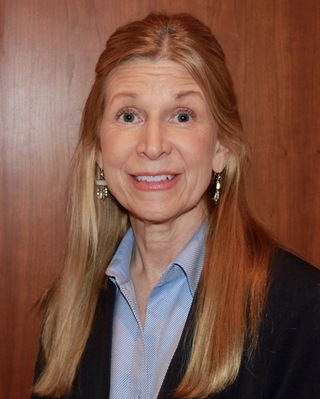
Hosted by Linda Robins
Licensed Professional Counselor, MS, LBS, LPC
Verified Verified
Group meets in Horsham, PA 19044
Currently accepting new clients to work in a closed group session (same members for 8 sessions- target peer group age 15-18) seeking both psycho education and hands on social experiences. The focus of the group will be educational first, and ...
One of the most challenging yet rewarding jobs you will ever take on is that of being a Parent. This group will provide parents with skill building opportunities to assist them in learning how to raise and support independent and ...
Hosted by Linda Robins
Licensed Professional Counselor, MS, LBS, LPC
Verified Verified
Group meets in Horsham, PA 19044
One of the most challenging yet rewarding jobs you will ever take on is that of being a Parent. This group will provide parents with skill building opportunities to assist them in learning how to raise and support independent and ...
Join us for Growing Friendships for teenagers aged 13-16! This is a new group series including an educational piece on friendship building strategies and then time to practice the skills in real time. Call us directly at (267) 665-4248 for ...
Hosted by Linda Robins
Licensed Professional Counselor, MS, LBS, LPC
Verified Verified
Group meets in Horsham, PA 19044
Join us for Growing Friendships for teenagers aged 13-16! This is a new group series including an educational piece on friendship building strategies and then time to practice the skills in real time. Call us directly at (267) 665-4248 for ...
More Groups Nearby
Educational and supportive processing group for those with substance use concerns.

Hosted by Madeline Leach, LCSW
Clinical Social Work/Therapist
Verified Verified
Group meets in Fort Washington, PA 19034
Educational and supportive processing group for those with substance use concerns.
This structured program offers evidenced-based best practices, to address a variety of mood disorders, including depression and anxiety. Regularly talking and listening to others helps patients put their own problems in perspective, and give a sense of relief, knowing you’re ...
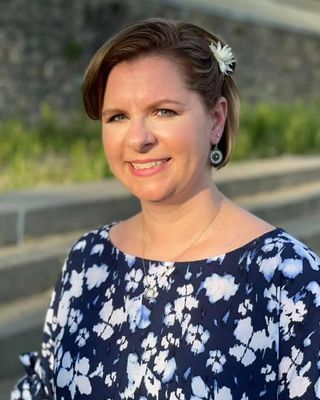
Hosted by Complete Mind Care Outpatient Clinic
Psychologist, PsyD
Verified Verified
Group meets in Abington, PA 19001
This structured program offers evidenced-based best practices, to address a variety of mood disorders, including depression and anxiety. Regularly talking and listening to others helps patients put their own problems in perspective, and give a sense of relief, knowing you’re ...
While every day life stressors are challenging enough, we believe that being a teen in these unique times has created fertile soil for normal daily stressors to grow larger and become a bit tougher to manage. In our Plant Your ...

Hosted by Ambler Counseling Center
Treatment Center, LPC
Not Verified Not Verified
Group meets in Ambler, PA 19002
While every day life stressors are challenging enough, we believe that being a teen in these unique times has created fertile soil for normal daily stressors to grow larger and become a bit tougher to manage. In our Plant Your ...
APPOINTMENT SCHEDULING ON-LINE WWW.irabilofsky.COM. Anger Management groups are a 11 week course. Attendance and participation a must for the Certificate to be awarded OBJECTIVE: 1) Overview of Anger Management Treatment 2) Events and Cues 3) Anger control plans 4) The ...

Hosted by Ira L Bilofsky LCSW
Clinical Social Work/Therapist, LCSW
Verified Verified
Group meets in Blue Bell, PA 19422
APPOINTMENT SCHEDULING ON-LINE WWW.irabilofsky.COM. Anger Management groups are a 11 week course. Attendance and participation a must for the Certificate to be awarded OBJECTIVE: 1) Overview of Anger Management Treatment 2) Events and Cues 3) Anger control plans 4) The ...
Teachers are often overworked and overwhelmed. We will provide support through conversations with other teachers and the development of a self-care plan to help you get through the school year.

Hosted by Ujima Life Services, LLC
Counselor, MEd, MA, LPC, NCC
Verified Verified
Group meets in Cheltenham, PA 19012
Teachers are often overworked and overwhelmed. We will provide support through conversations with other teachers and the development of a self-care plan to help you get through the school year.
For teens who want a safe antiracist space to: Explore their racial identities. Talk about experiences as a BIPOC teen. Connect with peers. Improve their self esteem.
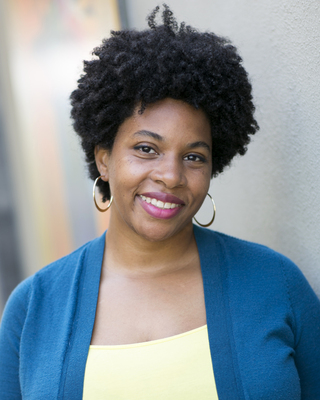
Hosted by Kim Wheeler Poitevien
Clinical Social Work/Therapist, MSW, LCSW
Verified Verified
Group meets in Flourtown, PA 19031
For teens who want a safe antiracist space to: Explore their racial identities. Talk about experiences as a BIPOC teen. Connect with peers. Improve their self esteem.
Has life been hard recently? Do you feel like you’re always dealing with something? Do you need a safe space to decompress, be heard, seen and validated? Well, we have the space for you! Black Girls on the Mend is ...

Hosted by McPherson Clinical & Consulting Services
Licensed Professional Counselor, MS, EMBA, LPC, NCC, CDWF
Verified Verified
Group meets in Wyncote, PA 19095
Has life been hard recently? Do you feel like you’re always dealing with something? Do you need a safe space to decompress, be heard, seen and validated? Well, we have the space for you! Black Girls on the Mend is ...
This is a unique opportunity to engage with other couples that share similar issues. While relating and connecting to others, you will enhance your communication skills and abilities to practice empathy. Group meets once a month and is limited to ...
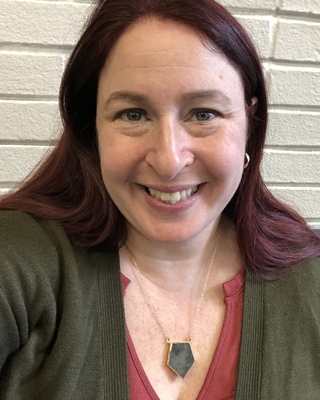
Hosted by Dana J. Cohen
LMFT, MEd
Verified Verified
Group meets in Willow Grove, PA 19090
This is a unique opportunity to engage with other couples that share similar issues. While relating and connecting to others, you will enhance your communication skills and abilities to practice empathy. Group meets once a month and is limited to ...
Are you or someone you know struggling with substance use? We're here to help! Join our supportive substance use treatment group. This group will provide a nonjudgmental space to share experiences, learn coping strategies, and receive expert guidance. Don't face ...

Hosted by Gentle Force Counseling Services
Licensed Professional Counselor
Verified Verified
Group meets in Jenkintown, PA 19046
Are you or someone you know struggling with substance use? We're here to help! Join our supportive substance use treatment group. This group will provide a nonjudgmental space to share experiences, learn coping strategies, and receive expert guidance. Don't face ...
“ Grief is love with nowhere to go” Managing the waves of grief can be daunting and overwhelming however, you don’t have to do it alone. Starting Tuesday, March 5th, 2024, McPherson Clinical & Consulting Services will be hosting a ...
Hosted by McPherson Clinical & Consulting Services
Licensed Professional Counselor, MS, EMBA, LPC, NCC, CDWF
Verified Verified
Group meets in Wyncote, PA 19095
“ Grief is love with nowhere to go” Managing the waves of grief can be daunting and overwhelming however, you don’t have to do it alone. Starting Tuesday, March 5th, 2024, McPherson Clinical & Consulting Services will be hosting a ...
McPherson Clinical & Consulting Services presents Hey Man! Are You Okay? A therapeutic process group hosted by Frantz Allan Jean-Baptiste, MFT; Hey Man! Are You Okay? will focus on supporting BIPOC men grappling with the struggles of societal pressures that ...
Hosted by McPherson Clinical & Consulting Services
Licensed Professional Counselor, MS, EMBA, LPC, NCC, CDWF
Verified Verified
Group meets in Wyncote, PA 19095
McPherson Clinical & Consulting Services presents Hey Man! Are You Okay? A therapeutic process group hosted by Frantz Allan Jean-Baptiste, MFT; Hey Man! Are You Okay? will focus on supporting BIPOC men grappling with the struggles of societal pressures that ...
We have PHP and IOP for substance abuse and mental health. To Learn More Call 267-626-2018! We accept Insurance and are in network!

Hosted by Renew Family Services, LLC
Treatment Center
Not Verified Not Verified
Group meets in Elkins Park, PA 19027
We have PHP and IOP for substance abuse and mental health. To Learn More Call 267-626-2018! We accept Insurance and are in network!
This group provides a structured supportive environment that includes individual therapy, group process and psychoeducation on substance abuse, mental health, relapse prevention, coping skills, distress tolerance, family issues, healthy relationships, stress management, healthy boundaries, effective communication, and emotional regulation. Family ...

Hosted by Montco Recovery Center
Treatment Center, LCSW, CAADC
Verified Verified
Group meets in Colmar, PA 18915
This group provides a structured supportive environment that includes individual therapy, group process and psychoeducation on substance abuse, mental health, relapse prevention, coping skills, distress tolerance, family issues, healthy relationships, stress management, healthy boundaries, effective communication, and emotional regulation. Family ...
Positive social support is a critical component to developing into a healthy adult. Teen Girls 13 +17 (PA Residents ONLY) join a safe, private, and supportive group made up of other teens who are experiencing the world in similar ways ...

Hosted by Cecelia S. Baldwin
Licensed Professional Counselor, DMFT, LPC
Verified Verified
Group meets in Jenkintown, PA 19046
Positive social support is a critical component to developing into a healthy adult. Teen Girls 13 +17 (PA Residents ONLY) join a safe, private, and supportive group made up of other teens who are experiencing the world in similar ways ...
Grief is a strong, sometimes overwhelming emotion for people, regardless of whether their sadness stems from the loss of a loved one or from a terminal diagnosis they or someone they love have received. They might find themselves feeling numb ...
Hosted by Ira L Bilofsky LCSW
Clinical Social Work/Therapist, LCSW
Verified Verified
Group meets in Blue Bell, PA 19422
Grief is a strong, sometimes overwhelming emotion for people, regardless of whether their sadness stems from the loss of a loved one or from a terminal diagnosis they or someone they love have received. They might find themselves feeling numb ...
See more therapy options for Horsham


FAQs - About Group Therapy and Support Groups
How can I find a support group in Horsham?
Search for nearby support groups by inputting your city, zip code, or the name of the group into the search bar. From there, you can filter to find a group that suits your needs, whether you are looking for support for a teenager, a group that focuses on a specific issue, such as depression, or a particular program type, such as one geared toward developing social skills. To navigate between locations within the same country, enter a new city or zip code into the search bar.
How does group therapy work?
Therapy groups are led by one or more therapists and serve to help people process their experiences and learn from others who understand their challenges firsthand. They can be based on a specific issue, such as addiction, grief, physical illnesses, parenting, and caregiving. They can involve a specific type of program or therapy, such as a social skills group or CBT group. They can also be specific to a particular population or community, such as teens or LGBTQ.
Support groups, like Alcoholics Anonymous, also focus on a specific issue, but are typically led by members with lived experiences and are less structured than therapy groups. Most therapy groups will meet for a fixed length of time with a consistent group of members, while many support groups meet for an indefinite period of time with members coming and going.
Support groups, like Alcoholics Anonymous, also focus on a specific issue, but are typically led by members with lived experiences and are less structured than therapy groups. Most therapy groups will meet for a fixed length of time with a consistent group of members, while many support groups meet for an indefinite period of time with members coming and going.
What are the benefits of group therapy?
Support groups help connect people with shared challenges or physical and mental health conditions. In a group setting, participants can receive support and feedback from peers and can acquire new skills, strategies and perspectives by listening to one another. Discussing your experience with someone who also has a cancer diagnosis, or whose son also struggles with addiction, for example, can help you feel less alone, reduce distress, find empathy and connection, and learn practical or medical information that has helped others. Group therapy can also be a more affordable option than individual therapy and just as effective.
Is group therapy as effective as individual therapy?
Support groups can be deeply valuable for both emotional support and/or treatment outcomes. It’s difficult to make a blanket statement on efficacy due to the many different types of support groups and conditions treated, but group therapy has been found to be just as effective as individual therapy in establishing long-term abstinence for conditions such as substance abuse, addiction and alcohol abuse.
How much does group therapy cost?
Group counseling is typically less expensive than individual counseling, with each session costing on average between $60 to $75. Meanwhile, individual therapy sessions can run anywhere from $100 to $200 and up, even after insurance. It is possible to find low-cost group therapy options and many therapists offer group sessions free of charge.
Does insurance cover group therapy?
As with individual therapy, many insurance companies do offer coverage for group therapy sessions. However, the coverage varies based on your insurance plan details and whether you choose an in-network or out-of-network mental healthcare provider. Individuals are encouraged to check with their insurance providers to verify coverage.
How long does group therapy last?
The length of a support group session is often one hour but can fall anywhere between 45 minutes and two hours. The amount of time that people remain in a support group varies based on their specific needs and goals and the type of therapy. Some individuals may seek a shorter-term group, such as a bereavement group, that may last between six and 20 weeks. Some may seek a longer-term group that lasts for a year or indefinitely.
What are the limitations of support groups?
Support groups have many benefits, but there are a few limitations as well. Support groups do not constitute formal therapeutic or medical treatment, and are not run by licensed mental health professionals, so some people may opt for group therapy or individual therapy instead. Additionally, support groups can depend on the other participants, so a disruptive individual has the potential to mar the group dynamic, and the anecdotal information shared may sometimes be unhelpful or inaccurate. Because it is a group setting, confidentiality can be more difficult to guard and participants receive less personalized attention than they would in an individual therapy session.