Support Groups in Irvington, NY
Whether you are the greenest of green or quite seasoned we have the addiction group for you! Come hear speakers, share your story, and learn more in depth about your triggers for use and various coping skills that can be ...

Hosted by Alison Silver
Mental Health Counselor, LMHC, CASAC, CCTP, ACS, LPC
Verified Verified
Group meets in Irvington, NY 10533
Whether you are the greenest of green or quite seasoned we have the addiction group for you! Come hear speakers, share your story, and learn more in depth about your triggers for use and various coping skills that can be ...
Empowered women, empower women. This group is a chance for women to support other women. It will be a safe space to talk about things that we might not get to otherwise. We will also focus on some mindfulness techniques, ...

Hosted by Kate Cucurullo (Giordano)
Counselor, LMHC, MS, ADHD-, CCSP
Verified Verified
Group meets in Irvington, NY 10533
Empowered women, empower women. This group is a chance for women to support other women. It will be a safe space to talk about things that we might not get to otherwise. We will also focus on some mindfulness techniques, ...
We know the benefits of a regular meditation practice are many, yet sitting with ourselves in its simplicity and solitude is astonishingly difficult. In subtle (and not so subtle) ways, we struggle with what is, by avoiding or fighting against ...
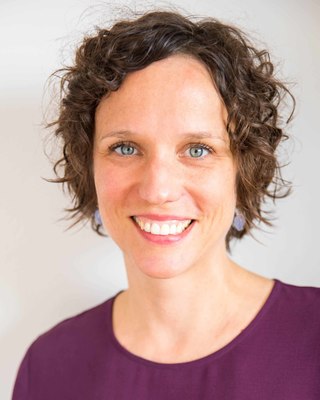
Hosted by Amy Bernstein
Clinical Social Work/Therapist, LCSW-R, SEP
Verified Verified
Group meets in Irvington, NY 10533
We know the benefits of a regular meditation practice are many, yet sitting with ourselves in its simplicity and solitude is astonishingly difficult. In subtle (and not so subtle) ways, we struggle with what is, by avoiding or fighting against ...
This is a couples workshop created by John Gottman, Ph.D founded of the Gottman Institute. This workshop is intended to be used as psychoeducation rather than therapy and aims to teach couples how to best navigate communication and conflict within ...
Hosted by Alison Silver
Mental Health Counselor, LMHC, CASAC, CCTP, ACS, LPC
Verified Verified
Group meets in Irvington, NY 10533
This is a couples workshop created by John Gottman, Ph.D founded of the Gottman Institute. This workshop is intended to be used as psychoeducation rather than therapy and aims to teach couples how to best navigate communication and conflict within ...
This will be run primarily as a psychoeducation group, with a focus on learning DBT skills in a manner in which you will be able to best support the person in treatment. This includes the understanding of the skills themselves, ...
Hosted by Kate Cucurullo (Giordano)
Counselor, LMHC, MS, ADHD-, CCSP
Verified Verified
Group meets in Irvington, NY 10533
This will be run primarily as a psychoeducation group, with a focus on learning DBT skills in a manner in which you will be able to best support the person in treatment. This includes the understanding of the skills themselves, ...
We have been facing some tough times… stress related to COVID-19 as well as loss of finance and other stressors can be triggering and re-energize poor coping behaviors. This group is designed to be a safe space where you can ...
Hosted by Alison Silver
Mental Health Counselor, LMHC, CASAC, CCTP, ACS, LPC
Verified Verified
Group meets in Irvington, NY 10533
We have been facing some tough times… stress related to COVID-19 as well as loss of finance and other stressors can be triggering and re-energize poor coping behaviors. This group is designed to be a safe space where you can ...
More Groups Nearby
DBT recognizes that patient problems are often the result of skill deficits and so increasing individual capabilities through skills training is a major focus of DBT. DBT skills are aimed directly at reducing problems that stem from patterns of instability ...
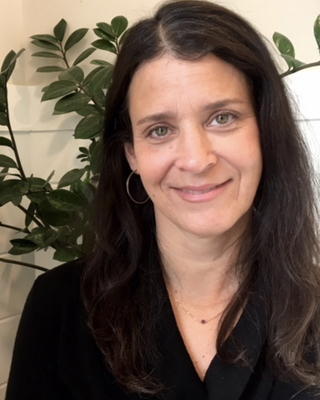
Hosted by Nicole Wagner
Clinical Social Work/Therapist, LCSW-R, CPD
Verified Verified
Group meets in White Plains, NY 10607
DBT recognizes that patient problems are often the result of skill deficits and so increasing individual capabilities through skills training is a major focus of DBT. DBT skills are aimed directly at reducing problems that stem from patterns of instability ...
Parenting can be one of the most rewarding but challenging jobs. Come with your child to socialize with other parents, to learn skills to help you be a better parent and to have fun! Groups are for six weeks starting ...
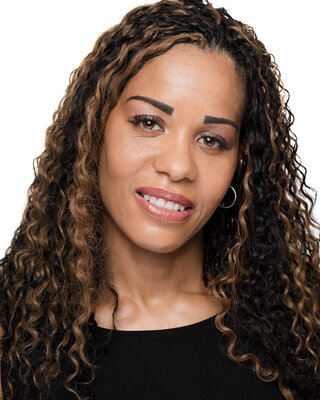
Hosted by Growth Wellness Services
Clinical Social Work/Therapist, LCSW
Verified Verified
Group meets in Tarrytown, NY 10591
Parenting can be one of the most rewarding but challenging jobs. Come with your child to socialize with other parents, to learn skills to help you be a better parent and to have fun! Groups are for six weeks starting ...
Acting out interpersonal issues in a safe supportive setting and then seeking solutions and emotional support from members.

Hosted by Dr. Bob Sindoni
Clinical Social Work/Therapist, LCSW, MSW, PhD
Verified Verified
Group meets in Tarrytown, NY 10591
Acting out interpersonal issues in a safe supportive setting and then seeking solutions and emotional support from members.
Anticipating "the terrible twos," "the threenager," or right in the middle of it? Join other parents to discuss issues like separation, sleep, transitions and tantrums. Understanding your toddler's behavior - and your own stress response - will help you learn ...

Hosted by Jeanette Sawyer Cohen
Psychologist, PhD, MS, MPhil
Verified Verified
Group meets in Dobbs Ferry, NY 10522
Anticipating "the terrible twos," "the threenager," or right in the middle of it? Join other parents to discuss issues like separation, sleep, transitions and tantrums. Understanding your toddler's behavior - and your own stress response - will help you learn ...
This is a 6-week group focused on providing support to individuals struggling with a perinatal loss.

Hosted by Rochelle (Shelly) Steinwurtzel
Psychologist, MSEd, PsyD
Verified Verified
Group meets in Dobbs Ferry, NY 10522
This is a 6-week group focused on providing support to individuals struggling with a perinatal loss.
This support group is open to parents of teenagers or young adults with current or past histories of eating disorders. The group is scheduled to meet monthly on the first Friday of each month.
The objectives of the group are to ...

Hosted by Martina Verba
Clinical Social Work/Therapist, DSW, MPH
Verified Verified
Group meets in Ardsley, NY 10502
This support group is open to parents of teenagers or young adults with current or past histories of eating disorders. The group is scheduled to meet monthly on the first Friday of each month.
The objectives of the group are to ...
I will use Art Therapy, crafts, music, and games to help kids engage in conversation and improve their social skills/interpersonal relations. Therapeutic tools used: Emotional regulation techniques/Distress tolerance building. Social skill building techniques include: Active Listening/response, Understanding facial expressions/body language, ...

Hosted by Jennifer Santaniello
Art Therapist, MA, ATR-BC, LCAT, EMDR
Verified Verified
Group meets in Ardsley, NY 10502
I will use Art Therapy, crafts, music, and games to help kids engage in conversation and improve their social skills/interpersonal relations. Therapeutic tools used: Emotional regulation techniques/Distress tolerance building. Social skill building techniques include: Active Listening/response, Understanding facial expressions/body language, ...
A Family Constellation is a powerful process that enables individuals to overcome patterns of behavior that have been repeated in families for generations. Have you felt burdened by behavior you cannot seem to change- whether yours or that of a ...

Hosted by Eve-Marie Schaffer Elkin
Clinical Social Work/Therapist, LMSW, LCAT
Verified Verified
Group meets in Tarrytown, NY 10591
A Family Constellation is a powerful process that enables individuals to overcome patterns of behavior that have been repeated in families for generations. Have you felt burdened by behavior you cannot seem to change- whether yours or that of a ...
I will use Art Therapy, crafts, music, and games to help kids engage in conversation and improve their social skills/interpersonal relations. Therapeutic tools used: Emotional regulation techniques/Distress tolerance building. Social skill building techniques include: Active Listening/response, Understanding facial expressions/body language, ...
Hosted by Jennifer Santaniello
Art Therapist, MA, ATR-BC, LCAT, EMDR
Verified Verified
Group meets in Ardsley, NY 10502
I will use Art Therapy, crafts, music, and games to help kids engage in conversation and improve their social skills/interpersonal relations. Therapeutic tools used: Emotional regulation techniques/Distress tolerance building. Social skill building techniques include: Active Listening/response, Understanding facial expressions/body language, ...
This group is for young adults on the Autism Spectrum. I will use Art Therapy, crafts, music, and games to help engage in conversation and improve social skills/interpersonal relations. This group will provide skills, support and connection. Important skills commonly ...
Hosted by Jennifer Santaniello
Art Therapist, MA, ATR-BC, LCAT, EMDR
Verified Verified
Group meets in Ardsley, NY 10502
This group is for young adults on the Autism Spectrum. I will use Art Therapy, crafts, music, and games to help engage in conversation and improve social skills/interpersonal relations. This group will provide skills, support and connection. Important skills commonly ...
sometimes being a young professional can be challenging. Trying to juggle working, going to school, family and relationships can feel overwhelming and lonely. Come meet others who are also going through similar issues. Find support, fun, and tools to help ...
Hosted by Growth Wellness Services
Clinical Social Work/Therapist, LCSW
Verified Verified
Group meets in Tarrytown, NY 10591
sometimes being a young professional can be challenging. Trying to juggle working, going to school, family and relationships can feel overwhelming and lonely. Come meet others who are also going through similar issues. Find support, fun, and tools to help ...
Painting as a tool for self-expression and exploration No experience is required for you to play with color, shape and image on a large white canvas; only the desire to experience your natural creative state. Time to express yourself and ...
Hosted by Eve-Marie Schaffer Elkin
Clinical Social Work/Therapist, LMSW, LCAT
Verified Verified
Group meets in Tarrytown, NY 10591
Painting as a tool for self-expression and exploration No experience is required for you to play with color, shape and image on a large white canvas; only the desire to experience your natural creative state. Time to express yourself and ...
As a trained DBT clinician, I provide DBT skills training in my group practice. We have skills groups for teens and parents, as well as for adults. Groups are held weeknight evenings. Please visit my group website for information about ...

Hosted by Robin Friedman
Clinical Social Work/Therapist, LCSW-R
Verified Verified
Group meets in White Plains, NY 10607
As a trained DBT clinician, I provide DBT skills training in my group practice. We have skills groups for teens and parents, as well as for adults. Groups are held weeknight evenings. Please visit my group website for information about ...
A therapeutic support group is an extremely powerful intervention that optimally addresses the special needs of family members of special needs children. The therapeutic support group offers a safe place to learn how to better deal with oneself and with ...

Hosted by Theodore M Roth
Psychologist, PhD
Verified Verified
Group meets in Dobbs Ferry, NY 10522
A therapeutic support group is an extremely powerful intervention that optimally addresses the special needs of family members of special needs children. The therapeutic support group offers a safe place to learn how to better deal with oneself and with ...
See more therapy options for Irvington


FAQs - About Group Therapy and Support Groups
How can I find a support group in Irvington?
Search for nearby support groups by inputting your city, zip code, or the name of the group into the search bar. From there, you can filter to find a group that suits your needs, whether you are looking for support for a teenager, a group that focuses on a specific issue, such as depression, or a particular program type, such as one geared toward developing social skills. To navigate between locations within the same country, enter a new city or zip code into the search bar.
How does group therapy work?
Therapy groups are led by one or more therapists and serve to help people process their experiences and learn from others who understand their challenges firsthand. They can be based on a specific issue, such as addiction, grief, physical illnesses, parenting, and caregiving. They can involve a specific type of program or therapy, such as a social skills group or CBT group. They can also be specific to a particular population or community, such as teens or LGBTQ.
Support groups, like Alcoholics Anonymous, also focus on a specific issue, but are typically led by members with lived experiences and are less structured than therapy groups. Most therapy groups will meet for a fixed length of time with a consistent group of members, while many support groups meet for an indefinite period of time with members coming and going.
Support groups, like Alcoholics Anonymous, also focus on a specific issue, but are typically led by members with lived experiences and are less structured than therapy groups. Most therapy groups will meet for a fixed length of time with a consistent group of members, while many support groups meet for an indefinite period of time with members coming and going.
What are the benefits of group therapy?
Support groups help connect people with shared challenges or physical and mental health conditions. In a group setting, participants can receive support and feedback from peers and can acquire new skills, strategies and perspectives by listening to one another. Discussing your experience with someone who also has a cancer diagnosis, or whose son also struggles with addiction, for example, can help you feel less alone, reduce distress, find empathy and connection, and learn practical or medical information that has helped others. Group therapy can also be a more affordable option than individual therapy and just as effective.
Is group therapy as effective as individual therapy?
Support groups can be deeply valuable for both emotional support and/or treatment outcomes. It’s difficult to make a blanket statement on efficacy due to the many different types of support groups and conditions treated, but group therapy has been found to be just as effective as individual therapy in establishing long-term abstinence for conditions such as substance abuse, addiction and alcohol abuse.
How much does group therapy cost?
Group counseling is typically less expensive than individual counseling, with each session costing on average between $60 to $75. Meanwhile, individual therapy sessions can run anywhere from $100 to $200 and up, even after insurance. It is possible to find low-cost group therapy options and many therapists offer group sessions free of charge.
Does insurance cover group therapy?
As with individual therapy, many insurance companies do offer coverage for group therapy sessions. However, the coverage varies based on your insurance plan details and whether you choose an in-network or out-of-network mental healthcare provider. Individuals are encouraged to check with their insurance providers to verify coverage.
How long does group therapy last?
The length of a support group session is often one hour but can fall anywhere between 45 minutes and two hours. The amount of time that people remain in a support group varies based on their specific needs and goals and the type of therapy. Some individuals may seek a shorter-term group, such as a bereavement group, that may last between six and 20 weeks. Some may seek a longer-term group that lasts for a year or indefinitely.
What are the limitations of support groups?
Support groups have many benefits, but there are a few limitations as well. Support groups do not constitute formal therapeutic or medical treatment, and are not run by licensed mental health professionals, so some people may opt for group therapy or individual therapy instead. Additionally, support groups can depend on the other participants, so a disruptive individual has the potential to mar the group dynamic, and the anecdotal information shared may sometimes be unhelpful or inaccurate. Because it is a group setting, confidentiality can be more difficult to guard and participants receive less personalized attention than they would in an individual therapy session.