Support Groups in Gastonia, NC

Sessions are set by client and Counselor to fit your time needs
Photo of Jerry Jeffrey Watts - The Groves Counseling Center, Licensed Professional Counselor, MA, MDiv, LPCS
Hosted by The Groves Counseling Center
Licensed Professional Counselor, MA, MDiv, LPCS
Group meets in Gastonia, NC 28054
Sessions are set by client and Counselor to fit your time needs
(980) 277-3512 View (980) 277-3512
Delivering healing through facing the correlation between complex trauma and spirituality.
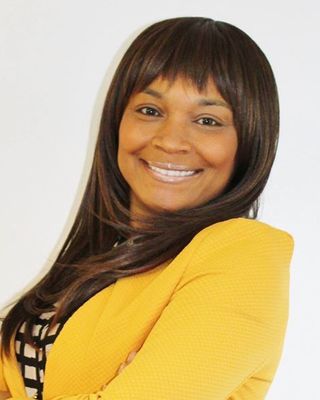
Photo of Amia C. Briscoe, Licensed Clinical Mental Health Counselor, MA, LPCS
Hosted by Amia C. Briscoe
Licensed Clinical Mental Health Counselor, MA, LPCS
Group meets in Gastonia, NC 28054
Delivering healing through facing the correlation between complex trauma and spirituality.
(704) 504-7734 View (704) 504-7734
Our upcoming neurodivergent support group is for late-diagnosed or self-identified adults navigating ADHD, autism, sensory differences, and masking fatigue. This space is affirming, inclusive, and built for real connection—not performance. Together, we’ll explore identity, unlearn shame, and build self-understanding through open conversation, creative tools, and nervous system care. You don’t have to figure it all out alone. Fill out the Form If Interested: https://forms.gle/B3v8Zz2Jy4Mdfyds5
Photo of Jasmine Colegrove - Journey Counseling PLLC, Clinical Social Work/Therapist, MSW, LCSW, LISW-CP
Hosted by Journey Counseling PLLC
Clinical Social Work/Therapist, MSW, LCSW, LISW-CP
Group meets in Gastonia, NC 28054
Our upcoming neurodivergent support group is for late-diagnosed or self-identified adults navigating ADHD, autism, sensory differences, and masking fatigue. This space is affirming, inclusive, and built for real connection—not performance. Together, we’ll explore identity, unlearn shame, and build self-understanding through open conversation, creative tools, and nervous system care. You don’t have to figure it all out alone. Fill out the Form If Interested: https://forms.gle/B3v8Zz2Jy4Mdfyds5
(980) 340-6950 View (980) 340-6950
The Relationship Lunch & Learn invites couples to slow down, share a meal, and intentionally focus on their connection. Each gathering offers a relaxed atmosphere where partners can enjoy good food, meaningful conversation, and community with others invested in growth. Sessions blend guided discussion with psychoeducation on topics like communication, conflict repair, and intimacy. Couples explore what helps relationships stay steady and connected through the natural ebb and flow of life. This is not therapy, but a guided learning experience designed to nurture connection—in everyday, approachable ways. Call 704 864 8046 to learn more
Photo of Cyd McDaniel-McGee - Essential Journey Counseling P.L.L.C, Clinical Social Work/Therapist, LCSW, LCMHCQS
Hosted by Essential Journey Counseling P.L.L.C
Clinical Social Work/Therapist, LCSW, LCMHCQS
Group meets in Gastonia, NC 28054
The Relationship Lunch & Learn invites couples to slow down, share a meal, and intentionally focus on their connection. Each gathering offers a relaxed atmosphere where partners can enjoy good food, meaningful conversation, and community with others invested in growth. Sessions blend guided discussion with psychoeducation on topics like communication, conflict repair, and intimacy. Couples explore what helps relationships stay steady and connected through the natural ebb and flow of life. This is not therapy, but a guided learning experience designed to nurture connection—in everyday, approachable ways. Call 704 864 8046 to learn more
(704) 908-0740 View (704) 908-0740
We’ll trade the therapy couch for the open air of Bali. This group experience invites individuals and couples to explore growth through connection, curiosity, and adventure. You will engage in guided discussions, mindfulness practices, and experiential learning woven through the rhythms of travel. We’ll share meals visit sacred temples, and participate in cultural activities that remind us how healing expands when we step beyond routine. Morning reflections and evening circles will offer time for insight, integration, and community. Join us for a chance to slow down, listen deeply, and reconnect with what truly matters.
Photo of Cyd McDaniel-McGee - Essential Journey Counseling P.L.L.C, Clinical Social Work/Therapist, LCSW, LCMHCQS
Hosted by Essential Journey Counseling P.L.L.C
Clinical Social Work/Therapist, LCSW, LCMHCQS
Group meets in Gastonia, NC 28054
We’ll trade the therapy couch for the open air of Bali. This group experience invites individuals and couples to explore growth through connection, curiosity, and adventure. You will engage in guided discussions, mindfulness practices, and experiential learning woven through the rhythms of travel. We’ll share meals visit sacred temples, and participate in cultural activities that remind us how healing expands when we step beyond routine. Morning reflections and evening circles will offer time for insight, integration, and community. Join us for a chance to slow down, listen deeply, and reconnect with what truly matters.
(704) 908-0740 View (704) 908-0740
Photo of Emily Lundy - Illuminate Therapy center, PLLC, Clinical Social Work/Therapist, MSSA, LCSW
Hosted by Illuminate Therapy center, PLLC
Clinical Social Work/Therapist, MSSA, LCSW
Group meets in Gastonia, NC 28054
(704) 327-0320 View (704) 327-0320

More Groups Nearby

Does your relationship need more thorough attention and care? Do you need help talking through important issues? If you need focused, assisted attention for your relationship, I offer personal retreats for couples, one or 2- Day couples intensives. To schedule an off-site retreat for your faith- based, or work-place group contact susan@susanmorrow.us. Availability by appointment.
Photo of Susan Morrow, Clinical Social Work/Therapist, MSW, LCSW, ACSW
Hosted by Susan Morrow
Clinical Social Work/Therapist, MSW, LCSW, ACSW
Group meets in Charlotte, NC 28203
Does your relationship need more thorough attention and care? Do you need help talking through important issues? If you need focused, assisted attention for your relationship, I offer personal retreats for couples, one or 2- Day couples intensives. To schedule an off-site retreat for your faith- based, or work-place group contact susan@susanmorrow.us. Availability by appointment.
(704) 842-3505 View (704) 842-3505
Is it your time? Are you ready to explore the deeper layers of yourself in a supportive, safe space? I will be hosting a small, focused women’s group to read and work through The Shadow Work Journal by S.J. Walker. Together, over 4 weeks, we’ll explore shadow work through reflective exercises, gentle discussion, and practical tools to: • Uncover hidden beliefs and emotional patterns • Release guilt, shame, and self-criticism • Embrace your full, authentic self with compassion.
Photo of Lisa Marie Rodriguez - Art of Care Counseling, Counselor, MA, LCMHC, LCASA, NCC
Hosted by Art of Care Counseling
Counselor, MA, LCMHC, LCASA, NCC
Group meets in Charlotte, NC 28226
Is it your time? Are you ready to explore the deeper layers of yourself in a supportive, safe space? I will be hosting a small, focused women’s group to read and work through The Shadow Work Journal by S.J. Walker. Together, over 4 weeks, we’ll explore shadow work through reflective exercises, gentle discussion, and practical tools to: • Uncover hidden beliefs and emotional patterns • Release guilt, shame, and self-criticism • Embrace your full, authentic self with compassion.
(704) 870-0406 View (704) 870-0406
Sessions will provide an introduction to dealing with anger utilizing a Cognitive Behavioral Therapy (CBT) curriculum and will help group members to become more aware of triggers to their anger, learn communication skills to target deficits in assertiveness and conflict resolution skills, as well as become aware of how past learning can influence present behavior.
Photo of Kelly Louise Charles - Savvy Wellness Center, PLLC, Clinical Social Work/Therapist, MSW, LCSW, CSOTS
Hosted by Savvy Wellness Center, PLLC
Clinical Social Work/Therapist, MSW, LCSW, CSOTS
Group meets in Charlotte, NC 28203
Sessions will provide an introduction to dealing with anger utilizing a Cognitive Behavioral Therapy (CBT) curriculum and will help group members to become more aware of triggers to their anger, learn communication skills to target deficits in assertiveness and conflict resolution skills, as well as become aware of how past learning can influence present behavior.
(980) 577-2559 View (980) 577-2559
IOP is designed for teens in need of more intensive support than traditional 1:1 therapy. IOP includes 10-12 hours of therapy per week through group, individual and family therapy that can accommodate school schedules. Our program is appropriate for client's with primary mental health concerns and our participants are frequently struggling with anxiety, depression, trauma, ADHD, self-harm and suicidal ideation.
Hosted by Ellen Herbert
Clinical Social Work/Therapist, LCSW
Group meets in Charlotte, NC 28210
IOP is designed for teens in need of more intensive support than traditional 1:1 therapy. IOP includes 10-12 hours of therapy per week through group, individual and family therapy that can accommodate school schedules. Our program is appropriate for client's with primary mental health concerns and our participants are frequently struggling with anxiety, depression, trauma, ADHD, self-harm and suicidal ideation.
(704) 951-5002 View (704) 951-5002
In this workshop we will collaboratively delve into the major crossroads that all couples face. Topics included will be roles/responsibilities, core values, communication/conflict resolution, intimacy/connection, and authenticity/individuality. You will get the knowledge of a therapist and a coach who are ALSO a couple! 500$ per couple; 14 hours of content across 2 intensive days. Ask about our pay what you can; pay it forward option. Next group begins April 20-21.
Photo of Crystal Fiorentino, Counselor, MA, LCMHC
Hosted by Crystal Fiorentino
Counselor, MA, LCMHC
Group meets in Newton, NC 28658
In this workshop we will collaboratively delve into the major crossroads that all couples face. Topics included will be roles/responsibilities, core values, communication/conflict resolution, intimacy/connection, and authenticity/individuality. You will get the knowledge of a therapist and a coach who are ALSO a couple! 500$ per couple; 14 hours of content across 2 intensive days. Ask about our pay what you can; pay it forward option. Next group begins April 20-21.
(980) 366-4246 View (980) 366-4246
This group focuses on support and healthy healing from infidelity and other harming behaviors, especially in addictions. The group is open to all-genders and non-binary people. We focus on "our own side of the street" and healing through building communication skills, boundary setting and support.
Photo of Michelle Holleman, Drug & Alcohol Counselor, MS, LCAS, CSAT, CPTT, CMAT
Hosted by Michelle Holleman
Drug & Alcohol Counselor, MS, LCAS, CSAT, CPTT, CMAT
Group meets in Charlotte, NC 28226
This group focuses on support and healthy healing from infidelity and other harming behaviors, especially in addictions. The group is open to all-genders and non-binary people. We focus on "our own side of the street" and healing through building communication skills, boundary setting and support.
(704) 469-5425 View (704) 469-5425
This 24 week DBT Adherent group covers Marsha Linehan's modules: Mindfulness, Emotion Regulation, Distress Tolerance, and Emotion Regulation, as well as Walking the Middle Path, which was created for teens and their families. New group members can join at the beginning of a new module. Teens and parents meet in the same room to learn the skills together.
Photo of Marissa Johnson, Lic Clinical Mental Health Counselor Supervisor, LCMHCS, NCC
Hosted by Marissa Johnson
Lic Clinical Mental Health Counselor Supervisor, LCMHCS, NCC
Group meets in Matthews, NC 28105
This 24 week DBT Adherent group covers Marsha Linehan's modules: Mindfulness, Emotion Regulation, Distress Tolerance, and Emotion Regulation, as well as Walking the Middle Path, which was created for teens and their families. New group members can join at the beginning of a new module. Teens and parents meet in the same room to learn the skills together.
(704) 610-3970 View (704) 610-3970
Supervision for Licensed Clinical Mental Health Counselor- Associates (LCMHC-A) is a critical component of the licensure process, ensuring that emerging professionals receive the guidance, support, and practical experience needed to develop their skills and competencies in the field of counseling. This supervision is designed to provide structured oversight and mentorship, facilitating the transition from academic preparation to professional practice.
Photo of Dr. Cheryl Andrews - Andrews Counseling and Consulting, PLLC, Lic Clinical Mental Health Counselor Supervisor, LCMHC, CRC, ACS, NCC
Hosted by Andrews Counseling and Consulting, PLLC
Lic Clinical Mental Health Counselor Supervisor, LCMHC, CRC, ACS, NCC
Group meets in Charlotte, NC 28262
Supervision for Licensed Clinical Mental Health Counselor- Associates (LCMHC-A) is a critical component of the licensure process, ensuring that emerging professionals receive the guidance, support, and practical experience needed to develop their skills and competencies in the field of counseling. This supervision is designed to provide structured oversight and mentorship, facilitating the transition from academic preparation to professional practice.
(704) 251-6421 View (704) 251-6421
Our next round of our Body Image Support Group will start this Spring 2026! Please reach out at hello@modmindcounseling.com for more information on this series and how to get started!
Photo of Meegan Tiffany, Licensed Clinical Mental Health Counselor, MA, LCMHC, NCC
Hosted by Meegan Tiffany
Licensed Clinical Mental Health Counselor, MA, LCMHC, NCC
Group meets in Charlotte, NC 28203
Our next round of our Body Image Support Group will start this Spring 2026! Please reach out at hello@modmindcounseling.com for more information on this series and how to get started!
(980) 277-3359 View (980) 277-3359
RLT Bootcamp in Charlotte, NC: Based on Terry Real’s Essential Relationship Skills Bootcamp, this two-day intensive is designed to deliver the kind of deep, transformative work that typically takes 7–10 months in traditional therapy. Through a mix of teaching, experiential exercises, and video demonstrations, you’ll walk away with a new understanding of yourself and your relationships—and tools you can start using right away. This is a transformative relationship skills workshop and couples workshop.
Photo of Breta M. Collins, Marriage & Family Therapist, MA, LMFT
Hosted by Breta M. Collins
Marriage & Family Therapist, MA, LMFT
Group meets in Charlotte, NC 28209
RLT Bootcamp in Charlotte, NC: Based on Terry Real’s Essential Relationship Skills Bootcamp, this two-day intensive is designed to deliver the kind of deep, transformative work that typically takes 7–10 months in traditional therapy. Through a mix of teaching, experiential exercises, and video demonstrations, you’ll walk away with a new understanding of yourself and your relationships—and tools you can start using right away. This is a transformative relationship skills workshop and couples workshop.
(704) 276-6626 View (704) 276-6626
This support group is for adult daughters of emotionally immature mothers who are ready to heal long-standing patterns rooted in unmet needs, parentification, or emotional neglect. Together, we explore boundaries, self-worth, attachment wounds, and the impact of growing up without consistent emotional attunement. The group blends trauma-informed practices, parts work, and gentle relational processing in a supportive, confidential space. You’ll learn to understand your history, regulate your nervous system, and build healthier relationships with yourself and others.
Photo of Halimah A. Hargett, Clinical Social Work/Therapist, MSW, LCSW
Hosted by Halimah A. Hargett
Clinical Social Work/Therapist, MSW, LCSW
Group meets in Charlotte, NC 28209
This support group is for adult daughters of emotionally immature mothers who are ready to heal long-standing patterns rooted in unmet needs, parentification, or emotional neglect. Together, we explore boundaries, self-worth, attachment wounds, and the impact of growing up without consistent emotional attunement. The group blends trauma-informed practices, parts work, and gentle relational processing in a supportive, confidential space. You’ll learn to understand your history, regulate your nervous system, and build healthier relationships with yourself and others.
(704) 940-8065 x1001 View (704) 940-8065 x1001
This group will meet on Mondays at 5pm. There is limited space and clients are required to be in ongoing therapy. If you do not have a therapist, we can refer you to one. The group is 24 weeks long and new members are allowed to join at the beginning of a new module.
Photo of Kristina Mathews Acosta, Licensed Professional Counselor, PhD, LCAS, LCMHC, LCMHCS
Hosted by Kristina Mathews Acosta
Licensed Professional Counselor, PhD, LCAS, LCMHC, LCMHCS
Group meets in Matthews, NC 28105
This group will meet on Mondays at 5pm. There is limited space and clients are required to be in ongoing therapy. If you do not have a therapist, we can refer you to one. The group is 24 weeks long and new members are allowed to join at the beginning of a new module.
(704) 286-6227 View (704) 286-6227
Are you stuck on a loop of negative thoughts and beliefs about yourself? Do you struggle to dive into tough emotions, or avoid them completely? Befriending Your Inner Critic is a group designed with you in mind! Here you will engage in parts work to help you embrace the difficult parts of yourself and harness the power of your emotions. Perfect for young Adults ages 18-30.
Photo of Christina Lyon, Pre-Licensed Professional, Intern
Hosted by Christina Lyon
Pre-Licensed Professional, Intern
Group meets in Charlotte, NC 28262
Are you stuck on a loop of negative thoughts and beliefs about yourself? Do you struggle to dive into tough emotions, or avoid them completely? Befriending Your Inner Critic is a group designed with you in mind! Here you will engage in parts work to help you embrace the difficult parts of yourself and harness the power of your emotions. Perfect for young Adults ages 18-30.
(704) 459-4226 View (704) 459-4226
You wonder if this is typical, if other kids do the same. Your little one just doesn't seem as social as the other kids. It feels like they already have no friends. They play alone, or right next to another child, but they never interact. Or maybe, your child seems bossy. They are hitting, pushing, biting, it's a mess. You feel like they might get kicked out of preschool- or they already have been. You want a play group that can teach them to play nice and be nice.
Photo of Michelle M. Tolison, Lic Clinical Mental Health Counselor Supervisor, LPC-QS, RPT-S, LMHC, MS
Hosted by Michelle M. Tolison
Lic Clinical Mental Health Counselor Supervisor, LPC-QS, RPT-S, LMHC, MS
Group meets in Charlotte, NC 28210
You wonder if this is typical, if other kids do the same. Your little one just doesn't seem as social as the other kids. It feels like they already have no friends. They play alone, or right next to another child, but they never interact. Or maybe, your child seems bossy. They are hitting, pushing, biting, it's a mess. You feel like they might get kicked out of preschool- or they already have been. You want a play group that can teach them to play nice and be nice.
(704) 209-7741 View (704) 209-7741

See more therapy options for Gastonia

FAQs - About Group Therapy and Support Groups

How can I find a support group in Gastonia?

To find a support group in your area, start by entering your city, zip code, or the name of the group into the search bar at the top of the page. When searching, consider whether you prefer an in-person or virtual group. This can help you decide how broad your geographic search should be. If you are open to virtual groups, you might want to search by state instead of just your city, especially if there are limited options nearby.

Once you complete your search, you can use the filters to narrow the results by selecting specialties (such as grief, trauma, or eating disorders), therapeutic approaches, age groups, and other criteria to find a group that best fits your needs.

How does group therapy work?

Group therapy is led by one or more trained therapists and provides a space where participants can process their experiences and learn from others facing similar challenges. Groups may focus on a specific issue—such as addiction, grief, physical illnesses, parenting, or caregiving—or they may center around a particular therapeutic approach, such as Cognitive Behavioral Therapy (CBT), social skill development, or Exposure Therapy. Some groups are also designed for specific populations, such as teens, veterans, or LGBTQ+ individuals.

It’s also important to distinguish group therapy from peer-led support groups, like Alcoholics Anonymous. While both can offer valuable support, therapy groups are typically led by licensed professionals and follow a more structured format. Therapy groups often meet for a fixed length of time with a consistent group of members, while many peer support groups meet for an indefinite period of time with members coming and going.

What are the benefits of group therapy?

Group therapy offers several important benefits. It brings together people facing similar challenges—whether related to mental health, physical health, or life transitions—and creates a supportive environment where participants can exchange feedback, share experiences, and learn from one another. Hearing different perspectives can help individuals discover new coping strategies and practical tools they may not have encountered on their own. Sharing personal experiences, such as coping with a serious illness or navigating family struggles, can also reduce feelings of isolation and foster a sense of connection and understanding. In addition to emotional support, group members often gain useful, real-world advice from peers who have faced similar situations.

Group therapy is typically more affordable than individual therapy and, for certain conditions, can be equally effective. Many groups also include structured activities—such as guided journaling, cognitive-behavioral exercises, or role-playing—to help participants develop concrete skills they can apply in daily life.

Is group therapy as effective as individual therapy?

It is difficult to make a blanket statement about the effectiveness of support groups, as they vary widely in focus and the conditions they address. However, support groups can be highly valuable in helping individuals gain emotional support and achieve meaningful treatment outcomes. For certain conditions, such as substance use, research has shown that group therapy can be particularly effective—sometimes just as effective as individual therapy—in supporting long-term recovery.

Many professionals attribute the effectiveness of group therapy to the unique benefits of the group setting, which fosters peer-to-peer learning and a sense of connection through shared experiences. Group settings also offer accountability and encouragement from both facilitators and fellow participants, which helps sustain motivation and supports continued progress. These factors together play a key role in promoting the overall effectiveness of group therapy.

How much does group therapy cost?

Group therapy is typically less expensive than individual therapy, with sessions typically costing between $50 and $75 each. In comparison, individual therapy can cost anywhere from $100 to $200 or more per session, even with insurance. Some therapists or organizations offer low-cost or free group therapy options, particularly through community centers or nonprofit organizations. In some cases, groups may require payment upfront for a set number of sessions, such as paying for six weekly sessions at the first meeting. However, many providers offer payment plans to help make participation more accessible if this upfront payment is required.

Does insurance cover group therapy?

As with individual therapy, insurance coverage for group therapy varies based on factors such as your specific insurance plan, the purpose of the group, your diagnosis, and whether the group provider is in-network. Many insurance plans cover group therapy sessions that address diagnosable mental health conditions, such as substance use disorders, anxiety, or depression.

However, groups that focus on topics not directly tied to a mental health diagnosis—such as parenting support or divorce recovery—are less likely to be covered. Because coverage can vary widely, it’s important to check with your insurance provider before joining a group to confirm whether the sessions will be covered and what out-of-pocket costs you may be responsible for.

How long does group therapy last?

The length of each group therapy session typically ranges from 45 minutes to two hours, depending on the therapy approach, the group’s goals, and how often the group meets. In some cases, group therapy is part of a larger treatment program, such as an Intensive Outpatient Program (IOP), where group sessions complement individual therapy and are scheduled as part of the program’s overall structure.

The duration of participation in a group also varies. Some groups are designed to be short-term, lasting anywhere from 6 to 24 weeks—for example, bereavement groups or skills-based groups like those using Dialectical Behavioral Therapy (DBT). Other groups may be longer-term, lasting a year or more, and some ongoing support groups meet indefinitely, allowing participants to stay as long as they find the group helpful.

What are the limitations of support groups?

Support groups offer many benefits, but they also have certain limitations. Unlike therapy groups, many support groups do not provide formal therapeutic treatment and are not led by licensed mental health professionals. For individuals seeking clinical treatment for specific mental health diagnoses—such as depression, eating disorders, or substance use—individual therapy or group therapy led by a licensed professional may offer more personalized and specialized care.

The effectiveness of a support group also depends heavily on the group’s participants and the overall group dynamic. When members engage respectfully and offer constructive support, the group can foster valuable peer-to-peer learning. However, if certain participants dominate discussions, provide inaccurate advice, or create conflict, it can disrupt the group’s sense of safety and reduce its effectiveness. Confidentiality can also be harder to maintain in support groups, particularly in open groups where participants can join or leave at any time. With new members regularly entering the group, it can be more difficult to build and sustain a consistent sense of trust and privacy.