Support Groups in Shelby, NC
A consultation is required for group membership. Many women and men come out of relationships reeling from the difference in who that special someone was supposed to be verus who they really were. This is a group that helps one another look for signs and triggers, learn to love themselves again, and remove the words guilt, shame and remorse to those of survivors and warriors.

A consultation is required for group membership. Many women and men come out of relationships reeling from the difference in who that special someone was supposed to be verus who they really were. This is a group that helps one another look for signs and triggers, learn to love themselves again, and remove the words guilt, shame and remorse to those of survivors and warriors.
Divorce Support Group
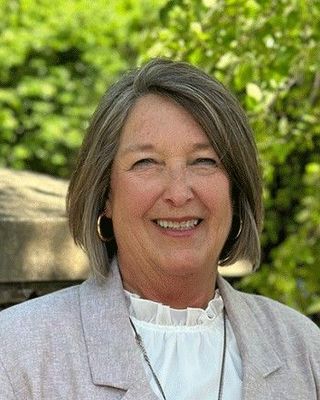
Hosted by Cindy Wallace
Licensed Clinical Mental Health Counselor, MA, LCMHCS, NCC
Group meets in Shelby, NC 28152
Divorce Support Group
A consultation is required for group membership. To assist individuals in developing coping skills to manage depression and anxiety in productive ways.
A consultation is required for group membership. To assist individuals in developing coping skills to manage depression and anxiety in productive ways.
A place where everyone can come together to be themselves, be safe, be loved and be proud.
A place where everyone can come together to be themselves, be safe, be loved and be proud.
More Groups Nearby
Petals & Power is a supportive group for women ages 18 and older seeking connection, encouragement, and personal growth. Whether you're navigating relationships, parenting, career demands, life transitions, or healing from past experiences, this group provides a safe, judgment-free space to share, learn, and grow. Through meaningful conversations and mutual support, participants build resilience, strengthen coping skills, gain new perspectives, and develop healthy relationships while finding encouragement from women walking similar journeys.

Hosted by Samantha Gingles
Licensed Clinical Mental Health Counselor, MS, LCMHC, NCC
Group meets in Gastonia, NC 28054
Petals & Power is a supportive group for women ages 18 and older seeking connection, encouragement, and personal growth. Whether you're navigating relationships, parenting, career demands, life transitions, or healing from past experiences, this group provides a safe, judgment-free space to share, learn, and grow. Through meaningful conversations and mutual support, participants build resilience, strengthen coping skills, gain new perspectives, and develop healthy relationships while finding encouragement from women walking similar journeys.
Using CBT (Cognitive Behavioral Therapy, Therapist treats those in need of learning to understand and identify triggers for anger. Client will develop and learn to practice coping skills that will help them think, feel, and behave differently in response to anger. Learning to be calmer and in more control and reacting with more appropriate behaviors. This group is created for teens and adults. other groups offered are Triple P Parenting for adults, and Substance abuse groups for children and adults.

Using CBT (Cognitive Behavioral Therapy, Therapist treats those in need of learning to understand and identify triggers for anger. Client will develop and learn to practice coping skills that will help them think, feel, and behave differently in response to anger. Learning to be calmer and in more control and reacting with more appropriate behaviors. This group is created for teens and adults. other groups offered are Triple P Parenting for adults, and Substance abuse groups for children and adults.
This group is a walk/talk support group designed for moms to feel heard, understood, and connected. Motherhood is full of constant change-emotionally, physically, and relationally. This group offers a supportive space to navigate those shifts alongside other moms who get it. Each week focuses on a meaningful topic related to motherhood and mental wellness, creating opportunities for reflection, connection, and growth. Sessions begin with a 20 minute walk, where moms are paired together to talk. Following the walk, the group comes together for a therapist led discussion that offers education, practical coping strategies, and additional support related to the topic of the day.

Hosted by Healing Pineapple Therapy, PLLC
Clinical Social Work/Therapist, LCSW, PMH-C
Group meets in Belmont, NC 28012
This group is a walk/talk support group designed for moms to feel heard, understood, and connected. Motherhood is full of constant change-emotionally, physically, and relationally. This group offers a supportive space to navigate those shifts alongside other moms who get it. Each week focuses on a meaningful topic related to motherhood and mental wellness, creating opportunities for reflection, connection, and growth. Sessions begin with a 20 minute walk, where moms are paired together to talk. Following the walk, the group comes together for a therapist led discussion that offers education, practical coping strategies, and additional support related to the topic of the day.
Sessions are set by client and Counselor to fit your time needs
Hosted by The Groves Counseling Center
Licensed Professional Counselor, MA, MDiv, LPCS
Group meets in Gastonia, NC 28054
Sessions are set by client and Counselor to fit your time needs
This therapeutic group is designed for youth ages 12–16 who may be struggling with anxiety, depression, low self-esteem, emotional overwhelm, life transitions, family changes, peer stressors, or difficulties adjusting to everyday challenges.
Hosted by Samantha Gingles
Licensed Clinical Mental Health Counselor, MS, LCMHC, NCC
Group meets in Gastonia, NC 28054
This therapeutic group is designed for youth ages 12–16 who may be struggling with anxiety, depression, low self-esteem, emotional overwhelm, life transitions, family changes, peer stressors, or difficulties adjusting to everyday challenges.
The Relationship Lunch & Learn invites couples to slow down, share a meal, and intentionally focus on their connection. Each gathering offers a relaxed atmosphere where partners can enjoy good food, meaningful conversation, and community with others invested in growth. Sessions blend guided discussion with psychoeducation on topics like communication, conflict repair, and intimacy. Couples explore what helps relationships stay steady and connected through the natural ebb and flow of life. This is not therapy, but a guided learning experience designed to nurture connection—in everyday, approachable ways. Call 704 864 8046 to learn more

Hosted by Essential Journey Wellness
Clinical Social Work/Therapist, LCSW, QS
Group meets in Gastonia, NC 28054
The Relationship Lunch & Learn invites couples to slow down, share a meal, and intentionally focus on their connection. Each gathering offers a relaxed atmosphere where partners can enjoy good food, meaningful conversation, and community with others invested in growth. Sessions blend guided discussion with psychoeducation on topics like communication, conflict repair, and intimacy. Couples explore what helps relationships stay steady and connected through the natural ebb and flow of life. This is not therapy, but a guided learning experience designed to nurture connection—in everyday, approachable ways. Call 704 864 8046 to learn more
Our upcoming neurodivergent support group is for late-diagnosed or self-identified adults navigating ADHD, autism, sensory differences, and masking fatigue. This space is affirming, inclusive, and built for real connection—not performance. Together, we’ll explore identity, unlearn shame, and build self-understanding through open conversation, creative tools, and nervous system care. You don’t have to figure it all out alone. Fill out the Form If Interested: https://forms.gle/B3v8Zz2Jy4Mdfyds5

Hosted by Journey Counseling PLLC
Clinical Social Work/Therapist, MSW, LCSW, LISW-CP
Group meets in Gastonia, NC 28054
Our upcoming neurodivergent support group is for late-diagnosed or self-identified adults navigating ADHD, autism, sensory differences, and masking fatigue. This space is affirming, inclusive, and built for real connection—not performance. Together, we’ll explore identity, unlearn shame, and build self-understanding through open conversation, creative tools, and nervous system care. You don’t have to figure it all out alone. Fill out the Form If Interested: https://forms.gle/B3v8Zz2Jy4Mdfyds5
Reach out to learn more! 828-855-7332 or Katrina@resiliencetherapy.org

Hosted by Katrina Belmont
Licensed Clinical Mental Health Counselor, LCMHC, LCAS
Group meets in Hickory, NC 28602
Reach out to learn more! 828-855-7332 or Katrina@resiliencetherapy.org
We’ll trade the therapy couch for the open air of Bali. This group experience invites individuals and couples to explore growth through connection, curiosity, and adventure. You will engage in guided discussions, mindfulness practices, and experiential learning woven through the rhythms of travel. We’ll share meals visit sacred temples, and participate in cultural activities that remind us how healing expands when we step beyond routine. Morning reflections and evening circles will offer time for insight, integration, and community. Join us for a chance to slow down, listen deeply, and reconnect with what truly matters.
Hosted by Essential Journey Wellness
Clinical Social Work/Therapist, LCSW, QS
Group meets in Gastonia, NC 28054
We’ll trade the therapy couch for the open air of Bali. This group experience invites individuals and couples to explore growth through connection, curiosity, and adventure. You will engage in guided discussions, mindfulness practices, and experiential learning woven through the rhythms of travel. We’ll share meals visit sacred temples, and participate in cultural activities that remind us how healing expands when we step beyond routine. Morning reflections and evening circles will offer time for insight, integration, and community. Join us for a chance to slow down, listen deeply, and reconnect with what truly matters.
Online Support group focused on trying times for parents during Covid Facilitated by Geraldine Oyoo, MSW, LCSWA registration required w/ $25 fee per session (second parent free!) To register or for more information: info@creativeperspectivestherapy.com or call 704.759.6525

Hosted by Geraldine A Oyoo
Clinical Social Work/Therapist, MSW, LCSW
Group meets in Mount Holly, NC 28120
Online Support group focused on trying times for parents during Covid Facilitated by Geraldine Oyoo, MSW, LCSWA registration required w/ $25 fee per session (second parent free!) To register or for more information: info@creativeperspectivestherapy.com or call 704.759.6525
A positive, affirming gathering of adult women, who meet monthly, to learn how to live better, happier lives, while receiving encouragement from the group.

Hosted by Roberta Borden Wilson
Licensed Clinical Mental Health Counselor, MA, LCMHC, NCC, TF-CBT, EMDR
Group meets in Belmont, NC 28012
A positive, affirming gathering of adult women, who meet monthly, to learn how to live better, happier lives, while receiving encouragement from the group.
Looking for a place to connect, grow and be challenged alongside other men? Join us of honest conversations encouragement and practical life discussion. Groups are faciliated by Mr. Kelly Busher, LCSW and meet alternating Thursday evenings. Preregistration is required. Reach out for more information Info@CreativePerspectivesTherapy.com

Hosted by Kelly Justin Busher
Clinical Social Work/Therapist, MSW, LCSW
Group meets in Mount Holly, NC 28120
Looking for a place to connect, grow and be challenged alongside other men? Join us of honest conversations encouragement and practical life discussion. Groups are faciliated by Mr. Kelly Busher, LCSW and meet alternating Thursday evenings. Preregistration is required. Reach out for more information Info@CreativePerspectivesTherapy.com
The Social Skills Group will be using Dungeons & Dragons (D&D), a role-playing game, to create social scenarios for the participants to increase social and emotional skills. Participants/players in the group will create an adventurer to role-play in D&D and we will be playing the game therapeutically. The Social Skills Group is ideal for helping individuals who feel they struggle with social development or feel they struggle in social interactions.

The Social Skills Group will be using Dungeons & Dragons (D&D), a role-playing game, to create social scenarios for the participants to increase social and emotional skills. Participants/players in the group will create an adventurer to role-play in D&D and we will be playing the game therapeutically. The Social Skills Group is ideal for helping individuals who feel they struggle with social development or feel they struggle in social interactions.
In these playful & engaging small-group workshops (ages 7-young adult), we will play theater games and use other creative expression to improve Social skills - learning awareness of self & others Whole body listening - "show" you're listening & practice conversation Self esteem/self worth - how choices relate to behavior Coping - Gain new skills to master anxiety & stress Monthly sessions: TBD post covid
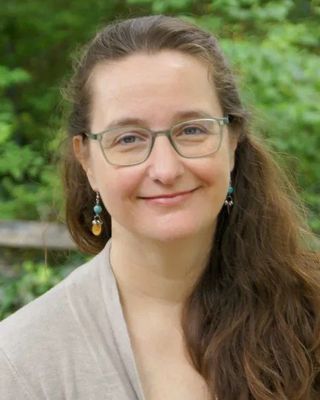
Hosted by Barbara Brown
Clinical Social Work/Therapist, MSW, LCSW, RDT, CFSW
Group meets in Mount Holly, NC 28120
In these playful & engaging small-group workshops (ages 7-young adult), we will play theater games and use other creative expression to improve Social skills - learning awareness of self & others Whole body listening - "show" you're listening & practice conversation Self esteem/self worth - how choices relate to behavior Coping - Gain new skills to master anxiety & stress Monthly sessions: TBD post covid
Delivering healing through facing the correlation between complex trauma and spirituality.

Hosted by Amia C. Briscoe
Licensed Clinical Mental Health Counselor, MA, LCMHCS, LCAS-A
Group meets in Gastonia, NC 28054
Delivering healing through facing the correlation between complex trauma and spirituality.

Hosted by Illuminate Therapy center, PLLC
Clinical Social Work/Therapist, MSSA, LCSW
Group meets in Gastonia, NC 28054
See more therapy options for Shelby


Nearby Searches for Shelby
See More Support Groups FAQs - About Group Therapy and Support Groups
How can I find a support group in Shelby?
To find a support group in your area, start by entering your city, zip code, or the name of the group into the search bar at the top of the page. When searching, consider whether you prefer an in-person or virtual group. This can help you decide how broad your geographic search should be. If you are open to virtual groups, you might want to search by state instead of just your city, especially if there are limited options nearby.
Once you complete your search, you can use the filters to narrow the results by selecting specialties (such as grief, trauma, or eating disorders), therapeutic approaches, age groups, and other criteria to find a group that best fits your needs.
Once you complete your search, you can use the filters to narrow the results by selecting specialties (such as grief, trauma, or eating disorders), therapeutic approaches, age groups, and other criteria to find a group that best fits your needs.
How does group therapy work?
Group therapy is led by one or more trained therapists and provides a space where participants can process their experiences and learn from others facing similar challenges. Groups may focus on a specific issue—such as addiction, grief, physical illnesses, parenting, or caregiving—or they may center around a particular therapeutic approach, such as Cognitive Behavioral Therapy (CBT), social skill development, or Exposure Therapy. Some groups are also designed for specific populations, such as teens, veterans, or LGBTQ+ individuals.
It’s also important to distinguish group therapy from peer-led support groups, like Alcoholics Anonymous. While both can offer valuable support, therapy groups are typically led by licensed professionals and follow a more structured format. Therapy groups often meet for a fixed length of time with a consistent group of members, while many peer support groups meet for an indefinite period of time with members coming and going.
It’s also important to distinguish group therapy from peer-led support groups, like Alcoholics Anonymous. While both can offer valuable support, therapy groups are typically led by licensed professionals and follow a more structured format. Therapy groups often meet for a fixed length of time with a consistent group of members, while many peer support groups meet for an indefinite period of time with members coming and going.
What are the benefits of group therapy?
Group therapy offers several important benefits. It brings together people facing similar challenges—whether related to mental health, physical health, or life transitions—and creates a supportive environment where participants can exchange feedback, share experiences, and learn from one another. Hearing different perspectives can help individuals discover new coping strategies and practical tools they may not have encountered on their own. Sharing personal experiences, such as coping with a serious illness or navigating family struggles, can also reduce feelings of isolation and foster a sense of connection and understanding. In addition to emotional support, group members often gain useful, real-world advice from peers who have faced similar situations.
Group therapy is typically more affordable than individual therapy and, for certain conditions, can be equally effective. Many groups also include structured activities—such as guided journaling, cognitive-behavioral exercises, or role-playing—to help participants develop concrete skills they can apply in daily life.
Group therapy is typically more affordable than individual therapy and, for certain conditions, can be equally effective. Many groups also include structured activities—such as guided journaling, cognitive-behavioral exercises, or role-playing—to help participants develop concrete skills they can apply in daily life.
Is group therapy as effective as individual therapy?
It is difficult to make a blanket statement about the effectiveness of support groups, as they vary widely in focus and the conditions they address. However, support groups can be highly valuable in helping individuals gain emotional support and achieve meaningful treatment outcomes. For certain conditions, such as substance use, research has shown that group therapy can be particularly effective—sometimes just as effective as individual therapy—in supporting long-term recovery.
Many professionals attribute the effectiveness of group therapy to the unique benefits of the group setting, which fosters peer-to-peer learning and a sense of connection through shared experiences. Group settings also offer accountability and encouragement from both facilitators and fellow participants, which helps sustain motivation and supports continued progress. These factors together play a key role in promoting the overall effectiveness of group therapy.
Many professionals attribute the effectiveness of group therapy to the unique benefits of the group setting, which fosters peer-to-peer learning and a sense of connection through shared experiences. Group settings also offer accountability and encouragement from both facilitators and fellow participants, which helps sustain motivation and supports continued progress. These factors together play a key role in promoting the overall effectiveness of group therapy.
How much does group therapy cost?
Group therapy is typically less expensive than individual therapy, with sessions typically costing between $50 and $75 each. In comparison, individual therapy can cost anywhere from $100 to $200 or more per session, even with insurance. Some therapists or organizations offer low-cost or free group therapy options, particularly through community centers or nonprofit organizations. In some cases, groups may require payment upfront for a set number of sessions, such as paying for six weekly sessions at the first meeting. However, many providers offer payment plans to help make participation more accessible if this upfront payment is required.
Does insurance cover group therapy?
As with individual therapy, insurance coverage for group therapy varies based on factors such as your specific insurance plan, the purpose of the group, your diagnosis, and whether the group provider is in-network. Many insurance plans cover group therapy sessions that address diagnosable mental health conditions, such as substance use disorders, anxiety, or depression.
However, groups that focus on topics not directly tied to a mental health diagnosis—such as parenting support or divorce recovery—are less likely to be covered. Because coverage can vary widely, it’s important to check with your insurance provider before joining a group to confirm whether the sessions will be covered and what out-of-pocket costs you may be responsible for.
However, groups that focus on topics not directly tied to a mental health diagnosis—such as parenting support or divorce recovery—are less likely to be covered. Because coverage can vary widely, it’s important to check with your insurance provider before joining a group to confirm whether the sessions will be covered and what out-of-pocket costs you may be responsible for.
How long does group therapy last?
The length of each group therapy session typically ranges from 45 minutes to two hours, depending on the therapy approach, the group’s goals, and how often the group meets. In some cases, group therapy is part of a larger treatment program, such as an Intensive Outpatient Program (IOP), where group sessions complement individual therapy and are scheduled as part of the program’s overall structure.
The duration of participation in a group also varies. Some groups are designed to be short-term, lasting anywhere from 6 to 24 weeks—for example, bereavement groups or skills-based groups like those using Dialectical Behavioral Therapy (DBT). Other groups may be longer-term, lasting a year or more, and some ongoing support groups meet indefinitely, allowing participants to stay as long as they find the group helpful.
The duration of participation in a group also varies. Some groups are designed to be short-term, lasting anywhere from 6 to 24 weeks—for example, bereavement groups or skills-based groups like those using Dialectical Behavioral Therapy (DBT). Other groups may be longer-term, lasting a year or more, and some ongoing support groups meet indefinitely, allowing participants to stay as long as they find the group helpful.
What are the limitations of support groups?
Support groups offer many benefits, but they also have certain limitations. Unlike therapy groups, many support groups do not provide formal therapeutic treatment and are not led by licensed mental health professionals. For individuals seeking clinical treatment for specific mental health diagnoses—such as depression, eating disorders, or substance use—individual therapy or group therapy led by a licensed professional may offer more personalized and specialized care.
The effectiveness of a support group also depends heavily on the group’s participants and the overall group dynamic. When members engage respectfully and offer constructive support, the group can foster valuable peer-to-peer learning. However, if certain participants dominate discussions, provide inaccurate advice, or create conflict, it can disrupt the group’s sense of safety and reduce its effectiveness. Confidentiality can also be harder to maintain in support groups, particularly in open groups where participants can join or leave at any time. With new members regularly entering the group, it can be more difficult to build and sustain a consistent sense of trust and privacy.
The effectiveness of a support group also depends heavily on the group’s participants and the overall group dynamic. When members engage respectfully and offer constructive support, the group can foster valuable peer-to-peer learning. However, if certain participants dominate discussions, provide inaccurate advice, or create conflict, it can disrupt the group’s sense of safety and reduce its effectiveness. Confidentiality can also be harder to maintain in support groups, particularly in open groups where participants can join or leave at any time. With new members regularly entering the group, it can be more difficult to build and sustain a consistent sense of trust and privacy.