Support Groups in San Marino, CA
BiAF is a therapeutic group experience that's both healing and community building. We celebrate your strengths and give you space to share your story and struggles with other bisexuals who can support, validate, and understand you. Bisexuals make up the largest portion of the LGBTQ+ population (almost 60%!), yet we often feel the most isolated, excluded, and misunderstood. We are honored to be able to provide this community space and support you as you navigate the world. We look forward to meeting you. BiAF is led by Minnie Goode, Associate Marriage & Family Therapist (CA AMFT #139743).

Hosted by Clarity & Growth Center for Psychotherapy
Marriage & Family Therapist, MA, MFT
Verified Verified
Group meets in San Marino, CA 91108
Finding a therapist who's the right fit can be stressful and time-consuming. Thank you for taking a minute to see if one of our therapists is right for you. You may be feeling stressed, worried, anxious, angry, hopeless - or all of the above! - and you just want to feel better. Maybe there's a problem you need to talk through, find some clarity around, and take action on. Or perhaps you're looking for someone who can help you clarify your goals, develop your potential, and bring your dreams into reality. In any case, we'd love to help!
Did you know that plurisexual people make up 63% of the total LGBTQ+ population? And yet, we are barely visible. We are also at significantly higher risk for self-harm, substance use, anxiety, depression, suicide, and sexual assault than our heterosexual and homosexual counterparts. That's why it's so important to come together and connect with other bisexuals. BiAF is bimonthly group therapy for bisexual and other plurisexual folx, centering your experience and focusing on community, conversation, and connection.

Hosted by Minnie Goode Imago Relationship Therapy
Marriage & Family Therapist Associate, MA, AMFT, APCC
Verified Verified
Group meets in San Marino, CA 91108
If you are seeking help for your relationship, it's probably because things feel distant, disconnected, or even out of control. You feel like you can't communicate no matter how hard you try. You are tired of arguing. You want to feel close again but don't know where to begin. Maybe you don't recognize yourselves after you had children and day-to-day family life feels overwhelming and joyless. Maybe you've experienced a betrayal and are so filled with sadness and rage you don't recognize yourself anymore. You want to fix things but are afraid of the pain. Perhaps you made a mistake and need help regaining your partner's trust.
Once you have a kid, everything changes. We KNOW this. Yet, we are still caught off guard when we have a kid and everything changes! Learn how to reconnect with your partner, how to get on the same page about parenting, and how to recognize and safely work through the painful messages and stories from your family history that are constantly being replayed in your own family despite your best efforts to squash and forget them. Over 6 weeks, parent couples will work with other parent couples and two therapists to deepen their understanding of themselves, their histories, their partner and their partner's history.
Hosted by Minnie Goode Imago Relationship Therapy
Marriage & Family Therapist Associate, MA, AMFT, APCC
Verified Verified
Group meets in San Marino, CA 91108
If you are seeking help for your relationship, it's probably because things feel distant, disconnected, or even out of control. You feel like you can't communicate no matter how hard you try. You are tired of arguing. You want to feel close again but don't know where to begin. Maybe you don't recognize yourselves after you had children and day-to-day family life feels overwhelming and joyless. Maybe you've experienced a betrayal and are so filled with sadness and rage you don't recognize yourself anymore. You want to fix things but are afraid of the pain. Perhaps you made a mistake and need help regaining your partner's trust.
More Groups Nearby
Individual private practice serving individuals and couples.
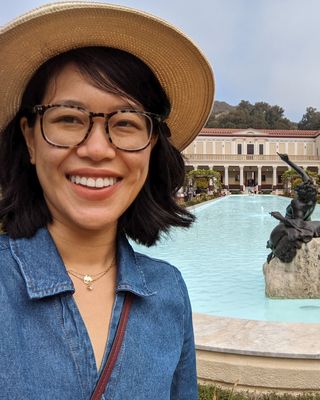
Hosted by Heather Lam
Marriage & Family Therapist, LMFT
Verified Verified
Group meets in Pasadena, CA 91106
Life can feel overwhelming at times. Do you have annoying thoughts or behaviors that feel out of control? Current or past events in your life could be affecting your well-being. You could be experiencing a crisis, having difficulty with family, a partner, or friend. If you're feeling sad, anxious, or not like yourself, it's time to reach out. You might need someone that can listen and guide you through your stress. I will teach you tools to sort through your thoughts, feelings, and find a healthy relationship with yourself. I will work with you to heal, cope, and potentially laugh through tough times.
Executive and leadership coaching is a concentrated way to bring people to their next level of performance. The group process is a robust way to learn and be motivated. This group is about combining these two: coaching and group.

Hosted by Alibrando Psychological Consulting
Psychologist, PhD
Verified Verified
Group meets in Pasadena, CA 91101
Our ideal client is an individual, couple or organization that is interested in some sort of transformation and needs an experienced facilitator and partner in that change. I have worked as a therapist for over 35 years and a business consultant for over 25 years. I have two master degrees and one doctorate degree in counseling and clinical psychology. More importantly, however, I have invested in my own personal growth, after all, the emotional maturity of the therapist/consultant is the most important attribute they can have.
Do you often think that other people are judging you? Do you worry about being rejected or humiliated? Were you ever the victim of bullying or harsh judgement? Do you end up feeling lonely or frustrated because of these fears? Are you finally fed up and ready for positive change? If any of this rings true for you, then maybe it’s time for some real & lasting change through joining a social anxiety group. The therapy process begins by joining a supportive group of people who understand you, guided by a therapist that has experience and success treating social anxiety.

Hosted by Daniel Chazanas
Marriage & Family Therapist, LMFT
Verified Verified
Group meets in Pasadena, CA 91101
Do you somehow feel like you just don't fit into your life? People I work with often feel like misfits, even though - from the outside - they may appear to be doing just fine. I help people see through their trances of unworthiness, shame, distrust, and inferiority. These trances often stem from identifying with outdated stories from the past; stories that often have deep roots in the mind, heart, body, and spirit, which take time to unearth and unravel. I offer a safe, sacred space where these stories and early traumas - that are showing up today as persistent "problems"- can be explored, understood, and ultimately released.
We provide Trauma Therapy with a compassionate, sensitive, and individualized approach so our clients can maximize their potential in their personal, social, and professional lives. Everyone is unique; let us help you find and utilize your special strengths and abilities.

Hosted by Aimee Ford
Marriage & Family Therapist Associate, MA, AMFT, CCTP-I
Verified Verified
Group meets in Pasadena, CA 91101
Trauma has an undeniable effect on people’s lives that can shape core beliefs about self, relationships, and the safety of the world. I use Eye Movement Desensitization and Reprocessing (EMDR) and IFS combined with other trauma-informed practices to provide a safe, judgment-free therapeutic environment. I use an integrative approach to therapy, drawing from multiple modalities to provide a holistic, individualized, and comprehensive treatment plan that identifies and addresses your therapeutic goals. I work with individuals, couples and adolescents as well as offer group therapy.
This group is led by one registered drama therapist or a duo team for facilitators and clinicians who want to keep current and explore the real issues of micro-aggression, bias, privilege, and white fragility in the lives of our clients and in our clinical practice. This is an experiential way of working, using drama and expressive therapies, in order to discover our relevant questions and personal truths that will apply toward our practice and lives. These intimate, experiential seminars are comprised of one to three sessions for three hours minimum. Some seminars offer CEs via the NBCC.
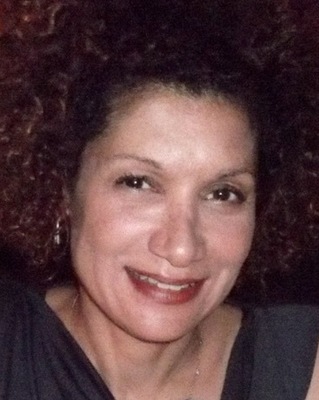
Hosted by Myriam Savage, PhD., SoCal Drama Therapy Center
PhD, MA, RDT, BCT
Verified Verified
Group meets in South Pasadena, CA 91030
I am a narrative-trained drama therapist who is person-centered in approach. I facilitate individuals, families, and groups in corporate or educational settings. We will work together to re-author problem saturated life narratives as you explore expressive therapies in sessions as a means toward an embodied, cognitive, safe, creative experience. Restoring the whole person is the goal. My expertise has been on self-identity, foster care, adoption, rehab, adolescence, anxiety, trauma, multiculturalism & social skills. Talk, discovery, and recovery through rapport from a drama therapy and a positive psychology foundation nurture you.
Our Social skills groups include the Superflex Academy - a fun, superpower-based social learning curriculum for 2nd - 5th grades. For middle and high school youth, Girls' Connection and Teen Connection therapy groups provide social skill development via in-the-moment learning through activities, conversation and fun. There are limited regional center spaces available in some of our groups.

Hosted by Melissa J Johnson
Psychologist, PhD
Verified Verified
Group meets in Pasadena, CA 91101
Are you looking for ways to help your family m or yourself find zest and build strength for facing life's challenges? Is your family challenged by stress during COVID-19? I and the Institute therapy team work with children, teens, young women, families and gender-expansive youth to build resilience during challenging times like these. Individual, family, and group therapy are provided with fee and payment options to meet varied needs. As CEO and founder, I offer consultation and training to educators, medical and mental health professionals. Our website is full of resources to support social and emotional growth for our times.
This group is currently accepting individuals who are struggling with Long Covid. The group will be made up of those individuals with the purpose of providing support to one another through this very difficult time.
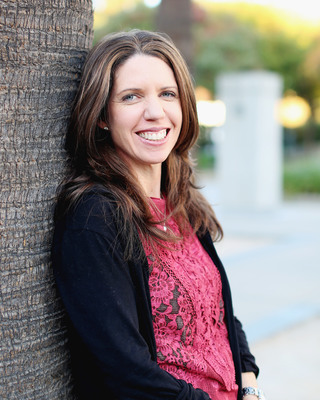
Hosted by Gabrielle Taylor, PhD
Psychologist, PhD
Verified Verified
Group meets in Pasadena, CA 91101
Seeking help amidst the sea of therapists out there is overwhelming to say the least, and one's mental health is so personal, it is hard to know who can help. Psychotherapy is a collaboration in pursuit of your growth and development. I hope to provide a safe and private space where you feel comfortable to talk about the matters of the heart that plague you. I believe you deserve nothing less than a respectful and ethical relationship where you can delve into the darker spaces inside that house some of your deepest pains and heartbreak.
Groups provide a setting in which young people build self-esteem through honesty, compassionate support, and encouragement. At a developmental phase in which peer groups are a highly significant motivating force, adolescent and young adult groups harness the power of the positive peer group experience. Oakwood offers a variety of groups for teens and young adults based on each client's age and current needs, providing all of the young people we serve with the support and skills necessary to problem solve and overcome challenges in their lives.

Hosted by Oakwood Family Institute
Treatment Center
Verified Verified
Group meets in Pasadena, CA 91106
Oakwood Family Treatment is dedicated to helping teens, young adults, and their families create a foundation for healing, self-discovery, and personal growth. In doing so we use a comprehensive, multi-dimensional, clinically-based treatment approach that is highly individualized, integrative, and holistic in nature. Our goal is to promote human potential, mindful living, and spiritual well-being. At Oakwood it is our mission to provide families with the direction and resources needed to help teens thrive developmentally, giving parents and their teens the power to create and sustain transformative change in their lives.
Our Girl Power and Grit Groups offer girls and teens a therapeutic space to meet with peers, give and gain support, and engage in creative activities while developing skills for fostering mindfulness, resilience, zest and authenticity. Some of our Grit groups include: Girls & Grit; Compassion & Grit (for those with anxiety); Wellness Grit (for those with chronic pain); Rainbow Grit (for LGBTQIA+ youth). Our ACT (acceptance and commitment therapy) groups are another type of empowerment group. These are time-limited and empower young women by helping them change their relationship with anxiety, depression and other challenges like procrastination.
Hosted by Melissa J Johnson
Psychologist, PhD
Verified Verified
Group meets in Pasadena, CA 91101
Are you looking for ways to help your family m or yourself find zest and build strength for facing life's challenges? Is your family challenged by stress during COVID-19? I and the Institute therapy team work with children, teens, young women, families and gender-expansive youth to build resilience during challenging times like these. Individual, family, and group therapy are provided with fee and payment options to meet varied needs. As CEO and founder, I offer consultation and training to educators, medical and mental health professionals. Our website is full of resources to support social and emotional growth for our times.
Our providers are trained in many approaches, but they're all focused on one thing: helping you change your life. All our providers are licensed/registered and have Master's/Doctoral degrees, at least 2,000 hours of professional experience, and must have completed their own therapy before working with us. We also take the guess-work out of finding the right provider by offering a FREE consultation where we match you to a clinician based on your specific needs, budget, and schedule. We offer in person and video/phone sessions, as well as online portal for forms, payment, etc.
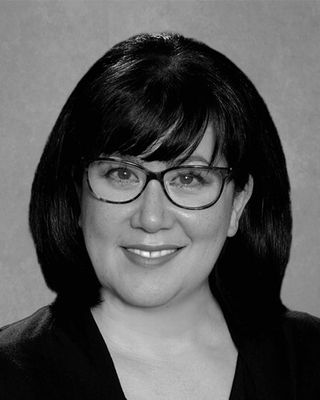
Hosted by Isla Dennis
Marriage & Family Therapist, MA, LMFT
Verified Verified
Group meets in Pasadena, CA 91101
Are you stuck in the same old arguments? Struggling with communication, boundaries, fantasies or leaving, or infidelity? Or maybe intimacy feels awkward or stale? Are you or your loved ones repeating behaviors or relationships and wishing you could break the cycle? Sometimes we get stuck, and change can feel impossible. That's where I come in. My job is to listen, help you understand root causes of your difficulties, break unwanted patterns, and teach you practical tools to help change your life. If you have the sense you're not reaching your potential for health, happiness, or success, it may be time to move toward a change.
This telehealth group provides an encouraging and supportive space for men to explore and address the unique challenges they face. We focus on fostering resilience, enhancing self-awareness, and exploring and sharing experiences of what it is like being a man in the modern world. Group members are encouraged to take an active role in shaping the direction of our discussions, ensuring that the group's focus reflects their needs and interests. By connecting with others in a confidential and respectful environment, participants will build a supportive community while working towards meaningful personal change.
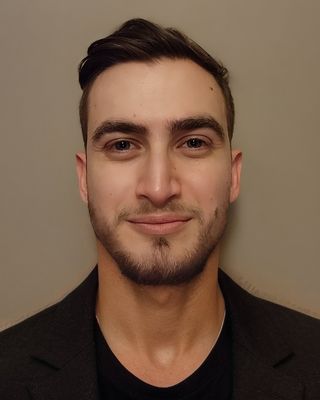
Hosted by Joseph Anthony Occhipinti
Pre-Licensed Professional, MA, AMFT
Verified Verified
Group meets in Los Angeles, CA 90042
You’re unsure of who you are, what your purpose is, or how to navigate life’s many transitions with confidence. You’re feeling stuck and facing challenges in relationships, societal pressures, or the dating world. I empathize strongly with those in their teens, 20s, 30s, or those feeling directionless, and the need for support in building self-awareness and resilience. Together, we can create personalized strategies to overcome these hurdles, build psychological resilience, and set meaningful goals, opening the door to a life that feels authentically yours.
When children share that they are transgender or nonbinary, parents are overwhelmed with questions. However, each member of the family has distinct needs. Our programs are designed to support each member of the family. Transforming Family was created by parents and professionals who have been down this path. We offer groups for parens of pre-pubertal youth, parents of adolscents, parents of non-binary youth, parents of children with autism, a dads group, and parents of adult childern, among others. You can learn more our groups and services at www.transformingfamily.org. Groups are currently heald via Zoom.
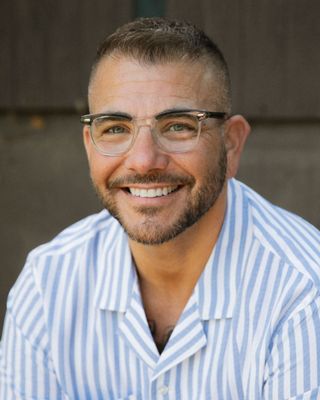
Hosted by Dr. Aydin Olson-Kennedy
Clinical Social Work/Therapist, DSW, LCSW
Verified Verified
Group meets in South Pasadena, CA 91031
Trust and confidentiality are vital to the therapeutic relationship and process. For parents of transgender and non-binary youth, this can sometimes leave them feeling "out of the loop." Before their child came out, they came in. As a result, parents often find themselves behind and may feel confused, overwhelmed, and sometimes scared about what this new information means about their child and future. In an attempt to close the knowledge gap, parents often rely on asking questions but are often met with anger from their children and sometimes feel shut out.
If you have heard about group therapy before but never tried it, this is a great opportunity to see what it is about. This type of group will especially benefit those who have something in their interpersonal life with family, friendships or romantic relationships that they wish could change or be developed. In a typical session, and with the aid of the group leader, members not only understand themselves and their own issues but also become "helpers" for other members in the group.

Hosted by William Whitney
Marriage & Family Therapist, MSt, MFT
Verified Verified
Group meets in Pasadena, CA 91101
Asking for help is not always easy. Whether you are trying to navigate a difficult relationship, deepen an existing one, or if you find yourself in a place where you feel "stuck", we can work to equip you with tools to help your particular situation. The majority of my clients say therapy helped them increase their self-awareness and communication skills, reduce stress, have less anxiety, and have an increased ability to deal emotions. I specialize in work with individuals and couples around anxiety, depression, and relationship issues. I also specialize in group therapy and currently have openings my Thursday evening group at 6pm.
Are you struggling with eating disorders and body image issues? Embark on a transformative journey with this Body Image and Eating Disorders support group. This group utilize a holistic approach addressing factors like media influence, cultural pressures, and personal experiences. You'll gain practical skills, explore coping mechanisms, and engage in peer learning, creating a shared endeavor toward recovery. I aim to offer a safe and non-judgmental place where you can process unresolved feelings. Reclaim your relationship with food, boost self-esteem, and rediscover your beauty and self-worth. Healing is possible. Book a free consultation with me.
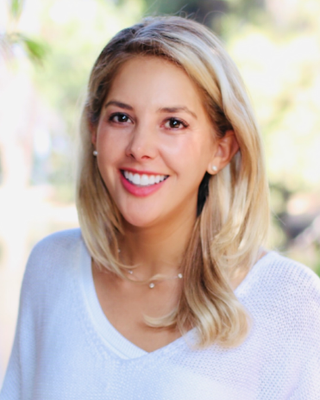
Hosted by Cathy Trenary
Associate Professional Clinical Counselor, APCC
Verified Verified
Group meets in Pasadena, CA 91101
Our life experiences can lead us to question our identity and purpose in the world we live in. This can lead us to anxiety, depression, and trauma. Do you want to improve how you face challenges, function in your relationships, and face overwhelming feelings? I place heavy importance on addressing trauma. Trauma disintegrates the parts that make up your whole self, which can leave aspects of who you are hidden from your awareness. Left unaddressed, anxiety and depression can worsen, which can rob you of the necessary connection that all human beings need to thrive. I aim to help you process unresolved trauma.
OPEN GROUP: Court Approved Domestic Violence Group!! I'm a certified Domestic Counselor you will receive a certificate and letter upon completion to give to your judge upon completion of 12 sessions.

Hosted by Wings of The Future, NFP
Clinical Social Work/Therapist, LCSW
Verified Verified
Group meets in Pasadena, CA 91105
Krystal Boothe is a Licensed Clinical Social Worker with over 17 years of experience in the mental health field. She finds nothing more rewarding in her career than using her expertise to help people identify and overcome trauma from childhood. Krystal believes that childhood trauma profoundly impacts many people's lives and has found it to be the primary reason for emotional dysregulation in many of her patients. Her goal has always been clear: to transform her own life and help others do the same. Through Wings of the Future, Krystal provides crucial support and guidance to individuals, couples, and families.
Group in person, South Pasadena, starting Tuesday, October 1st, 2024. This is a peer support and workbook focused group using Getting Past Your Break Up, by Susan Elliot. Max, 5 participants.
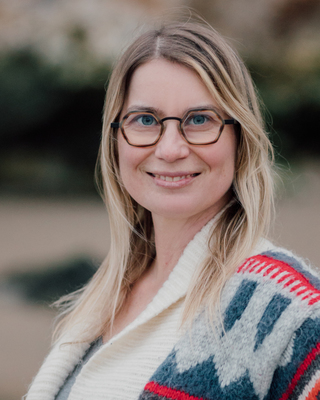
Hosted by Sonnet Daymont
Marriage & Family Therapist, MA, LMFT
Verified Verified
Group meets in South Pasadena, CA 91030
Are you feeling overwhelmed, stressed? Therapy can be helpful for life transitions, treating anxiety, and healing from traumatic experiences. Many of my clients are lawyers, writers, professional artists, stay at home moms, but I also enjoy working with older teenagers, and early professionals. I provide time tested strategies based on successful research (CBT, EMDR, Existential Therapy, Positive Psychology). I am trained in art therapy and as a mindfulness teacher, including certification for Mindfulness Based Stress Reduction, MBSR. I can meet with you in-person, or online. I have a small therapy dog present in our office.
Six-week groups are for adolescent young women (ages 13-15) (ages 16-18). Groups meet weekly for 2 1/2 hours focusing on self-expression and identity during this developmental stage of individuation. Young women who are shy, outgoing or who may have social anxiety, developmental, emotional challenges are all welcome. All levels of artistry & backgrounds are welcome. This is an experiential, creative way of working with dramatic arts. Original writing and performance at each person's comfort level are nurtured. This is a fun supportive group. Designing a small girls' workshop in your community, while meeting your timeline and needs is possible.
Hosted by Myriam Savage, PhD., SoCal Drama Therapy Center
PhD, MA, RDT, BCT
Verified Verified
Group meets in South Pasadena, CA 91030
I am a narrative-trained drama therapist who is person-centered in approach. I facilitate individuals, families, and groups in corporate or educational settings. We will work together to re-author problem saturated life narratives as you explore expressive therapies in sessions as a means toward an embodied, cognitive, safe, creative experience. Restoring the whole person is the goal. My expertise has been on self-identity, foster care, adoption, rehab, adolescence, anxiety, trauma, multiculturalism & social skills. Talk, discovery, and recovery through rapport from a drama therapy and a positive psychology foundation nurture you.
See more therapy options for San Marino


FAQs - About Group Therapy and Support Groups
How can I find a support group in San Marino?
Search for nearby support groups by inputting your city, zip code, or the name of the group into the search bar. From there, you can filter to find a group that suits your needs, whether you are looking for support for a teenager, a group that focuses on a specific issue, such as depression, or a particular program type, such as one geared toward developing social skills. To navigate between locations within the same country, enter a new city or zip code into the search bar.
How does group therapy work?
Therapy groups are led by one or more therapists and serve to help people process their experiences and learn from others who understand their challenges firsthand. They can be based on a specific issue, such as addiction, grief, physical illnesses, parenting, and caregiving. They can involve a specific type of program or therapy, such as a social skills group or CBT group. They can also be specific to a particular population or community, such as teens or LGBTQ.
Support groups, like Alcoholics Anonymous, also focus on a specific issue, but are typically led by members with lived experiences and are less structured than therapy groups. Most therapy groups will meet for a fixed length of time with a consistent group of members, while many support groups meet for an indefinite period of time with members coming and going.
Support groups, like Alcoholics Anonymous, also focus on a specific issue, but are typically led by members with lived experiences and are less structured than therapy groups. Most therapy groups will meet for a fixed length of time with a consistent group of members, while many support groups meet for an indefinite period of time with members coming and going.
What are the benefits of group therapy?
Support groups help connect people with shared challenges or physical and mental health conditions. In a group setting, participants can receive support and feedback from peers and can acquire new skills, strategies and perspectives by listening to one another. Discussing your experience with someone who also has a cancer diagnosis, or whose son also struggles with addiction, for example, can help you feel less alone, reduce distress, find empathy and connection, and learn practical or medical information that has helped others. Group therapy can also be a more affordable option than individual therapy and just as effective.
Is group therapy as effective as individual therapy?
Support groups can be deeply valuable for both emotional support and/or treatment outcomes. It’s difficult to make a blanket statement on efficacy due to the many different types of support groups and conditions treated, but group therapy has been found to be just as effective as individual therapy in establishing long-term abstinence for conditions such as substance abuse, addiction and alcohol abuse.
How much does group therapy cost?
Group counseling is typically less expensive than individual counseling, with each session costing on average between $60 to $75. Meanwhile, individual therapy sessions can run anywhere from $100 to $200 and up, even after insurance. It is possible to find low-cost group therapy options and many therapists offer group sessions free of charge.
Does insurance cover group therapy?
As with individual therapy, many insurance companies do offer coverage for group therapy sessions. However, the coverage varies based on your insurance plan details and whether you choose an in-network or out-of-network mental healthcare provider. Individuals are encouraged to check with their insurance providers to verify coverage.
How long does group therapy last?
The length of a support group session is often one hour but can fall anywhere between 45 minutes and two hours. The amount of time that people remain in a support group varies based on their specific needs and goals and the type of therapy. Some individuals may seek a shorter-term group, such as a bereavement group, that may last between six and 20 weeks. Some may seek a longer-term group that lasts for a year or indefinitely.
What are the limitations of support groups?
Support groups have many benefits, but there are a few limitations as well. Support groups do not constitute formal therapeutic or medical treatment, and are not run by licensed mental health professionals, so some people may opt for group therapy or individual therapy instead. Additionally, support groups can depend on the other participants, so a disruptive individual has the potential to mar the group dynamic, and the anecdotal information shared may sometimes be unhelpful or inaccurate. Because it is a group setting, confidentiality can be more difficult to guard and participants receive less personalized attention than they would in an individual therapy session.