Support Groups in 07040
If men are from Mars and women are from Venus then ladies..."Learn To Speak Martian!!" This women's group is designed to help women aged 25+, understand men's thought processes and behaviors in relationships and hopefully alleviate some of their frustration. I probably understand men a lot better than your girlfriend...

Hosted by Internal Affairs Child & Family Therapy Center
Clinical Social Work/Therapist, LCSW-R, LCSW
Group meets in Maplewood, NJ 07040
If men are from Mars and women are from Venus then ladies..."Learn To Speak Martian!!" This women's group is designed to help women aged 25+, understand men's thought processes and behaviors in relationships and hopefully alleviate some of their frustration. I probably understand men a lot better than your girlfriend...
Domestic violence group is a group which involves several individuals and /or families discussing domestic violence concerns, and receives feedback from the psychologist This group is a psycho-educational group which is facilitated by a psychologist.

Hosted by Happy Family Counseling Services, LLC
Verified Verified
Group meets in Maplewood, NJ 07040
Domestic violence group is a group which involves several individuals and /or families discussing domestic violence concerns, and receives feedback from the psychologist This group is a psycho-educational group which is facilitated by a psychologist.
This group focuses on the stress and anxiety as a result of infertility. This group provides support for the emotional trauma that is related to infertility.

Hosted by Kira Baskerville-Williams
Clinical Social Work/Therapist, LCSW, EdD, CCTP
Group meets in Maplewood, NJ 07040
This group focuses on the stress and anxiety as a result of infertility. This group provides support for the emotional trauma that is related to infertility.
Are you unhappy with aspects of your life? Do you long for a better, more loving and intimate relationship? Are you feeling that you are not fulfilled in your career? Do you want more out of your life? Are you constantly repeating self-destructive behaviors. Do you want to be better at dealing with difficult people. Imagine your life where you are able to change your life story. You are in a loving relationship. You are working in a career that feels satisfying and fulfilling. You are living a life that you knew, deep inside of you, was always a possibility..
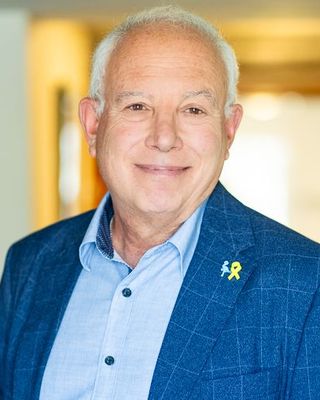
Hosted by Michael Hessdorf
Clinical Social Work/Therapist, LCSW, CGP
Group meets in Maplewood, NJ 07040
Are you unhappy with aspects of your life? Do you long for a better, more loving and intimate relationship? Are you feeling that you are not fulfilled in your career? Do you want more out of your life? Are you constantly repeating self-destructive behaviors. Do you want to be better at dealing with difficult people. Imagine your life where you are able to change your life story. You are in a loving relationship. You are working in a career that feels satisfying and fulfilling. You are living a life that you knew, deep inside of you, was always a possibility..
My supervision style is about active and service-learning. Both focus on engaging critical thinking, skill acquisition, and examining your belief systems. Leading to self-awareness and understanding others will help you build interventions and strategies that best fit the client's needs.

Hosted by Dr. Aunjuli Hicks
Licensed Professional Counselor, PhD, LPC, NCC, ACS
Group meets in Maplewood, NJ 07040
My supervision style is about active and service-learning. Both focus on engaging critical thinking, skill acquisition, and examining your belief systems. Leading to self-awareness and understanding others will help you build interventions and strategies that best fit the client's needs.
This group offers support for care givers of elderly. Please contact me for day/time specifications.

This group offers support for care givers of elderly. Please contact me for day/time specifications.
The support group is focused on Seniors who are looking for understanding, comfort, and help dealing with the stages of older life. We are non-judgmental and welcome all seniors to our circle of love and support.
The support group is focused on Seniors who are looking for understanding, comfort, and help dealing with the stages of older life. We are non-judgmental and welcome all seniors to our circle of love and support.
Training group for clinicians to talk about cases and explore their feelings in the here and now as a way to work on their self in order to improve their capacity as a clinician. The group emphasizes the development of the clinician’s self as a central clinical tool. Through facilitated reflection and group process, members examine internal conflicts, relational patterns, and affective responses that shape therapeutic presence and clinical judgment. The focus is on increasing emotional awareness, tolerance for ambiguity, and capacity for attuned, thoughtful therapeutic work. We will meet remotely.
Hosted by Michael Hessdorf
Clinical Social Work/Therapist, LCSW, CGP
Group meets in Maplewood, NJ 07040
Training group for clinicians to talk about cases and explore their feelings in the here and now as a way to work on their self in order to improve their capacity as a clinician. The group emphasizes the development of the clinician’s self as a central clinical tool. Through facilitated reflection and group process, members examine internal conflicts, relational patterns, and affective responses that shape therapeutic presence and clinical judgment. The focus is on increasing emotional awareness, tolerance for ambiguity, and capacity for attuned, thoughtful therapeutic work. We will meet remotely.
Empowerment Today supports self-awareness and provides the assistance needed to live the life you were destined to live.
Hosted by Kira Baskerville-Williams
Clinical Social Work/Therapist, LCSW, EdD, CCTP
Group meets in Maplewood, NJ 07040
Empowerment Today supports self-awareness and provides the assistance needed to live the life you were destined to live.
In addition to individual supervision I also offer group supervision for LMSWs to conduct case studies and network with other social workers.
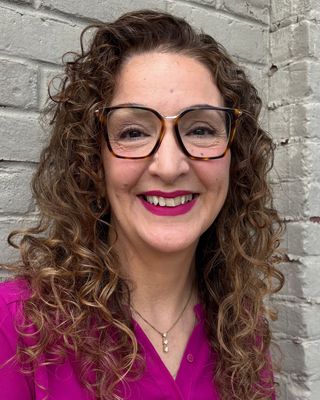
Hosted by Jacqueline B Caballero-McMechen
Clinical Social Work/Therapist, LCSW
Group meets in Maplewood, NJ 07040
In addition to individual supervision I also offer group supervision for LMSWs to conduct case studies and network with other social workers.
Everything the registry checklist doesn't cover: the feelings, the fears, the relationship shifts, and an actual plan for the fourth trimester. Come curious, leave prepared — and connected to other parents due around the same time.

Hosted by Janine Territo
Clinical Social Work/Therapist, LCSW, PMH-C
Group meets in Maplewood, NJ 07040
Everything the registry checklist doesn't cover: the feelings, the fears, the relationship shifts, and an actual plan for the fourth trimester. Come curious, leave prepared — and connected to other parents due around the same time.
For the sleep-deprived and freshly humbled. Real talk about the parts nobody posts — feeding struggles, identity whiplash, relationship friction, 3am doubts — with people who are living it too. Babies welcome on screen, obviously.
Hosted by Janine Territo
Clinical Social Work/Therapist, LCSW, PMH-C
Group meets in Maplewood, NJ 07040
For the sleep-deprived and freshly humbled. Real talk about the parts nobody posts — feeding struggles, identity whiplash, relationship friction, 3am doubts — with people who are living it too. Babies welcome on screen, obviously.
More Groups Nearby
IF YOU ARE EXPERIENCING... THE PAIN OF A PARTNER'S INFIDELITY OR SEXUAL BETRAYAL. THE CONFUSION OF EMOTIONAL MANIPULATION, GASLIGHTING, OR NARCISSISTIC TACTICS. FEELINGS OF SHOCK, CONFUSION, ANGER, OR DEEP SADNESS FOLLOWING A TRUSTED PERSON'S DECEIT. THE BREAKDOWN OF YOUR SENSE OF SAFETY, SELF-WORTH, AND TRUST IN OTHERS. THIS GROUP IS FOR YOU! WE PROVIDE A SAFE, CONFIDENTIAL SPACE TO SHARE AND HEAL. THIS GROUP OFFERS A SAFE, SUPPORTIVE COMMUNITY WHERE YOU CAN CONNECT WITH OTHERS WHO TRULY UNDERSTAND. WE ARE HERE TO WALK WITH YOU ON YOUR JOURNEY TOWARD HEALING AND RECOVERY.

Hosted by Turn Leaf Wellness
Clinical Social Work/Therapist, PhD, MEd, LCSW, LCADC, CST
Group meets in Springfield, NJ 07081
IF YOU ARE EXPERIENCING... THE PAIN OF A PARTNER'S INFIDELITY OR SEXUAL BETRAYAL. THE CONFUSION OF EMOTIONAL MANIPULATION, GASLIGHTING, OR NARCISSISTIC TACTICS. FEELINGS OF SHOCK, CONFUSION, ANGER, OR DEEP SADNESS FOLLOWING A TRUSTED PERSON'S DECEIT. THE BREAKDOWN OF YOUR SENSE OF SAFETY, SELF-WORTH, AND TRUST IN OTHERS. THIS GROUP IS FOR YOU! WE PROVIDE A SAFE, CONFIDENTIAL SPACE TO SHARE AND HEAL. THIS GROUP OFFERS A SAFE, SUPPORTIVE COMMUNITY WHERE YOU CAN CONNECT WITH OTHERS WHO TRULY UNDERSTAND. WE ARE HERE TO WALK WITH YOU ON YOUR JOURNEY TOWARD HEALING AND RECOVERY.
This is an online support group for adults who need a place to cope with and process their loss.

Hosted by Kimberly Mondoro
Clinical Social Work/Therapist, LCSW
Group meets in Hillsborough, NJ 08844
This is an online support group for adults who need a place to cope with and process their loss.
I am a Certified Supervisor (NASW) for LSW to LCSW. Minimum two participants, Maximum 6. 6 session commitment. Longer term involvement for lasting growth, mutual support and learning, as well as development of your unique expertise with my guidance.
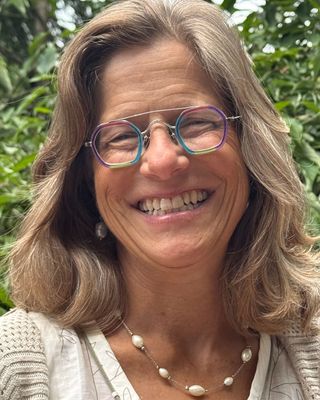
Hosted by Ruth Goldsmith
Clinical Social Work/Therapist, MSW, LCSW, (EMDR, EFcT, KAP)
Group meets in Highland Park, NJ 08904
I am a Certified Supervisor (NASW) for LSW to LCSW. Minimum two participants, Maximum 6. 6 session commitment. Longer term involvement for lasting growth, mutual support and learning, as well as development of your unique expertise with my guidance.
This virtual group is for anyone who is contemplating separation or divorce, are already in the process or divorced less than 3 years. The group is also for those seeking recovery from their partner's infidelity. Ease your concerns amongst the support of others who understand. You are not alone. Learn how to cope with feelings of loss, anger, sadness, lonliness and/or betrayal. Rebuild self esteem; communicate better with your spouse/ex-spouse; set new goals for yourself. Gain information, understanding and perspective to think more clearly and make more informed personal decisions to help get your life back on track.

Hosted by Risa Simpson-Davis
Clinical Social Work/Therapist, LCSW, MSW
Group meets in Chester, NJ 07930
This virtual group is for anyone who is contemplating separation or divorce, are already in the process or divorced less than 3 years. The group is also for those seeking recovery from their partner's infidelity. Ease your concerns amongst the support of others who understand. You are not alone. Learn how to cope with feelings of loss, anger, sadness, lonliness and/or betrayal. Rebuild self esteem; communicate better with your spouse/ex-spouse; set new goals for yourself. Gain information, understanding and perspective to think more clearly and make more informed personal decisions to help get your life back on track.
If you're not sure if alcohol/drugs are a problem for you, join this group ; assess yourself, gain information on what is addiction and abstinence strategies.

Hosted by J Victoria Laszlo
Clinical Social Work/Therapist, LCSW, LCADC
Group meets in East Brunswick, NJ 08816
If you're not sure if alcohol/drugs are a problem for you, join this group ; assess yourself, gain information on what is addiction and abstinence strategies.
Starting in March 2020! LOVING, LEAVING, LIVING WITH THE NARCISSIST IN YOUR LIFE... ONLINE support Community: Whether you are living with, in love with, leaving, or have left the narcissist in your life-this group will offer the essential tools necessary for understanding and dealing with the challenges, upsets, and emotionally painful impact of Narcissism... on your relationship, family, children, and most importantly... your sense of self. Specific Areas of Focus: How to Identify and Heal Your Life Themes and Change Self-Defeating Patterns in Relationships Restore a Broken Trust After Infidelity, Pornography/Sexual Preoccupation

Hosted by Wendy Terrie Behary
Clinical Social Work/Therapist, LCSW
Group meets in Springfield, NJ 07081
Starting in March 2020! LOVING, LEAVING, LIVING WITH THE NARCISSIST IN YOUR LIFE... ONLINE support Community: Whether you are living with, in love with, leaving, or have left the narcissist in your life-this group will offer the essential tools necessary for understanding and dealing with the challenges, upsets, and emotionally painful impact of Narcissism... on your relationship, family, children, and most importantly... your sense of self. Specific Areas of Focus: How to Identify and Heal Your Life Themes and Change Self-Defeating Patterns in Relationships Restore a Broken Trust After Infidelity, Pornography/Sexual Preoccupation
Going back to school can be a tricky time to navigate eating disorder recovery, no matter where you are in your journey. This group offers a space to reflect on specific stressors, problem solve around them, and get support from peers who get it. This group will meet for 5 consecutive weeks from 9/1-9/29. There is also a virtual cohort offered on Monday evenings for teens in New Jersey and New York.

Going back to school can be a tricky time to navigate eating disorder recovery, no matter where you are in your journey. This group offers a space to reflect on specific stressors, problem solve around them, and get support from peers who get it. This group will meet for 5 consecutive weeks from 9/1-9/29. There is also a virtual cohort offered on Monday evenings for teens in New Jersey and New York.
During this 5-week virtual course, participants will learn how emotions impact the body, polyvagal nerve theory, mapping the nervous system, productive vs. Unproductive worry, skills to regulate yourself and the nervous system. The ultimate goal of this group is to build a toolbox to gain understanding of how our emotions can impact our. Physical body as well as our mindset and how we can ultimately regain control for ourselves. By the end of group, participants will have gained practical skills (a toolbox), they can apply in real-time to manage day-to-day, as well as perpetual, mental health symptoms.

Hosted by Maggie McElwain
Clinical Social Work/Therapist, MSW, LCSW
Group meets in Jersey City, NJ 07302
During this 5-week virtual course, participants will learn how emotions impact the body, polyvagal nerve theory, mapping the nervous system, productive vs. Unproductive worry, skills to regulate yourself and the nervous system. The ultimate goal of this group is to build a toolbox to gain understanding of how our emotions can impact our. Physical body as well as our mindset and how we can ultimately regain control for ourselves. By the end of group, participants will have gained practical skills (a toolbox), they can apply in real-time to manage day-to-day, as well as perpetual, mental health symptoms.
See more therapy options for 07040


FAQs - About Group Therapy and Support Groups
How can I find a support group in 07040?
To find a support group in your area, start by entering your city, zip code, or the name of the group into the search bar at the top of the page. When searching, consider whether you prefer an in-person or virtual group. This can help you decide how broad your geographic search should be. If you are open to virtual groups, you might want to search by state instead of just your city, especially if there are limited options nearby.
Once you complete your search, you can use the filters to narrow the results by selecting specialties (such as grief, trauma, or eating disorders), therapeutic approaches, age groups, and other criteria to find a group that best fits your needs.
Once you complete your search, you can use the filters to narrow the results by selecting specialties (such as grief, trauma, or eating disorders), therapeutic approaches, age groups, and other criteria to find a group that best fits your needs.
How does group therapy work?
Group therapy is led by one or more trained therapists and provides a space where participants can process their experiences and learn from others facing similar challenges. Groups may focus on a specific issue—such as addiction, grief, physical illnesses, parenting, or caregiving—or they may center around a particular therapeutic approach, such as Cognitive Behavioral Therapy (CBT), social skill development, or Exposure Therapy. Some groups are also designed for specific populations, such as teens, veterans, or LGBTQ+ individuals.
It’s also important to distinguish group therapy from peer-led support groups, like Alcoholics Anonymous. While both can offer valuable support, therapy groups are typically led by licensed professionals and follow a more structured format. Therapy groups often meet for a fixed length of time with a consistent group of members, while many peer support groups meet for an indefinite period of time with members coming and going.
It’s also important to distinguish group therapy from peer-led support groups, like Alcoholics Anonymous. While both can offer valuable support, therapy groups are typically led by licensed professionals and follow a more structured format. Therapy groups often meet for a fixed length of time with a consistent group of members, while many peer support groups meet for an indefinite period of time with members coming and going.
What are the benefits of group therapy?
Group therapy offers several important benefits. It brings together people facing similar challenges—whether related to mental health, physical health, or life transitions—and creates a supportive environment where participants can exchange feedback, share experiences, and learn from one another. Hearing different perspectives can help individuals discover new coping strategies and practical tools they may not have encountered on their own. Sharing personal experiences, such as coping with a serious illness or navigating family struggles, can also reduce feelings of isolation and foster a sense of connection and understanding. In addition to emotional support, group members often gain useful, real-world advice from peers who have faced similar situations.
Group therapy is typically more affordable than individual therapy and, for certain conditions, can be equally effective. Many groups also include structured activities—such as guided journaling, cognitive-behavioral exercises, or role-playing—to help participants develop concrete skills they can apply in daily life.
Group therapy is typically more affordable than individual therapy and, for certain conditions, can be equally effective. Many groups also include structured activities—such as guided journaling, cognitive-behavioral exercises, or role-playing—to help participants develop concrete skills they can apply in daily life.
Is group therapy as effective as individual therapy?
It is difficult to make a blanket statement about the effectiveness of support groups, as they vary widely in focus and the conditions they address. However, support groups can be highly valuable in helping individuals gain emotional support and achieve meaningful treatment outcomes. For certain conditions, such as substance use, research has shown that group therapy can be particularly effective—sometimes just as effective as individual therapy—in supporting long-term recovery.
Many professionals attribute the effectiveness of group therapy to the unique benefits of the group setting, which fosters peer-to-peer learning and a sense of connection through shared experiences. Group settings also offer accountability and encouragement from both facilitators and fellow participants, which helps sustain motivation and supports continued progress. These factors together play a key role in promoting the overall effectiveness of group therapy.
Many professionals attribute the effectiveness of group therapy to the unique benefits of the group setting, which fosters peer-to-peer learning and a sense of connection through shared experiences. Group settings also offer accountability and encouragement from both facilitators and fellow participants, which helps sustain motivation and supports continued progress. These factors together play a key role in promoting the overall effectiveness of group therapy.
How much does group therapy cost?
Group therapy is typically less expensive than individual therapy, with sessions typically costing between $50 and $75 each. In comparison, individual therapy can cost anywhere from $100 to $200 or more per session, even with insurance. Some therapists or organizations offer low-cost or free group therapy options, particularly through community centers or nonprofit organizations. In some cases, groups may require payment upfront for a set number of sessions, such as paying for six weekly sessions at the first meeting. However, many providers offer payment plans to help make participation more accessible if this upfront payment is required.
Does insurance cover group therapy?
As with individual therapy, insurance coverage for group therapy varies based on factors such as your specific insurance plan, the purpose of the group, your diagnosis, and whether the group provider is in-network. Many insurance plans cover group therapy sessions that address diagnosable mental health conditions, such as substance use disorders, anxiety, or depression.
However, groups that focus on topics not directly tied to a mental health diagnosis—such as parenting support or divorce recovery—are less likely to be covered. Because coverage can vary widely, it’s important to check with your insurance provider before joining a group to confirm whether the sessions will be covered and what out-of-pocket costs you may be responsible for.
However, groups that focus on topics not directly tied to a mental health diagnosis—such as parenting support or divorce recovery—are less likely to be covered. Because coverage can vary widely, it’s important to check with your insurance provider before joining a group to confirm whether the sessions will be covered and what out-of-pocket costs you may be responsible for.
How long does group therapy last?
The length of each group therapy session typically ranges from 45 minutes to two hours, depending on the therapy approach, the group’s goals, and how often the group meets. In some cases, group therapy is part of a larger treatment program, such as an Intensive Outpatient Program (IOP), where group sessions complement individual therapy and are scheduled as part of the program’s overall structure.
The duration of participation in a group also varies. Some groups are designed to be short-term, lasting anywhere from 6 to 24 weeks—for example, bereavement groups or skills-based groups like those using Dialectical Behavioral Therapy (DBT). Other groups may be longer-term, lasting a year or more, and some ongoing support groups meet indefinitely, allowing participants to stay as long as they find the group helpful.
The duration of participation in a group also varies. Some groups are designed to be short-term, lasting anywhere from 6 to 24 weeks—for example, bereavement groups or skills-based groups like those using Dialectical Behavioral Therapy (DBT). Other groups may be longer-term, lasting a year or more, and some ongoing support groups meet indefinitely, allowing participants to stay as long as they find the group helpful.
What are the limitations of support groups?
Support groups offer many benefits, but they also have certain limitations. Unlike therapy groups, many support groups do not provide formal therapeutic treatment and are not led by licensed mental health professionals. For individuals seeking clinical treatment for specific mental health diagnoses—such as depression, eating disorders, or substance use—individual therapy or group therapy led by a licensed professional may offer more personalized and specialized care.
The effectiveness of a support group also depends heavily on the group’s participants and the overall group dynamic. When members engage respectfully and offer constructive support, the group can foster valuable peer-to-peer learning. However, if certain participants dominate discussions, provide inaccurate advice, or create conflict, it can disrupt the group’s sense of safety and reduce its effectiveness. Confidentiality can also be harder to maintain in support groups, particularly in open groups where participants can join or leave at any time. With new members regularly entering the group, it can be more difficult to build and sustain a consistent sense of trust and privacy.
The effectiveness of a support group also depends heavily on the group’s participants and the overall group dynamic. When members engage respectfully and offer constructive support, the group can foster valuable peer-to-peer learning. However, if certain participants dominate discussions, provide inaccurate advice, or create conflict, it can disrupt the group’s sense of safety and reduce its effectiveness. Confidentiality can also be harder to maintain in support groups, particularly in open groups where participants can join or leave at any time. With new members regularly entering the group, it can be more difficult to build and sustain a consistent sense of trust and privacy.