Support Groups in 07002
LGBTQU+ issues will be discussed from an experiential/client-centered perspective. In a respective, confidential ONLINE, environment (meeting once/week) we can discuss issues pertinent to daily life. These include (but are not limited to): Relationships, transitions, gay/lesbian coming out, transsexuals, queer, career, parenting, union/divorce, goals/life! Cash only; no insurance. To learn more about this group please email Dr. Neo: Neophd@Hushmail.com

Hosted by Neo Papaneophytou
Counselor, PhD, LPC, LMHC, NCC, DCC
Verified Verified
Group meets in Bayonne, NJ 07002
People experiencing anxiety, emotional, mood, relational, psychological, developmental, and behavioral issues deserve to have an ally. In a supportive atmosphere, I offer highly personalized/ telehealth treatment to people experiencing anxiety, depression, ADHD, PTSD, grief, and relationship issues. My work includes individuals/ couples, LGBTQU+, relational issues, children/ families. Sexual abuse (victims/offenders), paraphilia, interpersonal/ relational issues. Licensed (LMHC/LPC) in CT, NJ, NY, MA. We all deserve to enjoy an enhanced quality of life; a better today. Contact me today to enable a better tomorrow!
An ancient proverb reads, "Wisdom is at the heart of a person like deep waters. But one of understanding will draw it out." (Proverbs 20:5). We believe in this timeless, universal principle so much, that we named our company after it! At PROV 205 we see our purpose as licensed psychologists this way: to evoke healthy ways of being that already reside in you rather than to install answers and direction for you. Our calling is to join you on your journey towards growth, pointing out obstacles along the way that must be faced in order to become all you yearn to be.

Hosted by PROV 205 Psychological Services - Group Practice
Psychologist, PhD, PsyD, LAC
Verified Verified
Group meets in Bayonne, NJ 07002
In pursuing mental health and wellness, clients often look for someone who can provide guidance, support, and understanding. They must openly communicate their needs and expectations and work collaboratively to create a therapeutic relationship supporting their growth and well-being. Prov 205 introduces a compassionate and dedicated mental health group practice. We focus on you, the individual, and your unique journey toward mental well-being. Our staff has over 15 years of experience in the field of mental health. We are here to support you on your journey to mental health.
LGBTQU+ ADOLESCENT issues will be discussed from an experiential/client-centered perspective. In a respective, confidential ONLINE, environment (meeting once/week) we can discuss issues pertinent to daily life. These include (but are not limited to): Relationships, school/college-related, transitions, gay/lesbian coming out, transsexuals, queer, career, parenting, union/divorce, goals/life! Cash only; no insurance. To learn more about this group please email Dr. Neo: Neophd@Hushmail.com
Hosted by Neo Papaneophytou
Counselor, PhD, LPC, LMHC, NCC, DCC
Verified Verified
Group meets in Bayonne, NJ 07002
People experiencing anxiety, emotional, mood, relational, psychological, developmental, and behavioral issues deserve to have an ally. In a supportive atmosphere, I offer highly personalized/ telehealth treatment to people experiencing anxiety, depression, ADHD, PTSD, grief, and relationship issues. My work includes individuals/ couples, LGBTQU+, relational issues, children/ families. Sexual abuse (victims/offenders), paraphilia, interpersonal/ relational issues. Licensed (LMHC/LPC) in CT, NJ, NY, MA. We all deserve to enjoy an enhanced quality of life; a better today. Contact me today to enable a better tomorrow!
Women/Trans/Men/U+ issues will be discussed from an experiential/client-centered perspective. In a respective, confidential ONLINE, environment (meeting once/week) we can discuss issues pertinent to daily life. These include (but are not limited to): Relationships, men/transsexuals/Women/U+, transitions, gay/lesbian coming out, queer, career, parenting, union/divorce, goals/life! Cash only; no insurance. To learn more about this group please email Dr. Neo: Neophd@Hushmail.com
Hosted by Neo Papaneophytou
Counselor, PhD, LPC, LMHC, NCC, DCC
Verified Verified
Group meets in Bayonne, NJ 07002
People experiencing anxiety, emotional, mood, relational, psychological, developmental, and behavioral issues deserve to have an ally. In a supportive atmosphere, I offer highly personalized/ telehealth treatment to people experiencing anxiety, depression, ADHD, PTSD, grief, and relationship issues. My work includes individuals/ couples, LGBTQU+, relational issues, children/ families. Sexual abuse (victims/offenders), paraphilia, interpersonal/ relational issues. Licensed (LMHC/LPC) in CT, NJ, NY, MA. We all deserve to enjoy an enhanced quality of life; a better today. Contact me today to enable a better tomorrow!
As social beings as we all need to feel deeply connected with others to thrive. That means spending time with your loved ones, your friends and colleagues. We are all seeking for that co-creative connection, that enables us to feel, to be seen and heard. Our Empowerment Groups and Workshops are an interactive series, created to inform and provide tools that help align your beliefs with your sense of purpose, so that you can experience an authentic with yourself and with others.

Hosted by Brian Nandy
Licensed Professional Counselor, MA, LPC
Verified Verified
Group meets in Bayonne, NJ 07002
As a Psychoanalyst, a TEDx Speaker about Active Hope and author of the transformative 'HopeFULL Journey Workbook,' I am committed to empowering driven professionals. Together, we unravel character strengths, reignite the flames of innovation, and affirm a profound passion for a life that is joyful and purposeful. Guiding each individual towards intentional living, we will clarify priorities, set meaningful goals, and develop a roadmap that integrates the personal and professional. In this shared journey, we forge a path towards fulfillment—an alignment of purpose that resonates in every aspect of life.
More Groups Nearby
Do you find yourself afraid to make decisions? Do you often compare yourself to others? Do you think that you don't have what it takes to do ______ (fill the blank). Insecurity can hinder us from experiencing a full, abundant life. If you would like to learn how to change negative self-talk and belief systems that keep you from living confidently, this group is for you. Contact us to join.
Hosted by Vibrant Women Wellness Counseling, LCSW, PLLC
Clinical Social Work/Therapist, PhD, LCSW
Verified Verified
Group meets in Jersey City, NJ 07305
As a woman tending to multiple roles and responsibilities, it can be easy to lose sight of caring for your own needs. You may feel overwhelmed by your responsibilities, feel anxious, depressed, and even experience physical and spiritual burnout related to issues you are struggling with. You may also be experiencing difficulty maintaining relationships with others including those closest to you- partners, children, and or other family members. Your reality can be hard to deal with because it is very different than the life you envisioned for yourself. Though is difficult to have hope amidst your situation, all hope is not lost.
Welcome to our bilingual counseling practice. We are a team of two experienced therapists dedicated to providing high quality mental health services to our diverse community. We offer therapy in Spanish and English, allowing our clients to express themselves comfortably in their preferred language. Whether you're dealing with anxiety, depression, relationship issues, stress, or seeking personal growth, we're here to support you. Our approach combines evidence-based techniques with a deep respect for individual experiences.
Hosted by Ylenia Martinez
Licensed Professional Counselor
Verified Verified
Group meets in Jersey City, NJ 07305
We are a counseling office that helps individuals, couples, and families from diverse backgrounds who are seeking support in navigating life's challenges and improving their mental health and relationships. We help people struggling with depression, anxiety, or trauma who are ready to work toward healing and personal growth. We help couples who are experiencing relationship difficulties and are committed to improving their communication, resolving conflicts, and strengthening their bond. We have a therapist who is a Certified Clinical Trauma Professional and another who is Level 3 Gottman trained.
This group provides a safe place to parents to be allowed to express their thoughts and feelings while being supported and provided with strategies that can you used in every day life. You will leave the group feeling motivated and knowing that your voice was heard.

Hosted by Your PossAbilities, LLC
Clinical Social Work/Therapist, LCSW, LCADC, CCS
Verified Verified
Group meets in Newark, NJ 07102
Do you wake up inspired and go to sleep fulfilled? There is a way to live a truly satisfying life. A session with one of our therapist can help you recognize your full potential and begin to build your inner wealth.
Anxiety can prevent individuals from living life fully. Group therapy provides a supportive environment for individuals to share their stories and strengthen coping skills. Visit our website for more information. All group sessions are virtual.
Hosted by Dr. Karen Muhammad
Marriage & Family Therapist, DMFT, LMFT, RMFT, CAS, PMP
Verified Verified
Group meets in Jersey City, NJ 07305
I provide therapy services to individuals, premarital partners, couples, families, groups, and athletes in the area of sports mental performance. My services are available to private-pay clients, and I also bill behavioral health insurance for medical necessities. As a doctor and licensed marriage and family therapist, I implement Bowen and Gestalt therapy techniques, coupled with a person-centered, strengths-based approach when working with individuals, couples, families, groups, and athletes. The therapeutic focus is on helping individuals heal, energize, and become aware of their inner strengths and mental blocks.
Couples seeking a safe space to discuss relationship issues with peers, an opportunity to learn from other couples in a safe supportive environment. Topics range from stages of life challenges, parenting, careers, setting new goals and building on relational contracts with spouses. Visit our website for more information. All group sessions are virtual.
Hosted by Dr. Karen Muhammad
Marriage & Family Therapist, DMFT, LMFT, RMFT, CAS, PMP
Verified Verified
Group meets in Jersey City, NJ 07305
I provide therapy services to individuals, premarital partners, couples, families, groups, and athletes in the area of sports mental performance. My services are available to private-pay clients, and I also bill behavioral health insurance for medical necessities. As a doctor and licensed marriage and family therapist, I implement Bowen and Gestalt therapy techniques, coupled with a person-centered, strengths-based approach when working with individuals, couples, families, groups, and athletes. The therapeutic focus is on helping individuals heal, energize, and become aware of their inner strengths and mental blocks.
Join our Teen Coping Skills & Substance Education Group, a safe and supportive space for teens to explore healthy ways to manage stress, emotions, and life challenges. Over the course of 12 weeks, participants will develop vital coping strategies, build confidence, and learn about the impacts of substance use. Through engaging activities and open discussions, teens will leave the group equipped with tools to handle anxiety, peer pressure, and more. This is a great opportunity for personal growth and building positive relationships with peers! Open to teens ages 14-17. Limited spots available!
Hosted by Your PossAbilities, LLC
Clinical Social Work/Therapist, LCSW, LCADC, CCS
Verified Verified
Group meets in Newark, NJ 07105
Do you wake up inspired and go to sleep fulfilled? There is a way to live a truly satisfying life. A session with one of our therapist can help you recognize your full potential and begin to build your inner wealth.
Families and Couples facing acculturation issues from home or origin cultural issues to adapting to their new environment, the acculturation group is a safe space to discuss shared experiences in a judgement free environment. Visit our website for more information. All group sessions are virtual.
Hosted by Dr. Karen Muhammad
Marriage & Family Therapist, DMFT, LMFT, RMFT, CAS, PMP
Verified Verified
Group meets in Jersey City, NJ 07305
I provide therapy services to individuals, premarital partners, couples, families, groups, and athletes in the area of sports mental performance. My services are available to private-pay clients, and I also bill behavioral health insurance for medical necessities. As a doctor and licensed marriage and family therapist, I implement Bowen and Gestalt therapy techniques, coupled with a person-centered, strengths-based approach when working with individuals, couples, families, groups, and athletes. The therapeutic focus is on helping individuals heal, energize, and become aware of their inner strengths and mental blocks.
Intense Behavioral Service is a group of practitioners that service children and adults with multiple developmental disabilities including Autism, ADHD and mental health counseling.
Hosted by Intense Behavioral Services
MA, BCBA
Verified Verified
Group meets in Jersey City, NJ 07305
We treat a range of developmental disorder including Autism or an inability to communicate or speak. Behavioral difficulties including hitting self or others SIB, PECS or Picture Exchange Communication, Functional Communication Training or FCT.
Anxiety can prevent individuals from living life fully. Group therapy provides a supportive environment for individuals to share their stories and strengthen coping skills. Visit our website for more information. All group sessions are virtual.
Hosted by Dr. Karen Muhammad
Marriage & Family Therapist, DMFT, LMFT, RMFT, CAS, PMP
Verified Verified
Group meets in Jersey City, NJ 07305
I provide therapy services to individuals, premarital partners, couples, families, groups, and athletes in the area of sports mental performance. My services are available to private-pay clients, and I also bill behavioral health insurance for medical necessities. As a doctor and licensed marriage and family therapist, I implement Bowen and Gestalt therapy techniques, coupled with a person-centered, strengths-based approach when working with individuals, couples, families, groups, and athletes. The therapeutic focus is on helping individuals heal, energize, and become aware of their inner strengths and mental blocks.
Families and Couples facing acculturation issues from home or origin cultural issues to adapting to their new environment, the acculturation group is a safe space to discuss shared experiences in a judgement free environment. Visit our website for more information. All group sessions are virtual.
Hosted by Dr. Karen Muhammad
Marriage & Family Therapist, DMFT, LMFT, RMFT, CAS, PMP
Verified Verified
Group meets in Jersey City, NJ 07305
I provide therapy services to individuals, premarital partners, couples, families, groups, and athletes in the area of sports mental performance. My services are available to private-pay clients, and I also bill behavioral health insurance for medical necessities. As a doctor and licensed marriage and family therapist, I implement Bowen and Gestalt therapy techniques, coupled with a person-centered, strengths-based approach when working with individuals, couples, families, groups, and athletes. The therapeutic focus is on helping individuals heal, energize, and become aware of their inner strengths and mental blocks.
Este grupo se especialisa en ayudar a los miembros a desminuir el comportamiento de Agresividad, Ira y mal Conducta. Los Miembros tendran que reliazar activitividades y tareas de exposicion en conductas mal abutuadas. El grupo se Reune un Dia a la semana de horario de 6PM a 7:30 PM y consiste de 12 semanas. Los Miembros resiviran un cerficado y una carta por la agencia PA-Mental Health que indicara que el miembro a cumplido los requisitos del Gropo. Usualmente esta carta y cerficado es necesario para cumplir
los requisitos requridos por Cortes Supremas del Estado de New Jersey.
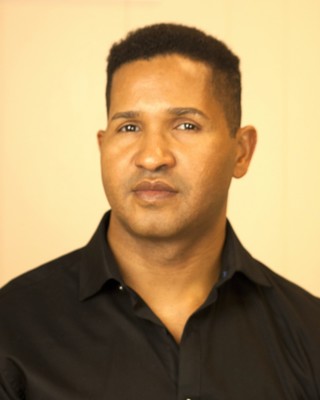
Hosted by Miguel A Matos
Licensed Professional Counselor, MS, ACS, MFT, LPC, LCADC
Verified Verified
Group meets in Elizabeth, NJ 07201
Mental Health therapy helps people of all ages live happier, healthier and more productive lives.” Through the use of various psychotherapy methods and collaborative treatment measures, my patients develop life-changing habits to help them cope with any of life’s various obstacles. My therapy sessions are designed to dissect personal issues and provide patients with effective tools to help them see the glass half full instead of half empty. We offer Individual Psychotherapy, Family and Couple Therapy. La Terapias pueden ser conducidas en Espanol.
Couples seeking a safe space to discuss relationship issues with peers, an opportunity to learn from other couples in a safe supportive environment. Topics range from stages of life challenges, parenting, careers, setting new goals and building on relational contracts with spouses. Visit our website for more information. All group sessions are virtual.
Hosted by Dr. Karen Muhammad
Marriage & Family Therapist, DMFT, LMFT, RMFT, CAS, PMP
Verified Verified
Group meets in Jersey City, NJ 07305
I provide therapy services to individuals, premarital partners, couples, families, groups, and athletes in the area of sports mental performance. My services are available to private-pay clients, and I also bill behavioral health insurance for medical necessities. As a doctor and licensed marriage and family therapist, I implement Bowen and Gestalt therapy techniques, coupled with a person-centered, strengths-based approach when working with individuals, couples, families, groups, and athletes. The therapeutic focus is on helping individuals heal, energize, and become aware of their inner strengths and mental blocks.
Please join our anxiety management group where you will learn how to better manage anxiety in day-to-day life by using the same skills used in improvisation, aka improv. In this group, you'll not only learn how to be in the present moment, but also throw perfectionism outside the window. Serving folx in New York, New Jersey, Florida, and Vermont. Meets via Zoom from 10/18/24-11/22/24.

Hosted by Angela Rodriguez-Heller
Counselor, LMHCD, LPC
Verified Verified
Group meets in Jersey City, NJ 07305
Living with ADHD is exhausting: You have to mask around others to appear "normal". You may beat yourself up because of it, causing low self-esteem. Sometimes, it can cause you to have a hard time focusing on the tasks you have to get done. Conflicts occur between you and your loved ones as a result of your executive dysfunction. You are not alone. Like many of us, you’re probably someone who has made valiant efforts to change your life, but because of you being wired differently, it can be hard to do so.
Helping Men Recover addresses issues that many men struggle with, especially if they are experiencing problems with alcohol or other drugs. Goals of the group are to (increase self-awareness and identity, gain insight into how men socialize in our society, the impact of family of origin, grounding and relaxation techniques, improved communication, understanding power, violence, and abuse, improved relationships, coping with trauma and addiction, sexual identity, healthy sexuality, and understanding spirituality).

Hosted by Helping Where I am Needed Therapeutical Services
Drug & Alcohol Counselor, LAC, LCADC
Verified Verified
Group meets in Jersey City, NJ 07304
My commitment to the therapeutic journey with you goes beyond the services I provide; it extends to fostering a relationship built on trust, understanding, and collaboration. What sets me apart is my unwavering dedication to your well-being and success. You can count on me to be not only a reliable professional but also a supportive ally on your path to success. I believe in the power of encouragement, positive reinforcement, and open communication. I am here for you, ready to listen, guide, and support. Let's embark on this journey together and create a future filled with achievements and fulfillment.
Psychiatric Mental Health for all ages including Substance Use, MAT management, medication management and Evaluations.

Hosted by Eagle Health Services LLC
Psychiatric Nurse Practitioner, DNP, FNP, PMHNP
Verified Verified
Group meets in Newark, NJ 07105
Eagle Health Services provide a wide range of psychiatric mental health needs to a variety of clients. Dr. Alabi offers assessment, therapy and medication management. I endeavor to provide the best quality of care the industry could afford and take to heart my patients individualized needs. I work with the people in my care to help them understand, learn from, and manage their difficult feelings. I specialize in treating patients with varying mental health disorders including but not limited to ADHD, depression, sleep disturbance, bipolar and anxiety disorders with those struggling with substance abuse.
See more therapy options for 07002


FAQs - About Group Therapy and Support Groups
How can I find a support group in 07002?
Search for nearby support groups by inputting your city, zip code, or the name of the group into the search bar. From there, you can filter to find a group that suits your needs, whether you are looking for support for a teenager, a group that focuses on a specific issue, such as depression, or a particular program type, such as one geared toward developing social skills. To navigate between locations within the same country, enter a new city or zip code into the search bar.
How does group therapy work?
Therapy groups are led by one or more therapists and serve to help people process their experiences and learn from others who understand their challenges firsthand. They can be based on a specific issue, such as addiction, grief, physical illnesses, parenting, and caregiving. They can involve a specific type of program or therapy, such as a social skills group or CBT group. They can also be specific to a particular population or community, such as teens or LGBTQ.
Support groups, like Alcoholics Anonymous, also focus on a specific issue, but are typically led by members with lived experiences and are less structured than therapy groups. Most therapy groups will meet for a fixed length of time with a consistent group of members, while many support groups meet for an indefinite period of time with members coming and going.
Support groups, like Alcoholics Anonymous, also focus on a specific issue, but are typically led by members with lived experiences and are less structured than therapy groups. Most therapy groups will meet for a fixed length of time with a consistent group of members, while many support groups meet for an indefinite period of time with members coming and going.
What are the benefits of group therapy?
Support groups help connect people with shared challenges or physical and mental health conditions. In a group setting, participants can receive support and feedback from peers and can acquire new skills, strategies and perspectives by listening to one another. Discussing your experience with someone who also has a cancer diagnosis, or whose son also struggles with addiction, for example, can help you feel less alone, reduce distress, find empathy and connection, and learn practical or medical information that has helped others. Group therapy can also be a more affordable option than individual therapy and just as effective.
Is group therapy as effective as individual therapy?
Support groups can be deeply valuable for both emotional support and/or treatment outcomes. It’s difficult to make a blanket statement on efficacy due to the many different types of support groups and conditions treated, but group therapy has been found to be just as effective as individual therapy in establishing long-term abstinence for conditions such as substance abuse, addiction and alcohol abuse.
How much does group therapy cost?
Group counseling is typically less expensive than individual counseling, with each session costing on average between $60 to $75. Meanwhile, individual therapy sessions can run anywhere from $100 to $200 and up, even after insurance. It is possible to find low-cost group therapy options and many therapists offer group sessions free of charge.
Does insurance cover group therapy?
As with individual therapy, many insurance companies do offer coverage for group therapy sessions. However, the coverage varies based on your insurance plan details and whether you choose an in-network or out-of-network mental healthcare provider. Individuals are encouraged to check with their insurance providers to verify coverage.
How long does group therapy last?
The length of a support group session is often one hour but can fall anywhere between 45 minutes and two hours. The amount of time that people remain in a support group varies based on their specific needs and goals and the type of therapy. Some individuals may seek a shorter-term group, such as a bereavement group, that may last between six and 20 weeks. Some may seek a longer-term group that lasts for a year or indefinitely.
What are the limitations of support groups?
Support groups have many benefits, but there are a few limitations as well. Support groups do not constitute formal therapeutic or medical treatment, and are not run by licensed mental health professionals, so some people may opt for group therapy or individual therapy instead. Additionally, support groups can depend on the other participants, so a disruptive individual has the potential to mar the group dynamic, and the anecdotal information shared may sometimes be unhelpful or inaccurate. Because it is a group setting, confidentiality can be more difficult to guard and participants receive less personalized attention than they would in an individual therapy session.