Support Groups in 02116
"Come as you are, hold yourself dear!" Centered in humanistic and holistic approaches, DEAR Therapy™ is an oasis for individuals with intersectional identities from all walks of life. D.E.A.R. stands for Diligent Decision, Emotional Expression, Artistic Articulation, and Rejuvenating Reflection. Each core value creates space to explore identities (cultural, racial, sexual, ableism, etc.), traumas (childhood, sexual, religious, etc.), healing (through dialogue, insight, reflection, art, etc.), and coping strategies. Here's to live more confidently and unapologetically. To learn more gently and authentically. To love more freely and intimately.
Hosted by Yanyi Weng
Clinical Social Work/Therapist, MSW, LICSW
Verified Verified
Group meets in Boston, MA 02116
Come as you are, hold yourself DEAR. At Dear Therapy, we work together to hold healing and transformative space to empower you. With a holistic and humanistic approach, we will explore terrains of mountaintop and abyss, reflect on the past, present and future, and witness moments of epiphany, agony, and perhaps transformative insights. Life is an adventurous journey deserving of our attention and time, especially in critical moments such as loss, transitions, and unknowns.
Talking to those with shared experiences is a great way to problem solve and feel better. For privacy, we ensure that only one person per organization is enrolled in a group, unless two people explicitly ask to join the group together. We also require that everyone who attends the group signs an NDA. We find this is the best way to make members feel comfortable sharing their thoughts.

I founded Azimuth Psychological, where we focus on the unique challenges of those in high-pressure careers and their families. My specialty is in entrepreneur mental health — especially around co-founder struggles, imposter syndrome, communication skills, burnout, difficulty making decisions under stress, and effective leadership. With my years of clinical training as a psychologist filtered through the lens of my own entrepreneurial journey, I am able to engage with entrepreneurs on a deeper level while providing the nuance, rigor, and evidence-based practice required to address big challenges.
Offering an online 4 week series in basic and advanced mindfulness and meditation practices.
Hosted by Activated By Wellness
Clinical Social Work/Therapist, LICSW, CCH
Verified Verified
Group meets in Boston, MA 02116
There are times in our life where we reach a point when we realize something may not be manageable anymore or has gotten bigger than we expected but you are here and you are taking the steps to implement change. Coming into a therapy session provides a safe space to explore this and challenge yourself to identify what is going on and how we can work together to accomplish that. We serve clients 16 years old and up.
Talking to those with shared experiences is a great way to problem solve and feel better. For privacy, we ensure that only one person per organization is enrolled in a group, unless two people explicitly ask to join the group together. We also require that everyone who attends the group signs an NDA. We find this is the best way to make members feel comfortable sharing their thoughts.
Hosted by Jacqueline Alfonso Barry
Psychologist, PhD
Verified Verified
Group meets in Boston, MA 02116
I am a bicultural and bilingual (English and Spanish) psychologist with areas of specialization and interest in high-stress occupations, substance use, anxiety, stress management, living in sync with your values, and relationship issues both personally and professionally. In addition to seeing individuals and couples, I also see co-founders and business partners who can benefit from improved communication and working relationship, to elevate the success of their shared goals, as well as their own growth.
We're Hiring! Go to www.triad-psych.com/careers to learn more. We specialize in trauma-informed, culturally-responsive, evidence-based psychotherapy for adults. By understanding how your past still affects your present, we help you break personal and family cycles that are keeping you stuck. We take private pay, out of network and Blue Cross Blue Shield insurance.
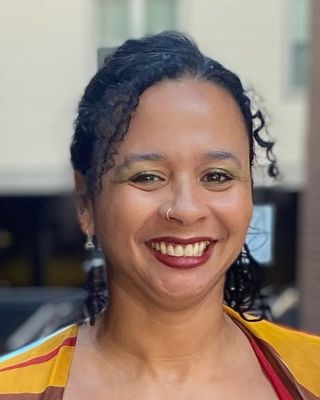
Hosted by Dr. Juliette McClendon
Psychologist, PhD
Verified Verified
Group meets in Boston, MA 02116
Accepting New Clients in November! As a Black, queer, non-binary, and neurodivergent therapist, I provide a unique perspective on navigating trauma, identity, and relationships in a world that often feels rigid and binary. I provide individual therapy to adults experiencing PTSD, anxiety, relationship problems, and emotional sensitivity. I have a passion for working with neurodivergent, BIPOC and LGBTQIA+ individuals who have experienced challenging upbringings. I utilize techniques such as CBT, DBT, trauma-focused and insight-oriented therapy, and offer Gottman therapy and Cognitive Behavioral Conjoint Therapy for PTSD to couples.
We are a private practice with locations in Boston and Marblehead, MA. Our clinician see a wide range of presentations and ages and are highly skilled at assessment and interventions.

I provide CBT and solution-focused therapeutic services to individuals, and I specialize in life transitions, depression, anxiety, relationships, mood disorders, and insomnia. My approach is patient-focused and interactive with primary emphasis on Cognitive Behavioral Therapy. I like to work with strengths of the individual and their support network in order to provide effective therapeutic interventions and facilitate change. I often utilize mindfulness principles and stress management in order to meet goals related to improved mental and physical health.
Talking to those with shared experiences is a great way to problem solve and feel better. For privacy, we ensure that only one person per organization is enrolled in a group, unless two people explicitly ask to join the group together. We also require that everyone who attends the group signs an NDA. We find this is the best way to make members feel comfortable sharing their thoughts.

Our psychologists provide therapy and testing to help you improve your performance at work and your life outside of the office. Azimuth focuses on the unique challenges of those in high-pressure careers, including consulting, finance, technology, healthcare, law, and academia. The intensity of these jobs often leads to issues with relationships, anxiety about performance, stress, exhaustion, and burnout. We use scientifically-validated techniques to help you understand the reasons behind your roadblocks, and work with you to develop the skills and techniques you need to overcome them.
This can be a challenging time of year for some individuals especially those experiencing Seasonal Affective Disorder (SAD) which is why Awake IntuMind will be running a SAD support group. Benefits of joining the AIM SAD support group: A judgment-free zone where you can share your feelings and thoughts. Gaining skills that will help you reduce feelings of distress, depression, anxiety, or fatigue. Getting practical feedback about SAD treatment options. A better understanding of how to improve your brain, physical, and mental health. For more information on the AIM SAD Support group, visit https://linktr.ee/awakeintumind
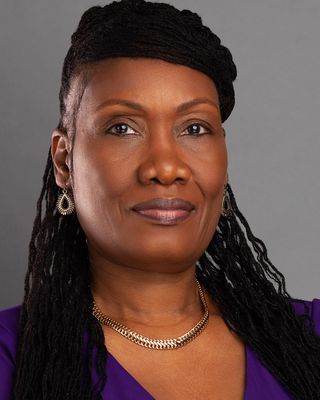
Hosted by Awake IntuMind, Inc.
Clinical Social Work/Therapist, LICSW
Verified Verified
Group meets in Boston, MA 02116
If you are dealing with Anxiety, Depression, Trauma, and weight problems, call us today and let's start working together for peace of mind and life balance. We combine our clinical and coaching skills to help YOU find the right solution for YOU! We help our clients acquire more efficient coping skills/tools to let them access their inner teacher and healer to alleviate mental, and emotional suffering.
Check out the DBT Skills Training Class! Learn how to chill out and be more mindful, deal with tough stuff like a boss, and get your emotions in check. Plus, you'll learn to build better relationships with the people in your life. The classes meet once a week for an hour on Zoom, so you can join from the comfort of your own couch. We've got a bunch of time slots to choose from, so you can find one that works for you. You can learn more and sign up at www.greenmountaindbt.com.

Hosted by Green Mountain DBT
Clinical Social Work/Therapist, LICSW
Verified Verified
Group meets in Boston, MA 02116
I work with people who experience intense emotions, relationship struggles, sensory sensitivities, or low self-esteem. These challenges can feel overwhelming, but they also present opportunities for growth and transformation.
Women (including trans women) age 18+ interested in exploring how cultural identity, diverse within Asian Am communities, influences other aspects of identity, including relationships, work, and life goals, as well as coping with microaggressions and intolerance in the workplace and community.

Hosted by Chaya Bhuvaneswaran
Psychiatrist, MD , MA, MPH
Verified Verified
Group meets in Boston, MA 02116
I am a Harvard trained, Board Certified, Psychiatrist with a private practice in the Back Bay Area, Boston. My training includes my MD from Stanford with honors, Harvard residency training at MGH-McLean, and my certification in cognitive behavioral therapy (for anxiety, depression and PTSD) while I was faculty at the University of Pennsylvania and University of Massachusetts. My outpatient clinic was previously at Cambridge Health Alliance and I now run a boutique private practice offering personalized, attentive care and support. Narrative therapy and mindfulness training are included along with meticulous psychopharmacology.
THIS GROUP IS BEING OFFERED ONLINE - This is a short-term, 8 week skills-based that combines Cognitive Behavioral Therapy (CBT) with chair yoga and mindfulness-based practices to help improve mood and increase one's sense of well-being. CBT and yoga have a proven ability to decrease stress, anxiety and depression. By combining both of these modalities, participants will become more aware of triggers to stress, anxiety and depression and will learn the skills to improve their mood. This group is open to adults of all ages. LGBTQ and straight-identified clients are welcome, as well as clients from diverse backgrounds.
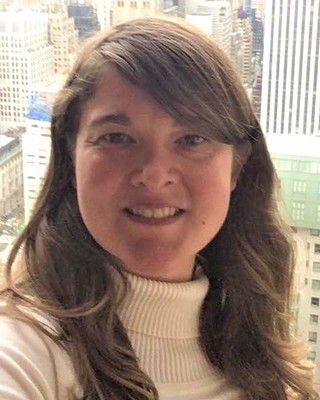
Hosted by Laura Stevens
Clinical Social Work/Therapist, LICSW
Verified Verified
Group meets in Boston, MA 02116
I strive to provide a warm, supportive, non-judgmental atmosphere where clients are free to explore their difficulties as well as reconnect with and harness their strengths. I aim to create a space where growth, healing, and transformation can occur. I do this by using a client-centered approach, listening kindly, and offering constructive feedback to help clients challenge self-defeating beliefs and behaviors.
Members consist of females aged 18 and older struggling with current symptoms or a history of Bulimia or Binge Eating Disorder. The group focuses on increasing members' understanding of the underlying origins of binge behaviors and how binge behaviors connect to other patterns in one's life. This group seeks to decrease feelings of isolation and manage emotional distress in order to feel calmer in one's own body. Benefits of this group also include feelings of support and connection. Please call for current availability and free initial consult.
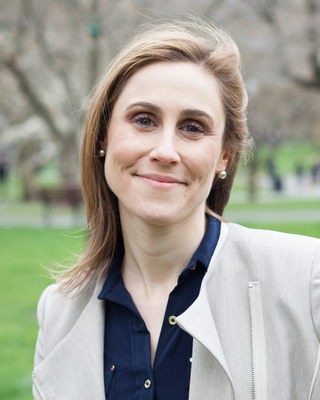
Hosted by Rebecca Eddy Muccilli
Psychologist, PsyD
Verified Verified
Group meets in Boston, MA 02116
I am a licensed clinical psychologist and psychoanalyst who provides therapy to individuals who are looking to more authentically connect with themselves and others, understand who they are, and gain a deeper understanding of their experiences. I am trained to provide a variety of therapeutic interventions. I tailor my therapeutic approach to fit the unique needs and desires of each individual client. I use an insight oriented approach to aid individuals in understanding and interrupting repetitive patterns that may be interfering or often lead us to that "stuck" feeling.
This 8-week intensive virtual group therapy program designed to support Black women (ages 22-62) in reconnecting with their authentic selves through a blend of art, music, movement, and reflective journaling. Using the Jasmine's "(Re)humanizing method", participants will explore and heal from trauma, reclaim their narratives, and cultivate resilience.

Hosted by Jasmine T Dowery
Counselor, R-D/MT, LMHC
Verified Verified
Group meets in Boston, MA 02116
Update: I am waitlisting new clients! Welcome to a space where your story is honored and your healing journey is celebrated. An ideal client recognizes the importance of addressing her mental health and is ready to engage in a therapeutic journey that honors her unique experiences. She values a holistic approach that integrates mind, body, and spirit, and she seeks out culturally relevant therapeutic practices that resonate with her lived experiences as a Black woman or teen. She is open to exploring creative and expressive therapies, including dance/movement therapy, art therapy, and journaling. Sounds like you? Then, let's begin!
This group for adult men, divided by age brackets, will help men explore meaningful topics in a therapeutic setting run by an expert on men's health. Participants will be encouraged to discuss whatever topics they find important to them, but possible topics include sexual health, relationships, work, and emotional and physical health. The group will meet weekly, in person, at our offices in Back Bay, Boston.

Hosted by Kinsey & Associates
Treatment Center, PhD, LMHC
Verified Verified
Group meets in Boston, MA 02116
We are a group of therapists who can hold the complexity of your story and address its many challenges all in one place. We specialize in complexity, and we delight in helping our clients feel grounded, safe, understood, and deeply known. Our clients often report relief that they found us, and we take that privilege seriously, with good humor and great patience.
A telehealth group for individuals seeking to learn about their relationships, their attachment behavior and their choices in relationship. Designed to help people understand the difference between anxious attachment, avoidant and secure attachment and find ways to find satisfaction, stability and happiness in their relationships. You will learn about early experiences that have shaped your personality, choices and attractions. This is a mixed group of men and women limited to eight individuals. We will meet for 75 minutes weekly for a total of 10 visits and fee is $600.

Hosted by Michael Ruben Couples Counseling
Clinical Social Work/Therapist, LICSW, BCD
Verified Verified
Group meets in Boston, MA 02116
For couples therapy, I work to enhance your connection, resolve conflicts, improve communication, cultivate trust and intimacy, enhance sexual chemistry and romance, and become more compassionate partners. Recovery from affairs and pre-marital counseling are further specializations. I consult to individuals around stress, anxiety, low self-esteem or relationship issues. I provide a comfortable environment to explore your thoughts and feelings. I listen attentively and, more importantly, I provide you with insight, guidance, and skills to effectively make the changes you desire. In person or telehealth sessions are available.
PSYCHe PLLC offers three available Standard DBT Skills Groups: Mondays (5:00pm-6:30pm EST), Mondays (5pm-6:30pm CST), and Thursdays (5:30-7:00pm EST). Duration: 90 minutes, once a week. Enrollment is open now! Covers skills to increase mindfulness, distress tolerance, emotion regulation, and interpersonal effectiveness. Groups are like a class, not therapy. Each is led by an experienced licensed clinician, selected by PSYCHe’s Owner and Linehan Board Certified Dialectical Behavior Therapist™, Stephanie Vaughn, Psy.D. and/or RO-DBT intensively trained clinician, Sally Roesch, LPC-MHSP. *Please note all our services are out-of-network.
Life can be challenging, especially when feelings of pain, confusion, sadness, and anxiety seem to hold us back. If you're experiencing moments of feeling stuck or overwhelmed, know that you're not alone. Sometimes, receiving an external perspective and validation can help you better understand yourself and embrace that person confidently. I offer tools for empowerment, confidence, and peace.
The DBT support group is different from the regular DBT groups in a few ways. Instead of just learning about DBT skills, we talk about how we're actually using them in our lives and support each other through tough times like loss and grief. The goal is to help us all become less reactive to our emotions and make choices that align with our values. And if you're up for it, you can join a separate DBT skills training group to learn more skills and integrate them into your daily life. Sign up at www.greenmountaindbt.com
Hosted by Green Mountain DBT
Clinical Social Work/Therapist, LICSW
Verified Verified
Group meets in Boston, MA 02116
I work with people who experience intense emotions, relationship struggles, sensory sensitivities, or low self-esteem. These challenges can feel overwhelming, but they also present opportunities for growth and transformation.
Mindfulness-Based Cognitive Therapy (MBCT): 8-16 week online program (researched 20+ years) offering benefits in areas like depression, anxiety, ADHD, ASD, stress management, & resilience. Combines guided mindfulness/meditation & cognitive therapy-based exercises, & silent retreat. Meet weekly; silent retreats: weekends. Individual & group sessions offered (~5-15 participants). Handouts, audio tracks provided. Participants may return for future silent retreats too. Private sessions for friends, co-workers, etc. available. ** Some insurance plans cover sessions as medical group visits (we submit claims in MA, GA, NJ), otherwise, MBCT is available as self-pay (this version offered nationwide/US); sliding scales/payment plans available.
Hi, I'm Dr. Jackie. I've been dual Board-Certified in Internal Medicine and Preventive Medicine & Public Health. I practice trauma-informed, patient-centered mental health & my approach to care is holistic, non-pathologizing, & bio-psycho-socially informed. I have additional experience in adult ADHD & ASD; providing neurotype-concordant care for ADHD; & combining evidence-based supplements, non-stimulant medications, & mindfulness interventions for ADHD symptom management & general mental health. I also have training in integrative, weight-inclusive lifestyle medicine, guided meditation, & Mindfulness-Based Cognitive Therapy (MBCT).
For one reason or another, sometimes college does not work out well at first. It could be due to depression, difficulty with social skills or self-management problems. This group provides students the opportunity to examine and understand what the difficulty is and develop strategies for coping, in a supportive environment.

I am committed to helping individuals to find the best within themselves and to share that with those most important to them. Whether you are struggling with anxiety or depression, relationship difficulties (including "dating stress"), or life stresses, I always try to find what will be the most effective way to help you achieve your goals and live a happier, authentic, life.
See more therapy options for 02116


FAQs - About Group Therapy and Support Groups
How can I find a support group in 02116?
Search for nearby support groups by inputting your city, zip code, or the name of the group into the search bar. From there, you can filter to find a group that suits your needs, whether you are looking for support for a teenager, a group that focuses on a specific issue, such as depression, or a particular program type, such as one geared toward developing social skills. To navigate between locations within the same country, enter a new city or zip code into the search bar.
How does group therapy work?
Therapy groups are led by one or more therapists and serve to help people process their experiences and learn from others who understand their challenges firsthand. They can be based on a specific issue, such as addiction, grief, physical illnesses, parenting, and caregiving. They can involve a specific type of program or therapy, such as a social skills group or CBT group. They can also be specific to a particular population or community, such as teens or LGBTQ.
Support groups, like Alcoholics Anonymous, also focus on a specific issue, but are typically led by members with lived experiences and are less structured than therapy groups. Most therapy groups will meet for a fixed length of time with a consistent group of members, while many support groups meet for an indefinite period of time with members coming and going.
Support groups, like Alcoholics Anonymous, also focus on a specific issue, but are typically led by members with lived experiences and are less structured than therapy groups. Most therapy groups will meet for a fixed length of time with a consistent group of members, while many support groups meet for an indefinite period of time with members coming and going.
What are the benefits of group therapy?
Support groups help connect people with shared challenges or physical and mental health conditions. In a group setting, participants can receive support and feedback from peers and can acquire new skills, strategies and perspectives by listening to one another. Discussing your experience with someone who also has a cancer diagnosis, or whose son also struggles with addiction, for example, can help you feel less alone, reduce distress, find empathy and connection, and learn practical or medical information that has helped others. Group therapy can also be a more affordable option than individual therapy and just as effective.
Is group therapy as effective as individual therapy?
Support groups can be deeply valuable for both emotional support and/or treatment outcomes. It’s difficult to make a blanket statement on efficacy due to the many different types of support groups and conditions treated, but group therapy has been found to be just as effective as individual therapy in establishing long-term abstinence for conditions such as substance abuse, addiction and alcohol abuse.
How much does group therapy cost?
Group counseling is typically less expensive than individual counseling, with each session costing on average between $60 to $75. Meanwhile, individual therapy sessions can run anywhere from $100 to $200 and up, even after insurance. It is possible to find low-cost group therapy options and many therapists offer group sessions free of charge.
Does insurance cover group therapy?
As with individual therapy, many insurance companies do offer coverage for group therapy sessions. However, the coverage varies based on your insurance plan details and whether you choose an in-network or out-of-network mental healthcare provider. Individuals are encouraged to check with their insurance providers to verify coverage.
How long does group therapy last?
The length of a support group session is often one hour but can fall anywhere between 45 minutes and two hours. The amount of time that people remain in a support group varies based on their specific needs and goals and the type of therapy. Some individuals may seek a shorter-term group, such as a bereavement group, that may last between six and 20 weeks. Some may seek a longer-term group that lasts for a year or indefinitely.
What are the limitations of support groups?
Support groups have many benefits, but there are a few limitations as well. Support groups do not constitute formal therapeutic or medical treatment, and are not run by licensed mental health professionals, so some people may opt for group therapy or individual therapy instead. Additionally, support groups can depend on the other participants, so a disruptive individual has the potential to mar the group dynamic, and the anecdotal information shared may sometimes be unhelpful or inaccurate. Because it is a group setting, confidentiality can be more difficult to guard and participants receive less personalized attention than they would in an individual therapy session.