Support Groups in Ottawa, ON
I facilitate a virtual support group for folks 16+ of all genders who have substance use disorders or are struggling with other addictive behaviours and are seeking community and mutual support. I have extensive experience conducting groups and cultivate a ...
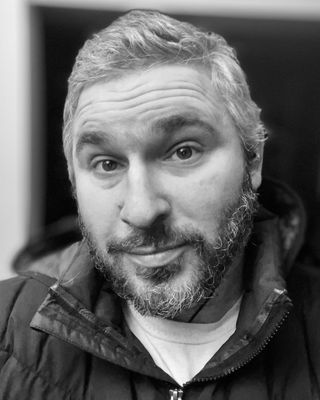
Hosted by Jacob Pollack
Registered Social Worker, RSW, MSW, MSc
Verified Verified
Group meets in Ottawa, ON K1R
I facilitate a virtual support group for folks 16+ of all genders who have substance use disorders or are struggling with other addictive behaviours and are seeking community and mutual support. I have extensive experience conducting groups and cultivate a ...
For those seeking certification with CRPO who have the status RQ I offer online group supervision. Contact for more information.
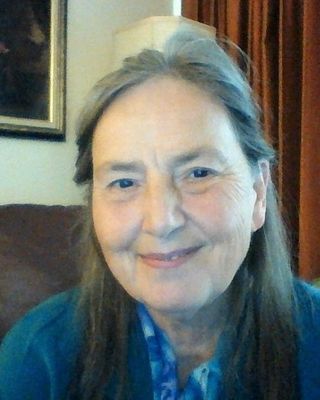
Hosted by Louise Graves
Registered Psychotherapist, PhD
Verified Verified
Group meets in Ottawa, ON K2C
For those seeking certification with CRPO who have the status RQ I offer online group supervision. Contact for more information.
This is a Psycho-Educational Support Group that fosters understanding, empathy, while providing helpful resources to help you take control of your eating habits in a a safe and supportive space.
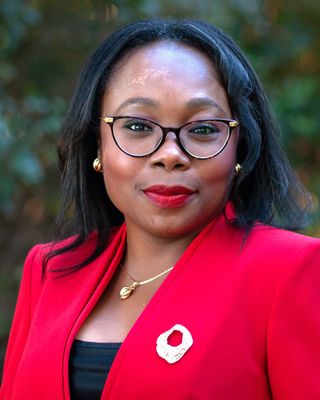
Hosted by Lola Sholagbade
Registered Psychotherapist, MA, GDip, RP, CCC
Verified Verified
Group meets in Ottawa, ON K1V
This is a Psycho-Educational Support Group that fosters understanding, empathy, while providing helpful resources to help you take control of your eating habits in a a safe and supportive space.
(Ages 9 to 11) Social skills group for kids and their parents/guardians focused on helping young people to break down barriers in making friends and socializing. Key areas that will be covered include: Conflict resolution strategies • Anxiety and stress-reduction ...

Hosted by The Centre for Children, Youth And Familes
Psychologist, MSW, PhD, CCC, RP
Verified Verified
Group meets in Ottawa, ON K2B
(Ages 9 to 11) Social skills group for kids and their parents/guardians focused on helping young people to break down barriers in making friends and socializing. Key areas that will be covered include: Conflict resolution strategies • Anxiety and stress-reduction ...
We are a group practice providing psychotherapy, counselling, and mental health services that are attachment-focused and rooted in nature.
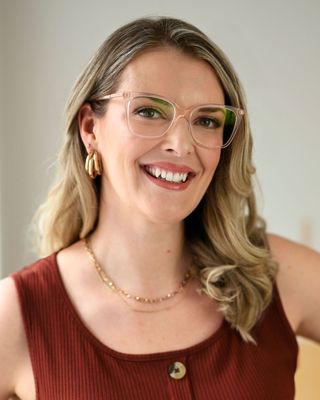
Hosted by Anastasia Marie Machan
Counsellor, MA, BA, RECE
Verified Verified
Group meets in Ottawa, ON K2C
We are a group practice providing psychotherapy, counselling, and mental health services that are attachment-focused and rooted in nature.
We are a group of Ontario Couple Therapists who have studied with Dr. Stan Tatkin, PsyD, MFT and use his Psychobiological Approach to Couple Therapy®. We meet monthly as a group with Dr. Tatkin to review cases and optimize our ...
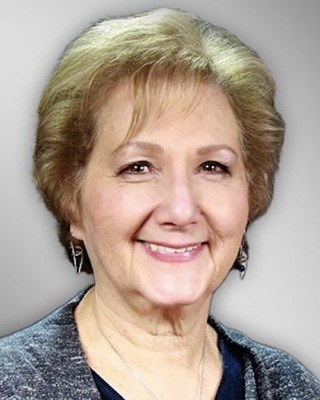
Hosted by Louise Dorfman
Registered Psychotherapist, MA, RP
Verified Verified
Group meets in Ottawa, ON K1G
We are a group of Ontario Couple Therapists who have studied with Dr. Stan Tatkin, PsyD, MFT and use his Psychobiological Approach to Couple Therapy®. We meet monthly as a group with Dr. Tatkin to review cases and optimize our ...
Approved for 30 hours of CEUs* This 5 Day Mindful Self Compassion Intensive is a the full eight-session MSC curriculum experienced in an intensive format with Certified MSC teacher. MSC is a research-supported program developed by Dr. Kristin Neff and ...
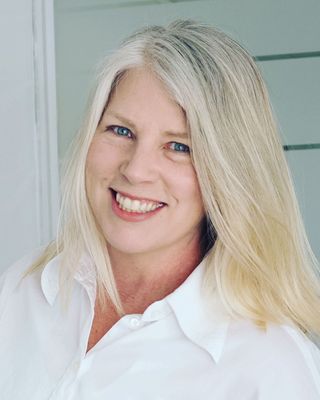
Hosted by Dr. Kimberly Sogge C.Psych.
Psychologist, PhD, CPsych, MEd
Verified Verified
Group meets in Ottawa, ON K2P
Approved for 30 hours of CEUs* This 5 Day Mindful Self Compassion Intensive is a the full eight-session MSC curriculum experienced in an intensive format with Certified MSC teacher. MSC is a research-supported program developed by Dr. Kristin Neff and ...
Working in groups help to quickly overcome the shame and stigma surrounding men's violence in intimate relationships. There is power in speaking with others in the same boat, and in recognizing the shared plight of women. Many problems considered individual ...
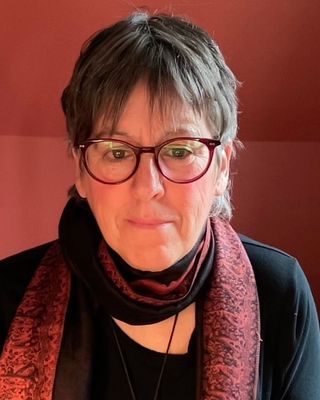
Hosted by Donna F Johnson
BA, MPs
Verified Verified
Group meets in Ottawa, ON K0A
Working in groups help to quickly overcome the shame and stigma surrounding men's violence in intimate relationships. There is power in speaking with others in the same boat, and in recognizing the shared plight of women. Many problems considered individual ...
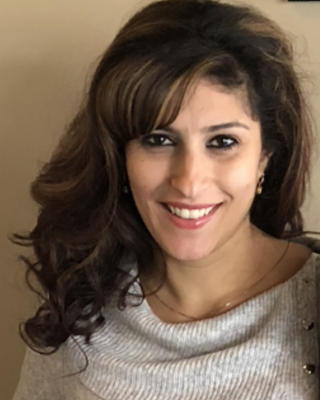
Hosted by Brittany Lepera @ Psychotherapy For You
Registered Social Worker
Verified Verified
Group meets in Ottawa, ON K1G
Multidisciplinary psychotherapy clinic offering bilingual therapy services.
Hosted by Desjardins Psychotherapy Clinic
Registered Psychotherapist
Verified Verified
Group meets in Ottawa, ON K1G
Multidisciplinary psychotherapy clinic offering bilingual therapy services.
A virtual 10-week (2 hours each session) anger management program focused on a skills-based, non-denominational approach. This program will provide you with tools/techniques to deal with anger in a positive and effective way. Sessions are facilitated by experienced staff. WHEN: ...
Hosted by The Counselling Group
Psychologist, MSW RSW, PhD, CCC, RP
Verified Verified
Group meets in Ottawa, ON K2B
A virtual 10-week (2 hours each session) anger management program focused on a skills-based, non-denominational approach. This program will provide you with tools/techniques to deal with anger in a positive and effective way. Sessions are facilitated by experienced staff. WHEN: ...
We are a group of Ontario Couple Therapists who have studied with Dr. Stan Tatkin, PsyD, MFT and use his Psychobiological Approach to Couple Therapy®. We meet monthly as a group with Dr. Tatkin to review cases and optimize our ...
Hosted by David Rubinstein
Registered Psychotherapist, MA, RP
Verified Verified
Group meets in Ottawa, ON K2G
We are a group of Ontario Couple Therapists who have studied with Dr. Stan Tatkin, PsyD, MFT and use his Psychobiological Approach to Couple Therapy®. We meet monthly as a group with Dr. Tatkin to review cases and optimize our ...

Hosted by Rohama Kabeer-Blissful Balance Counselling
Registered Psychotherapist (Qualifying), RP(Q)
Verified Verified
Group meets in Ottawa, ON K2P
12-Weeks. A closed group that integrates education, open group processing/sharing, and experiential exercises aimed at cultivating realistic and compassionate ways of relating. This group is for those who want to actively change their ways of thinking and behaving to reduce ...
Hosted by Paul Grunberg
Psychologist, PhD
Verified Verified
Group meets in Ottawa, ON K2P
12-Weeks. A closed group that integrates education, open group processing/sharing, and experiential exercises aimed at cultivating realistic and compassionate ways of relating. This group is for those who want to actively change their ways of thinking and behaving to reduce ...
Are you feeling stuck in the memory of your birth? Than, the Birth Alchemy Group is for you. We work together to process and share the birthing experience. We use Somatic Experiencing, art and ritual l to help find peace ...
Hosted by Christiane Lafleche
Registered Social Worker, MSW , RSW
Verified Verified
Group meets in Ottawa, ON K2A
Are you feeling stuck in the memory of your birth? Than, the Birth Alchemy Group is for you. We work together to process and share the birthing experience. We use Somatic Experiencing, art and ritual l to help find peace ...
Clinical supervision in a body-mind-heart based, small group format (max. 8 participants) for qualifying and registered therapists serving adult populations. Group members tend to be anti-oppression, feminist, anti-diet (HAES-aligned), client-centred, strength-focussed, and trauma-informed. Group is offered online, currently available twice ...
Hosted by Marlise Meilan and the Meilan Counselling Clinic
Registered Psychotherapist, MA, RP, RCC, CCC
Verified Verified
Group meets in Ottawa, ON K2P
Clinical supervision in a body-mind-heart based, small group format (max. 8 participants) for qualifying and registered therapists serving adult populations. Group members tend to be anti-oppression, feminist, anti-diet (HAES-aligned), client-centred, strength-focussed, and trauma-informed. Group is offered online, currently available twice ...
Monthly virtual group supervision. Special interest in helping fellow EMDR therapists and trauma therapists.
Hosted by Ottawa Psychotherapist Group
Registered Psychotherapist, MEd, RP, CCC
Verified Verified
Group meets in Ottawa, ON K1S
Monthly virtual group supervision. Special interest in helping fellow EMDR therapists and trauma therapists.
Certified Narcisssitic Abuse Treatment Clinician by Dr. Ramani and other experts. Join us in this workshop that will be a guide to narcissistic abuse recovery. Be willing to take the first step in your journey towards self-empowerment and healing. Where? ...
Hosted by Narcissistic Abuse Recovery Clinic Canada
Registered Psychotherapist, RP, MA, ABA, CCC, PMP
Verified Verified
Group meets in Ottawa, ON K1N
Certified Narcisssitic Abuse Treatment Clinician by Dr. Ramani and other experts. Join us in this workshop that will be a guide to narcissistic abuse recovery. Be willing to take the first step in your journey towards self-empowerment and healing. Where? ...
Action Techniques to Enrich Your Work with Individuals and Couples - Go beyond traditional talk therapy! This workshop will offer a variety of interventions to enrich your clients' engagement in the therapeutic or skill-building process. These techniques are applicable in ...

Hosted by Ananta Chauhan (Baljit Kaur)
Registered Psychotherapist, Ph D, MA , MEd, TEP, RP
Verified Verified
Group meets in Ottawa, ON K1Y
Action Techniques to Enrich Your Work with Individuals and Couples - Go beyond traditional talk therapy! This workshop will offer a variety of interventions to enrich your clients' engagement in the therapeutic or skill-building process. These techniques are applicable in ...
This Group specifically for Black Women, serves as a space for empowerment, support, and celebration of diverse beauty. This group aims to challenge societal beauty standards that often exclude or marginalize black women, promoting self-love, acceptance, and confidence in one's ...
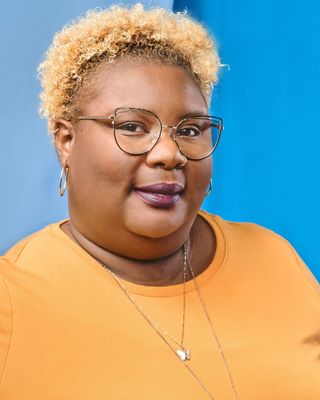
Hosted by Lori-Ann McDonald
Registered Social Worker, BSW, RSW
Verified Verified
Group meets in Ottawa, ON K1H
This Group specifically for Black Women, serves as a space for empowerment, support, and celebration of diverse beauty. This group aims to challenge societal beauty standards that often exclude or marginalize black women, promoting self-love, acceptance, and confidence in one's ...
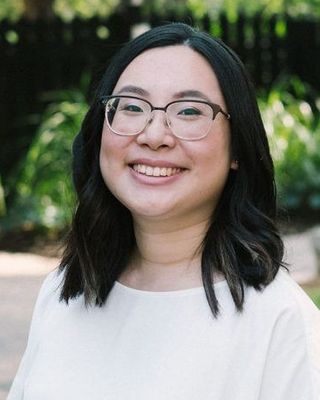
Hosted by Ariette Hung - Blissful Balance Counselling
Registered Psychotherapist (Qualifying), BA, MDiv
Verified Verified
Group meets in Ottawa, ON K2P
Blissful Balance Counselling provides therapy services to clients of all backgrounds. Start your healing journey today!
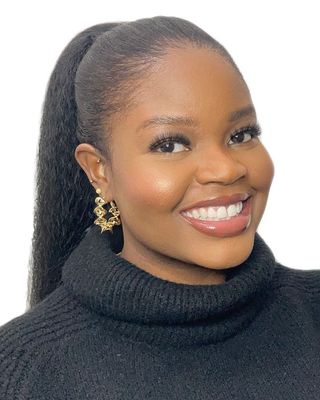
Hosted by Husainat Bakare- Blissful Balance Counselling
Registered Psychotherapist, MA, RP, CCC
Verified Verified
Group meets in Ottawa, ON K2P
Blissful Balance Counselling provides therapy services to clients of all backgrounds. Start your healing journey today!
This group aims to support survivors of motor vehicle accidents in navigating the insurance system while coping with the effects of their accidents.
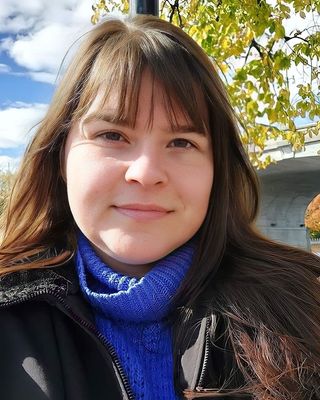
Hosted by Jaden Bailey
Registered Social Worker, MSW, RSW
Verified Verified
Group meets in Ottawa, ON K2S
This group aims to support survivors of motor vehicle accidents in navigating the insurance system while coping with the effects of their accidents.
The OCD Support Group is a small group of male and female adults that have struggled with depression, anxiety, obsessive-compulsive disorder, or a similar issue. It focuses on issues that can be barriers to treatment progress, such as feelings of ...
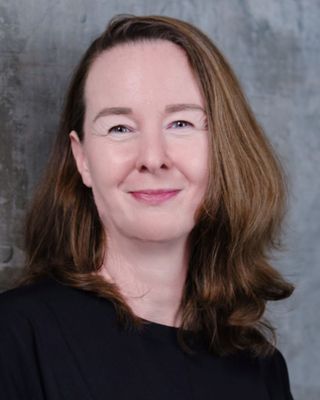
Hosted by Kate Caldwell
Registered Psychotherapist, RP
Verified Verified
Group meets in Ottawa, ON K1N
The OCD Support Group is a small group of male and female adults that have struggled with depression, anxiety, obsessive-compulsive disorder, or a similar issue. It focuses on issues that can be barriers to treatment progress, such as feelings of ...
Self-Management and Recovery Training. It is a non-profit, science based program that helps people recover from addictive behaviors. Addictive Behaviors can be alcohol, smoking, drugs, gambling, sex, eating, shopping, self-harm etc. No matter what addictive behavior you are not alone. ...
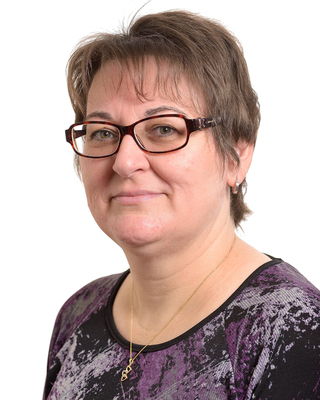
Hosted by Shontelle Prokipcak
Registered Social Worker, BSW, MSW, RSW, CCAC, CCS-AC
Verified Verified
Group meets in Ottawa, ON K2E
Self-Management and Recovery Training. It is a non-profit, science based program that helps people recover from addictive behaviors. Addictive Behaviors can be alcohol, smoking, drugs, gambling, sex, eating, shopping, self-harm etc. No matter what addictive behavior you are not alone. ...
See more therapy options for Ottawa


FAQs - About Group Therapy and Support Groups
How can I find a support group in Ottawa?
Search for nearby support groups by inputting your city, postal code, or the name of the group into the search bar. From there, you can filter to find a group that suits your needs, whether you are looking for support for a teenager, a group that focuses on a specific issue, such as depression, or a particular program type, such as one geared toward developing social skills. To navigate between locations within the same country, enter a new city or postal code into the search bar.
How does group therapy work?
Therapy groups are led by one or more therapists and serve to help people process their experiences and learn from others who understand their challenges firsthand. They can be based on a specific issue, such as addiction, grief, physical illnesses, parenting, and caregiving. They can involve a specific type of program or therapy, such as a social skills group or CBT group. They can also be specific to a particular population or community, such as teens or LGBTQ.
Support groups, like Alcoholics Anonymous, also focus on a specific issue, but are typically led by members with lived experiences and are less structured than therapy groups. Most therapy groups will meet for a fixed length of time with a consistent group of members, while many support groups meet for an indefinite period of time with members coming and going.
Support groups, like Alcoholics Anonymous, also focus on a specific issue, but are typically led by members with lived experiences and are less structured than therapy groups. Most therapy groups will meet for a fixed length of time with a consistent group of members, while many support groups meet for an indefinite period of time with members coming and going.
What are the benefits of group therapy?
Support groups help connect people with shared challenges or physical and mental health conditions. In a group setting, participants can receive support and feedback from peers and can acquire new skills, strategies and perspectives by listening to one another. Discussing your experience with someone who also has a cancer diagnosis, or whose son also struggles with addiction, for example, can help you feel less alone, reduce distress, find empathy and connection, and learn practical or medical information that has helped others. Group therapy can also be a more affordable option than individual therapy and just as effective.
Is group therapy as effective as individual therapy?
Support groups can be deeply valuable for both emotional support and/or treatment outcomes. It’s difficult to make a blanket statement on efficacy due to the many different types of support groups and conditions treated, but group therapy has been found to be just as effective as individual therapy in establishing long-term abstinence for conditions such as substance abuse, addiction and alcohol abuse.
How much does group therapy cost?
Group counselling is typically less expensive than individual counselling, with each session costing on average about $90 to $100. Meanwhile, individual therapy sessions can run anywhere from $100 to $200. It is possible to find low-cost group therapy options and many therapists offer group sessions free of charge.
Does insurance cover group therapy?
If you have private insurance, your plan may cover some if not all of your group therapy sessions. You should contact your insurance provider to determine if they provide coverage for group therapy sessions and to determine what, if any, requirements they might have in order for your sessions to be covered, such as a referral from your GP or medical specialist.
How long does group therapy last?
The length of a support group session is often one hour but can fall anywhere between 45 minutes and two hours. The amount of time that people remain in a support group varies based on their specific needs and goals and the type of therapy. Some individuals may seek a shorter-term group, such as a bereavement group, that may last between six and 20 weeks. Some may seek a longer-term group that lasts for a year or indefinitely.
What are the limitations of support groups?
Support groups have many benefits, but there are a few limitations as well. Support groups do not constitute formal therapeutic or medical treatment, and are not run by licensed mental health professionals, so some people may opt for group therapy or individual therapy instead. Additionally, support groups can depend on the other participants, so a disruptive individual has the potential to mar the group dynamic, and the anecdotal information shared may sometimes be unhelpful or inaccurate. Because it is a group setting, confidentiality can be more difficult to guard and participants receive less personalized attention than they would in an individual therapy session.