Support Groups in Vancouver, BC
Psychedelic Integration Group Therapy Program 
The Qi Psychedelic Integration Group Therapy Program, run in partnership with The Flying Sage, blends the transformative power of psychedelic preparation and integration with the empowering impact of a shared group therapy experience. Psychedelic experiences can be some of the ...
Hosted by Joney Poon
Counsellor, RCC, ACCT, PAP
Verified Verified
Group meets in Vancouver, BC V6J
The Qi Psychedelic Integration Group Therapy Program, run in partnership with The Flying Sage, blends the transformative power of psychedelic preparation and integration with the empowering impact of a shared group therapy experience. Psychedelic experiences can be some of the ...
Collateral Beauty: Pregnancy & Infant Loss Support 
This group is designed for parents who have experienced/are experiencing a pregnancy (18 weeks and beyond) and/or infant loss. The purpose of the group is to provide support for parents experiencing grief, to teach them how to cope on a ...
Hosted by Natasha Virani
Licensed Professional Counsellor, RTC
Verified Verified
Group meets in Vancouver, BC V5Z
This group is designed for parents who have experienced/are experiencing a pregnancy (18 weeks and beyond) and/or infant loss. The purpose of the group is to provide support for parents experiencing grief, to teach them how to cope on a ...
How to Mentally Prepare for Birth 
A 6 Week - 6 Module Group Workshop to empower you with tools & techniques leading up to and for your birthing day. As a mother myself I noticed a need for this type of preparation. I found much focus ...
Hosted by MindFul Space Counselling Loren Thompson
Counsellor, RTC, RPC
Verified Verified
Group meets in Vancouver, BC V6H
A 6 Week - 6 Module Group Workshop to empower you with tools & techniques leading up to and for your birthing day. As a mother myself I noticed a need for this type of preparation. I found much focus ...
Navigating Grief & Loss 
A Six-week virtual counselling group to help clients learn how to navigate grief and loss. The group begins on Monday. February 12, and will run for six week. The fee for the group is pay what you can. Recommend amount ...
Hosted by Emergence Counselling & Wellness Inc.
Counsellor, RCC, CCC, RPsych
Verified Verified
Group meets in Vancouver, BC V6E
A Six-week virtual counselling group to help clients learn how to navigate grief and loss. The group begins on Monday. February 12, and will run for six week. The fee for the group is pay what you can. Recommend amount ...
Making Sense of Trauma 
Hosted by Antonio Guzman
Counsellor, MACP, RCC, EMDR-CT, CAC
Verified Verified
Group meets in Vancouver, BC V5L
Mindful Self-Compassion: Oct. 8 - Nov. 26, 2019 
Mindful Self-Compassion (MSC) is a research-supported, 8-week, course designed to cultivate the skills of mindfulness and self-compassion. This group teaches core principles and practices that enable people to respond to difficult moments in their lives with kindness, care and understanding, ...
Hosted by Sarah Jarvis
Counsellor, MA, RCC
Verified Verified
Group meets in Vancouver, BC V5N
Mindful Self-Compassion (MSC) is a research-supported, 8-week, course designed to cultivate the skills of mindfulness and self-compassion. This group teaches core principles and practices that enable people to respond to difficult moments in their lives with kindness, care and understanding, ...
Parenting Training Group 
The 6-session Parenting Training Group is designed for Mandarin speaking Chinese parents, who are interested in enhancing their parenting skills, improve parent-child relationship and improve their Emotional Intelligence.
Hosted by Isabella S P Jiang
Counsellor, MA, RCC
Verified Verified
Group meets in Vancouver, BC V6C
The 6-session Parenting Training Group is designed for Mandarin speaking Chinese parents, who are interested in enhancing their parenting skills, improve parent-child relationship and improve their Emotional Intelligence.
Trauma Recovery Skills & Stabilization 
A safe and trusting small group setting where the issues & challenges of healing from trauma are addressed. This group is for adult women ages 18+. Each group runs for 8 weeks, 2 hours per week and is facilitated online ...
Hosted by Heather Scott
Counsellor, MCP, RCC
Verified Verified
Group meets in Vancouver, BC V5V
A safe and trusting small group setting where the issues & challenges of healing from trauma are addressed. This group is for adult women ages 18+. Each group runs for 8 weeks, 2 hours per week and is facilitated online ...
DBT Informed Skills Group (Virtual) APRIL to JUNE 
In DBT Skills group, clients learn skills from the four modules: mindfulness, distress tolerance, emotion regulation, and interpersonal effectiveness. Mindfulness cultivates present-moment awareness, distress tolerance helps clients to cope with crises without acting impulsively or making it worse, emotion regulation ...
Hosted by Samantha Short
Counsellor, MA, MSEd, RCC
Verified Verified
Group meets in Vancouver, BC V6Z
In DBT Skills group, clients learn skills from the four modules: mindfulness, distress tolerance, emotion regulation, and interpersonal effectiveness. Mindfulness cultivates present-moment awareness, distress tolerance helps clients to cope with crises without acting impulsively or making it worse, emotion regulation ...
Seeking Safety 
Seeking Safety is an evidence-based, present-focused counseling model to help people attain safety from trauma and/or substance abuse. It can be conducted in group (any size) and/or individual modality. It is an extremely safe model as it directly addresses both ...
Hosted by Rick Johal
MSW, RSW
Verified Verified
Group meets in Vancouver, BC V6H
Seeking Safety is an evidence-based, present-focused counseling model to help people attain safety from trauma and/or substance abuse. It can be conducted in group (any size) and/or individual modality. It is an extremely safe model as it directly addresses both ...
Allura Sex Therapy: Reclaiming Desire 
Do you struggle with low sexual desire? You may be feeling like there’s something wrong with you - maybe you once loved sex and wanted it, and now feel nervous, uneasy, or even panicked at the thought of sex. It ...
Hosted by Erin Davidson, Sex & Relationship Therapist
Counsellor, MA, RCC
Verified Verified
Group meets in Vancouver, BC V6C
Do you struggle with low sexual desire? You may be feeling like there’s something wrong with you - maybe you once loved sex and wanted it, and now feel nervous, uneasy, or even panicked at the thought of sex. It ...
Paper Collage Making Circle for Women 
It is an online 6-session art therapy group focusing on the use of paper collages to express, explore, and connect as the power of creativity and making is trusted and valued to generate healing and growth. This space is created ...
Hosted by Xia Wu
Counsellor, MA, RCC, AT-P, DKATI
Verified Verified
Group meets in Vancouver, BC V6T
It is an online 6-session art therapy group focusing on the use of paper collages to express, explore, and connect as the power of creativity and making is trusted and valued to generate healing and growth. This space is created ...
Reclaiming Desire: Low Desire Mindfulness Group 
Do you struggle with low sexual desire? You may be feeling like there’s something wrong with you - maybe you once loved sex and wanted it, and now feel nervous, uneasy, or even panicked at the thought of sex. It ...
Hosted by Allura Sex Therapy Centre
Counsellor, MCP, RCC, CST
Verified Verified
Group meets in Vancouver, BC V6C
Do you struggle with low sexual desire? You may be feeling like there’s something wrong with you - maybe you once loved sex and wanted it, and now feel nervous, uneasy, or even panicked at the thought of sex. It ...
Thursday Online DBT Skills Group 4:30 to 6:30pm 
A 26-week standard Dialectical Behavior Therapy skills group that covers four modules - mindfulness, emotion regulation, distress tolerance, and interpersonal effectiveness. DBT is a cognitive behavioral treatment developed by Dr. Marsha Linehan for the treatment of chronically suicidal individuals diagnosed ...
Hosted by Debbie Leung
Psychologist, PhD, RPsych
Verified Verified
Group meets in Vancouver, BC V5Z
A 26-week standard Dialectical Behavior Therapy skills group that covers four modules - mindfulness, emotion regulation, distress tolerance, and interpersonal effectiveness. DBT is a cognitive behavioral treatment developed by Dr. Marsha Linehan for the treatment of chronically suicidal individuals diagnosed ...
Live Well DBT Group 
This is a 24-week DBT skills group that consists of three 8-week modules: Emotional Regulation, Distress Tolerance and Interpersonal Effectiveness. Each group session includes mindfulness practice, sharing and discussion of participants’ home practice experiences, and the presentation of new skills ...
Hosted by Andrea Harowitz Live Well Dbt Program
Occupational Therapist, BScOT
Verified Verified
Group meets in Vancouver, BC V5T
This is a 24-week DBT skills group that consists of three 8-week modules: Emotional Regulation, Distress Tolerance and Interpersonal Effectiveness. Each group session includes mindfulness practice, sharing and discussion of participants’ home practice experiences, and the presentation of new skills ...
Mindfulness Based Cognitive Therapy (Online) 2020 
June 2-July 21, 2020 - An 8-week course to learn skills to: Prevent relapse due to depression and to manage anxiety; Develop a healthier relationship to our thoughts and emotions; Manage challenging thoughts and emotions; Choose the most skillful response ...
Hosted by Rebecca Rauscher
Counsellor, MEd, RCC
Verified Verified
Group meets in Vancouver, BC V6H
June 2-July 21, 2020 - An 8-week course to learn skills to: Prevent relapse due to depression and to manage anxiety; Develop a healthier relationship to our thoughts and emotions; Manage challenging thoughts and emotions; Choose the most skillful response ...
Webinars/Seminars/Keynotes & Group Treatment 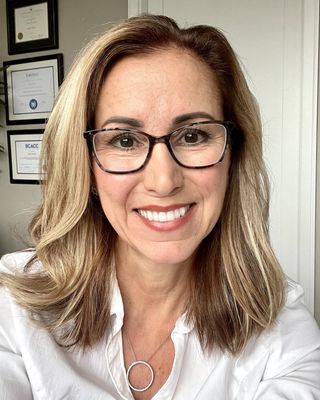
Note: Offering online customized workplace webinars/keynotes on various mental health wellness topics for small to large groups. Small group treatment program (4-weeks) available for organizations wishing to provide anxiety management for employees. In-person upon request.
Hosted by Rita Schnarr I Schnarr Psychotherapy
Counsellor, MA, CCC, RCC
Verified Verified
Group meets in Vancouver, BC V6E
Note: Offering online customized workplace webinars/keynotes on various mental health wellness topics for small to large groups. Small group treatment program (4-weeks) available for organizations wishing to provide anxiety management for employees. In-person upon request.
Resilient Minds...Kids Anxiety Groups 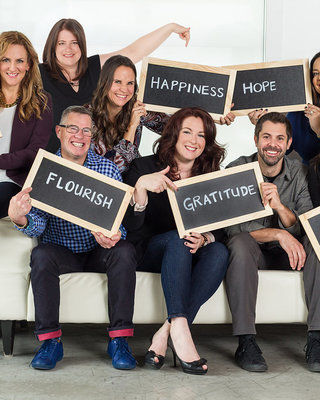
VPC is pleased to offer an evidence-based, fun group experience to help ease anxiety in kids. In a friendly environment, this will help members to 'get' what anxiety is all about + will teach skills to overcome anxiety. Educating kids ...
Hosted by Vancouver Psychology Centre
Psychologist, PsyDs, PhDs, RCCs, BCATR, CCC
Verified Verified
Group meets in Vancouver, BC V5Y
VPC is pleased to offer an evidence-based, fun group experience to help ease anxiety in kids. In a friendly environment, this will help members to 'get' what anxiety is all about + will teach skills to overcome anxiety. Educating kids ...
How to Reduce Reactivity Workshops. 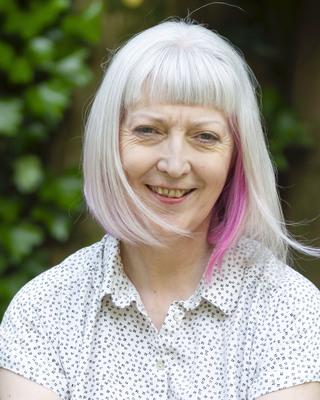
Weekend and evening groups. Info on the workshop - counselling-vancouver.com /workshops Free video - counselling-vancouver.com /register You will learn: Information on your relationship challenges. To interrupt reactivity. How boundaries and self-esteem interact. To identify strategies we use that create discord ...
Hosted by Turning Point Therapy
Counsellor, MA, RCC
Verified Verified
Group meets in Vancouver, BC V6C
Weekend and evening groups. Info on the workshop - counselling-vancouver.com /workshops Free video - counselling-vancouver.com /register You will learn: Information on your relationship challenges. To interrupt reactivity. How boundaries and self-esteem interact. To identify strategies we use that create discord ...
Education Group Classes 
For your business or non-profit teams, church, Mom's / Parent Groups. Curated topics include: diversity, racial reconciliation, trauma, parenting connection and boundaries. www.keziaperrault.com/ser vices
Hosted by Kezia Perrault
Counsellor, MEd, CCC, RCC, CCTP
Verified Verified
Group meets in Vancouver, BC V6E
For your business or non-profit teams, church, Mom's / Parent Groups. Curated topics include: diversity, racial reconciliation, trauma, parenting connection and boundaries. www.keziaperrault.com/ser vices
See more therapy options for Vancouver


FAQs - About Group Therapy and Support Groups
How can I find a support group in Vancouver?
Search for nearby support groups by inputting your city, postal code, or the name of the group into the search bar. From there, you can filter to find a group that suits your needs, whether you are looking for support for a teenager, a group that focuses on a specific issue, such as depression, or a particular program type, such as one geared toward developing social skills. To navigate between locations within the same country, enter a new city or postal code into the search bar.
How does group therapy work?
Therapy groups are led by one or more therapists and serve to help people process their experiences and learn from others who understand their challenges firsthand. They can be based on a specific issue, such as addiction, grief, physical illnesses, parenting, and caregiving. They can involve a specific type of program or therapy, such as a social skills group or CBT group. They can also be specific to a particular population or community, such as teens or LGBTQ.
Support groups, like Alcoholics Anonymous, also focus on a specific issue, but are typically led by members with lived experiences and are less structured than therapy groups. Most therapy groups will meet for a fixed length of time with a consistent group of members, while many support groups meet for an indefinite period of time with members coming and going.
Support groups, like Alcoholics Anonymous, also focus on a specific issue, but are typically led by members with lived experiences and are less structured than therapy groups. Most therapy groups will meet for a fixed length of time with a consistent group of members, while many support groups meet for an indefinite period of time with members coming and going.
What are the benefits of group therapy?
Support groups help connect people with shared challenges or physical and mental health conditions. In a group setting, participants can receive support and feedback from peers and can acquire new skills, strategies and perspectives by listening to one another. Discussing your experience with someone who also has a cancer diagnosis, or whose son also struggles with addiction, for example, can help you feel less alone, reduce distress, find empathy and connection, and learn practical or medical information that has helped others. Group therapy can also be a more affordable option than individual therapy and just as effective.
Is group therapy as effective as individual therapy?
Support groups can be deeply valuable for both emotional support and/or treatment outcomes. It’s difficult to make a blanket statement on efficacy due to the many different types of support groups and conditions treated, but group therapy has been found to be just as effective as individual therapy in establishing long-term abstinence for conditions such as substance abuse, addiction and alcohol abuse.
How much does group therapy cost?
Group counselling is typically less expensive than individual counselling, with each session costing on average about $90 to $100. Meanwhile, individual therapy sessions can run anywhere from $100 to $200. It is possible to find low-cost group therapy options and many therapists offer group sessions free of charge.
Does insurance cover group therapy?
If you have private insurance, your plan may cover some if not all of your group therapy sessions. You should contact your insurance provider to determine if they provide coverage for group therapy sessions and to determine what, if any, requirements they might have in order for your sessions to be covered, such as a referral from your GP or medical specialist.
How long does group therapy last?
The length of a support group session is often one hour but can fall anywhere between 45 minutes and two hours. The amount of time that people remain in a support group varies based on their specific needs and goals and the type of therapy. Some individuals may seek a shorter-term group, such as a bereavement group, that may last between six and 20 weeks. Some may seek a longer-term group that lasts for a year or indefinitely.
What are the limitations of support groups?
Support groups have many benefits, but there are a few limitations as well. Support groups do not constitute formal therapeutic or medical treatment, and are not run by licensed mental health professionals, so some people may opt for group therapy or individual therapy instead. Additionally, support groups can depend on the other participants, so a disruptive individual has the potential to mar the group dynamic, and the anecdotal information shared may sometimes be unhelpful or inaccurate. Because it is a group setting, confidentiality can be more difficult to guard and participants receive less personalized attention than they would in an individual therapy session.