Support Groups in Langley, BC
Join a small group of women who are focusing on their goals. Learn to remove blocks to success and develop the skills needed to overcome and move forward, whether in relationships, your own business, interpersonal influence, and self esteem. We meet bi-weekly and each person has an individual appointment. Group is led by a highly skilled, accomplished therapist who has manifested and changed her life and worked with women to inspire them to moved forward and accomplished their goals. Phone 6047850241 for more information Starts September Wed evenings at 7pm or Sat at 10 am to 12. Please leave name and number.
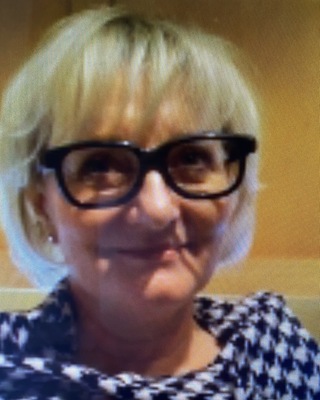
Hosted by Janyse Hrynkow MA CCC & Associates (Ahha)
Marriage & Family Therapist, ECE, BA, PSYC, MA, CPsych
Verified Verified
Group meets in Langley, BC V2Y
Are you an individual who wants to feel better and know where they are going in life? Do you want to learn how to move past those frustrating moments dealing with family issues and develop a great sense of who you are and feel clear about your purpose? Learning about relationships is learning about the part you play so you can develop skills and create more harmony, connect with your inner strengths and resources to create new patterns, and live more fully. I work with you and various therapeutic methods to meet your needs that result in increased strength, creative energy, and skill development so you can feel successful.
We offer social skills groups through out Vancouver. If your child can benefit from a Social an Emotional Skills group, call to find out details about the closest group to your location. Hands on practical, and psycho-educational approach.
Hosted by Positive Kids inc
Registered Psychotherapist, MA
Verified Verified
Group meets in Langley, BC V3A
Does your child or adolescent struggle with ADHD, Behavioral issues, Motivation, Decision Making, Anger Management, Shyness, Anxiety or other type of Social-Emotional issue? Positive Kids is a revolutionary concept created by experts of Emotional Intelligence. We help children label and identify their emotions, manage their emotions and ultimately regulate their emotions. Our program results in a child or adolescent who has more self control, better interpersonal skills and increased IQ. Our curriculum focuses on using cognitive and emotional tools to help children who may struggle with the issues above.
Our DBT Youth Group is aimed to support youth between the ages of 12-18. The group runs over 4 60-minute virtual sessions, with each session focused on one of the four pillars of DBT: mindfulness, emotion regulation, distress tolerance, and interpersonal effectiveness. Youth have the opportunity to stay connected between sessions through a youth chat with the clinician.

Hosted by Apricot Integrated Wellness
Counsellor, B Ed, MA , RCC
Verified Verified
Group meets in Langley, BC V2Y
Hi, I'm Lauren. I am a registered clinical counsellor with experience working with both youth and adults with a variety of different strengths and abilities. I work often with individuals facing anxiety, depression, body image dysmorphia, interpersonal conflict, and other related concerns. I am passionate about supporting others to build the skills necessary for the life they want. Perhaps you are facing a specific problem in your life; or, maybe you are feeling ready to work through something that has been weighing heavy for a while. If you are ready to be heard in a safe and non-judgmental space, I am here to listen.
A 6 week virtual meeting place for new moms adjusting to life post-partum. Offering support and guidance as well as working on life skills to use in the new setting.

Hosted by Jeanne Nortje
Counsellor, RPC-C
Verified Verified
Group meets in Langley, BC V3A
Working from a person-centred approach, I believe that you are your own best-expert. It is my aim to foster a safe environment where sharing and exploring can be done freely. I work with couples using a combination of different approaches creating tailored solutions to the obstacles they might face everyday. Focussing on individual and relationship strengths for resolution strategies. I also use Gottman method approaches to help deepen connection and improve communication.
We believe everyone deserves to feel empowered and fulfilled, and our team of experienced and diverse therapists are here to guide you on your journey. We offer accessible, compassionate counselling with no waitlists. Our registered clinical counsellors provide support for individuals & couples age 12+ in English, Punjabi, Urdu, and Hindi. We offer specialized services including EMDR, neurofeedback, and sexual wellness. We're passionate about providing resources and support beyond the therapy room so check us out on Instagram and Facebook to share videos, educational posts, & other resources.

Hosted by Luma Vita Counselling Inc
Counsellor, MA
Verified Verified
Group meets in Langley, BC V3A
Are you struggling with anxiety, depression, trauma, or low self-esteem? Do you seek support for sexual health and wellness? We provide a safe, comfortable, and confidential space where you can openly share your thoughts and feelings without judgment or bias. Together, we'll work towards your unique goals, addressing your specific needs and challenges. With empathy and understanding, we will support you through your healing journey, helping you build resilience and achieve lasting positive change. Let's unlock your full potential.
Group counseling is a unique relationship in which a group of people who are likely experiencing similar difficulties come together to both give and receive help from one another. This is a relational process group. We will continually activate, illuminate, and process the HERE-AND-NOW dynamic of our relationships together. The content of the group will be driven by group members wants/needs.

Hosted by Jyoti Gill
Counsellor, MA
Verified Verified
Group meets in Langley, BC V3A
I believe that we ALL have the power to heal ourselves. This means that this power resides in YOU too. If that’s hard to believe, I hope that you will grant yourself the opportunity to discover it. In our work together, I will help you get in touch with your inner strength and inner wisdom. You will be able to heal from past wounds, process the grief that holds you back, deal with your losses, trauma, fear, anxiety, confusion, and other negativity. Furthermore, you will have the opportunity to explore your identity, build your self-esteem, and make conscious choices that will help you create the life you want.
We invite students and recent graduates of a Master's of Counselling or Social Work program to join us in a day of learning about advanced empathy and practicing embodied approaches, such as mediation and experiential focusing. This group will support your work with current or future clients and provides the opportunity for you to experience what it is like to take part in a therapeutic group and share your experiences with your colleagues. Registration is now open on Lavender Counselling's website for our next group offering on September 29th, 2024.
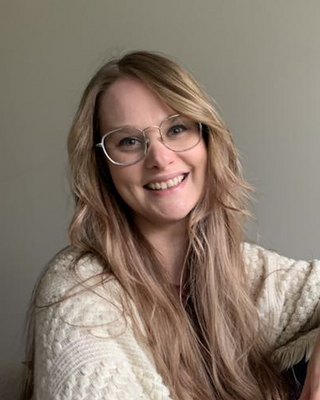
Hosted by Brittany Lasanen
Counsellor, MA, RCC
Verified Verified
Group meets in Langley, BC V3A
People often have creative ways of distancing themselves from uncomfortable and painful emotions and experiences. You might find yourself coping by burying them away, keeping yourself endlessly busy and distracted, or saying, I’m okay, I’m just fine. But as these unprocessed things build, you may have an unsettled or anxious feeling, feel that you are not yourself, or experience emotional explosions that confuse or overwhelm yourself or others. You may come to a place where you feel helpless, trapped, or depressed.
Here is a video that gives a brief overview of the program: https://youtu.be/PxU3_18WFgI Anger is taboo in our society. This group was formed to assist people with managing their anger, and learning new and healthier ways to express and regulate their emotions. This is suitable for mandated clients as well as anyone wanting to learn new approaches to deal with and express their more challenging emotions. Groups include men and women participants. Our next Level 1 class begins April 4 (2022) at 6:30 pm.

Hosted by Marianne Cottingham
MA, CCC
Verified Verified
Group meets in Langley, BC V3A
If you are going through a challenging time, it can feel like your life is unraveling. Our mission at Crossroads Collective is to help you navigate the challenges you are facing. Many of us are struggling with family conflict, separation/divorce, blended families, resentments from the past, substance misuse, life transitions, anxiety, among others. No matter what your current struggle is, it is important that you have support.

Hosted by Carolynn Turner, Lavender Counselling
Counsellor, MA, RCC
Verified Verified
Group meets in Langley, BC V2Y
Hosted by Carolynn Turner, Lavender Counselling
Counsellor, MA, RCC
Verified Verified
Group meets in Langley, BC V2Y
Hosted by Jeanne Nortje
Counsellor, RPC-C
Verified Verified
Group meets in Langley, BC V3A
Hosted by Carolynn Turner, Lavender Counselling
Counsellor, MA, RCC
Verified Verified
Group meets in Langley, BC V2Y
More Groups Nearby
This 8-session parenting series will teach parents what ADHD is and how it affects your child's development, how to build solid parent-child attachment, how to gain your child's compliance and reduce his/her misbehaviors, and how to improve his/her emotional regulation and executive functioning. This group can give you essential skills and strategies that can help your kid improve academically, socially and emotionally. Cantonese and Mandarin groups are also available in Burnaby and Surrey.

Hosted by Jane Li
Counsellor, MA, RCC
Verified Verified
Group meets in Surrey, BC V4N
I am passionate and dedicated to providing psychotherapy from a systemic, holistic (bio-psycho-social-spiritual) and client-centered approach. I believe that you are the expert in yourself and my role is to support you in finding your own pathway of health. I am here to help you and your loved ones to live your lives to the fullest! I am also dedicated to support parents with ADHD kids and teens as I have 2 sons with ADHD too. I made a wonderful online ADHD Parenting course in Chinese and English for those who needs to know how to help their kids and teens to thrive.
Learn more about this transformative series of workshops where we delve into a variety of arts mediums, including clay, creative writing, journaling, visual arts and fun games that challenge the imagination and foster a sense of creativity. Join me as we investigating the depths of the subconscious and discover our inner wisdom through integrative healing and arts exploration. Trauma-informed and body-centered.

Hosted by Tracey Gramm - Inner Wisdom Counselling
Counsellor, BA, RTC, EXat, CDP
Verified Verified
Group meets in Surrey, BC V3S
Hello! Are you struggling with trauma, PTSD, anxiety, stress, burn out, depression, grief/loss, self -esteem or life transitions? I offer talk, somatic and expressive arts therapy for adults, seniors, children and teens. Focusing on the mind-body-heart connection, I take an integrative approach that is trauma-informed and fosters greater self-awareness through curiosity, acceptance and self-expression. Tuning into your intuition to discover more of who you authentically are… feeling more present, grounded and centered. I offer a safe supportive space to help you move past life challenges with greater purpose, direction and clarity.
12 week introduction to disordered eating and recovery. For youth ages 12-24. Weekly small group sessions, including art therapy and experiential therapy. Held at Foundry Maple Ridge. New cohort starts February 604-380-3133 to register. Held Mondays 4-6 pm.

Hosted by Shelley Jensen
Counsellor, RPC, CCDP
Verified Verified
Group meets in Maple Ridge, BC V2X
Not all Binges are a Choice. The exact cause of BED is unknown, but chemicals in the brain, family history and certain life experiences may play a role in Binge Eating Disorder. BED often begins in the late teens or early 20s. BED affects slightly more women than men. About 40% of those with BED are male. I believe we “know” when our eating behavior is off and that dieting will not resolve the underlying anxiety. There is help, I’ve been there.
www.tidaltrauma.com
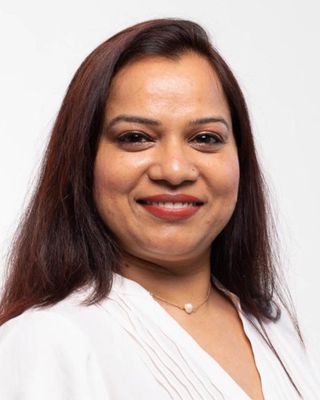
Hosted by Kamyani Bansal
Counsellor, MA, RCC
Verified Verified
Group meets in Surrey, BC V3S
Throughout my life, I have always felt passionate about working with people. It is my mission as your therapist for you to experience acceptance, belonging, purpose and hope - in the therapy room, but more importantly, to experience this in your outside life in significant new ways. My expertise is in helping others overcome the barriers that are holding them back from the life of their dreams. I will work with you with intent and care, increasing your awareness so that you can gain a deeper understanding of your unique needs and I can guide you to develop skills that improve your relationship with yourself and others.
You lay awake at night with worries running through your head while your partner sleeps peacefully. You struggle at work or at home to keep up appearances. You work so hard but you worry you're going to fail. You are not alone and you do not have to live a life of constant worry and dread. You can feel confident and relaxed in your body. You can feel free again. Weekly (for 12 weeks) starting April 26 2023 6pm-7:15pm virtual therapy group for women. Residents of British Columbia only.

Hosted by Stephanie Slater
Counsellor, MA, RCC, CCC
Verified Verified
Group meets in Surrey, BC V3Z
You know that feeling of just not being good enough? Like you're failing and can't keep up. That feeling, those thoughts...they are impacting you and we can work on that in therapy. You can calm your body and calm your mind. Therapy is a chance to learn skills to help you manage anxiety or low mood, and live the life you have always wanted. You deserve to be happy and confident. This is your invitation to stop putting everyone else’s needs before your own. Please reach out and book a FREE call.
Are you afraid of being judged by others? Are you self-conscious in everyday social situations? Do you avoid meeting new people due to fear or anxiety? Social anxiety is a persistent fear of being watched and judged by others that limits a person's engagement and performance in social settings. The anxiety around being judged and criticized can affect one's work, school, and other daily activities, and can make it hard to make and keep friends. If you could use support in dealing with social anxiety, this group will offer you educational resources, peer support, and skill building for confidence in social settings.

Hosted by Renee Reusz
Counsellor, RPC-C, C-IAYT, BSc
Verified Verified
Group meets in Maple Ridge, BC V4R
Do you struggle with feeling disconnected from yourself and others? Do you put your needs at the bottom of the to-do list? Do you wonder if old wounds limit your ability to show up fully in life? Now more than ever, women are feeling anxious, overwhelmed and uncertain about how they are supposed to manage their relationships, careers and their lives. Pushing away your needs and not taking time for yourself can lead to long-term issues for your mind and body, but there is hope and answers.
Are you or others noticing that you’re just not yourself since becoming pregnant or having your baby? You’re not alone. Nearly 1 in 5 women experience postpartum anxiety and 1 in 10 experience depression. Postpartum anxiety and depression are treatable. Join me and reclaim your wellness. Enjoy the rest of your maternity leave. You deserve to feel happy and in control again and you can!
Hosted by Stephanie Slater
Counsellor, MA, RCC, CCC
Verified Verified
Group meets in Surrey, BC V3Z
You know that feeling of just not being good enough? Like you're failing and can't keep up. That feeling, those thoughts...they are impacting you and we can work on that in therapy. You can calm your body and calm your mind. Therapy is a chance to learn skills to help you manage anxiety or low mood, and live the life you have always wanted. You deserve to be happy and confident. This is your invitation to stop putting everyone else’s needs before your own. Please reach out and book a FREE call.
Self-love is something that we are often not taught in school. Learn more about how to open up to that space of self-compassion and love, where you are given the opportunity to unravel the voice of the inner critic. Instead, this workshop helps to address the voice of your loving guide – the wise presence that looks out for you and wishes only the best for you. Discovering this voice and encouraging its presence helps to soften the way we view our life, and guide you towards a more positive outlook.
Hosted by Tracey Gramm - Inner Wisdom Counselling
Counsellor, BA, RTC, EXat, CDP
Verified Verified
Group meets in Surrey, BC V3S
Hello! Are you struggling with trauma, PTSD, anxiety, stress, burn out, depression, grief/loss, self -esteem or life transitions? I offer talk, somatic and expressive arts therapy for adults, seniors, children and teens. Focusing on the mind-body-heart connection, I take an integrative approach that is trauma-informed and fosters greater self-awareness through curiosity, acceptance and self-expression. Tuning into your intuition to discover more of who you authentically are… feeling more present, grounded and centered. I offer a safe supportive space to help you move past life challenges with greater purpose, direction and clarity.
See more therapy options for Langley


FAQs - About Group Therapy and Support Groups
How can I find a support group in Langley?
Search for nearby support groups by inputting your city, postal code, or the name of the group into the search bar. From there, you can filter to find a group that suits your needs, whether you are looking for support for a teenager, a group that focuses on a specific issue, such as depression, or a particular program type, such as one geared toward developing social skills. To navigate between locations within the same country, enter a new city or postal code into the search bar.
How does group therapy work?
Therapy groups are led by one or more therapists and serve to help people process their experiences and learn from others who understand their challenges firsthand. They can be based on a specific issue, such as addiction, grief, physical illnesses, parenting, and caregiving. They can involve a specific type of program or therapy, such as a social skills group or CBT group. They can also be specific to a particular population or community, such as teens or LGBTQ.
Support groups, like Alcoholics Anonymous, also focus on a specific issue, but are typically led by members with lived experiences and are less structured than therapy groups. Most therapy groups will meet for a fixed length of time with a consistent group of members, while many support groups meet for an indefinite period of time with members coming and going.
Support groups, like Alcoholics Anonymous, also focus on a specific issue, but are typically led by members with lived experiences and are less structured than therapy groups. Most therapy groups will meet for a fixed length of time with a consistent group of members, while many support groups meet for an indefinite period of time with members coming and going.
What are the benefits of group therapy?
Support groups help connect people with shared challenges or physical and mental health conditions. In a group setting, participants can receive support and feedback from peers and can acquire new skills, strategies and perspectives by listening to one another. Discussing your experience with someone who also has a cancer diagnosis, or whose son also struggles with addiction, for example, can help you feel less alone, reduce distress, find empathy and connection, and learn practical or medical information that has helped others. Group therapy can also be a more affordable option than individual therapy and just as effective.
Is group therapy as effective as individual therapy?
Support groups can be deeply valuable for both emotional support and/or treatment outcomes. It’s difficult to make a blanket statement on efficacy due to the many different types of support groups and conditions treated, but group therapy has been found to be just as effective as individual therapy in establishing long-term abstinence for conditions such as substance abuse, addiction and alcohol abuse.
How much does group therapy cost?
Group counselling is typically less expensive than individual counselling, with each session costing on average about $90 to $100. Meanwhile, individual therapy sessions can run anywhere from $100 to $200. It is possible to find low-cost group therapy options and many therapists offer group sessions free of charge.
Does insurance cover group therapy?
If you have private insurance, your plan may cover some if not all of your group therapy sessions. You should contact your insurance provider to determine if they provide coverage for group therapy sessions and to determine what, if any, requirements they might have in order for your sessions to be covered, such as a referral from your GP or medical specialist.
How long does group therapy last?
The length of a support group session is often one hour but can fall anywhere between 45 minutes and two hours. The amount of time that people remain in a support group varies based on their specific needs and goals and the type of therapy. Some individuals may seek a shorter-term group, such as a bereavement group, that may last between six and 20 weeks. Some may seek a longer-term group that lasts for a year or indefinitely.
What are the limitations of support groups?
Support groups have many benefits, but there are a few limitations as well. Support groups do not constitute formal therapeutic or medical treatment, and are not run by licensed mental health professionals, so some people may opt for group therapy or individual therapy instead. Additionally, support groups can depend on the other participants, so a disruptive individual has the potential to mar the group dynamic, and the anecdotal information shared may sometimes be unhelpful or inaccurate. Because it is a group setting, confidentiality can be more difficult to guard and participants receive less personalized attention than they would in an individual therapy session.