Support Groups in White Rock, BC
At Arches Counselling our mission is to provide therapy that is respectful, validating, and collaborative. What matters to us is that you have an experience of compassionate curiosity. Together we will determine the best approach of support to improve the quality of your life, as decided by you. Arches Counselling strives to empower you to navigate your situation and not the other way around. This is a space to connect with clarity, confidence, and compassion. We acknowledge seeking help may have included your experiences being silenced, invalidated, and judged. We welcome you with validation and compassionate curiosity.

At Arches Counselling our mission is to provide therapy that is respectful, validating, and collaborative. What matters to us is that you have an experience of compassionate curiosity. Together we will determine the best approach of support to improve the quality of your life, as decided by you. Arches Counselling strives to empower you to navigate your situation and not the other way around. This is a space to connect with clarity, confidence, and compassion. We acknowledge seeking help may have included your experiences being silenced, invalidated, and judged. We welcome you with validation and compassionate curiosity.
Live the life you want to live. Strategies to overcome stress, depression, anger, anxiety and communication challenges. ?

Live the life you want to live. Strategies to overcome stress, depression, anger, anxiety and communication challenges. ?
More Groups Nearby
A free weekly open grief group, using your peers, support, and education to further help you along your journey. The meetings are open to anyone, and there is no cost to attend. The group will gather virtually via Zoom for the near future. We want all participants to know they are not alone, and that right now it is okay to not be okay. To sign up: https://bit.ly/GriefandlossTWC
Hosted by Together We Can - Addiction Recovery Centre
Treatment Centre
Group meets in Vancouver, BC V5R
A free weekly open grief group, using your peers, support, and education to further help you along your journey. The meetings are open to anyone, and there is no cost to attend. The group will gather virtually via Zoom for the near future. We want all participants to know they are not alone, and that right now it is okay to not be okay. To sign up: https://bit.ly/GriefandlossTWC
Help your youth build social skills, frustration tolerance, emotional regulation, and creative problem solving skills in a safe, inclusive, and engaging group. Emerging research has demonstrated the potent, potential benefits of tabletop role-playing games (e.g., Dungeons & Dragons) when utilized in a therapeutic setting. Therapeutically applied tabletop role-playing games are a great option for individuals who want to work on developing social skills, reducing social anxiety, or developing collaborative problem-solving skills in a safe, inclusive, and supportive environment.

Help your youth build social skills, frustration tolerance, emotional regulation, and creative problem solving skills in a safe, inclusive, and engaging group. Emerging research has demonstrated the potent, potential benefits of tabletop role-playing games (e.g., Dungeons & Dragons) when utilized in a therapeutic setting. Therapeutically applied tabletop role-playing games are a great option for individuals who want to work on developing social skills, reducing social anxiety, or developing collaborative problem-solving skills in a safe, inclusive, and supportive environment.
Does your child struggle with: * Initiating, joining or maintaining a conversation with peers? * Taking on the perspective of others when problem solving? * Increased anxiety in novel social situations? * Making and keeping friends * Handling peer rejection, teasing, bullying, rumors and gossip * Being assertive without being rude/bossy. GET SET. GET SOCIAL! Offers 3 groups. Teachings will be tailored to meet the needs of each group member. Intermediate and Advanced teaching will use PEERS curriculum - an evidenced based treatment. Primary groups will be taught using integrated evidenced based CBT and ABA approaches.

Hosted by Rubina Mangat - SupportedGuidance.com
Counsellor, MA, RCC, NCC, BCBA
Group meets in Port Moody, BC V3H
Does your child struggle with: * Initiating, joining or maintaining a conversation with peers? * Taking on the perspective of others when problem solving? * Increased anxiety in novel social situations? * Making and keeping friends * Handling peer rejection, teasing, bullying, rumors and gossip * Being assertive without being rude/bossy. GET SET. GET SOCIAL! Offers 3 groups. Teachings will be tailored to meet the needs of each group member. Intermediate and Advanced teaching will use PEERS curriculum - an evidenced based treatment. Primary groups will be taught using integrated evidenced based CBT and ABA approaches.
Help your youth build social skills, frustration tolerance, emotional regulation, and creative problem solving skills in a safe, inclusive, and engaging group. Emerging research has demonstrated the potent, potential benefits of tabletop role-playing games (e.g., Dungeons & Dragons) when utilized in a therapeutic setting. Therapeutically applied tabletop role-playing games are a great option for individuals who want to work on developing social skills, reducing social anxiety, or developing collaborative problem-solving skills in a safe, inclusive, and supportive environment.
Help your youth build social skills, frustration tolerance, emotional regulation, and creative problem solving skills in a safe, inclusive, and engaging group. Emerging research has demonstrated the potent, potential benefits of tabletop role-playing games (e.g., Dungeons & Dragons) when utilized in a therapeutic setting. Therapeutically applied tabletop role-playing games are a great option for individuals who want to work on developing social skills, reducing social anxiety, or developing collaborative problem-solving skills in a safe, inclusive, and supportive environment.
This free, ongoing series of educational discussions based on the original material prepared by Mark Haden offers an honest and refreshing understanding of addictions, drugs, recovery and the important role that family and social contexts play. Facilitated through 13 weekly drop-in sessions this presentations will cover 4 basic topics: 1) The Development of Addictions 2) Chemicals and the Body 3) The Recovery Process 4) The Family Context. No registration required; all are welcome including; clients, potential clients, concerned family or friends, interested community members, and professionals. For more information and schedule please call Stepping Stones: 604-982-5616.
This free, ongoing series of educational discussions based on the original material prepared by Mark Haden offers an honest and refreshing understanding of addictions, drugs, recovery and the important role that family and social contexts play. Facilitated through 13 weekly drop-in sessions this presentations will cover 4 basic topics: 1) The Development of Addictions 2) Chemicals and the Body 3) The Recovery Process 4) The Family Context. No registration required; all are welcome including; clients, potential clients, concerned family or friends, interested community members, and professionals. For more information and schedule please call Stepping Stones: 604-982-5616.
A based groups focused on equipping caregivers with to support a loved one struggling with mental health challenges such as eating disorders, anxiety, depression, school refusal, self harm and addictive behaviors.
A based groups focused on equipping caregivers with to support a loved one struggling with mental health challenges such as eating disorders, anxiety, depression, school refusal, self harm and addictive behaviors.
Do you feel stuck? Isolated? Burned out? "Icky"? Caught in old behaviours? Wired to Cope is for you. This group is aimed at supporting people to make lasting changes, re-discover yourself and your passion for life, and re-engage with where you are. It starts with exploring your patterns, what you're engaged in already - whether you're aware of them, or not. We'll learn exercises and explore content that looks directly at these patterns and helps you build a system. This is a closed group, for cohesion and safety, that meets weekly.
Do you feel stuck? Isolated? Burned out? "Icky"? Caught in old behaviours? Wired to Cope is for you. This group is aimed at supporting people to make lasting changes, re-discover yourself and your passion for life, and re-engage with where you are. It starts with exploring your patterns, what you're engaged in already - whether you're aware of them, or not. We'll learn exercises and explore content that looks directly at these patterns and helps you build a system. This is a closed group, for cohesion and safety, that meets weekly.
Join the LGBTQIA+ Art Hive, a monthly online gathering for trans and queer adults across Canada. This informal space allows for self-directed art projects in a supportive community setting. Hosted by two transgender women, including an art therapist, it’s a place to create, connect, and inspire. Bring your art supplies and join us in this inclusive and welcoming space. Welcome to the LGBTQIA+ Art Hive!

Hosted by Clayre Sessoms
Registered Psychotherapist, RP, CCC-S, ATR-BC
Group meets in Vancouver, BC V6B
Join the LGBTQIA+ Art Hive, a monthly online gathering for trans and queer adults across Canada. This informal space allows for self-directed art projects in a supportive community setting. Hosted by two transgender women, including an art therapist, it’s a place to create, connect, and inspire. Bring your art supplies and join us in this inclusive and welcoming space. Welcome to the LGBTQIA+ Art Hive!
Learn more about this transformative series of workshops where we delve into a variety of arts mediums, including clay, creative writing, journaling, visual arts and fun games that challenge the imagination and foster a sense of creativity. Join me as we investigating the depths of the subconscious and discover our inner wisdom through integrative healing and arts exploration. Trauma-informed and body-centered.
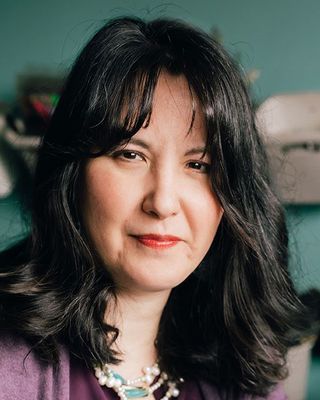
Hosted by Tracey Gramm - Inner Wisdom Counselling
Counsellor, BA, RTC, EXat, CDP
Group meets in Surrey, BC V3S
Learn more about this transformative series of workshops where we delve into a variety of arts mediums, including clay, creative writing, journaling, visual arts and fun games that challenge the imagination and foster a sense of creativity. Join me as we investigating the depths of the subconscious and discover our inner wisdom through integrative healing and arts exploration. Trauma-informed and body-centered.
Join this unique & empowering 8 week Adult ADHD group starting Tuesday Jan 13, 26, 6-7:30 pm. Each session will focus on different layers of wellbeing. Through discussions, experiential activities, and guided reflection, you will build connections & develop personalized strategies to support everyday life. Walk away with: Greater understanding of your own strengths and challenges. Practical tools for emotion regulation & executive function management. Learn new ways of approaching relationships. Discover how to care for your unique mind while navigatingADHD with more confidence and compassion, receive a full award winning workbook! www.unitiveclinic.ca

Join this unique & empowering 8 week Adult ADHD group starting Tuesday Jan 13, 26, 6-7:30 pm. Each session will focus on different layers of wellbeing. Through discussions, experiential activities, and guided reflection, you will build connections & develop personalized strategies to support everyday life. Walk away with: Greater understanding of your own strengths and challenges. Practical tools for emotion regulation & executive function management. Learn new ways of approaching relationships. Discover how to care for your unique mind while navigatingADHD with more confidence and compassion, receive a full award winning workbook! www.unitiveclinic.ca
While no two experiences are the same, there is a shared experience of loss. Gathering in a small group, we will create a safe space to explore your grief, and how we can collectively support one another and build connections and community.

While no two experiences are the same, there is a shared experience of loss. Gathering in a small group, we will create a safe space to explore your grief, and how we can collectively support one another and build connections and community.
Tending to your Emotions Can Save Your Heart (and your Life!)
Information, skills and support for anyone recovering from/ living with cardiac health issues, and anyone living with chronic health problems as well as family members, friends and caregivers. Meets once a month at the Lions Gate Hospital Cardio Rehab Clinic. Call, text or email Catherine for more information / dates of upcoming sessions.
Welcome to Westminster House Virtual Recovery Program. Whether you are new to or familiar with recovery, the next eight weeks will take you through a journey of self-discovery. You will learn the fundamentals of a 12 step program and the basis of a 12 step treatment process. You will also be given the tools to learn, grow and stay clean! The only catch is that you get out of this program what you put in, so if you're committed to doing the work, you're in the right place.
Hosted by Westminster House Society for Women
Treatment Centre, CCS-AC
Group meets in New Westminster, BC V3M
Welcome to Westminster House Virtual Recovery Program. Whether you are new to or familiar with recovery, the next eight weeks will take you through a journey of self-discovery. You will learn the fundamentals of a 12 step program and the basis of a 12 step treatment process. You will also be given the tools to learn, grow and stay clean! The only catch is that you get out of this program what you put in, so if you're committed to doing the work, you're in the right place.
Join art therapists Jill Sones and Andrea Rodgers for a 5-week art therapy group focused on connecting with creativity. This group encourages self-expression and self-awareness through art-making, emphasizing the creative process rather than learning art techniques or skills. Participants will engage with various materials that facilitate open-ended exploration and personal expression. Each session centres on building a connection with the materials, art making process, and artwork created, offering a gentle pathway for self-discovery and insight. No prior art experience is needed. Email for more info regarding dates and registration.

Join art therapists Jill Sones and Andrea Rodgers for a 5-week art therapy group focused on connecting with creativity. This group encourages self-expression and self-awareness through art-making, emphasizing the creative process rather than learning art techniques or skills. Participants will engage with various materials that facilitate open-ended exploration and personal expression. Each session centres on building a connection with the materials, art making process, and artwork created, offering a gentle pathway for self-discovery and insight. No prior art experience is needed. Email for more info regarding dates and registration.
MBSR is an 8 week program that was developed at the University of Massachusetts Medical School in 1979. Helpful for: ANXIETY, DEPRESSION, STRESS, CHRONIC HEALHT CONDITIONS. You will learn how to reduce negative or anxious thinking, manage and reduce pain, depression, interpersonal problems, lack of confidence, and stress. "Life changing"

MBSR is an 8 week program that was developed at the University of Massachusetts Medical School in 1979. Helpful for: ANXIETY, DEPRESSION, STRESS, CHRONIC HEALHT CONDITIONS. You will learn how to reduce negative or anxious thinking, manage and reduce pain, depression, interpersonal problems, lack of confidence, and stress. "Life changing"
Come join our in-person DBT group in Tri-cities, BC (option to join virtually) if you are not able to make it in-person. Great way to learn skills that will help you thrive in your personal and professional life.

Come join our in-person DBT group in Tri-cities, BC (option to join virtually) if you are not able to make it in-person. Great way to learn skills that will help you thrive in your personal and professional life.
A virtual 20 week DBT-informed group for those struggling with Emotion Regulation issues and symptoms of Trauma. This group teaches the DBT skills of Mindfulness, Interpersonal Effectiveness, Distress Tolerance and Emotion Regulation. We incorporate information on trauma responses and added resources and skills drawn from trauma therapies. The cost is $1600 for 20 weeks ($80/session), Next group starts Feb 2026 Email now to secure a spot. FNHA eligibility. email: info@emotionwise.ca

Hosted by Emotion Wise Counselling
Registered Social Worker, MSW, RSW, RCC
Group meets in Vancouver, BC V6B
A virtual 20 week DBT-informed group for those struggling with Emotion Regulation issues and symptoms of Trauma. This group teaches the DBT skills of Mindfulness, Interpersonal Effectiveness, Distress Tolerance and Emotion Regulation. We incorporate information on trauma responses and added resources and skills drawn from trauma therapies. The cost is $1600 for 20 weeks ($80/session), Next group starts Feb 2026 Email now to secure a spot. FNHA eligibility. email: info@emotionwise.ca
Have you noticed how easily compassion flows toward others but how hard it can be to offer it to yourself? Do you find that self-criticism gets in the way of feeling connected? The CFT group is an invitation to gently shift that pattern. Over 12 weeks, you’ll learn practical ways to soften your inner voice and reconnect with your natural capacity for kindness. We’ll explore ways to relate to yourself with warmth even in difficulty moments. The orientation session is on Nov. 14. The group is online (January 22 to March 26). facilitated by Denisse and Karolina.

Have you noticed how easily compassion flows toward others but how hard it can be to offer it to yourself? Do you find that self-criticism gets in the way of feeling connected? The CFT group is an invitation to gently shift that pattern. Over 12 weeks, you’ll learn practical ways to soften your inner voice and reconnect with your natural capacity for kindness. We’ll explore ways to relate to yourself with warmth even in difficulty moments. The orientation session is on Nov. 14. The group is online (January 22 to March 26). facilitated by Denisse and Karolina.
See more therapy options for White Rock


Nearby Searches for White Rock
- Abbotsford
- Burnaby
- Coquitlam
- Delta
- Langley
- New Westminster
- North Vancouver
- Port Coquitlam
- Port Moody
- Richmond
- Surrey
- Vancouver
FAQs - About Group Therapy and Support Groups
How can I find a support group in White Rock?
To find a support group in your area, start by entering your city, postal code, or the name of the group into the search bar at the top of the page. When searching, consider whether you prefer an in-person or virtual group. This can help you decide how broad your geographic search should be. If you are open to virtual groups, you might want to search by state instead of just your city, especially if there are limited options nearby.
Once you complete your search, you can use the filters to narrow the results by selecting specialties (such as grief, trauma, or eating disorders), therapeutic approaches, age groups, and other criteria to find a group that best fits your needs.
How does group therapy work?
Group therapy is led by one or more trained therapists and provides a space where participants can process their experiences and learn from others facing similar challenges. Groups may focus on a specific issue—such as addiction, grief, physical illnesses, parenting, or caregiving—or they may center around a particular therapeutic approach, such as Cognitive Behavioural Therapy (CBT), social skill development, or Exposure Therapy. Some groups are also designed for specific populations, such as teens, veterans, or LGBTQ+ individuals.
It’s also important to distinguish group therapy from peer-led support groups, like Alcoholics Anonymous. While both can offer valuable support, therapy groups are typically led by licensed professionals and follow a more structured format. Therapy groups often meet for a fixed length of time with a consistent group of members, while many peer support groups meet for an indefinite period of time with members coming and going.
What are the benefits of group therapy?
Group therapy offers several important benefits. It brings together people facing similar challenges—whether related to mental health, physical health, or life transitions—and creates a supportive environment where participants can exchange feedback, share experiences, and learn from one another. Hearing different perspectives can help individuals discover new coping strategies and practical tools they may not have encountered on their own. Sharing personal experiences, such as coping with a serious illness or navigating family struggles, can also reduce feelings of isolation and foster a sense of connection and understanding. In addition to emotional support, group members often gain useful, real-world advice from peers who have faced similar situations.
Group therapy is typically more affordable than individual therapy and, for certain conditions, can be equally effective. Many groups also include structured activities—such as guided journaling, cognitive-behavioural exercises, or role-playing—to help participants develop concrete skills they can apply in daily life.
Is group therapy as effective as individual therapy?
It is difficult to make a blanket statement about the effectiveness of support groups, as they vary widely in focus and the conditions they address. However, support groups can be highly valuable in helping individuals gain emotional support and achieve meaningful treatment outcomes. For certain conditions, such as substance use, research has shown that group therapy can be particularly effective—sometimes just as effective as individual therapy—in supporting long-term recovery.
Many professionals attribute the effectiveness of group therapy to the unique benefits of the group setting, which fosters peer-to-peer learning and a sense of connection through shared experiences. Group settings also offer accountability and encouragement from both facilitators and fellow participants, which helps sustain motivation and supports continued progress. These factors together play a key role in promoting the overall effectiveness of group therapy.
How much does group therapy cost?
Group therapy is typically less expensive than individual therapy, with sessions typically costing between $90 and $100 each. In comparison, individual therapy can cost anywhere from $100 to $200 or more per session, even with insurance. Some therapists or organisations offer low-cost or free group therapy options, particularly through community centers or non-profit organisations. In some cases, groups may require payment upfront for a set number of sessions, such as paying for six weekly sessions at the first meeting. However, many providers offer payment plans to help make participation more accessible if this upfront payment is required.
Does insurance cover group therapy?
If you have private insurance, your plan may cover some if not all of your group therapy sessions. You should contact your insurance provider to determine if they provide coverage for group therapy sessions and to determine what, if any, requirements they might have in order for your sessions to be covered, such as a referral from your GP or medical specialist.
How long does group therapy last?
The length of each group therapy session typically ranges from 45 minutes to two hours, depending on the therapy approach, the group’s goals, and how often the group meets. In some cases, group therapy is part of a larger treatment program, such as an Intensive Outpatient Program (IOP), where group sessions complement individual therapy and are scheduled as part of the program’s overall structure.
The duration of participation in a group also varies. Some groups are designed to be short-term, lasting anywhere from 6 to 24 weeks—for example, bereavement groups or skills-based groups like those using Dialectical Behavioural Therapy (DBT). Other groups may be longer-term, lasting a year or more, and some ongoing support groups meet indefinitely, allowing participants to stay as long as they find the group helpful.
What are the limitations of support groups?
Support groups offer many benefits, but they also have certain limitations. Unlike therapy groups, many support groups do not provide formal therapeutic treatment and are not led by licensed mental health professionals. For individuals seeking clinical treatment for specific mental health diagnoses—such as depression, eating disorders, or substance use—individual therapy or group therapy led by a licensed professional may offer more personalised and specialised care.
The effectiveness of a support group also depends heavily on the group’s participants and the overall group dynamic. When members engage respectfully and offer constructive support, the group can foster valuable peer-to-peer learning. However, if certain participants dominate discussions, provide inaccurate advice, or create conflict, it can disrupt the group’s sense of safety and reduce its effectiveness. Confidentiality can also be harder to maintain in support groups, particularly in open groups where participants can join or leave at any time. With new members regularly entering the group, it can be more difficult to build and sustain a consistent sense of trust and privacy.