Support Groups in Elm Grove, WI
Additional offices in Shorewood, Wauwatosa, New Berlin.

Hosted by Mind body spirit program
Psychologist, PhD
Verified Verified
Group meets in Elm Grove, WI 53122
Are you stressed? Depressed? Anxious? Angry? Do you suffer from fatigue? Insomnia? High blood pressure? chronic pain? PMS? Infertility? Cancer? Memory Problems? I can help. I am a clinical health psychologist with a specialty in behavioral medicine and am dedicated to empowering patients to positively heal their mind, body and spirit. I have received specialty training in mind body medicine across the country, including through Harvard Medical School/Cambridge Hospital and University of Miami/Jackson Memorial Medical Center. I imploy innovative practices: EMDR, hypnosis, and meditation, to improve the lives of her patients.
More Groups Nearby
Our experienced clinicians facilitate comprehensive SO and sex-compulsive treatment, in both group and individual settings, for adult men and women. Some individuals seek help because they recognize that their behavior will get them into personal and legal trouble if they don't stop. Local attorneys, therapists, and probation/parole agents also refer to our program. Treatment focuses on identifying the pathways to problematic behavior and learning the steps to correct one's thoughts, fantasies, and behaviors. Group also targets men with problematic sexual behavior who have also been abused. Contact Brandie Tetzlaff at (262) 754-5917.

Hosted by Pathways Counseling Center
Clinical Social Work/Therapist
Verified Verified
Group meets in Brookfield, WI 53005
Pathways Counseling Center was established in 1985 as a state certified, outpatient mental health clinic. We have several therapists that provide a variety of services for various challenges. We offer services to individual clients, their families and significant others in treatment settings that include individual, couples, and group sessions. Our mental health professionals provide services to children, adolescents, adults, families and couples to help our clients achieve emotional health and well-being.
This group will guide you to profound levels of inner peace and integration.Based on the work of Carl Jung,we will explore through a variety of meditative,shamanic and guided imagery techniques ways to access and actively interact with your Higher Self to find more joy and peace in your daily life.
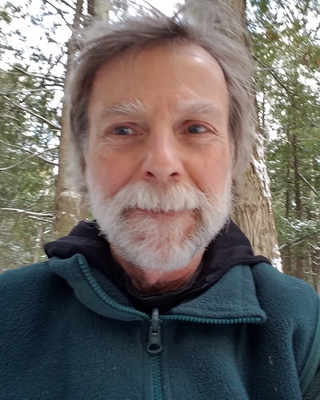
Hosted by Daniel Louis Huber
Clinical Social Work/Therapist, PhD, LCSW
Verified Verified
Group meets in Brookfield, WI 53005
My therapeutic focus is helping my clients of all ages gain a deeper appreciation of who they are on all levels of their being: body,mind and spirit. To that extent, I incorporate a variety of clinical tools including Emotional Freedom Technique(EFT),Mindfullness based meditation ,Transpersonal vision Quest/journey work,sensory motor soothing methods, Internal Family Systems ,and Heart Centered Hypnotheray. I also offer the MARI(Mandala Assessment Research Instrument), a powerful tool to help clients understand,explore and expand consciousnessl. My ideal client would be willing to learn these tools to live life more joyfully.
safe space for adults within the LGBTQIA+ community to process challenges, develop connection, and be authentically themselves
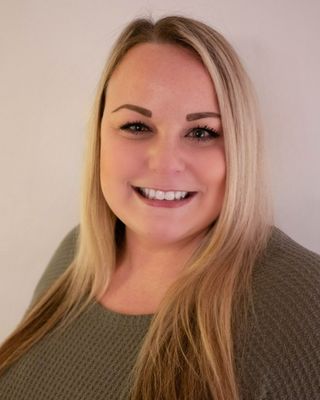
Hosted by Haley Lemire
Licensed Professional Counselor, MS, LPC, NCC
Verified Verified
Group meets in Brookfield, WI 53045
As a therapist I am committed to providing a safe, nonjudgmental, compassion space for you to embrace vulnerability and start your journey of personal growth and healing.
Groups are currently closed.
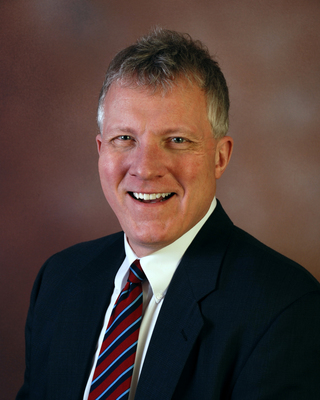
Hosted by Dr. John Ernst
Licensed Professional Counselor, PhD, LPC
Verified Verified
Group meets in Brookfield, WI 53005
Dr. John Ernst has 36 years of diverse psychological experience. He treats individual adults, couples, families, adolescents, and children. Dr. Ernst has extensive media experience, including live radio and television broadcasts as well as writing newspaper columns and internet blogs about psychological issues. He has numerous positive patient satisfaction endorsements which underscore his expertise as a highly effective, ethical, and professional clinician. He strives to deliver outstanding quality care to achieve real-world solutions that are effective and easy to understand and apply.
This group will teach skills for dealing with depression by learning and applying the skills of mindfulness meditation. The 8 week group will introduce participants to these powerful techniques and build on proven strategies.
You will be asked to participate in a weekly 2 hour group and to practice daily mindfulness exercises learned in the group.
Research has shown that up to 40% of those who utilize mindfulness practices to manage the symptoms of depression have been able to successfully eliminate their anti-depressant medications without relapsing for more than five years. My next group starts September 5, 2018.

Hosted by John Weaver
Psychologist, PsyD
Verified Verified
Group meets in Waukesha, WI 53188
Are you worried that depression is becoming a chronic problem? Are you interested in addressing your issues without medication or with the least amount of medication possible? Do you want to learn healthy thinking skills, to be in better control of your emotions, and to align your actions with your deepest values?
Mindfulness skills are simple to learn and helpful to use. Research has shown that up to 40% of those who apply mindfulness practices to manage the symptoms of depression have been able to successfully eliminate anti-depressant medication without relapsing for more than 5 years.
A 6 week skill building group to help divorced or divorcing parents develop a cooperative parenting relationship based on the needs and best interests of their children.

Hosted by Family Service of Waukesha
Treatment Center
Not Verified Not Verified
Group meets in Waukesha, WI 53186
Our professional counseling staff can help with a wide variety of presenting problems, stressors and issues for people of all ages. Our staff includes Clinical Psychologists, Licensed Clinical Social Workers, Licensed Marriage and Family Therapists and Licensed Professional Counselors who provide individualized services tailored to meet the specific needs and preferences of each client. Family Service therapists offer a wide range of specialties including EMDR, mindfulness, emotional regulation skill-building, EAP services, child and family therapy, Narrative Attachment Therapy, Trauma Therapy, psychotherapy to child victims of trauma and abuse, play, art and sand tray therapy, Christian counseling, couple psychotherapy and many more services to adults, teens and children ages 3-older adult. We schedule appointments during the day or in the evening. We participate in most insurance plans including Medicaid and Medicare and are contracted providers in most network plans. Cash pay arrangements are available for people who are uninsured. Call the office to arrange a meeting with one of our therapists.
Parents are mirrors for their children..in this group parents and children will simultaneously learn time honored methods from many traditions to live joyfull,peaceful and abundantly happy lives. We will learn mindfulness ,educational kiniesiology,sensory integrative and playful body,mind spirit games that families can use daily to manage stress and live joyfully.
Hosted by Daniel Louis Huber
Clinical Social Work/Therapist, PhD, LCSW
Verified Verified
Group meets in Brookfield, WI 53005
My therapeutic focus is helping my clients of all ages gain a deeper appreciation of who they are on all levels of their being: body,mind and spirit. To that extent, I incorporate a variety of clinical tools including Emotional Freedom Technique(EFT),Mindfullness based meditation ,Transpersonal vision Quest/journey work,sensory motor soothing methods, Internal Family Systems ,and Heart Centered Hypnotheray. I also offer the MARI(Mandala Assessment Research Instrument), a powerful tool to help clients understand,explore and expand consciousnessl. My ideal client would be willing to learn these tools to live life more joyfully.
This group is designed for individuals interested in safely exploring,experiencing and integrating their consciousness.Each group member will have taken the MARI(mandala assessment research instrument) administered by this therapist. The MARI in a very profound ways explains and clarifies the different dimensions of consciousness .You will essentially have your personal roadmap to address your personal psyche on all levels, and like the conductor of an orchestra, develop skill to heal,expand and live more fully what you have within. We will use drumming,Shamanic journey work,ancestral/transgenerational,art and ancient meditative mantra work to experience and utilize the vast resources of conciousness
Hosted by Daniel Louis Huber
Clinical Social Work/Therapist, PhD, LCSW
Verified Verified
Group meets in Brookfield, WI 53005
My therapeutic focus is helping my clients of all ages gain a deeper appreciation of who they are on all levels of their being: body,mind and spirit. To that extent, I incorporate a variety of clinical tools including Emotional Freedom Technique(EFT),Mindfullness based meditation ,Transpersonal vision Quest/journey work,sensory motor soothing methods, Internal Family Systems ,and Heart Centered Hypnotheray. I also offer the MARI(Mandala Assessment Research Instrument), a powerful tool to help clients understand,explore and expand consciousnessl. My ideal client would be willing to learn these tools to live life more joyfully.
Group for young adults who are Transgender/Gender Queer and Questioning. Contact Chesney Limas at (262) 754-5918. First Monday of the month at 5:30pm. Group for adults 25 and older who are Transgender. Contact Patricia Connors at (262) 754-5912. First Tuesday of the month at 7pm. Group for Transgender/Gender Questioning Adolescent. Contact Lynn Dusold at (262) 754-5913. Group for Art Therapy group for Transgender/Gender Questioning teens. Contact Carol Seydewitz at (262) 754-5916.
Hosted by Pathways Counseling Center
Clinical Social Work/Therapist
Verified Verified
Group meets in Brookfield, WI 53005
Pathways Counseling Center was established in 1985 as a state certified, outpatient mental health clinic. We have several therapists that provide a variety of services for various challenges. We offer services to individual clients, their families and significant others in treatment settings that include individual, couples, and group sessions. Our mental health professionals provide services to children, adolescents, adults, families and couples to help our clients achieve emotional health and well-being.
12 week anger management group to help men and women develop appropriate skills for managing anger.
Hosted by Family Service of Waukesha
Treatment Center
Not Verified Not Verified
Group meets in Waukesha, WI 53186
Our professional counseling staff can help with a wide variety of presenting problems, stressors and issues for people of all ages. Our staff includes Clinical Psychologists, Licensed Clinical Social Workers, Licensed Marriage and Family Therapists and Licensed Professional Counselors who provide individualized services tailored to meet the specific needs and preferences of each client. Family Service therapists offer a wide range of specialties including EMDR, mindfulness, emotional regulation skill-building, EAP services, child and family therapy, Narrative Attachment Therapy, Trauma Therapy, psychotherapy to child victims of trauma and abuse, play, art and sand tray therapy, Christian counseling, couple psychotherapy and many more services to adults, teens and children ages 3-older adult. We schedule appointments during the day or in the evening. We participate in most insurance plans including Medicaid and Medicare and are contracted providers in most network plans. Cash pay arrangements are available for people who are uninsured. Call the office to arrange a meeting with one of our therapists.
Out-Patient Substance Abuse Treatment typically treating individuals with OWI/DUI criminal charges.

Hosted by Daniel Bird
Licensed Professional Counselor, MS, SAC
Not Verified Not Verified
Group meets in Menomonee Falls, WI 53051
I have developed a thriving practice treating families and individuals with substance abuse in their lives. In addition I enjoy helping individuals find their way back from dark despair and emotional pain of depression and/or anxiety to their former selves.
Psychiatry Medication Management via Telepsychiatry, Virtual Visits, for Adults & Children offered THROUGHOUT Wisconsin. ***ACCEPTING NEW PATIENTS! Short wait times!!!*** Progressive evidenced based care with pharmaceutical therapies and remote patient monitoring.
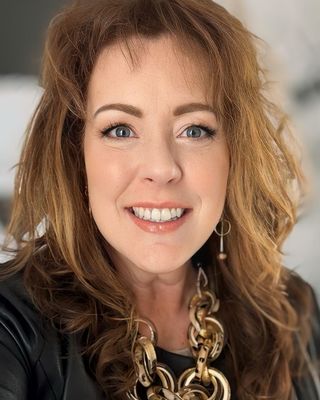
Hosted by Visionary Psychiatry
Psychiatric Nurse Practitioner, PMHNP
Verified Verified
Group meets in Pewaukee, WI 53072
Depressed? Did you know that there are new treatment options offering relief from depression in 2 weeks?!?! No, not SSRI's. No, not SNRI's. YES.... covered by insurance and no, not a huge out of pocket spend! Finally, there IS help & hope for YOU! ADHD challenged? ADHD focused care assessed with Neurocognitive Testing & current, once a day treatments! Psychiatric Medication Management offered online throughout Oregon. In-person visits in Tigard, Oregon. Currently accepting new patients! Reach out today at www.visionarypsych.com
This is an adolescent group that will promote support for kids that are struggling with ANXIETY and DEPRESSION, and SPECTRUM Disorders. This group will provide safety without ridicule. Experiences include discussion, art therapy, game therapy, music and movement therapy. We have outings once per month for the members of the group. No charge. It is a place to establish friendships and fun.
Hosted by Patricia Ann Glatzel Clough
Licensed Professional Counselor, LPC, ATR, CSAS
Verified Verified
Group meets in Waukesha, WI 53186
I am a Licensed Professional Counselor and licensed Art Therapist who approaches counseling in a holistic standpoint, by incorporating cognitive understanding, and emotional support with the creative self. While participating in therapy does not require you to engage in the experiential arts, I do encourage self-expression to release blocked emotion within sensitive surroundings. Some of the important areas of work include building self-esteem, self-identity, and helping to overcome deficits such as anger, communication, anxiety, separation of the family unit, depression, and substance abuse counseling. Being able to recognize your individual strengths and building on them helps encourage personal empowerment!
These fun, interactive groups are for children ages 5 to 18 with challenges that affect their interpersonal relationships and abilities to read social cues. Generally grouped by age or "best fit", participants meet weekly in small group settings with individualized experiential activities designed to increase their proficiency and comfort with appropriate social skills. Groups provide additional opportunities to learn and practice nonverbal and social interaction. Goals include: Increasing social awareness Building and maintaining friendships Understanding the social mechanics of communication

Hosted by LifeStriders, Inc.
Treatment Center, MS, LPC, NBCC
Verified Verified
Group meets in Waukesha, WI 53188
LifeStriders offers integrative approaches to mental health and wellness. We offer comprehensive bilingual family support and counseling services for children, individuals, families and couples. Implementing nature based and experiential approaches to groups and individual therapy, established LifeStriders as a leader in the field. We take a holistic approach to every client and their individual needs, focusing on nutrition, self care and other modalities to help clients achieve their vision of wellness.
AODA + DBT Group aims to provide participants with valuable knowledge and skills to better understand and manage substance use. Through interactive sessions and supportive discussions, the group will explore the impact of alcohol and drug abuse on mental and physical health, relationships, and overall wellbeing. The goal is to empower individuals with the tools necessary to make informed decisions, develop healthier coping mechanisms, and work towards a more balanced and fulfilling life.
Hosted by Jessica Rustler
Licensed Professional Counselor, MS, NCC, LPC
Verified Verified
Group meets in Waukesha, WI 53188
Are you struggling with finding your place in the world? Are you experiencing relationship issues? Are you looking for a place to get it all off your chest? As a teenager, young adult and adult you may be facing roadblocks that are difficult to talk about but sharing those struggles can be important for growth and restoration. Therapy is a place where we are able to work together to rebuild your self-compassion so you can move forward in life. You can feel good about the positive changes you wish to achieve!
A compassionate group for dealing with the emotional impact of a major loss - the death of a loved one, death of a pet, divorce, loss of a job, etc. Held every other Monday for 6 sessions: August 12th, August 26th, September 9th, September 23rd, October 7th, & October 21st. Topics include: stages of grief, the physical experience & feelings associated with grief, coping with holidays & special days. Cost is $40 per session (sliding scale available)
Facilitated by: Lisa Miles, MS, LPC-IT & Lauren Eckert, MS, LPC-IT Questions or register, call (262) 470-9131 or email team@lighthousecounselors.com
Hosted by Lisa Miles
Counselor, MS, LPC-IT
Verified Verified
Group meets in Pewaukee, WI 53072
We all experience challenges in life where we need someone to listen, understand, and support us. I am here to provide you with that support. Together, we'll explore ways to navigate through life's challenges successfully. I enjoy working with teens and adults, providing individual, couples, family, and group counseling.
These fun, interactive groups are for children ages 5 to 18 with challenges that affect their interpersonal relationships and abilities to read social cues. Generally grouped by age or "best fit", participants meet weekly in small group settings with individualized experiential activities designed to increase their proficiency and comfort with appropriate social skills. Groups provide additional opportunities to learn and practice nonverbal and social interaction. Goals include: Increasing social awareness Building and maintaining friendships Understanding the social mechanics of communication
Hosted by LifeStriders, Inc.
Treatment Center, MS, LPC, NBCC
Verified Verified
Group meets in Waukesha, WI 53188
LifeStriders offers integrative approaches to mental health and wellness. We offer comprehensive bilingual family support and counseling services for children, individuals, families and couples. Implementing nature based and experiential approaches to groups and individual therapy, established LifeStriders as a leader in the field. We take a holistic approach to every client and their individual needs, focusing on nutrition, self care and other modalities to help clients achieve their vision of wellness.
The groups goal is to help individuals work through pain inflicted by sexual addictions towards the ultimate goal of individual and relational healing. Groups are planned for nine consecutive weeks with the men working through a book/workbook allowing opportunity for open discussion, and vulnerability/accountability to be built among group members. Once group starts, that particular group process is closed in order to minimize any interruptions in the process from members joining part way through.
Hosted by Camron Hinckle
Licensed Professional Counselor, MS, LPC
Verified Verified
Group meets in Brookfield, WI 53005
My main focus is supporting those who have pornography/sexual additions. My goal is to work together on relapse prevention, identifying physical and emotional triggers, and implementing appropriate coping skills, while rebuilding areas of damage done by the negative behavior. Freedom from the struggle is important, but rebuilding yourself and your life is the goal. I also support those struggling with anxiety, depression, relationships, ADHD, adjustment disorders, and various other identified issues.
Sex addiction issues become apparent when sex becomes priority and is more important than other part's of one's life including family, work, and personal values. Sex becomes the organizing principle in that individual's life. The individual then sacrifices what he/she cherishes most in order to preserve the unhealthy sexual behavior. Such behavior (or "Acting Out") causes severe stress to both the individual and his/her family. There are several groups for men (Contact Roger Northway (262) 754-5915). A women's group is now forming (Contact Julie Reichert (262) 754-5926).
Hosted by Pathways Counseling Center
Clinical Social Work/Therapist
Verified Verified
Group meets in Brookfield, WI 53005
Pathways Counseling Center was established in 1985 as a state certified, outpatient mental health clinic. We have several therapists that provide a variety of services for various challenges. We offer services to individual clients, their families and significant others in treatment settings that include individual, couples, and group sessions. Our mental health professionals provide services to children, adolescents, adults, families and couples to help our clients achieve emotional health and well-being.
See more therapy options for Elm Grove


Nearby Searches for Elm Grove
See More Support GroupsFAQs - About Group Therapy and Support Groups
How can I find a support group in Elm Grove?
Search for nearby support groups by inputting your city, zip code, or the name of the group into the search bar. From there, you can filter to find a group that suits your needs, whether you are looking for support for a teenager, a group that focuses on a specific issue, such as depression, or a particular program type, such as one geared toward developing social skills. To navigate between locations within the same country, enter a new city or zip code into the search bar.
How does group therapy work?
Therapy groups are led by one or more therapists and serve to help people process their experiences and learn from others who understand their challenges firsthand. They can be based on a specific issue, such as addiction, grief, physical illnesses, parenting, and caregiving. They can involve a specific type of program or therapy, such as a social skills group or CBT group. They can also be specific to a particular population or community, such as teens or LGBTQ.
Support groups, like Alcoholics Anonymous, also focus on a specific issue, but are typically led by members with lived experiences and are less structured than therapy groups. Most therapy groups will meet for a fixed length of time with a consistent group of members, while many support groups meet for an indefinite period of time with members coming and going.
Support groups, like Alcoholics Anonymous, also focus on a specific issue, but are typically led by members with lived experiences and are less structured than therapy groups. Most therapy groups will meet for a fixed length of time with a consistent group of members, while many support groups meet for an indefinite period of time with members coming and going.
What are the benefits of group therapy?
Support groups help connect people with shared challenges or physical and mental health conditions. In a group setting, participants can receive support and feedback from peers and can acquire new skills, strategies and perspectives by listening to one another. Discussing your experience with someone who also has a cancer diagnosis, or whose son also struggles with addiction, for example, can help you feel less alone, reduce distress, find empathy and connection, and learn practical or medical information that has helped others. Group therapy can also be a more affordable option than individual therapy and just as effective.
Is group therapy as effective as individual therapy?
Support groups can be deeply valuable for both emotional support and/or treatment outcomes. It’s difficult to make a blanket statement on efficacy due to the many different types of support groups and conditions treated, but group therapy has been found to be just as effective as individual therapy in establishing long-term abstinence for conditions such as substance abuse, addiction and alcohol abuse.
How much does group therapy cost?
Group counseling is typically less expensive than individual counseling, with each session costing on average between $60 to $75. Meanwhile, individual therapy sessions can run anywhere from $100 to $200 and up, even after insurance. It is possible to find low-cost group therapy options and many therapists offer group sessions free of charge.
Does insurance cover group therapy?
As with individual therapy, many insurance companies do offer coverage for group therapy sessions. However, the coverage varies based on your insurance plan details and whether you choose an in-network or out-of-network mental healthcare provider. Individuals are encouraged to check with their insurance providers to verify coverage.
How long does group therapy last?
The length of a support group session is often one hour but can fall anywhere between 45 minutes and two hours. The amount of time that people remain in a support group varies based on their specific needs and goals and the type of therapy. Some individuals may seek a shorter-term group, such as a bereavement group, that may last between six and 20 weeks. Some may seek a longer-term group that lasts for a year or indefinitely.
What are the limitations of support groups?
Support groups have many benefits, but there are a few limitations as well. Support groups do not constitute formal therapeutic or medical treatment, and are not run by licensed mental health professionals, so some people may opt for group therapy or individual therapy instead. Additionally, support groups can depend on the other participants, so a disruptive individual has the potential to mar the group dynamic, and the anecdotal information shared may sometimes be unhelpful or inaccurate. Because it is a group setting, confidentiality can be more difficult to guard and participants receive less personalized attention than they would in an individual therapy session.