Support Groups in Clifton Park, NY
A group for women between 21 to 29 that want to talk in an open and supportive environment with other young women going through similar issues, from the comfort of your own home. Each week will have a different focus ...
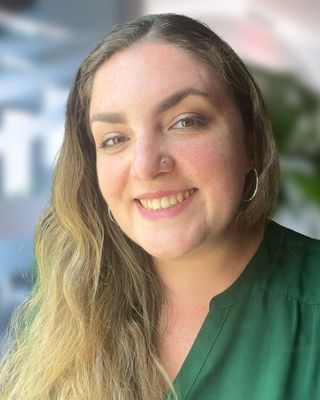
Hosted by Kelsey Donohue, LCSW
Clinical Social Work/Therapist, LCSW
Verified Verified
Group meets in Clifton Park, NY 12065
A group for women between 21 to 29 that want to talk in an open and supportive environment with other young women going through similar issues, from the comfort of your own home. Each week will have a different focus ...
NOW ACCEPTING FIRST RESPONDERS AND THOSE IMPACTED BY COVID-19: Our trauma specialist, Kathleen Hoffman-Hart, offers half-day and full-day trauma intensive retreats, online, for a self-pay fee. These retreats allow clients to engage in trauma-related work for consecutive days, which can ...

Hosted by CommonSense Wellness Network, IPA, LLC
Counselor
Verified Verified
Group meets in Clifton Park, NY 12065
NOW ACCEPTING FIRST RESPONDERS AND THOSE IMPACTED BY COVID-19: Our trauma specialist, Kathleen Hoffman-Hart, offers half-day and full-day trauma intensive retreats, online, for a self-pay fee. These retreats allow clients to engage in trauma-related work for consecutive days, which can ...
This will be a virtual group for those seeking to improve their relationship with their self and their body, in a safe, supportive space.
Hosted by Kelsey Donohue, LCSW
Clinical Social Work/Therapist, LCSW
Verified Verified
Group meets in Clifton Park, NY 12065
This will be a virtual group for those seeking to improve their relationship with their self and their body, in a safe, supportive space.
More Groups Nearby
No Groups Currently (2022): Adolescent females with Downs Syndrome, Autism SD, FAS, ADHD, etc. We will meet weekly for 4 weeks to develop social skills. Activities include role playing, fun(ny) social skills education, and discussion formats. Group will be adaptable ...
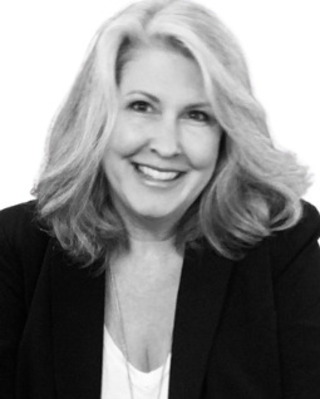
Hosted by Beth Ehrichs
Clinical Social Work/Therapist, LCSW
Verified Verified
Group meets in Ballston Lake, NY 12019
No Groups Currently (2022): Adolescent females with Downs Syndrome, Autism SD, FAS, ADHD, etc. We will meet weekly for 4 weeks to develop social skills. Activities include role playing, fun(ny) social skills education, and discussion formats. Group will be adaptable ...
No Groups 2022. Hey moms! Are you feeling alone in your parenting struggles of a neuro-atypical kid? Need some guidance and/or emotional support? This group is for you! Join our new group with other moms who are living it too. ...
Hosted by Beth Ehrichs
Clinical Social Work/Therapist, LCSW
Verified Verified
Group meets in Ballston Lake, NY 12019
No Groups 2022. Hey moms! Are you feeling alone in your parenting struggles of a neuro-atypical kid? Need some guidance and/or emotional support? This group is for you! Join our new group with other moms who are living it too. ...
This group, for women, is a place to share personal growth challenges around food. It aims to encourage, promote changes in eating, and how we relate to food. It attempts to answer the WHY we overeat, and addictions to food, ...
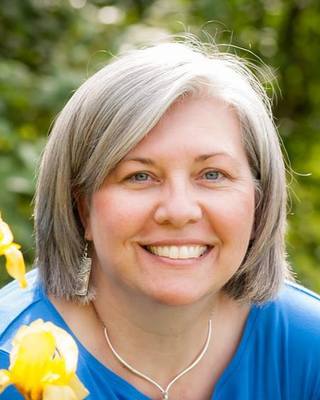
Hosted by Nanette J Eddy
Counselor, MEd, LMHC
Verified Verified
Group meets in Burnt Hills, NY 12027
This group, for women, is a place to share personal growth challenges around food. It aims to encourage, promote changes in eating, and how we relate to food. It attempts to answer the WHY we overeat, and addictions to food, ...
The “EVOLIFE BREAKFAST CLUB” is a therapist led topical discussion group. Through a facilitated exploration of both classic theories and cutting-edge concepts in the realms of psychology, neuroscience, and human behavior. Here we connect and grow along side of likeminded ...
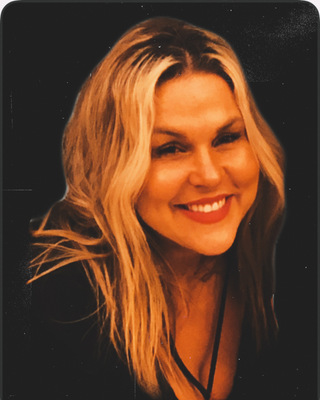
Hosted by Claire Wieman, LCSW, Evo-Life, PLLC
Clinical Social Work/Therapist, LCSW, PLLC
Verified Verified
Group meets in Ballston Lake, NY 12019
The “EVOLIFE BREAKFAST CLUB” is a therapist led topical discussion group. Through a facilitated exploration of both classic theories and cutting-edge concepts in the realms of psychology, neuroscience, and human behavior. Here we connect and grow along side of likeminded ...
Teens will utilize DBT to learn about and increase tolerance for distress, emotion regulation, and interpersonal effectiveness skills. Each teen will walk away with a collection of various favorite and healthy tools to use when feeling anxious, panicky, or distressed.

Hosted by Shyla A. Dauria
Counselor, LMHC, NCC, CASAC
Verified Verified
Group meets in Colonie, NY 12205
Teens will utilize DBT to learn about and increase tolerance for distress, emotion regulation, and interpersonal effectiveness skills. Each teen will walk away with a collection of various favorite and healthy tools to use when feeling anxious, panicky, or distressed.
Life with a narcissist is nightmarish. Classic signs are grandiosity, lack of empathy, an inflated sense of one’s own importance and an obsession with control. Dreams that the narcissist can change is akin to the statue of liberty rising and ...

Hosted by Barbara L Freedman
Clinical Social Work/Therapist, MSW, LCSW
Verified Verified
Group meets in Albany, NY 12205
Life with a narcissist is nightmarish. Classic signs are grandiosity, lack of empathy, an inflated sense of one’s own importance and an obsession with control. Dreams that the narcissist can change is akin to the statue of liberty rising and ...
Tuesdays from 9:00AM to 12:00PM. Trauma Sensitive Yoga and Trauma Informed Care activities. Saturdays from 9:00AM to 11:00 AM Community Group. Only allowed to clients who are receiving somatic therapy.
Hosted by Ilse Jimenez
Counselor, LPC, EMDR, Somatic, Psyched, Spanish
Verified Verified
Group meets in Troy, NY 12180
Tuesdays from 9:00AM to 12:00PM. Trauma Sensitive Yoga and Trauma Informed Care activities. Saturdays from 9:00AM to 11:00 AM Community Group. Only allowed to clients who are receiving somatic therapy.
A women's support group for emotional healing. A safe place for individuals who are dealing with painful and often overwhelming emotions after a partner's betrayal. Coming together for purposes of gaining strength, insight and mutual support, this group is well-suited ...
Hosted by Jo Anne Mitchum
Marriage & Family Therapist, LMFT
Verified Verified
Group meets in Latham, NY 12110
A women's support group for emotional healing. A safe place for individuals who are dealing with painful and often overwhelming emotions after a partner's betrayal. Coming together for purposes of gaining strength, insight and mutual support, this group is well-suited ...
Nurse Practitioners who specialize in Mental Health and Psychiatry. Medication and therapeutic modalities.
Hosted by Laurie Pollard
Psychiatric Nurse Practitioner, NPP, BC
Verified Verified
Group meets in Latham, NY 12110
Nurse Practitioners who specialize in Mental Health and Psychiatry. Medication and therapeutic modalities.
This group is for women who are experiencing emotional difficulies after terminating a pregnancy. Issues of grief,loss, and PTSD symptoms are taught and discussed. Other topics of importance to group members are covered as well. Group is educational, therapeutic, and ...

Hosted by Laura M Connell
Counselor, MA, LMHC
Verified Verified
Group meets in Albany, NY 12205
This group is for women who are experiencing emotional difficulies after terminating a pregnancy. Issues of grief,loss, and PTSD symptoms are taught and discussed. Other topics of importance to group members are covered as well. Group is educational, therapeutic, and ...
Would you like to cope more effectively with intense emotions and/or relationship struggles? This group is focused upon the reduction of self-destructive behaviors and learning new adaptive, healthy ways to manage painful emotions. It will utilize CBT, DBT, and ACT ...
Hosted by Heidi R. Wright
Psychologist, PsyD
Verified Verified
Group meets in Cohoes, NY 12047
Would you like to cope more effectively with intense emotions and/or relationship struggles? This group is focused upon the reduction of self-destructive behaviors and learning new adaptive, healthy ways to manage painful emotions. It will utilize CBT, DBT, and ACT ...
A dynamic group designed for women looking for their "next step" of support to enhance the growth they have accomplished through individual psychotherapy. Utilizing yoga, expressive arts, group sharing; participants will find a safe haven to come home to their ...

Hosted by Catherine Gayron
Clinical Social Work/Therapist, LCSW
Verified Verified
Group meets in Latham, NY 12110
A dynamic group designed for women looking for their "next step" of support to enhance the growth they have accomplished through individual psychotherapy. Utilizing yoga, expressive arts, group sharing; participants will find a safe haven to come home to their ...
The Healthy Living Group class is a series of 8 classes (1.5 hours each class) that will guide you to become healthier by addressing disease, depression, discomfort, heartbreak, low-energy and nutrition. The program helps you to repair, restore and live ...
Hosted by Lisamarie Tersigni
CCHC, INHC, AADP, CBT , PLRT
Verified Verified
Group meets in Troy, NY 12180
The Healthy Living Group class is a series of 8 classes (1.5 hours each class) that will guide you to become healthier by addressing disease, depression, discomfort, heartbreak, low-energy and nutrition. The program helps you to repair, restore and live ...
One of the more pervasive issues that can result from trauma is Borderline Personality Disorder (BPD). The Borderline Experience can be very difficult for so many as they struggle with dissociation, extreme mood and affect dysreulation, getting stuck in the ...
Hosted by Identities Counseling
Clinical Social Work/Therapist, LCSW
Verified Verified
Group meets in Colonie, NY 12205
One of the more pervasive issues that can result from trauma is Borderline Personality Disorder (BPD). The Borderline Experience can be very difficult for so many as they struggle with dissociation, extreme mood and affect dysreulation, getting stuck in the ...
Every Saturday, Maya Moon host a community mindfulness group. Group consists on assigned activities where the client learns to regulate nervous system activation. On Mondays, Trauma Sensitive Yoga available.
Hosted by Ilse Jimenez
Counselor, LPC, EMDR, Somatic, Psyched, Spanish
Verified Verified
Group meets in Troy, NY 12180
Every Saturday, Maya Moon host a community mindfulness group. Group consists on assigned activities where the client learns to regulate nervous system activation. On Mondays, Trauma Sensitive Yoga available.
The Healthy Living Group class is a series of 8 classes (1.5 hours each class) that will guide you to become healthier by addressing disease, depression, discomfort, heartbreak, low-energy and nutrition. The program helps you to repair, restore and live ...
Hosted by Lisamarie Tersigni
CCHC, INHC, AADP, CBT , PLRT
Verified Verified
Group meets in Troy, NY 12180
The Healthy Living Group class is a series of 8 classes (1.5 hours each class) that will guide you to become healthier by addressing disease, depression, discomfort, heartbreak, low-energy and nutrition. The program helps you to repair, restore and live ...
Meeting for combat veterans suffering from PTSD
Hosted by Andrew S Berry
Psychologist, PhD, PsyD, ABPP
Verified Verified
Group meets in Niskayuna, NY 12309
Meeting for combat veterans suffering from PTSD
See more therapy options for Clifton Park


Nearby Searches for Clifton Park
See More Support GroupsFAQs - About Group Therapy and Support Groups
How can I find a support group in Clifton Park?
Search for nearby support groups by inputting your city, zip code, or the name of the group into the search bar. From there, you can filter to find a group that suits your needs, whether you are looking for support for a teenager, a group that focuses on a specific issue, such as depression, or a particular program type, such as one geared toward developing social skills. To navigate between locations within the same country, enter a new city or zip code into the search bar.
How does group therapy work?
Therapy groups are led by one or more therapists and serve to help people process their experiences and learn from others who understand their challenges firsthand. They can be based on a specific issue, such as addiction, grief, physical illnesses, parenting, and caregiving. They can involve a specific type of program or therapy, such as a social skills group or CBT group. They can also be specific to a particular population or community, such as teens or LGBTQ.
Support groups, like Alcoholics Anonymous, also focus on a specific issue, but are typically led by members with lived experiences and are less structured than therapy groups. Most therapy groups will meet for a fixed length of time with a consistent group of members, while many support groups meet for an indefinite period of time with members coming and going.
Support groups, like Alcoholics Anonymous, also focus on a specific issue, but are typically led by members with lived experiences and are less structured than therapy groups. Most therapy groups will meet for a fixed length of time with a consistent group of members, while many support groups meet for an indefinite period of time with members coming and going.
What are the benefits of group therapy?
Support groups help connect people with shared challenges or physical and mental health conditions. In a group setting, participants can receive support and feedback from peers and can acquire new skills, strategies and perspectives by listening to one another. Discussing your experience with someone who also has a cancer diagnosis, or whose son also struggles with addiction, for example, can help you feel less alone, reduce distress, find empathy and connection, and learn practical or medical information that has helped others. Group therapy can also be a more affordable option than individual therapy and just as effective.
Is group therapy as effective as individual therapy?
Support groups can be deeply valuable for both emotional support and/or treatment outcomes. It’s difficult to make a blanket statement on efficacy due to the many different types of support groups and conditions treated, but group therapy has been found to be just as effective as individual therapy in establishing long-term abstinence for conditions such as substance abuse, addiction and alcohol abuse.
How much does group therapy cost?
Group counseling is typically less expensive than individual counseling, with each session costing on average between $60 to $75. Meanwhile, individual therapy sessions can run anywhere from $100 to $200 and up, even after insurance. It is possible to find low-cost group therapy options and many therapists offer group sessions free of charge.
Does insurance cover group therapy?
As with individual therapy, many insurance companies do offer coverage for group therapy sessions. However, the coverage varies based on your insurance plan details and whether you choose an in-network or out-of-network mental healthcare provider. Individuals are encouraged to check with their insurance providers to verify coverage.
How long does group therapy last?
The length of a support group session is often one hour but can fall anywhere between 45 minutes and two hours. The amount of time that people remain in a support group varies based on their specific needs and goals and the type of therapy. Some individuals may seek a shorter-term group, such as a bereavement group, that may last between six and 20 weeks. Some may seek a longer-term group that lasts for a year or indefinitely.
What are the limitations of support groups?
Support groups have many benefits, but there are a few limitations as well. Support groups do not constitute formal therapeutic or medical treatment, and are not run by licensed mental health professionals, so some people may opt for group therapy or individual therapy instead. Additionally, support groups can depend on the other participants, so a disruptive individual has the potential to mar the group dynamic, and the anecdotal information shared may sometimes be unhelpful or inaccurate. Because it is a group setting, confidentiality can be more difficult to guard and participants receive less personalized attention than they would in an individual therapy session.