Come be in community and join the online North Carolina Polyamory Support Group! This 6 week group (starts 10/3) is for anyone exploring or navigating ethical non-monogamy. We will explore experiences of and skills for managing jealousy, maintaining boundaries, supporting ...
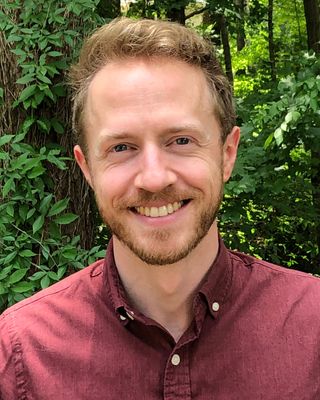
Hosted by Jonah Woodsong Leslie
Lic Clinical Mental Health Counselor Associate, LCMHCA, MS
Verified Verified
Group meets in Chapel Hill, NC 27514
Come be in community and join the online North Carolina Polyamory Support Group! This 6 week group (starts 10/3) is for anyone exploring or navigating ethical non-monogamy. We will explore experiences of and skills for managing jealousy, maintaining boundaries, supporting ...
This small, recurring group will focus on analysis and discussion of participants' dreams, with plenty of time for Q&A about the dream analysis process itself, the role of symbols and archetypes, and the Jungian approach generally. Limited to 6 participants. ...

This small, recurring group will focus on analysis and discussion of participants' dreams, with plenty of time for Q&A about the dream analysis process itself, the role of symbols and archetypes, and the Jungian approach generally. Limited to 6 participants. ...
All relationships take work. Hopefully, your relationship also brings you joy. This workshop will explore ways to find balance in your relationship, understand your partner more fully, improve intimacy, and explore what brings you joy. We hope that you will ...

Hosted by Phillip Bass
Counselor, MDiv, ThM, MA, LCMHC, NCC
Verified Verified
Group meets in Chapel Hill, NC 27514
All relationships take work. Hopefully, your relationship also brings you joy. This workshop will explore ways to find balance in your relationship, understand your partner more fully, improve intimacy, and explore what brings you joy. We hope that you will ...
The purpose of this virtual group is to relieve feelings of isolation by connecting with others through sharing & listening. By affirming that you are not alone in your struggles, you find your inner strength and open the path towards ...
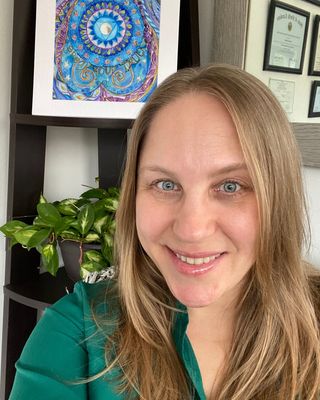
Hosted by Grow Heal Love, inc
Clinical Social Work/Therapist, LCSW, LCAS, PMH-C
Verified Verified
Group meets in Chapel Hill, NC 27517
The purpose of this virtual group is to relieve feelings of isolation by connecting with others through sharing & listening. By affirming that you are not alone in your struggles, you find your inner strength and open the path towards ...
This virtual skills group for adults meets weekly on Thursdays from 12:00-1:00 pm and is currently open to new members. Our focus is on learning and practicing Dialectical Behavioral Therapy skills to increase mindfulness, improve the quality of our relationships, ...
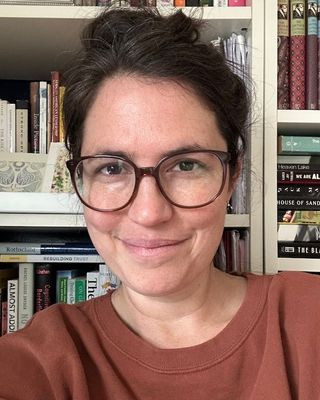
Hosted by Anne Olivar
Clinical Social Work/Therapist, MSW, LCSW
Verified Verified
Group meets in Chapel Hill, NC 27514
This virtual skills group for adults meets weekly on Thursdays from 12:00-1:00 pm and is currently open to new members. Our focus is on learning and practicing Dialectical Behavioral Therapy skills to increase mindfulness, improve the quality of our relationships, ...
Wellness/weight loss group using relaxation/guided imagery to reduce or remove triggers that contribute to over eating.Four meetings beginning on June 14 (Thursday). Includes interactive workbook and CD. Minimum of 5 members, maximun of 10

Hosted by Charlotte Counseling and Therapy
Licensed Professional Counselor, EdD, SCLPC, NCLPC, NCC, AAETS
Verified Verified
Group meets in Hillsborough, NC 27278
Wellness/weight loss group using relaxation/guided imagery to reduce or remove triggers that contribute to over eating.Four meetings beginning on June 14 (Thursday). Includes interactive workbook and CD. Minimum of 5 members, maximun of 10

Hosted by Chapel Hill Art Therapy-Uli Schempp
Licensed Professional Counselor, ATR-BC, LCMHC, LCAT
Verified Verified
Group meets in Carrboro, NC 27510
Learn to improve your relationship with yourself and others, enhance your decision-making abilities, and relate to others in a healthy, fulfilling manner.

Learn to improve your relationship with yourself and others, enhance your decision-making abilities, and relate to others in a healthy, fulfilling manner.
Community group that focuses on self-empowerment and self-healing techniques in a supportive soul-mind-body process. Group includes a variety of meditation practices and mind-body skills. It is offered as a community service to help those who are looking for connection and ...

Hosted by Susanne Kaiser
Licensed Clinical Mental Health Counselor, MA, LCMHC, NCC, CCMHC
Verified Verified
Group meets in Carrboro, NC 27510
Community group that focuses on self-empowerment and self-healing techniques in a supportive soul-mind-body process. Group includes a variety of meditation practices and mind-body skills. It is offered as a community service to help those who are looking for connection and ...
LBGTQIA+ affirming and Trauma Informed therapists who invite clients to BE BOLD in claiming the quality and character of their lives. BEing BOLD takes courage. We offer services to all persons.
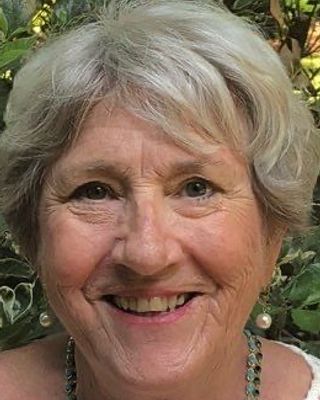
Hosted by Mary Caldwell-Pineda
Marriage & Family Therapist, MA,LMFT
Verified Verified
Group meets in Chapel Hill, NC 27514
LBGTQIA+ affirming and Trauma Informed therapists who invite clients to BE BOLD in claiming the quality and character of their lives. BEing BOLD takes courage. We offer services to all persons.
ACCEPTING NAMES TO BEGIN SOON: The Balance Group offers a safe place for people with binge eating disorder and/or emotional overeating to learn about the role that food is playing in their life and the skills needed to change it. ...
Hosted by Colie Taico
Clinical Social Work/Therapist, MSW, LCSW
Verified Verified
Group meets in Chapel Hill, NC 27516
ACCEPTING NAMES TO BEGIN SOON: The Balance Group offers a safe place for people with binge eating disorder and/or emotional overeating to learn about the role that food is playing in their life and the skills needed to change it. ...
Group offers an opportunity to connect with others, cultivate change, and be safely challenged. Common themes include: divorce, loneliness, communication and emotional vulnerability, grief, anger, and meaning and purpose. Recruiting for group to begin March 2024, contact to express interest.

Hosted by Tessa Permut
Licensed Professional Counselor, PhD, LPC, LCAS-A
Verified Verified
Group meets in Chapel Hill, NC 27514
Group offers an opportunity to connect with others, cultivate change, and be safely challenged. Common themes include: divorce, loneliness, communication and emotional vulnerability, grief, anger, and meaning and purpose. Recruiting for group to begin March 2024, contact to express interest.
This is an ongoing virtual divorce support group for women. Each 8-week group focuses on psycho-education, empathy and compassion to support women who are going through the divorce process or are on the other side of divorce. Grief, loss, learning ...
Hosted by Claire Steinmetz Stuebe
Licensed Clinical Mental Health Counselor, LCMHC
Verified Verified
Group meets in Chapel Hill, NC 27514
This is an ongoing virtual divorce support group for women. Each 8-week group focuses on psycho-education, empathy and compassion to support women who are going through the divorce process or are on the other side of divorce. Grief, loss, learning ...
Every 3rd Saturday of the month we gather on the front porch of the Cedar Walk Wellness Center from 9-10am. The group is open to all. We typically begin with a poetry reading followed by 10-15 minutes of shared silence. ...
Hosted by Joe Gilbert
Licensed Clinical Mental Health Counselor, LCMHC, CMMT
Verified Verified
Group meets in Hillsborough, NC 27278
Every 3rd Saturday of the month we gather on the front porch of the Cedar Walk Wellness Center from 9-10am. The group is open to all. We typically begin with a poetry reading followed by 10-15 minutes of shared silence. ...
Are you highly sensitive? Meet with a group of other highly sensitive individuals and learn more about how to access this tendency as a strength, as well as how to manage the challenges. To learn more about HSP's, go to ...
Hosted by Sacred Listener
Counselor, MA, LCMHC
Verified Verified
Group meets in Chapel Hill, NC 27514
Are you highly sensitive? Meet with a group of other highly sensitive individuals and learn more about how to access this tendency as a strength, as well as how to manage the challenges. To learn more about HSP's, go to ...
Learn to meditate in a relaxed and interactive 4 week class taught by me and Bree Kalb. This introductory class provides guidance and structure to help you develop and sustain a regular meditation practice. The class will take place on ...
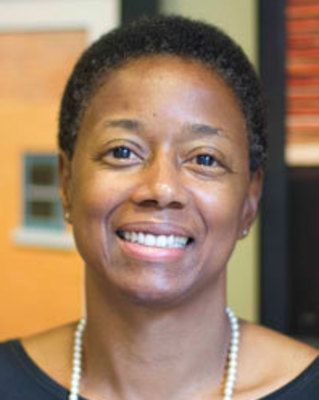
Hosted by Jean Hamilton
Clinical Social Work/Therapist, MSW, LCSW
Verified Verified
Group meets in Chapel Hill, NC 27514
Learn to meditate in a relaxed and interactive 4 week class taught by me and Bree Kalb. This introductory class provides guidance and structure to help you develop and sustain a regular meditation practice. The class will take place on ...
DBT skills classes for adolescents ages 14-18

Hosted by Scout Counseling Services
Clinical Social Work/Therapist, MSW, LCSW
Verified Verified
Group meets in Carrboro, NC 27510
DBT skills classes for adolescents ages 14-18
The loss of a loved one can be devastating. Sometimes it might feel like you’re isolated on this island while others around you are able to continue on with their lives. It’s important to know that you are not alone. ...
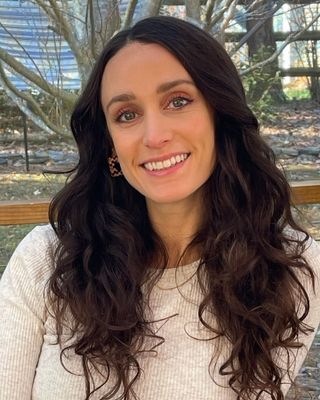
Hosted by Emdr Therapy Paige Mauceri
Clinical Social Work/Therapist, MSW, LCSW
Verified Verified
Group meets in Carrboro, NC 27510
The loss of a loved one can be devastating. Sometimes it might feel like you’re isolated on this island while others around you are able to continue on with their lives. It’s important to know that you are not alone. ...

Hosted by Toni Rabinowitz
Marriage & Family Therapist, PhD, LMFT
Verified Verified
Group meets in Chapel Hill, NC 27514
I conduct Expressive Arts groups to promote personal growth and insights. Specific techniques may be Touch Drawing, collage, sand tray, etc. These are not therapy groups as such, so they are fee-based rather than paid by insurance.

Hosted by Marilyn L Grubbs
Licensed Professional Counselor, MA, LCMHC, NCC
Verified Verified
Group meets in Chapel Hill, NC 27514
I conduct Expressive Arts groups to promote personal growth and insights. Specific techniques may be Touch Drawing, collage, sand tray, etc. These are not therapy groups as such, so they are fee-based rather than paid by insurance.
See more therapy options for Orange County


FAQs - About Group Therapy and Support Groups
How can I find a support group in Orange County?
Search for nearby support groups by inputting your city, zip code, or the name of the group into the search bar. From there, you can filter to find a group that suits your needs, whether you are looking for support for a teenager, a group that focuses on a specific issue, such as depression, or a particular program type, such as one geared toward developing social skills. To navigate between locations within the same country, enter a new city or zip code into the search bar.
How does group therapy work?
Therapy groups are led by one or more therapists and serve to help people process their experiences and learn from others who understand their challenges firsthand. They can be based on a specific issue, such as addiction, grief, physical illnesses, parenting, and caregiving. They can involve a specific type of program or therapy, such as a social skills group or CBT group. They can also be specific to a particular population or community, such as teens or LGBTQ.
Support groups, like Alcoholics Anonymous, also focus on a specific issue, but are typically led by members with lived experiences and are less structured than therapy groups. Most therapy groups will meet for a fixed length of time with a consistent group of members, while many support groups meet for an indefinite period of time with members coming and going.
Support groups, like Alcoholics Anonymous, also focus on a specific issue, but are typically led by members with lived experiences and are less structured than therapy groups. Most therapy groups will meet for a fixed length of time with a consistent group of members, while many support groups meet for an indefinite period of time with members coming and going.
What are the benefits of group therapy?
Support groups help connect people with shared challenges or physical and mental health conditions. In a group setting, participants can receive support and feedback from peers and can acquire new skills, strategies and perspectives by listening to one another. Discussing your experience with someone who also has a cancer diagnosis, or whose son also struggles with addiction, for example, can help you feel less alone, reduce distress, find empathy and connection, and learn practical or medical information that has helped others. Group therapy can also be a more affordable option than individual therapy and just as effective.
Is group therapy as effective as individual therapy?
Support groups can be deeply valuable for both emotional support and/or treatment outcomes. It’s difficult to make a blanket statement on efficacy due to the many different types of support groups and conditions treated, but group therapy has been found to be just as effective as individual therapy in establishing long-term abstinence for conditions such as substance abuse, addiction and alcohol abuse.
How much does group therapy cost?
Group counseling is typically less expensive than individual counseling, with each session costing on average between $60 to $75. Meanwhile, individual therapy sessions can run anywhere from $100 to $200 and up, even after insurance. It is possible to find low-cost group therapy options and many therapists offer group sessions free of charge.
Does insurance cover group therapy?
As with individual therapy, many insurance companies do offer coverage for group therapy sessions. However, the coverage varies based on your insurance plan details and whether you choose an in-network or out-of-network mental healthcare provider. Individuals are encouraged to check with their insurance providers to verify coverage.
How long does group therapy last?
The length of a support group session is often one hour but can fall anywhere between 45 minutes and two hours. The amount of time that people remain in a support group varies based on their specific needs and goals and the type of therapy. Some individuals may seek a shorter-term group, such as a bereavement group, that may last between six and 20 weeks. Some may seek a longer-term group that lasts for a year or indefinitely.
What are the limitations of support groups?
Support groups have many benefits, but there are a few limitations as well. Support groups do not constitute formal therapeutic or medical treatment, and are not run by licensed mental health professionals, so some people may opt for group therapy or individual therapy instead. Additionally, support groups can depend on the other participants, so a disruptive individual has the potential to mar the group dynamic, and the anecdotal information shared may sometimes be unhelpful or inaccurate. Because it is a group setting, confidentiality can be more difficult to guard and participants receive less personalized attention than they would in an individual therapy session.