Support Groups in Rockford, MI
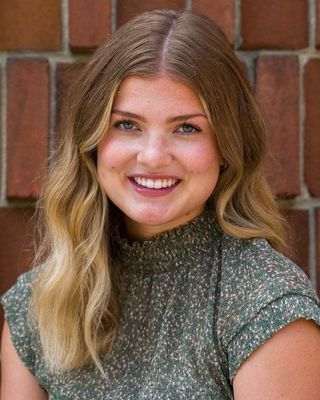
A 6-week small group (6–10 people max). A Mental & Nervous System Training Intensive to lower your anxiety symptoms and help you regain control over your mind and body!

Hosted by Cristina P Dunahoo
Licensed Professional Counselor, LPC, CAADC, EMDR
Group meets in Rockford, MI 49341
A 6-week small group (6–10 people max). A Mental & Nervous System Training Intensive to lower your anxiety symptoms and help you regain control over your mind and body!

More Groups Nearby
Grief is not something we move through alone. This group provides space for both personal reflection and shared understanding. It is an ongoing weekly group. A two-month commitment is required, followed by two final sessions to support intentional ending and processing of the group experience. In our time together, we attend to the many ways grief can show up—emotionally, physically, relationally, and in everyday life. Over time, the group can offer a sense of connection, reduce isolation, and support a more integrated relationship with grief as it continues to unfold.

Grief is not something we move through alone. This group provides space for both personal reflection and shared understanding. It is an ongoing weekly group. A two-month commitment is required, followed by two final sessions to support intentional ending and processing of the group experience. In our time together, we attend to the many ways grief can show up—emotionally, physically, relationally, and in everyday life. Over time, the group can offer a sense of connection, reduce isolation, and support a more integrated relationship with grief as it continues to unfold.
Hungerwise is based on extensive clinical experience and the most up to date science about nutrition and weight. The goals of the program are to help people find a healthy, stable relationship with food, weight and movement, and put an end to obsessive thinking about their body. Each week small groups meet to discuss one of the Hungerwise steps in the provided workbook, troubleshoot, and offer each other support and encouragement. Jen DiGennaro, psychotherapist and owner of Nourished Energy, guides the group through the steps and creates community around stepping out of diet culture and stepping into your body.

Hosted by Jennifer DiGennaro
Licensed Professional Counselor, MA, LPC
Group meets in Grand Rapids, MI 49506
Hungerwise is based on extensive clinical experience and the most up to date science about nutrition and weight. The goals of the program are to help people find a healthy, stable relationship with food, weight and movement, and put an end to obsessive thinking about their body. Each week small groups meet to discuss one of the Hungerwise steps in the provided workbook, troubleshoot, and offer each other support and encouragement. Jen DiGennaro, psychotherapist and owner of Nourished Energy, guides the group through the steps and creates community around stepping out of diet culture and stepping into your body.
Parent Class and separate C-DBT Skills Groups for parents and children together. There is one group for children (7-9 years old) and one for tweens (10-13 years old).

Hosted by Adolescent & Family Behavioral Health Services
Treatment Center, PhD
Group meets in Grand Rapids, MI 49546
Parent Class and separate C-DBT Skills Groups for parents and children together. There is one group for children (7-9 years old) and one for tweens (10-13 years old).
An online group for woman who have decided not to have children. We focus on life outside of parenthood.
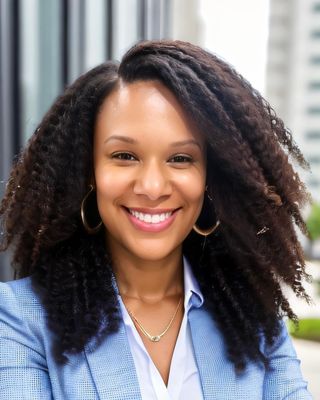
Hosted by Dr. Patricia Keller
Licensed Professional Counselor, PhD, LPC, NCC, ACS, EMDR
Group meets in Grand Rapids, MI 49505
An online group for woman who have decided not to have children. We focus on life outside of parenthood.
This group follows the Adolescent DBT model. It is offered as a hybrid with an in-person and virtual option.

Hosted by Selina M Engle-Gross
Clinical Social Work/Therapist, LMSW, C-DBT
Group meets in Grand Rapids, MI 49546
This group follows the Adolescent DBT model. It is offered as a hybrid with an in-person and virtual option.
Serving individuals, families and couples of all ages. Integrative practices including: Cognitive Behavioral Therapy, Anxiety/Depression, Family Issues/Marital Struggles, LGTBQ Community, Play Therapy, EMDR/Trauma, Substance Abuse, Meditation, Mindfulness, and Yoga Therapy.

Hosted by Ann Bixler
Licensed Professional Counselor, LPC, LLP, ICAADC, RPT-S
Group meets in Grand Rapids, MI 49546
Serving individuals, families and couples of all ages. Integrative practices including: Cognitive Behavioral Therapy, Anxiety/Depression, Family Issues/Marital Struggles, LGTBQ Community, Play Therapy, EMDR/Trauma, Substance Abuse, Meditation, Mindfulness, and Yoga Therapy.
DE Behavioral Health is a compassionate, skilled behavioral health provider in West Michigan. Our experienced psychologists, behavior analysts, and counselors are dedicated to families in the midst of behavioral, emotional, and developmental challenges. We serve children and families seeking psychotherapy for a wide range of concerns, diagnostic assessment for children and adults, and behavior analysis treatment, all with expertise with neurodevelopmental differences such as ADHD and autism. We’re not about just treating symptoms - we embrace your child’s development, strengths, and even their quirks. We work to ensure our treatments align with your real-life goals and daily routines.

Hosted by Developmental Enhancement Behavioral Health
Treatment Center, PhD
Group meets in Grand Rapids, MI 49546
DE Behavioral Health is a compassionate, skilled behavioral health provider in West Michigan. Our experienced psychologists, behavior analysts, and counselors are dedicated to families in the midst of behavioral, emotional, and developmental challenges. We serve children and families seeking psychotherapy for a wide range of concerns, diagnostic assessment for children and adults, and behavior analysis treatment, all with expertise with neurodevelopmental differences such as ADHD and autism. We’re not about just treating symptoms - we embrace your child’s development, strengths, and even their quirks. We work to ensure our treatments align with your real-life goals and daily routines.
Psychologists have long noted that the way we tell our stories can dictate our mental well-being. By externalizing our experiences and sharing them with a supportive group, we can shift from being "victims" of our circumstances to being the authors of our futures. Discover how to rewrite the stories of your past, build an empowered future alongside a supportive community, and discover the universal threads that connect us all.

Psychologists have long noted that the way we tell our stories can dictate our mental well-being. By externalizing our experiences and sharing them with a supportive group, we can shift from being "victims" of our circumstances to being the authors of our futures. Discover how to rewrite the stories of your past, build an empowered future alongside a supportive community, and discover the universal threads that connect us all.
At Beyond the Couch Counseling in Grand Rapids, MI, we believe real healing happens when therapy extends beyond the session—into the everyday moments where you live, work, and grow. Our compassionate, experienced therapists are here to help you navigate life’s challenges with clarity and confidence. We provide personalized care using evidence-based approaches like Acceptance and Commitment Therapy (ACT), Cognitive Behavioral Therapy (CBT), Exposure and Response Prevention (ERP), EMDR, and mindfulness-based therapies. If you’re looking for meaningful change, our Grand Rapids therapists are here to support you every step of the way.

Hosted by Andrew Schmidl
Licensed Master Social Worker, LMSW-C, CAADC
Group meets in Grand Rapids, MI 49505
At Beyond the Couch Counseling in Grand Rapids, MI, we believe real healing happens when therapy extends beyond the session—into the everyday moments where you live, work, and grow. Our compassionate, experienced therapists are here to help you navigate life’s challenges with clarity and confidence. We provide personalized care using evidence-based approaches like Acceptance and Commitment Therapy (ACT), Cognitive Behavioral Therapy (CBT), Exposure and Response Prevention (ERP), EMDR, and mindfulness-based therapies. If you’re looking for meaningful change, our Grand Rapids therapists are here to support you every step of the way.
Everyone has a story to tell. Trauma, especially in childhood, can steal a person’s voice and push people to hide their story. Finding a way to own and to express this story can be a powerful step in building resilience from trauma. However, because music can be such a great tool, as well, we have a jam session at the beginning and end of each session.

Everyone has a story to tell. Trauma, especially in childhood, can steal a person’s voice and push people to hide their story. Finding a way to own and to express this story can be a powerful step in building resilience from trauma. However, because music can be such a great tool, as well, we have a jam session at the beginning and end of each session.
Empowered Parenting Skills Workshop Overview: This parenting skills workshop will provide psychoeducation and skill development to support parents/caregivers as they address the emotional/behavioral needs of their children through holistic interventions, strength-based techniques, and a trauma-informed lens. Learning additional skills from a strength-based perspective that focuses on education, empowerment, and collaboration. The goal is to use this framework and workshop to help nurture and strengthen healthy, resilient families.

Hosted by Trauma Informed Counseling Center of Grand Rapids
Licensed Professional Counselor, LPC, LMSW, LMFT, LLP
Group meets in Grand Rapids, MI 49546
Empowered Parenting Skills Workshop Overview: This parenting skills workshop will provide psychoeducation and skill development to support parents/caregivers as they address the emotional/behavioral needs of their children through holistic interventions, strength-based techniques, and a trauma-informed lens. Learning additional skills from a strength-based perspective that focuses on education, empowerment, and collaboration. The goal is to use this framework and workshop to help nurture and strengthen healthy, resilient families.
DBT, or Dialectical Behavior Therapy, is an evidence-based cognitive-behavioral treatment that teaches skills to reduce emotional suffering and improve relationships we have with ourselves and others. Led by licensed therapists trained in DBT, this group provides a space for adults (ages 18 and up) to meet weekly and gain skills in four areas: Mindfulness, Distress Tolerance, Emotion Regulation, Interpersonal Effectiveness. interested in joining? To learn more, call our main office, visit our website, HealthForLifeGR.com, 616.200.4433

Hosted by Trauma Informed Counseling Center of Grand Rapids
Licensed Professional Counselor, LPC, LMSW, LMFT, LLP
Group meets in Grand Rapids, MI 49546
DBT, or Dialectical Behavior Therapy, is an evidence-based cognitive-behavioral treatment that teaches skills to reduce emotional suffering and improve relationships we have with ourselves and others. Led by licensed therapists trained in DBT, this group provides a space for adults (ages 18 and up) to meet weekly and gain skills in four areas: Mindfulness, Distress Tolerance, Emotion Regulation, Interpersonal Effectiveness. interested in joining? To learn more, call our main office, visit our website, HealthForLifeGR.com, 616.200.4433
Rhea is a trained Advanced Clinical Supervisor for LLPCs to assist their personal and business growth for those seeking hours for licensure. An opportunity to learn various counseling and business skills that will establish personal growth. Rhea cares about the importance of learning and growing professionally. She takes on a mentor role and will assist in learning in various facets.

Hosted by Heart Walk Counseling, LLC
Licensed Professional Counselor, LPC, NCC, ACS
Group meets in Grand Rapids, MI 49525
Rhea is a trained Advanced Clinical Supervisor for LLPCs to assist their personal and business growth for those seeking hours for licensure. An opportunity to learn various counseling and business skills that will establish personal growth. Rhea cares about the importance of learning and growing professionally. She takes on a mentor role and will assist in learning in various facets.
This group is aimed at helping students navigate college life. This will be a safe community for college students to share their experiences with anxiety. Through guided conversations, relaxation techniques, and peer support, participants will learn skills to manage their anxiety. This group will meet virtually weekly and is open for participants to join on an ongoing basis. This group is billed on a sliding scale and the cost is $5-$20 per session. Email Emily at emily.m.gordon@wmich.edu for more information or to sign up.

Hosted by Jennifer L Selent
Marriage & Family Therapist, MA LMFT
Group meets in Grand Rapids, MI 49546
This group is aimed at helping students navigate college life. This will be a safe community for college students to share their experiences with anxiety. Through guided conversations, relaxation techniques, and peer support, participants will learn skills to manage their anxiety. This group will meet virtually weekly and is open for participants to join on an ongoing basis. This group is billed on a sliding scale and the cost is $5-$20 per session. Email Emily at emily.m.gordon@wmich.edu for more information or to sign up.
This is an evidenced based therapy group which works through the stages of grief whether its from a loss due to death or any other reason. Some losses to be considered are: chemical use loss, loss of innocence, loss of childhood or "what should have been" or parental divorce. Individuals work on tailored written assignments between sessions. This group meets once a week for 10 weeks.

Hosted by Catherine A VanDeWege
Clinical Social Work/Therapist, LMSW, CAADC
Group meets in Grand Rapids, MI 49503
This is an evidenced based therapy group which works through the stages of grief whether its from a loss due to death or any other reason. Some losses to be considered are: chemical use loss, loss of innocence, loss of childhood or "what should have been" or parental divorce. Individuals work on tailored written assignments between sessions. This group meets once a week for 10 weeks.
Anger Management Therapy to assist you in controlling your impulses and learning to express yourself authentically.

Anger Management Therapy to assist you in controlling your impulses and learning to express yourself authentically.
Pregnancy can bring excitement—but also restless nights, racing thoughts, and exhaustion. If you’re struggling with sleep, you’re not alone. This Prenatal Insomnia Group offers a safe, supportive space using Mindful-Based CBT-I, the gold standard, non-medication treatment for insomnia. In this structured 5week virtual program, you’ll learn practical skills to improve sleep, calm your mind, and reduce anxiety. We combine evidence-based CBT-I with mindfulness, breathwork, and body-based practices to support your nervous system and overall wellbeing. This group is ideal for pregnant women seeking effective, natural sleep support. Limited spots available.

Hosted by Janet Haughton-Quarshie
Counselor, MA, LLPC, C-IAYT, cHYP
Group meets in Wyoming, MI 49509
Pregnancy can bring excitement—but also restless nights, racing thoughts, and exhaustion. If you’re struggling with sleep, you’re not alone. This Prenatal Insomnia Group offers a safe, supportive space using Mindful-Based CBT-I, the gold standard, non-medication treatment for insomnia. In this structured 5week virtual program, you’ll learn practical skills to improve sleep, calm your mind, and reduce anxiety. We combine evidence-based CBT-I with mindfulness, breathwork, and body-based practices to support your nervous system and overall wellbeing. This group is ideal for pregnant women seeking effective, natural sleep support. Limited spots available.
Biweekly support group for neurodivergent adults (18+)! This group setting offers support for individuals working to navigate this chaotic world with a shared community of those working through unique experiences. Provided is psychoeducation on various topics depending on group needs (social skills, vocational support, emotion regulation, sensory-focused integration, etc...), and offers a space to feel heard and connect with one another. As a neurodivergent individual myself, I integrate a fully neurodiversity-affirming environment to promote safety and engagement in a world that might present otherwise.

Biweekly support group for neurodivergent adults (18+)! This group setting offers support for individuals working to navigate this chaotic world with a shared community of those working through unique experiences. Provided is psychoeducation on various topics depending on group needs (social skills, vocational support, emotion regulation, sensory-focused integration, etc...), and offers a space to feel heard and connect with one another. As a neurodivergent individual myself, I integrate a fully neurodiversity-affirming environment to promote safety and engagement in a world that might present otherwise.
See more therapy options for Rockford
Nearby Searches for Rockford
See More Support Groups FAQs - About Group Therapy and Support Groups
How can I find a support group in Rockford?
To find a support group in your area, start by entering your city, zip code, or the name of the group into the search bar at the top of the page. When searching, consider whether you prefer an in-person or virtual group. This can help you decide how broad your geographic search should be. If you are open to virtual groups, you might want to search by state instead of just your city, especially if there are limited options nearby.
Once you complete your search, you can use the filters to narrow the results by selecting specialties (such as grief, trauma, or eating disorders), therapeutic approaches, age groups, and other criteria to find a group that best fits your needs.
How does group therapy work?
Group therapy is led by one or more trained therapists and provides a space where participants can process their experiences and learn from others facing similar challenges. Groups may focus on a specific issue—such as addiction, grief, physical illnesses, parenting, or caregiving—or they may center around a particular therapeutic approach, such as Cognitive Behavioral Therapy (CBT), social skill development, or Exposure Therapy. Some groups are also designed for specific populations, such as teens, veterans, or LGBTQ+ individuals.
It’s also important to distinguish group therapy from peer-led support groups, like Alcoholics Anonymous. While both can offer valuable support, therapy groups are typically led by licensed professionals and follow a more structured format. Therapy groups often meet for a fixed length of time with a consistent group of members, while many peer support groups meet for an indefinite period of time with members coming and going.
What are the benefits of group therapy?
Group therapy offers several important benefits. It brings together people facing similar challenges—whether related to mental health, physical health, or life transitions—and creates a supportive environment where participants can exchange feedback, share experiences, and learn from one another. Hearing different perspectives can help individuals discover new coping strategies and practical tools they may not have encountered on their own. Sharing personal experiences, such as coping with a serious illness or navigating family struggles, can also reduce feelings of isolation and foster a sense of connection and understanding. In addition to emotional support, group members often gain useful, real-world advice from peers who have faced similar situations.
Group therapy is typically more affordable than individual therapy and, for certain conditions, can be equally effective. Many groups also include structured activities—such as guided journaling, cognitive-behavioral exercises, or role-playing—to help participants develop concrete skills they can apply in daily life.
Is group therapy as effective as individual therapy?
It is difficult to make a blanket statement about the effectiveness of support groups, as they vary widely in focus and the conditions they address. However, support groups can be highly valuable in helping individuals gain emotional support and achieve meaningful treatment outcomes. For certain conditions, such as substance use, research has shown that group therapy can be particularly effective—sometimes just as effective as individual therapy—in supporting long-term recovery.
Many professionals attribute the effectiveness of group therapy to the unique benefits of the group setting, which fosters peer-to-peer learning and a sense of connection through shared experiences. Group settings also offer accountability and encouragement from both facilitators and fellow participants, which helps sustain motivation and supports continued progress. These factors together play a key role in promoting the overall effectiveness of group therapy.
How much does group therapy cost?
Group therapy is typically less expensive than individual therapy, with sessions typically costing between $50 and $75 each. In comparison, individual therapy can cost anywhere from $100 to $200 or more per session, even with insurance. Some therapists or organizations offer low-cost or free group therapy options, particularly through community centers or nonprofit organizations. In some cases, groups may require payment upfront for a set number of sessions, such as paying for six weekly sessions at the first meeting. However, many providers offer payment plans to help make participation more accessible if this upfront payment is required.
Does insurance cover group therapy?
As with individual therapy, insurance coverage for group therapy varies based on factors such as your specific insurance plan, the purpose of the group, your diagnosis, and whether the group provider is in-network. Many insurance plans cover group therapy sessions that address diagnosable mental health conditions, such as substance use disorders, anxiety, or depression.
However, groups that focus on topics not directly tied to a mental health diagnosis—such as parenting support or divorce recovery—are less likely to be covered. Because coverage can vary widely, it’s important to check with your insurance provider before joining a group to confirm whether the sessions will be covered and what out-of-pocket costs you may be responsible for.
How long does group therapy last?
The length of each group therapy session typically ranges from 45 minutes to two hours, depending on the therapy approach, the group’s goals, and how often the group meets. In some cases, group therapy is part of a larger treatment program, such as an Intensive Outpatient Program (IOP), where group sessions complement individual therapy and are scheduled as part of the program’s overall structure.
The duration of participation in a group also varies. Some groups are designed to be short-term, lasting anywhere from 6 to 24 weeks—for example, bereavement groups or skills-based groups like those using Dialectical Behavioral Therapy (DBT). Other groups may be longer-term, lasting a year or more, and some ongoing support groups meet indefinitely, allowing participants to stay as long as they find the group helpful.
What are the limitations of support groups?
Support groups offer many benefits, but they also have certain limitations. Unlike therapy groups, many support groups do not provide formal therapeutic treatment and are not led by licensed mental health professionals. For individuals seeking clinical treatment for specific mental health diagnoses—such as depression, eating disorders, or substance use—individual therapy or group therapy led by a licensed professional may offer more personalized and specialized care.
The effectiveness of a support group also depends heavily on the group’s participants and the overall group dynamic. When members engage respectfully and offer constructive support, the group can foster valuable peer-to-peer learning. However, if certain participants dominate discussions, provide inaccurate advice, or create conflict, it can disrupt the group’s sense of safety and reduce its effectiveness. Confidentiality can also be harder to maintain in support groups, particularly in open groups where participants can join or leave at any time. With new members regularly entering the group, it can be more difficult to build and sustain a consistent sense of trust and privacy.