Support Groups in Grand Rapids, MI
Private Practice

Hosted by Carlee Whitcome
Clinical Social Work/Therapist, LMSW
Group meets in Grand Rapids, MI 49546
Private Practice
At Beyond the Couch Counseling in Grand Rapids, MI, we believe real healing happens when therapy extends beyond the session—into the everyday moments where you live, work, and grow. Our compassionate, experienced therapists are here to help you navigate life’s challenges with clarity and confidence. We provide personalized care using evidence-based approaches like Acceptance and Commitment Therapy (ACT), Cognitive Behavioral Therapy (CBT), Exposure and Response Prevention (ERP), EMDR, and mindfulness-based therapies. If you’re looking for meaningful change, our Grand Rapids therapists are here to support you every step of the way.

Hosted by Andrew Schmidl
Licensed Master Social Worker, LMSW-C, CAADC
Group meets in Grand Rapids, MI 49505
At Beyond the Couch Counseling in Grand Rapids, MI, we believe real healing happens when therapy extends beyond the session—into the everyday moments where you live, work, and grow. Our compassionate, experienced therapists are here to help you navigate life’s challenges with clarity and confidence. We provide personalized care using evidence-based approaches like Acceptance and Commitment Therapy (ACT), Cognitive Behavioral Therapy (CBT), Exposure and Response Prevention (ERP), EMDR, and mindfulness-based therapies. If you’re looking for meaningful change, our Grand Rapids therapists are here to support you every step of the way.
LLPC's who are looking for Group Supervision to obtain their full license as Licensed Professional Counselor. One on One Supervision is also an option.

Hosted by Meghan Elizabeth Cupka
Licensed Professional Counselor, MA, LPC
Group meets in Grand Rapids, MI 49506
LLPC's who are looking for Group Supervision to obtain their full license as Licensed Professional Counselor. One on One Supervision is also an option.
Hybrid Groups (In person and Virtual). Currently Women's Group is Wednesday evenings. All Adult DBT Groups are Monday evenings and Thursday afternoons.
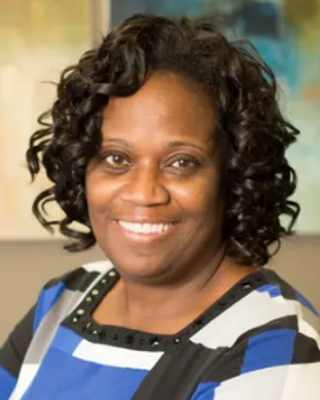
Hosted by Adolescent & Family Behavioral Health Services
Treatment Center, PhD
Group meets in Grand Rapids, MI 49546
Hybrid Groups (In person and Virtual). Currently Women's Group is Wednesday evenings. All Adult DBT Groups are Monday evenings and Thursday afternoons.
A group designed to teach the skills from the DBT treatment model. It is offered as a hybrid with an in-person and virtual option.
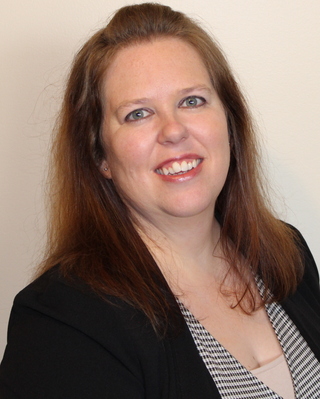
Hosted by Selina M Engle-Gross
Clinical Social Work/Therapist, LMSW, C-DBT
Group meets in Grand Rapids, MI 49546
A group designed to teach the skills from the DBT treatment model. It is offered as a hybrid with an in-person and virtual option.
Cascade Counseling & Recovery is a Michigan-based group counseling practice specializing in anxiety, depression, recovery, relationship stress, and burnout. Our therapists use evidence-based, trauma informed, and holistic approaches to help adults build resilience, reduce distress, and create meaningful change. We provide a safe, supportive space where you can heal, gain clarity, and improve your emotional well-being. Whether you prefer in-person or online counseling, our team is committed to culturally responsive, compassionate care tailored to your goals. If you’re ready to feel more balanced, confident, and connected, we’re here to help you take the next step.

Hosted by Kari Harburn
Licensed Professional Counselor, MA, LPC, CAADC, CCS
Group meets in Grand Rapids, MI 49546
Cascade Counseling & Recovery is a Michigan-based group counseling practice specializing in anxiety, depression, recovery, relationship stress, and burnout. Our therapists use evidence-based, trauma informed, and holistic approaches to help adults build resilience, reduce distress, and create meaningful change. We provide a safe, supportive space where you can heal, gain clarity, and improve your emotional well-being. Whether you prefer in-person or online counseling, our team is committed to culturally responsive, compassionate care tailored to your goals. If you’re ready to feel more balanced, confident, and connected, we’re here to help you take the next step.
Holistic Harmony Counseling is proud to announce the availability of a telehealth group to help those who have suffered from narcissistic abuse. If you're ready to embark on this transformative journey towards healing and empowerment, we warmly invite you to join our private support group. Remember, healing from narcissistic abuse is not a solitary path. Cash pay group $35 per session. Telehealth group for 10 session/20 weeks. Closed group with 6 clients.
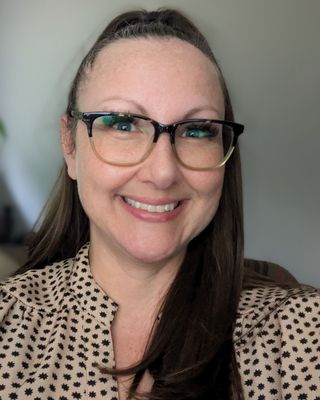
Hosted by Shannon Langlois-Kondracki
Clinical Social Work/Therapist, LMSW, CTP, CAADC, C-DBT
Group meets in Grand Rapids, MI 49534
Holistic Harmony Counseling is proud to announce the availability of a telehealth group to help those who have suffered from narcissistic abuse. If you're ready to embark on this transformative journey towards healing and empowerment, we warmly invite you to join our private support group. Remember, healing from narcissistic abuse is not a solitary path. Cash pay group $35 per session. Telehealth group for 10 session/20 weeks. Closed group with 6 clients.
Build Confidence. Deepen Relationships. Gain Insight. Are you navigating professional life while wanting greater confidence, clarity, and connection? This therapy group is designed for adults 23–35 who want to grow personally and professionally. We’ll explore anxiety and self-doubt, career and professional identity, relationship patterns, family dynamics, boundaries, loneliness, purpose, and personal growth. Group therapy offers a unique opportunity to gain insight, receive honest feedback, and practice new ways of relating in a supportive environment. Group co-facilitated by Amanda Worst and Christopher Klein. Contact Amanda below for more information and to sign-up for this group.

Build Confidence. Deepen Relationships. Gain Insight. Are you navigating professional life while wanting greater confidence, clarity, and connection? This therapy group is designed for adults 23–35 who want to grow personally and professionally. We’ll explore anxiety and self-doubt, career and professional identity, relationship patterns, family dynamics, boundaries, loneliness, purpose, and personal growth. Group therapy offers a unique opportunity to gain insight, receive honest feedback, and practice new ways of relating in a supportive environment. Group co-facilitated by Amanda Worst and Christopher Klein. Contact Amanda below for more information and to sign-up for this group.
Fully licensed mental health clinicians with a desire to provide accessible, compassionate, and sustainable services to a wide range of populations. Our clinicians believe in the power of relationship to build resiliency and have experience working in both in-patient and out-patient settings with trauma, attachment, grief, and family related concerns.
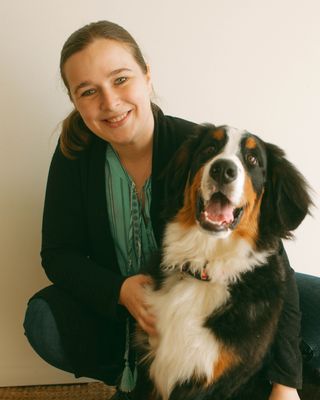
Fully licensed mental health clinicians with a desire to provide accessible, compassionate, and sustainable services to a wide range of populations. Our clinicians believe in the power of relationship to build resiliency and have experience working in both in-patient and out-patient settings with trauma, attachment, grief, and family related concerns.
DBT, or Dialectical Behavior Therapy, is an evidence-based cognitive-behavioral treatment that teaches skills to reduce emotional suffering and improve relationships we have with ourselves and others. Led by licensed therapists trained in DBT, this group provides a space for adults (ages 18 and up) to meet weekly and gain skills in four areas: Mindfulness, Distress Tolerance, Emotion Regulation, Interpersonal Effectiveness. interested in joining? To learn more, call our main office, visit our website, HealthForLifeGR.com, 616.200.4433

DBT, or Dialectical Behavior Therapy, is an evidence-based cognitive-behavioral treatment that teaches skills to reduce emotional suffering and improve relationships we have with ourselves and others. Led by licensed therapists trained in DBT, this group provides a space for adults (ages 18 and up) to meet weekly and gain skills in four areas: Mindfulness, Distress Tolerance, Emotion Regulation, Interpersonal Effectiveness. interested in joining? To learn more, call our main office, visit our website, HealthForLifeGR.com, 616.200.4433
Diverse group of therapists.
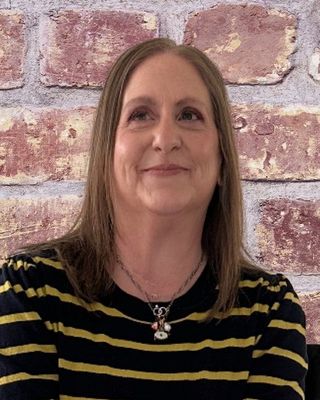
Hosted by Ally Stein
Clinical Social Work/Therapist, LCSW, CAADC
Group meets in Grand Rapids, MI 49525
Diverse group of therapists.
These groups (meet early morning and early evening) provides men an opportunity to circle up with other men who wish to develop into the best version of themselves. These men work to cultivate emotional and relational intelligences so they are better able to succeed in intimate relationships as well as social and business relationships. Although men may come in with various presenting problems, they find the support and accountability helpful in addressing personal problems rather than succumb to an outdated version of masculinity that tells them to go it alone and not burden others with their problems. They develop a relational and wholehearted masculinity.

Hosted by Fountain Hill Center and Men's Resource Center
Limited Licensed Psychologist, MA, LLP
Group meets in Grand Rapids, MI 49506
These groups (meet early morning and early evening) provides men an opportunity to circle up with other men who wish to develop into the best version of themselves. These men work to cultivate emotional and relational intelligences so they are better able to succeed in intimate relationships as well as social and business relationships. Although men may come in with various presenting problems, they find the support and accountability helpful in addressing personal problems rather than succumb to an outdated version of masculinity that tells them to go it alone and not burden others with their problems. They develop a relational and wholehearted masculinity.
Nurtured Path clinicians are dedicated to support individuals during their reproductive years. Specialties include perinatal mood and anxiety disorders, adjustment to parenthood, miscarriage/infant loss, birth trauma, reproductive health considerations, etc.

Hosted by Elizabeth Vallier-Booth
Clinical Social Work/Therapist, LMSW
Group meets in Grand Rapids, MI 49503
Nurtured Path clinicians are dedicated to support individuals during their reproductive years. Specialties include perinatal mood and anxiety disorders, adjustment to parenthood, miscarriage/infant loss, birth trauma, reproductive health considerations, etc.
Biweekly support group for neurodivergent adults (18+)! This group setting offers support for individuals working to navigate this chaotic world with a shared community of those working through unique experiences. Provided is psychoeducation on various topics depending on group needs (social skills, vocational support, emotion regulation, sensory-focused integration, etc...), and offers a space to feel heard and connect with one another. As a neurodivergent individual myself, I integrate a fully neurodiversity-affirming environment to promote safety and engagement in a world that might present otherwise.

Biweekly support group for neurodivergent adults (18+)! This group setting offers support for individuals working to navigate this chaotic world with a shared community of those working through unique experiences. Provided is psychoeducation on various topics depending on group needs (social skills, vocational support, emotion regulation, sensory-focused integration, etc...), and offers a space to feel heard and connect with one another. As a neurodivergent individual myself, I integrate a fully neurodiversity-affirming environment to promote safety and engagement in a world that might present otherwise.
Parenting can be hard, You don't have to do it alone. This is a place for safety and understanding as you are journeying on this challenging road of parenthood.

Parenting can be hard, You don't have to do it alone. This is a place for safety and understanding as you are journeying on this challenging road of parenthood.
This group offers a safe space for individuals to explore their thoughts and emotions in a supportive environment guided by a therapist. It is ideal for those seeking to expand their sense of community, apply lessons from individual therapy, or deepen their understanding of how they relate to others. . This processing group is designed to help participants create healing relationships, foster connection, and experience the joy of shared laughter.
This group offers a safe space for individuals to explore their thoughts and emotions in a supportive environment guided by a therapist. It is ideal for those seeking to expand their sense of community, apply lessons from individual therapy, or deepen their understanding of how they relate to others. . This processing group is designed to help participants create healing relationships, foster connection, and experience the joy of shared laughter.
All of our counselors are carefully selected to ensure we provide consistent, professional, and personable care. While each counselor has an individualized approach and unique personality, we all represent the best of our brand and our practice. We believe the therapeutic relationship is a key component of successful counseling, and strive to create a safe and trusting environment where individuals feel comfortable exploring their thoughts, feelings, and behaviors. We also promise to be consistent in our approach to therapy, using evidence-based techniques and interventions to help clients make positive changes in their lives. Heal. Recover. Remember.
All of our counselors are carefully selected to ensure we provide consistent, professional, and personable care. While each counselor has an individualized approach and unique personality, we all represent the best of our brand and our practice. We believe the therapeutic relationship is a key component of successful counseling, and strive to create a safe and trusting environment where individuals feel comfortable exploring their thoughts, feelings, and behaviors. We also promise to be consistent in our approach to therapy, using evidence-based techniques and interventions to help clients make positive changes in their lives. Heal. Recover. Remember.
Therapists who specialize in teaching DBT skills focus on four modules of skills that help people cope with emotional distress in adaptive and productive ways. In particular, there are 4 foundational DBT skills, and among them, mindfulness and distress tolerance skills help you accept your behaviors, thoughts, and emotions, while emotion regulation and interpersonal effectiveness aim to change your irrational or maladaptive behaviors and thoughts.

Therapists who specialize in teaching DBT skills focus on four modules of skills that help people cope with emotional distress in adaptive and productive ways. In particular, there are 4 foundational DBT skills, and among them, mindfulness and distress tolerance skills help you accept your behaviors, thoughts, and emotions, while emotion regulation and interpersonal effectiveness aim to change your irrational or maladaptive behaviors and thoughts.
Moonrise Sanctuary is an integrative wellness collective in Grand Rapids, Michigan. She is home to clinicians, healers, and integrative prescribers who value connection and collaboration. If you are a therapist, prescriber, or holistic practitioner seeking an aligned, furnished office within a community-based setting, I’d love to connect.
Moonrise Sanctuary is an integrative wellness collective in Grand Rapids, Michigan. She is home to clinicians, healers, and integrative prescribers who value connection and collaboration. If you are a therapist, prescriber, or holistic practitioner seeking an aligned, furnished office within a community-based setting, I’d love to connect.
This is a gentle flow, beginner-friendly, and trauma-informed class ending with a meditation practice. This is a great course for getting yourself grounded in your body and managing stress. This class is lead by Raina Bawden who practices with an appreciation for body diversity and creates a comfortable environment for all body shapes and sizes. Email for more information and how to reserve your spot: Raina@EmpowerFlowYoga.com

Hosted by Jennifer L Selent
Marriage & Family Therapist, MA LMFT
Group meets in Grand Rapids, MI 49546
This is a gentle flow, beginner-friendly, and trauma-informed class ending with a meditation practice. This is a great course for getting yourself grounded in your body and managing stress. This class is lead by Raina Bawden who practices with an appreciation for body diversity and creates a comfortable environment for all body shapes and sizes. Email for more information and how to reserve your spot: Raina@EmpowerFlowYoga.com
See more therapy options for Grand Rapids


Nearby Searches for Grand Rapids
See More Support Groups FAQs - About Group Therapy and Support Groups
How can I find a support group in Grand Rapids?
To find a support group in your area, start by entering your city, zip code, or the name of the group into the search bar at the top of the page. When searching, consider whether you prefer an in-person or virtual group. This can help you decide how broad your geographic search should be. If you are open to virtual groups, you might want to search by state instead of just your city, especially if there are limited options nearby.
Once you complete your search, you can use the filters to narrow the results by selecting specialties (such as grief, trauma, or eating disorders), therapeutic approaches, age groups, and other criteria to find a group that best fits your needs.
Once you complete your search, you can use the filters to narrow the results by selecting specialties (such as grief, trauma, or eating disorders), therapeutic approaches, age groups, and other criteria to find a group that best fits your needs.
How does group therapy work?
Group therapy is led by one or more trained therapists and provides a space where participants can process their experiences and learn from others facing similar challenges. Groups may focus on a specific issue—such as addiction, grief, physical illnesses, parenting, or caregiving—or they may center around a particular therapeutic approach, such as Cognitive Behavioral Therapy (CBT), social skill development, or Exposure Therapy. Some groups are also designed for specific populations, such as teens, veterans, or LGBTQ+ individuals.
It’s also important to distinguish group therapy from peer-led support groups, like Alcoholics Anonymous. While both can offer valuable support, therapy groups are typically led by licensed professionals and follow a more structured format. Therapy groups often meet for a fixed length of time with a consistent group of members, while many peer support groups meet for an indefinite period of time with members coming and going.
It’s also important to distinguish group therapy from peer-led support groups, like Alcoholics Anonymous. While both can offer valuable support, therapy groups are typically led by licensed professionals and follow a more structured format. Therapy groups often meet for a fixed length of time with a consistent group of members, while many peer support groups meet for an indefinite period of time with members coming and going.
What are the benefits of group therapy?
Group therapy offers several important benefits. It brings together people facing similar challenges—whether related to mental health, physical health, or life transitions—and creates a supportive environment where participants can exchange feedback, share experiences, and learn from one another. Hearing different perspectives can help individuals discover new coping strategies and practical tools they may not have encountered on their own. Sharing personal experiences, such as coping with a serious illness or navigating family struggles, can also reduce feelings of isolation and foster a sense of connection and understanding. In addition to emotional support, group members often gain useful, real-world advice from peers who have faced similar situations.
Group therapy is typically more affordable than individual therapy and, for certain conditions, can be equally effective. Many groups also include structured activities—such as guided journaling, cognitive-behavioral exercises, or role-playing—to help participants develop concrete skills they can apply in daily life.
Group therapy is typically more affordable than individual therapy and, for certain conditions, can be equally effective. Many groups also include structured activities—such as guided journaling, cognitive-behavioral exercises, or role-playing—to help participants develop concrete skills they can apply in daily life.
Is group therapy as effective as individual therapy?
It is difficult to make a blanket statement about the effectiveness of support groups, as they vary widely in focus and the conditions they address. However, support groups can be highly valuable in helping individuals gain emotional support and achieve meaningful treatment outcomes. For certain conditions, such as substance use, research has shown that group therapy can be particularly effective—sometimes just as effective as individual therapy—in supporting long-term recovery.
Many professionals attribute the effectiveness of group therapy to the unique benefits of the group setting, which fosters peer-to-peer learning and a sense of connection through shared experiences. Group settings also offer accountability and encouragement from both facilitators and fellow participants, which helps sustain motivation and supports continued progress. These factors together play a key role in promoting the overall effectiveness of group therapy.
Many professionals attribute the effectiveness of group therapy to the unique benefits of the group setting, which fosters peer-to-peer learning and a sense of connection through shared experiences. Group settings also offer accountability and encouragement from both facilitators and fellow participants, which helps sustain motivation and supports continued progress. These factors together play a key role in promoting the overall effectiveness of group therapy.
How much does group therapy cost?
Group therapy is typically less expensive than individual therapy, with sessions typically costing between $50 and $75 each. In comparison, individual therapy can cost anywhere from $100 to $200 or more per session, even with insurance. Some therapists or organizations offer low-cost or free group therapy options, particularly through community centers or nonprofit organizations. In some cases, groups may require payment upfront for a set number of sessions, such as paying for six weekly sessions at the first meeting. However, many providers offer payment plans to help make participation more accessible if this upfront payment is required.
Does insurance cover group therapy?
As with individual therapy, insurance coverage for group therapy varies based on factors such as your specific insurance plan, the purpose of the group, your diagnosis, and whether the group provider is in-network. Many insurance plans cover group therapy sessions that address diagnosable mental health conditions, such as substance use disorders, anxiety, or depression.
However, groups that focus on topics not directly tied to a mental health diagnosis—such as parenting support or divorce recovery—are less likely to be covered. Because coverage can vary widely, it’s important to check with your insurance provider before joining a group to confirm whether the sessions will be covered and what out-of-pocket costs you may be responsible for.
However, groups that focus on topics not directly tied to a mental health diagnosis—such as parenting support or divorce recovery—are less likely to be covered. Because coverage can vary widely, it’s important to check with your insurance provider before joining a group to confirm whether the sessions will be covered and what out-of-pocket costs you may be responsible for.
How long does group therapy last?
The length of each group therapy session typically ranges from 45 minutes to two hours, depending on the therapy approach, the group’s goals, and how often the group meets. In some cases, group therapy is part of a larger treatment program, such as an Intensive Outpatient Program (IOP), where group sessions complement individual therapy and are scheduled as part of the program’s overall structure.
The duration of participation in a group also varies. Some groups are designed to be short-term, lasting anywhere from 6 to 24 weeks—for example, bereavement groups or skills-based groups like those using Dialectical Behavioral Therapy (DBT). Other groups may be longer-term, lasting a year or more, and some ongoing support groups meet indefinitely, allowing participants to stay as long as they find the group helpful.
The duration of participation in a group also varies. Some groups are designed to be short-term, lasting anywhere from 6 to 24 weeks—for example, bereavement groups or skills-based groups like those using Dialectical Behavioral Therapy (DBT). Other groups may be longer-term, lasting a year or more, and some ongoing support groups meet indefinitely, allowing participants to stay as long as they find the group helpful.
What are the limitations of support groups?
Support groups offer many benefits, but they also have certain limitations. Unlike therapy groups, many support groups do not provide formal therapeutic treatment and are not led by licensed mental health professionals. For individuals seeking clinical treatment for specific mental health diagnoses—such as depression, eating disorders, or substance use—individual therapy or group therapy led by a licensed professional may offer more personalized and specialized care.
The effectiveness of a support group also depends heavily on the group’s participants and the overall group dynamic. When members engage respectfully and offer constructive support, the group can foster valuable peer-to-peer learning. However, if certain participants dominate discussions, provide inaccurate advice, or create conflict, it can disrupt the group’s sense of safety and reduce its effectiveness. Confidentiality can also be harder to maintain in support groups, particularly in open groups where participants can join or leave at any time. With new members regularly entering the group, it can be more difficult to build and sustain a consistent sense of trust and privacy.
The effectiveness of a support group also depends heavily on the group’s participants and the overall group dynamic. When members engage respectfully and offer constructive support, the group can foster valuable peer-to-peer learning. However, if certain participants dominate discussions, provide inaccurate advice, or create conflict, it can disrupt the group’s sense of safety and reduce its effectiveness. Confidentiality can also be harder to maintain in support groups, particularly in open groups where participants can join or leave at any time. With new members regularly entering the group, it can be more difficult to build and sustain a consistent sense of trust and privacy.