Support Groups in Towson, MD
This group focuses on developing concrete skills for those adolescents suffering from anxiety, depression, borderline personality disorder, eating disorders as well as Post traumatic Stress Disorder. The group meets once a week for a minimum of six months and focuses on the four modules of Dialectical Behavior Therapy: Mindfulness, Distress Tolerance, Emotional Regulation and Interpersonal Relationships.
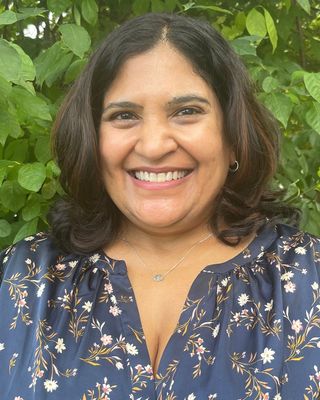
Hosted by Anita Sharma
Psychologist, PsyD
Verified Verified
Group meets in Towson, MD 21204
I believe engaging in a therapy relationship benefits all. It is important in this setting to feel safe, heard as well as understood without judgement. I work with adolescents as well as adults navigating through lives filled with relationship conflicts, school and academic stressors, communication breakdowns, body image issues, suicidal ideation, depression, anxiety, trauma and abuse. I want my clients to feel how important their issues and progress are to me and that I will do my very best to help them reach their goals.
Processing and coping with the trauma of having a child in the NICU is incredibly challenging. It’s a journey full of unique and often unexpected experiences that can leave parents feeling isolated and overwhelmed. This group will offer support to parents whose children required past and present NICU care. We will cover topics related to birth trauma, our time in the NICU, parenting after discharge, processing grief, and exploring the challenges and joys we’ve experienced. This virtual 8-week group starts in the fall of 2024.

Hosted by Gina Rossetti
Clinical Social Work/Therapist, MSW, LCSW-C
Verified Verified
Group meets in Towson, MD 21286
I believe therapy allows us to process life experiences and develop useful strategies to support growth. I work collaboratively and help clients use their own strengths and supports to heal, cultivate meaningful relationships, and develop emotional balance and self-awareness. I use a trauma-informed and attachment focused perspective along with EMDR, body-centered psychotherapy, parts work, cognitive-behavioral approaches, and expressive art techniques. I work with adults and youth who are experiencing challenges related to anxiety, childhood and recent trauma, relationship concerns, life-transitions, self esteem, and dissociation.
Groupfor those who experience fears around flying. The group provides adjunctive support to clients who may also be in therapy with another therapist. Therapy is from a mindfulness perspective that utilizes cognitive behavioral techniques that teach clients how to deal with their anxiety whilst afraid
Attendees are required to have undergone an evaluation with an ASDI therapist before being admitted into the group.
Hosted by Stephnie Thomas, LCPC
Licensed Clinical Professional Counselor, MS, NCC, LCPC
Verified Verified
Group meets in Towson, MD 21204
MY PRIVATE PRACTICE IS CURRENTLY FULL. My specialty is coming alongside clients who experience overwhelming anxiety in everyday life situations and helping them learn new ways to approach and defuse the anxiety they experience. I also work with clients with OCD, PTSD, fear of flying, and other life challenges. I see adults and children (11 years and older preferred). When working with children and young adults, I generally use a systems-oriented approach, as I believe you cannot separate a child from the family and environment in which they function. Clients of all gender/ sexual orientation are welcome.
Learn how to implement successful strategies in navigating the dating world. Become aware of red flags, scammers and casual hookups. Become your best self by working on your emotional and physical self that leads you to the healthy successful relationship you desire.
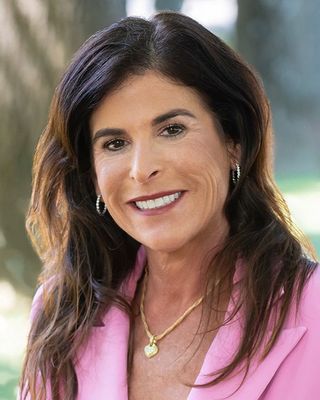
Hosted by Tammy Jo Tilson
Clinical Social Work/Therapist, MSW, LCSW-C
Verified Verified
Group meets in Towson, MD 21204
Are you struggling with depression and/or anxiety? Have you felt stuck in your current life situation and feel hopeless about a positive change? Then you have come to the right person. I will guide and support you to create and achieve the goals you never thought were possible. With coaching and compassion, you will feel empowered and rejuvenated. You have already taken the first step!
This is a processing group for moms that are struggling with anxiety and/or depression. The group meets virtually. The group is intended to be a safe place for women to share their experiences with anxiety/depression as it relates to their relationships, parenting, self-esteem, and overall health. Topics can vary from week to week. Processing groups allow members to talk about what is most relevant in their lives and key issues they are seeking to address. I am a licensed clinical social worker with experience running groups and will be present to facilitate.
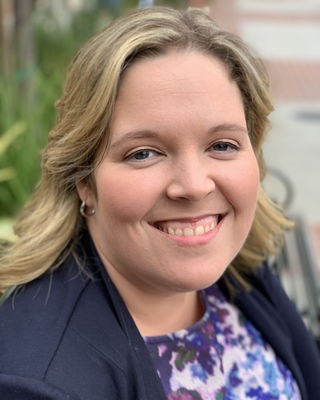
Hosted by Vicky Woodruff
Clinical Social Work/Therapist, LCSW-C
Verified Verified
Group meets in Towson, MD 21204
We all face challenges throughout our lives. What defines us is how we choose to address the issue. Mental illness is not uncommon but what can be uncommon is having the courage to seek help. Issues surrounding mental health often arise during major transitions whether it be age, school, work, family, or loss. A diagnosis of a serious mental illness should not define you or hold you back. Fighting a mental illness can be exhausting. Don't go this alone. Let's talk about your goals and dreams and get you back on track to living your full life. I will push you to reach your potential but I will also be by your side through it all.
Half Moon Counseling Services is a telehealth and mobile treatment therapy service that provides individual, couple and family sessions from the comfort and privacy of your location. All you need to get started with telehealth is a smart phone or computer. All sessions are secure and HIPPA compliant through your personalized electronic medical record. We also provide yoga groups in the community to help strengthen coping skills and holistic health. Traditional face to face office visits are also available. Visit the webpage at: www.halfmooncounselingservices.com
Hosted by Karmeshia Rice
Licensed Clinical Professional Counselor, LCPC, NCC
Verified Verified
Group meets in Towson, MD 21204
I utilize best practice methods to provide clinical interventions and seek to build a working relationship to help each person I contact reach their best potential. I have experience working with Depression, Bipolar, Anxiety, PTSD, ADHD, difficulties with stressors and major life adjustments. I strive to provide you with support, encouragement towards positive goal attainment, and guidance through each step along the way
Worried your teen may not graduate high school or college? Are you struggling to like your son or daughter right now? Do you need to help them but are not really sure where to start? Come to one of our virtual parent support groups via Zoom. Every Thursday night, parents come together at Sandstone Care and help each other as they navigate the challenges of helping their teen or young adult who struggles with drugs, alcohol, and mental health concerns. Parent support groups are free and open to all parents to attend. No program affiliation is required.

Hosted by Sandstone Care Teen & Young Adult Treatment Center
Treatment Center, MD, LPC, LAC, CAC-lll, CSACA
Verified Verified
Group meets in Towson, MD 21286
Sandstone Care provides substance use, addiction, and mental health treatment for young adults (ages 18 to 30) and adolescents (ages 13 to 18) including Residential Treatment, Day Treatment (PHP), Intensive Outpatient (IOP), and General Outpatient (OP) programming.
At Harmony Integrated Care we believe everyone deserves access to high-quality mental health services. Your experience is hugely important to us. We make sure that you feel comfortable, supported, and important. We specialize in Adult ADHD, Depression, Anxiety, bipolar, PTSD and many more
Hosted by Betty Githuku
Psychiatric Nurse Practitioner, MSN, PMHNP
Verified Verified
Group meets in Towson, MD 21286
My philosophy is centered around partnering with my patients in their healing journey, and I strongly believe that our mental health is the foundation of our overall being. When we prioritize our mental health, other aspects of our lives can thrive accordingly. That's why I practice a holistic approach to mental health with a personalized plan for each patient. My goal is to provide compassionate and judgment-free care to all of my patients. We strive to ensure that you feel comfortable, supported, and important throughout your treatment. If you're looking for a partner in your mental health journey, I'm here to help.
Premarital Workshop (meets for 5 weeks) starting in June. Based on Gottman Institute Seven Principles for Making Marriage Work workshop. Limited to 3 engaged Couples per group. Please inquire about group via email: darinaalban@gmail.com Cost is $250 per couple for 5 weeks.
Hosted by Darina Alban, Marriage & Individual Therapy
Clinical Social Work/Therapist, LCSW-C
Verified Verified
Group meets in Towson, MD 21204
WE are OPEN! NEED HELP WITH YOUR RELATIONSHIP? I'm currently ACCEPTING NEW INDIVDUAL AND COUPLE CLIENTS. I'm also accepting clients wanting to improve their relationship or considering leaving your relationship. If you are looking for a compassionate, highly trained , certified Gottman therapist, an Advanced Emotional Focused Therapist and PACT (psychobiological Approach to Couple Therapy) I may be the right therapist for you. Please call or email for an initial consultation. Please visit my website for more information. Thank you for stopping by, Darina
Chesapeake Mental Health Collaborative provides full range of integrated mental health services including 1.) Psychotherapy, Counseling, & Life Coaching. 2.)Workshops, Classes, & Retreats. 3.)Psychiatric evaluation, Prescription, & Medication Management
Hosted by Chesapeake Mental Health Collaborative
Counselor, PhD, LCPC, NCC
Verified Verified
Group meets in Towson, MD 21204
Led by one of the top Stress and Anxiety experts in the area Dr. Heidi Schreiber-Pan, Chesapeake Mental Health Collaborative (CMHC) has a team of highly rated psychotherapists with the complementary skill set and approaches. Whether you are experiencing work burnout or have a severe anxiety disorder, CMHC has the right therapist for you. In addition to the clinically sound traditional approach, CMHC also offers innovative technics like Nature Informed Therapy, guided mindfulness meditation, yoga for anxiety, art therapy, online telehealth counseling.
Ask yourself if your medical/mental condition is getting in the way of things you used to love to do. Does your medical illness create anxiety depression, fear or anger? If this is the case for you, please join me in one of my upcoming group. Treatment Orientation: Mindfulness Gender: All Age: Adults Skills taught: Distress Tolerance, Emotion Regulation, and Interpersonal Effectiveness Skills Time: 1.0 hour, eight-week group
Hosted by Dina Josif Block
MS, PhD, LCPC
Verified Verified
Group meets in Towson, MD 21204
I am a Psycho/Behavioral Therapist with over 20 years of experience in helping individuals and couples who are suffering from health and mental issues. I trained at both Johns Hopkins psychiatry department and McGill university center for cognition and medicine. In the last couple of year I focus on helping those suffering from chronic pain,depression, anxiety cognitive disorders, eating disorders, weight management and career counselling. I am a Cognitive Therapist and I believe that people have a choice, they can change their behavior, their thought process, learn to move forward and acquire hope.
Imagine you're at the playground...you're probably picturing standing awkwardly with your kids while the moms talk. I know I feel that way! This therapy group was born out of my own recognition of the need for spaces where dads can talk about the joys, challenges, and complexities of fatherhood. We meet for 90 minutes every other week online to talk about the ups and downs of dadding. Dad jokes provided.

Hosted by Jake Jackson-Wolf
Licensed Professional Counselor, MEd, LCPC
Verified Verified
Group meets in Towson, MD 21204
Living has got to be one of the most exhausting things we do! You may be looking for some help in your romantic relationship, as a parent, with sex, or in your career. I work with individuals and couples to address challenges in relationships, sexuality, experiences of trauma, and general dissatisfaction with their status quo. In our work together, we will take a look at the things that are holding you back from living the life you want to be living. I might also tell dad jokes. I probably will tell dad jokes.
In the hustle and bustle of everyday life, it's easy for couples to lose sight of what truly matters. Rekindling the joy, connection, and understanding that brought you together can sometimes feel challenging. That’s why we’re thrilled to invite you to our transformative "Getting the Love You Want" workshop. This is a monthly workshop held in the DC/Maryland area. This workshop will provide the tools and resources you need to nurture your relationship, ensuring it continues to grow and thrive.
Hosted by Anne Ateeka B Contee
Counselor, MS, LCPC
Verified Verified
Group meets in Towson, MD 21204
I provide professional counseling services integrated with a holistic, bottom-up approach emphasizing the connection between mind, body, and spirit. As a yoga and mindfulness teacher for 18 years, I often incorporate several mindfulness practices into my therapy sessions. As a Certified Imago Therapist, I work with individual couples along South Asian and African American families dealing with issues related to generational trauma to identity formation and assimilation. I am an EMDR trained and Trauma-informed Yoga teacher. I am a certified nature-informed therapist specializing in equine-assisted trauma-informed therapy.
My teen group is a well established group that has been ongoing since 2008. All female identifying and nonbinary teens are welcomed as how they identify and pronouns are respected. Its focused on support in a nonjudgmental safe environment. Members pick the topics according to their current issues. We discuss; self esteem, family problems, relationships, depression, anxiety, body image, self injury, anger, social problems, bullying, toxic friends, online safety, academic pressures and school issues. We focus on building a trusting and safe support system among members that they cannot otherwise find outside of group. Ages are 12-18 yrs old.
Hosted by Kerry Morrison
Licensed Clinical Professional Counselor, MS, LCPC
Verified Verified
Group meets in Towson, MD 21204
Hello! Youve just taken the 1st step towards improving your life; looking for help! I know it's not easy to begin therapy. However, everyone needs extra support sometimes, so please don't be ashamed or embarrassed. My treatment style is a laid back, genuine and non-judgmental, solution-focused approach. My sessions are held in a confidential covid safe office or confidentially online. I also offer a comprehensive outpatient teen treatment program including group and individual therapy, for teen girls. All you need to do is call or email me, so we can develop a plan to make life better for you or your teen. Appts available this week!
Outpatient mental health services, including Psychiatric medication management, psychotherapy, and dialectical behavioral therapy.
Hosted by Elliott Driscoll
Clinical Social Work/Therapist, LCSW-C, MBA
Verified Verified
Group meets in Towson, MD 21286
I am a business professional and psychotherapist. Most of my patients are busy business people who have issues that hold them back. I apply psychotherapy to help them practically improve lives. My clients have been very successful when they have worked at it. To succeed in therapy try new behaviors, disclose difficult experiences, and let go of old patterns of thinking and behaving. If you choose to call please be prepared to work to achieve results. You can expect mutual respect, confidentiality, and professional boundaries.
These are online virtual groups, that can be held locally in person, with the exception of Soul Sisters Moving Forward. We address education about the toxic personality, narcissism, self-care, healthy self-love, identifying emotional abuse, soul discernment, super traits and codependence, grief, grace, understanding the trauma, treatment and recovery, and making meaning of it all to transcend and grow. Please see complete descriptions at www.donnashinwellness.com , or contact me for more information please.
Hosted by Donna Shin
Counselor, LCPC, NCC
Verified Verified
Group meets in Towson, MD 21204
Find the freedom and confidence to discover your inner truth, your emotions, and your voice. Healing and becoming aligned with your true self is a life giving energetic and sacred experience that takes place within the safety and trust of the counseling relationship or in a confidential group of kindred spirits — often both. We must go deep to connect with the vital energy and core vitality that we were born with after life has brought pain, losses and various forms of trauma or abuse. Integrating my specialities of grief, and releasing trauma through the amazing modality of Brainspotting I've created my Soul of Healing program.
Hosted by Elizabeth S. Rodrigues
Counselor, MS, LCPC
Verified Verified
Group meets in Towson, MD 21204
Those suffering from one or more chronic illnesses that interfere with their lives to a mild extent or that render them unable to work or drive qualify for this group. We meet twice monthly to discuss specifics about medical care, pain, main management, and coping with anxiety and depression secondary to the illnesses. Some of these diseases include Fibromyalgia, Migraines, Crohn's Disease, Functional Neurological Disorder, Chronic Fatigue, Gastrointestinal Diseases, Psoriatic and Rheumatoid Arthritis, and Ankylosing Spondylitis and Epilepsy.
Hosted by Mary Bresee Seidel
Counselor, MS, LCPC
Verified Verified
Group meets in Towson, MD 21204
The stresses of life occasionally take such a toll on us that we need an experienced professional. I have 30 years as a mental health therapist and specialize in trauma, loss, addiction, depression, anxiety and medical trauma. I also work with individuals suffering from the physical issues that often accompany a series of stressful events. I see adults, couples, and adolescents. I find a unique blend of cognitive/behavioral, psychodynamic, mindfulness, bibliotherapy and expressive techniques for each client. I also provide clients with community supports and resources to supplement our work together when appropriate.
Teens ages 14-17 build a community of like minded peers while discussing topics relevant to eating disorder recovery. Participants will learn and practice recovery-oriented skills with support from peers.
Hosted by Elizabeth Foote
Counselor, LCPC
Verified Verified
Group meets in Towson, MD 21204
Therapy is a powerful tool to learn to navigate struggles in more adaptive ways. You deserve a kind and compassionate therapist who will work with you to develop goals and implement strategies to help you create and maintain positive change.
We help you cope with grief associated with various types of loss and changes.
Hosted by The Holden Grace Group, LLC
Pastoral Counselor
Verified Verified
Group meets in Towson, MD 21286
As your therapist, I understand that you seek a safe, supportive space to navigate life's challenges, whether it's coping with grief, improving relationships, or addressing anxiety. Your goal is to find peace, resilience, and a deeper understanding of yourself and your experiences. You want to feel heard, valued, and empowered to make positive changes.
See more therapy options for Towson


FAQs - About Group Therapy and Support Groups
How can I find a support group in Towson?
Search for nearby support groups by inputting your city, zip code, or the name of the group into the search bar. From there, you can filter to find a group that suits your needs, whether you are looking for support for a teenager, a group that focuses on a specific issue, such as depression, or a particular program type, such as one geared toward developing social skills. To navigate between locations within the same country, enter a new city or zip code into the search bar.
How does group therapy work?
Therapy groups are led by one or more therapists and serve to help people process their experiences and learn from others who understand their challenges firsthand. They can be based on a specific issue, such as addiction, grief, physical illnesses, parenting, and caregiving. They can involve a specific type of program or therapy, such as a social skills group or CBT group. They can also be specific to a particular population or community, such as teens or LGBTQ.
Support groups, like Alcoholics Anonymous, also focus on a specific issue, but are typically led by members with lived experiences and are less structured than therapy groups. Most therapy groups will meet for a fixed length of time with a consistent group of members, while many support groups meet for an indefinite period of time with members coming and going.
Support groups, like Alcoholics Anonymous, also focus on a specific issue, but are typically led by members with lived experiences and are less structured than therapy groups. Most therapy groups will meet for a fixed length of time with a consistent group of members, while many support groups meet for an indefinite period of time with members coming and going.
What are the benefits of group therapy?
Support groups help connect people with shared challenges or physical and mental health conditions. In a group setting, participants can receive support and feedback from peers and can acquire new skills, strategies and perspectives by listening to one another. Discussing your experience with someone who also has a cancer diagnosis, or whose son also struggles with addiction, for example, can help you feel less alone, reduce distress, find empathy and connection, and learn practical or medical information that has helped others. Group therapy can also be a more affordable option than individual therapy and just as effective.
Is group therapy as effective as individual therapy?
Support groups can be deeply valuable for both emotional support and/or treatment outcomes. It’s difficult to make a blanket statement on efficacy due to the many different types of support groups and conditions treated, but group therapy has been found to be just as effective as individual therapy in establishing long-term abstinence for conditions such as substance abuse, addiction and alcohol abuse.
How much does group therapy cost?
Group counseling is typically less expensive than individual counseling, with each session costing on average between $60 to $75. Meanwhile, individual therapy sessions can run anywhere from $100 to $200 and up, even after insurance. It is possible to find low-cost group therapy options and many therapists offer group sessions free of charge.
Does insurance cover group therapy?
As with individual therapy, many insurance companies do offer coverage for group therapy sessions. However, the coverage varies based on your insurance plan details and whether you choose an in-network or out-of-network mental healthcare provider. Individuals are encouraged to check with their insurance providers to verify coverage.
How long does group therapy last?
The length of a support group session is often one hour but can fall anywhere between 45 minutes and two hours. The amount of time that people remain in a support group varies based on their specific needs and goals and the type of therapy. Some individuals may seek a shorter-term group, such as a bereavement group, that may last between six and 20 weeks. Some may seek a longer-term group that lasts for a year or indefinitely.
What are the limitations of support groups?
Support groups have many benefits, but there are a few limitations as well. Support groups do not constitute formal therapeutic or medical treatment, and are not run by licensed mental health professionals, so some people may opt for group therapy or individual therapy instead. Additionally, support groups can depend on the other participants, so a disruptive individual has the potential to mar the group dynamic, and the anecdotal information shared may sometimes be unhelpful or inaccurate. Because it is a group setting, confidentiality can be more difficult to guard and participants receive less personalized attention than they would in an individual therapy session.