Support Groups in Owings Mills, MD
EviJoy Counseling Center, LLC is a group private practice that consists of 3 providers that specialise mainly in anxiety and women issues. We see all clients no matter your race, gender, sex, or ethnic background. Our goal is to help guide clients through very challenging times in their lives with tools to help them cope and live a life full of contentment.
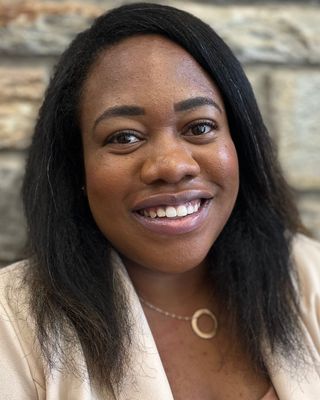
Hosted by EviJoy Counseling Center
Licensed Clinical Professional Counselor, MS, LCPC, NCC, C-DBT
Verified Verified
Group meets in Owings Mills, MD 21117
Accepting new clients! Feelings of self doubt and hopelessness can make one feel stuck. Life can be very unpredictable with the uncertainties. It is okay if you are struggling to be in touch with your emotions. Therapy can provide a sense of peace in a safe environment where there is an opportunity to better understand thought process, anxiety or triggers that are hindering you from reaching your full potential. We are here to guide you in working through the challenges that you are facing and focus on your inner strength to connect the pieces in your life that can help you build a strong foundation for growth and life fulfilment.
We are excited to announce the launch of the group this fall, “Can We Talk About It?”, targeting the age group of 11-13. The primary goal of this group is to facilitate conversations and activities that educate pre-teens and young teens about self-esteem. Our aim is to provide members with a deeper understanding of themselves and strategies to nurture their self-esteem. The group will start on Aug 27th and end on November 12th. Can We Talk About It?
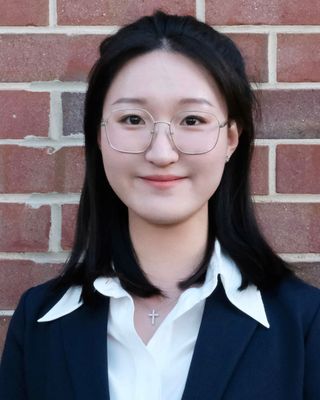
Hosted by Ziyi (Winnie) Wu
Pre-Licensed Professional, MS
Verified Verified
Group meets in Owings Mills, MD 21117
Have you been feeling stressed and burned out lately? Is there a lot of things going on in your life? Are you feeling lonely or helpless? Have you undergone hardships that you don’t know how to talk about with other people? I understand these things can be challenging and therapy is something that could assist you in finding a light in the darkness. I believe reaching out to a counselor is a great place to start and I would appreciate the opportunity to be that person.
We are a group of art therapists and a drama therapist in private practice, each bringing diverse clinical experience across the lifespan.
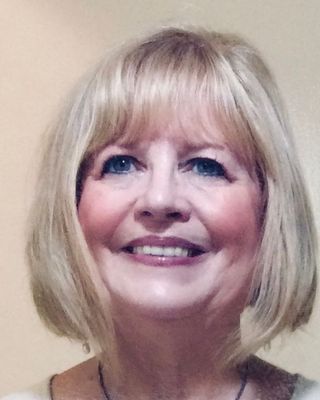
Hosted by Peggy Lee Kolodny
Art Therapist, MA, ATR-BC, LCPAT
Verified Verified
Group meets in Owings Mills, MD 21117
I have been an art psychotherapist since 1982. I currently work with adolescents and adults, using a trauma informed integrated approach for the impact of developmental trauma with its comorbidity, dissociation, and attachment issues. Art gives voice to what is stored implicitly within sensory somatic means. My client and I foster the relational benefit of the compassionate therapeutic alliance using the power of the creative process with a strength based focus. Our collaborative goal is to resolve the impact of the past; building resiliency, internal wisdom, and self compassion. I am an approved art therapy Supervisor in Maryland.
We help adults struggling with anger issues regain control of their lives and improve interpersonal relationships. First Choice Counseling Center offers an interactive anger management group. Our class focuses on building skills in the areas of anger control, anger trigger identification, anger control plan development, stress management techniques, communication and listening techniques. Our anger management class is conducted by licensed professional.
Hosted by First Choice Counseling Center
Treatment Center, LCSW
Verified Verified
Group meets in Owings Mills, MD 21117
Whether this is your first time seeking help or not, your experience with receiving help with life stressors and struggles must be one with compassion, support and effectiveness. Here at First Choice Counseling Center we are here to help in every step of your life changing journey.
We are excited to announce the launch of a new group this fall, “Can We Talk About It?”, targeting the age group of 11-13. The primary goal of this group is to facilitate conversations and activities that educate pre-teens and young teens about self-esteem. Our aim is to provide members with a deeper understanding of themselves and strategies to nurture their self-esteem. Can We Talk About It?

Hosted by Sequoia Young
Pre-Licensed Professional, BA
Verified Verified
Group meets in Owings Mills, MD 21117
Hi, my name is Sequoia, a driven counseling intern with a focus on helping children, adolescents, young adults, and adults within marginalized communities overcome obstacles in their daily lives. Suppose you are seeking a compassionate and understanding therapist who can help you navigate the foundations of autism, ADHD, anxiety, life transitions, or stress. In that case, you have definitely come to the right place. Together we can embark on a journey to understand your unique needs and goals, to empower you to lead a more fulfilling life.
Bob & Lori Hollander work as a team and individually to make Relationships Work. They have been married (to each other) and in practice together for 25+ years.

Hosted by Bob Hollander
Clinical Social Work/Therapist, JD, LCSW-C
Verified Verified
Group meets in Owings Mills, MD 21117
Are you having difficulty communicating with your partner? Feeling like the loving connection you once enjoyed has faded? Or has there been a relationship crisis that has rocked your world? If you want to create a deeper connection, communicate more effectively, deal with a crisis or create more balance of head, heart and hormones in your relationship, we can help you. Together with my wife and fellow relationship counselor/coach, Lori Hollander, we surround couples with 360 degrees of support to create extraordinary relationships, whether you are in crisis or seeking to create a deeper connection.
Adult Anger Management Group- in office and virtual. First Choice Counseling Center offers an interactive anger management group. Our class focuses on building skills in the areas of anger control, anger trigger identification, anger control plan development, stress management techniques, communication and listening techniques. Our anger management class is conducted by licensed professional. Mondays from 5pm-6pm

Hosted by Rebecca Kaplon
Licensed Clinical Professional Counselor, LMSW
Verified Verified
Group meets in Owings Mills, MD 21117
Rebecca Kaplon (she/her/hers) earned her Masters Degree at the University of Maryland School of Social Work. She earned her Bachelor’s Degree in Psychology from Towson University. Rebecca has experience working with both children and adults. She previously interned with children at Villa Maria. Additionally, she has worked with adults at a PRP and with adults with disabilities. Rebecca really enjoyed connecting and getting to know the clients she worked with as well as providing a listening ear or offering a different perspective. Rebecca is very passionate about mental health.
Due to covid19 virtual group considered BASED ON INTEREST : A new group is forming now for male and female veterans and active members of the military, who seek to explore use of art in therapy, improve emotional expression and mood regulation, somatic awareness, creativity, and improve coping skills in an open studio setting. Must be ambulatory due to steps. This group can address the impact of active service on mind, body, spirit, family and relationships thus enhancing life function. The meditative quality of art making has been shown to help calm the brain. This 8 session pilot would lead to follow up groups.
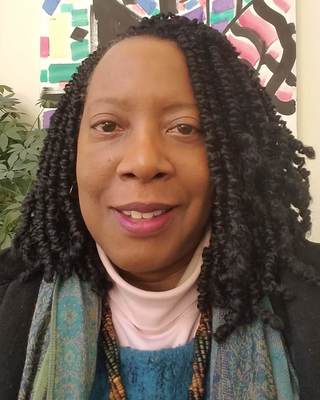
Hosted by Charlotte Boston
Art Therapist, MA, ATR-BC, LCPAT
Verified Verified
Group meets in Owings Mills, MD 21117
Have you been trying to resolve personal issues, in relationships, with change, sadness, fear, anger, anxiety, can't cope? I may be able to help. I have been an art psychotherapist for over 30 years. I've had experiences with patients in psychiatric hospitals and 12 years with active duty & veteran men and women. I work with adults individually and in groups focused on improving emotional expression, mood regulation, somatic awareness, creativity, coping and social skills in an open studio setting. Art has been known to enhance talk therapy. No art experience is necessary to obtain the benefits of art psychotherapy.
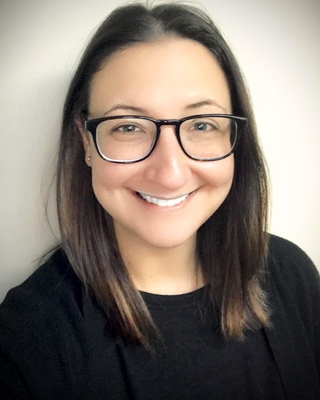
Hosted by Amanda Steinhorn
Counselor, LCPC, ATR-BC
Verified Verified
Group meets in Owings Mills, MD 21117
GIFTS Mental Health Clinic is dedicated to improving the lives of children, adults and families. We pursue the values of compassion, respect and excellence in our services. We empower our clients and train healers to unwrap and maximize their potential.

Hosted by GIFTS Mental Health
Psychologist, MA, LGPC, LCPC, PhD
Verified Verified
Group meets in Owings Mills, MD 21117
With over 20 years of service, GIFTS has evolved into a robust mental health clinic that meets the needs of children, adults and families. Our team is dedicated to delivering compassionate, accessible, and culturally-responsive services that empower our clients to unwrap and maximize their potential.
We are excited to announce the launch of a new group this fall, “Can We Talk About It?”, targeting the age group of 11-13. The primary goal of this group is to facilitate conversations and activities that educate pre-teens and young teens about self-esteem. Our aim is to provide members with a deeper understanding of themselves and strategies to nurture their self-esteem. Can we talk about it?
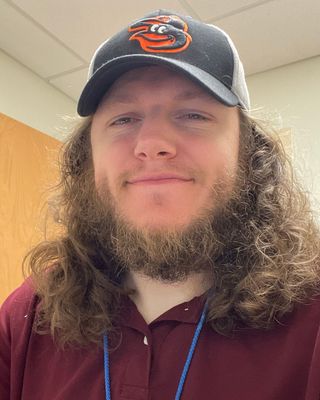
Hosted by Kyle Timothy Lindner
LPC Intern
Verified Verified
Group meets in Owings Mills, MD 21117
If you're wondering how your mental health could improve, seeking help could be right for you. Whether you've been diagnosed, are seeking diagnosis, are just having a hard time, or need help attaining the mental health you desire, beginning your search is a great first step. With a history in case management and an education in clinical treatment, I can assist you in this journey. I appreciate your consideration to include me in this journey, and will always give my all to serve you the best I can.
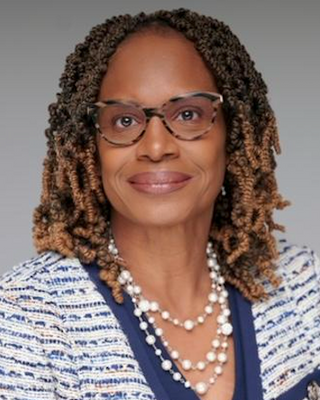
Hosted by Lisa Marie Jibril
Clinical Social Work/Therapist, LMSW
Verified Verified
Group meets in Owings Mills, MD 21117
Dialectical Behavior Therapy group for intense emotions, disrupted relationship patterns, and skill building.
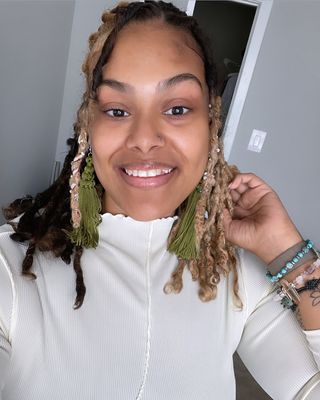
Hosted by Cara Baltimore Lcsw-C
Clinical Social Work/Therapist, MSW, LCSW
Verified Verified
Group meets in Owings Mills, MD 21117
I am a Licensed Clinical Social Worker specializing in children, adolescents, and families. I have a passion for helping others reach their highest self and offer a safe, comfortable, and culturally competent atmosphere. I provide a holistic approach that allows you to be the author of your own treatment. I am a hands-on therapist that encourages others to apply skills directly in practice. I am most passionate about helping individuals move trauma from the mind and body, equipping them with the skills necessary to take control of their lives and begin truly living.
We are a wellness folcused Primary Care and Psychiatric clinic, catering to members of the Owings Mills and surrounding Baltimore County communities. We also offer telehealth services, so distance is not a limitation to become one of our cherished clients. We have flexible scheduling including late weekday hours and weekends. We have 2 Psychiatric Nurse Practitioners, and we collaborate with psychotherapists to ensure the continuity and completeness of care rendered.

Hosted by Serene Care Clinics
Psychiatric Nurse Practitioner, PMHNP, FNP, BC
Verified Verified
Group meets in Owings Mills, MD 21117
Are you looking for a calm and accepting environment where your needs are not cookie cutter? Where you are not only heard but listened to? Where your uniqueness is treated as an opportunity to understand and tailor your plan of care to you as an individual, not as a number or an example? Look no further, we are here to help you!
Using a cognitive behavioral therapeutic (CBT) focus, this teen anxiety group (TAG) will address two areas: awareness and coping skills. The group will be created to help members gain knowledge about anxiety and how to manage it in healthy ways. In addition, members will learn coping skills and awareness of how the body responds to anxiety.
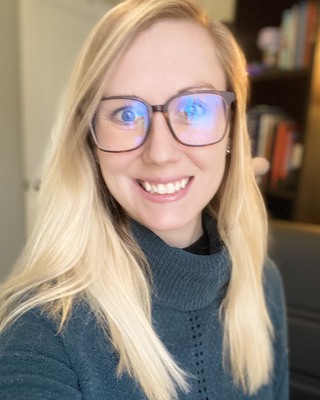
Hosted by Sara Ruiz
Licensed Clinical Professional Counselor, MS, LCPC
Verified Verified
Group meets in Owings Mills, MD 21117
Is your family struggling right now? Is your child having issues in school? Are you feeling hopeless or helpless? Have you undergone a traumatic event you have not been able to talk about or work through? I understand these things can be difficult and therapy is something that could assist you in moving forward in your life. I believe that reaching out to a therapist is a great place to start and I would appreciate the opportunity to be that person.
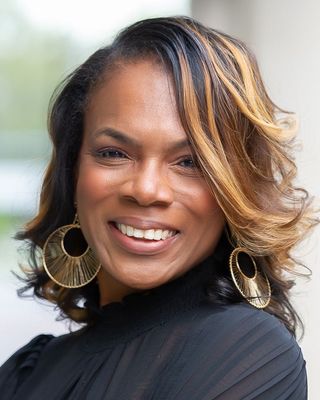
Hosted by Ebony Vaughan
Clinical Social Work/Therapist, LCSW-C, CCTP
Verified Verified
Group meets in Owings Mills, MD 21117
Anxiety and Stress
Hosted by Baltimore Psychiatry, LLC
Psychiatric Nurse Practitioner
Verified Verified
Group meets in Owings Mills, MD 21117
FAST new patient appointments across Maryland! We can work with ALL private insurance policies. Baltimore Psychiatry provides medication management for ADHD, depression, anxiety, and many other disorders. Our practice was designed with an emphasis on quality, convenience, and affordability for our patients. Our evaluations are scheduled for a full 90 minutes to ensure thorough treatment. We want our patients to be comfortable with their questions answered and needs met. Low cash pricing is available to those not using insurance. We offer evening and weekend hours to complement our patients busy schedules, rather than disrupt them.
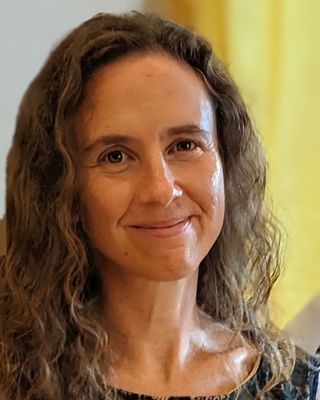
This group engages in mindfulness and loving-kindness practices and is a training in deep listening and speaking from the heart. We engage in topics from Buddhist Psychology and apply them to our everyday lives to cultivate more flexible, joyful and compassionate minds and hearts. This is a closed group that is offered three times a year, fall, winter and spring and includes weekly virtual sessions followed by a day-long in-person retreat. Receipts will be provided each session that can be submitted for reimbursement. Contact me if you are interested in joining an upcoming group.
Hosted by Yeshe Clarke
Clinical Social Work/Therapist, LCSW-C
Verified Verified
Group meets in Owings Mills, MD 21117
We all possess natural wisdom and the inherent capacity for health and healing. By engaging in mindfulness and loving kindness practices and principles we can take an honest look at ourselves, cultivate gentleness and compassion and work more skillfully with the make-up that we have. With this as our foundation we can realize that times of difficulty and struggle are also opportunities for tremendous growth and discovery.
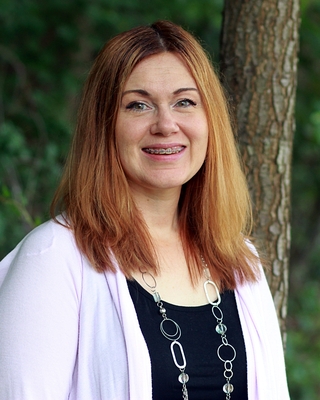
We are excited to announce the launch of a new group this fall, “Can We Talk About It?”, targeting the age group of 11-13. The primary goal of this group is to facilitate conversations and activities that educate pre-teens and young teens about self-esteem. Our aim is to provide members with a deeper understanding of themselves and strategies to nurture their self-esteem. Can We Talk About It?
Hosted by Jeanna Westa
Licensed Clinical Professional Counselor, MA, LCPC
Verified Verified
Group meets in Owings Mills, MD 21117
Are you struggling right now? Is your family struggling? Is your child having issues in school? Are you feeling hopeless or helpless? Have you undergone a traumatic event you have not been able to talk about or work through? I understand these things can be difficult and therapy is something that could assist you in moving forward in your life. I believe that reaching out to a therapist is a great place to start and I would appreciate the opportunity to be that person.
We have 2 psychiatric nurse practitioners that work with our program to offer evaluation and medication management for mental health needs and relapse prevention. We also offer medication assisted recovery to include suboxone and vivitrol.
Hosted by Kindred Treatment Center
Treatment Center, LCPC, CAC-AD, LGPC, LCSW, LMSW
Verified Verified
Group meets in Owings Mills, MD 21117
Our mission is to deliver all-encompassing behavioral health services to both adults and children within our community. We embrace a "no wrong door" approach, aiming to offer an array of services tailored to the unique needs of each individual, with the goal of enhancing their potential for success and fostering long-term recovery. Common issues our clients seek services for include Depression, Anxiety, Social Anxiety, Relationship struggles, Grief, PTSD, Trauma, Addiction, Chronic Disease burn out, and mood disorders.
See more therapy options for Owings Mills


FAQs - About Group Therapy and Support Groups
How can I find a support group in Owings Mills?
Search for nearby support groups by inputting your city, zip code, or the name of the group into the search bar. From there, you can filter to find a group that suits your needs, whether you are looking for support for a teenager, a group that focuses on a specific issue, such as depression, or a particular program type, such as one geared toward developing social skills. To navigate between locations within the same country, enter a new city or zip code into the search bar.
How does group therapy work?
Therapy groups are led by one or more therapists and serve to help people process their experiences and learn from others who understand their challenges firsthand. They can be based on a specific issue, such as addiction, grief, physical illnesses, parenting, and caregiving. They can involve a specific type of program or therapy, such as a social skills group or CBT group. They can also be specific to a particular population or community, such as teens or LGBTQ.
Support groups, like Alcoholics Anonymous, also focus on a specific issue, but are typically led by members with lived experiences and are less structured than therapy groups. Most therapy groups will meet for a fixed length of time with a consistent group of members, while many support groups meet for an indefinite period of time with members coming and going.
Support groups, like Alcoholics Anonymous, also focus on a specific issue, but are typically led by members with lived experiences and are less structured than therapy groups. Most therapy groups will meet for a fixed length of time with a consistent group of members, while many support groups meet for an indefinite period of time with members coming and going.
What are the benefits of group therapy?
Support groups help connect people with shared challenges or physical and mental health conditions. In a group setting, participants can receive support and feedback from peers and can acquire new skills, strategies and perspectives by listening to one another. Discussing your experience with someone who also has a cancer diagnosis, or whose son also struggles with addiction, for example, can help you feel less alone, reduce distress, find empathy and connection, and learn practical or medical information that has helped others. Group therapy can also be a more affordable option than individual therapy and just as effective.
Is group therapy as effective as individual therapy?
Support groups can be deeply valuable for both emotional support and/or treatment outcomes. It’s difficult to make a blanket statement on efficacy due to the many different types of support groups and conditions treated, but group therapy has been found to be just as effective as individual therapy in establishing long-term abstinence for conditions such as substance abuse, addiction and alcohol abuse.
How much does group therapy cost?
Group counseling is typically less expensive than individual counseling, with each session costing on average between $60 to $75. Meanwhile, individual therapy sessions can run anywhere from $100 to $200 and up, even after insurance. It is possible to find low-cost group therapy options and many therapists offer group sessions free of charge.
Does insurance cover group therapy?
As with individual therapy, many insurance companies do offer coverage for group therapy sessions. However, the coverage varies based on your insurance plan details and whether you choose an in-network or out-of-network mental healthcare provider. Individuals are encouraged to check with their insurance providers to verify coverage.
How long does group therapy last?
The length of a support group session is often one hour but can fall anywhere between 45 minutes and two hours. The amount of time that people remain in a support group varies based on their specific needs and goals and the type of therapy. Some individuals may seek a shorter-term group, such as a bereavement group, that may last between six and 20 weeks. Some may seek a longer-term group that lasts for a year or indefinitely.
What are the limitations of support groups?
Support groups have many benefits, but there are a few limitations as well. Support groups do not constitute formal therapeutic or medical treatment, and are not run by licensed mental health professionals, so some people may opt for group therapy or individual therapy instead. Additionally, support groups can depend on the other participants, so a disruptive individual has the potential to mar the group dynamic, and the anecdotal information shared may sometimes be unhelpful or inaccurate. Because it is a group setting, confidentiality can be more difficult to guard and participants receive less personalized attention than they would in an individual therapy session.