Support Groups in Brookline, MA
A skills-based and emotional support group for parents of young kids. Are you a parent of a young kid and feeling like you are 'doing it wrong'? Is your child anxious, irritable, worried, or having frequent meltdowns? Do you find yourself yelling or responding in a way you don't like? Come spruce up your parenting, add concrete Behavioral Medicine Skills to your toolbox, understand yourself as a parent more deeply, and find support from parents willing to talk about the things that are hard to share. 6 weeks, $350/program. Starts March.

Hosted by Bobbi Wegner
Psychologist, PsyD
Verified Verified
Group meets in Brookline, MA 02446
Dr. Wegner is a Clinical Health Psychologist who specializes on the impact of stress on kids, parents, and families, leading her to treat, teach, write, and speak on these issues. She is a Supervising Clinical Psychologist at Boston Behavioral Medicine and a Lecturer at Harvard Graduate School of Education in Human Development and Psychology. Dr. Wegner regularly publishes on large, mainstream media outlets. She is an expert for NBC News’ parenting website (www.parentoolkit.com/expert/dr-bobbi-wegner) and a blogger for Psychology Today (https://www.psychologytoday.com/us/blog/perfectly-imperfect-parenting), among others.
Our founders, Ainat Rogel (PHD, MSW, BCN, LICSW) and Diana Martinez (MD, PHD, LMCH, BCN), met while working with Bessel van der Kold at the Trauma Center in Brookline. Driven by the desire to help clients, conduct research, and train other professionals, Ainat and Diana decided to open their own neurofeedback center. In May 2018, their vision of offering holistic and personalized clinical services, conducting research, and educating both clients & clinicians—all the while maintaining the highest professional and ethical standards—came true, and Boston NeuroDynamics was opened.

Hosted by Boston NeuroDynamics
Clinical Social Work/Therapist, PhD, MSW, LICSW, BCN
Verified Verified
Group meets in Brookline, MA 02446
Our mission is to support our patients with mental or neurological disorders from the initial diagnostic to the end of the intervention, offering them state of the art technology to evaluate and treat the brain with integrative modalities. Our services use different techniques aimed to modulate neural functions for the purpose of improving brain function. Our highly qualified and experienced clinical staff offers the human treatment that every patient looks for in their recovery. We listen and care; our goal is to improve our patients quality of life.
This group is for male survivors of trauma who are already in therapy--who struggle with relationship, sexual, alcohol and/or drug addiction or pornography

Hosted by Brookline Psychological Services
Marriage & Family Therapist, MA, LMFT
Verified Verified
Group meets in Brookline, MA 02446
Since 1986, I have specialized in working with male and female survivors of sexual abuse and trauma, as well as addiction . I am Executive Director of TakingBackOurselves. (www.takingbackourselves.org) , a resource for survivors of sexual abuse and assault dedicated to empowering survivors of sexual trauma. I work in the therapy process to provide the challenge, balance, and support for men and women to do their work with courage and dignity, with hope and a sense of humor..
In this group, we will explore all kinds of Relationships in the group members’ lives, including Family, Business, Romantic, Friendships, and others. We will use examples of how people relate in the group to improve the client's relationships outside the group. Groups are available at 2 locations, in Belmont and Brookline.

Hosted by Felix William Treitler
Clinical Social Work/Therapist, LICSW, USTA, USPTA
Verified Verified
Group meets in Brookline, MA 02445
I offer a co-ed Relationship Group. Feel free to inquire more about how this kind of therapy can be quite useful. I do Individual, Couples, Family, and Group Therapy. I currently facilitate a Bereavement Group which meets at my Brookline office every Saturday from 2-4pm. I also run groups for substance abuse, depression and anxiety. In addition, I have a lot of experience counseling children of all ages. I am a firm believer in strength-based psychotherapy.
Using the Tapas Acupressure Technique, results of pre- and post-assessment from previous group members reveal a dramatically improved relationship with food, feelings and realistic weight loss as published in NASW Focus Newsletter, February 2011.
"Sugar doesn't talk to me anymore. I stopped binge eating using TAT directly on the habit of binge eating and on emotions such as abandonment related to bingeing."
"This has been a terrible week with my husband's health and our relationship but I'm completely in control about food. I'm sticking to my eating plan and losing weight."
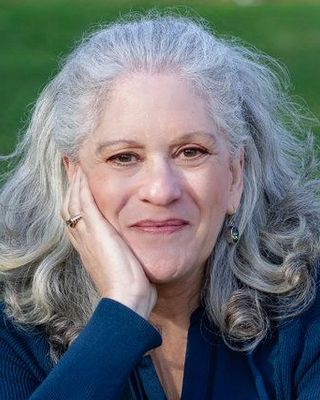
Hosted by Beth Rontal
Clinical Social Work/Therapist, MSW, LICSW
Verified Verified
Group meets in Brookline, MA 02446
TRANSFORM OVEREATING! You can lose weight without depriving yourself of or punishing yourself with food. This may sound crazy, but if you learn to love the body you have, change can be lasting and genuinely satisfying. Using a holistic and non-diet approach, you will discover how to deeply care for yourself while setting loving limits with others. Together, we'll identify what makes you run to the fridge so your relationship with food is changed for good.
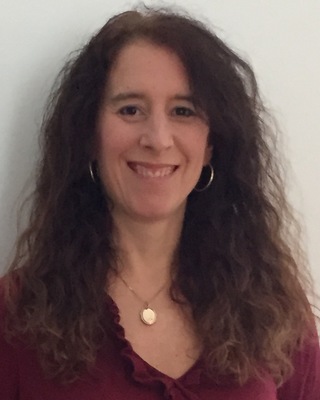
Hosted by Julie Gold
Psychologist, PhD, LLC
Verified Verified
Group meets in Brookline, MA 02446
A major element of my CBT group is reducing the patterns of avoidance that come to control a person's life. Many people with panic and anxiety disorders experience tremendous discomfort in situations they cannot "get out of" including social gatherings, classrooms, and subway cars. The avoidance of these situations can interfere with the development of academic, professional, and personal goals, and contribute to other mental health issues, including isolation and depression. CBT has been demonstrated in clinical studies to significantly reduce these avoidance-based behaviors and return people to their normal lives and routines. Please contact me to join.
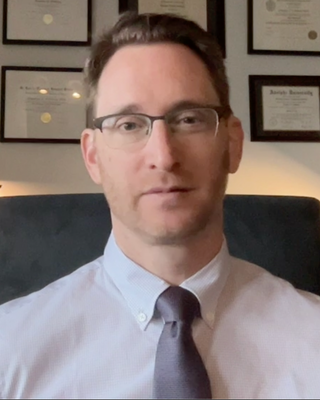
Hosted by Jonathan E. Goldberg
Psychologist, PhD
Verified Verified
Group meets in Brookline, MA 02445
NOW Accepting New Clients: There is no way to adequately describe the experience of living with depression and anxiety. For the roughly 14% of Americans who suffer from these conditions, everyday activities, such as going to work, speaking in class, even meeting friends for dinner, can become agonizing challenges accompanied by a host of negative physical and emotional symptoms. Perhaps you've noticed your face burning when you speak in public; have felt like an impostor at work and wait to be "found out," or maybe you've experienced a surge of panic (racing-heart, trouble breathing, dizziness, nausea) when you least expected it?
If you are a woman trying to figure it all out, find community, insight and support in this Women's Group. This will not be a cookie-cutter magazine pop psychology lecture with arbitrary advice...this will be a real conversation between 6-8 empowered women sharing the strategies and secrets to managing the particulars of an amazing life. The topics for this group include (but are not limited to): Career, choices around whether/when to have children, conflict, self esteem, self care, balance, relationships, finances/ financial management, family and friends.

Hosted by Emily Pilowa
Clinical Social Work/Therapist, LICSW
Verified Verified
Group meets in Brookline, MA 02446
The clients I work with know how much I love and deeply respect the work we do together. Using a combination of narrative therapy, strengths based therapy and psychodynamic methods, I help each person establish their personal story and identify their personal goals. In addition to talk therapy, I am an EMDR practitioner and use this treatment to relieve trauma and advance clinical treatments. Please visit my website for more info or contact me to set up a quick phone call.
Happy taps, meditation taps, tap for different member issues , utilizing the "borrowing benefits" for all. Bring your issue and I will show you how to tap. COME AND HAVE FUN AND LEARN SOMETHING FANTASTIC!
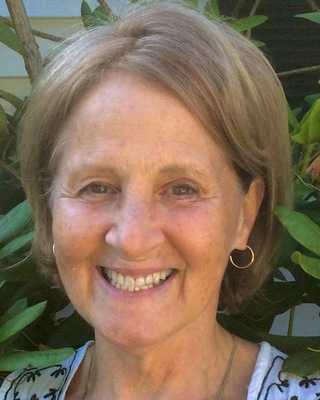
Hosted by Tita Wernimont, LICSW
Clinical Social Work/Therapist, LICSW
Verified Verified
Group meets in Brookline, MA 02446
For 29 years I have been helping people find ways to cope with stress, depression, anxiety, and PTSD. I work with adults and seniors of many cultures, ethnicities, spiritual beliefs and sexual orientations to increase awareness/ mindfulness, develop strategies to manage emotions and thoughts, let go of limiting fears and beliefs, increase a sense of well-being, and experience the freedom to take positive action.
Boston Behavioral Medicine offers groups services for adults across the life span, including the emerging adult populations. Our groups runs for approximately 8 weeks. Call 617-32-2435 x) for specific date and time details.

Hosted by Boston Behavioral Medicine, LLC
Psychologist, PhD, MA
Verified Verified
Group meets in Brookline, MA 02446
Behavioral Medicine is an interdisciplinary field that utilizes behavioral health techniques (CBT, relaxation, hypnosis, biofeedback, mindfulness meditation, and others) to treat various medical and behavioral health conditions. It primarily targets the treatment of medical conditions that are exacerbated by stress and other psychological factors, such as: hypertension, diabetes, IBS, migraine headaches, TMJ, skin disorders, sexual disorders, and others. Behavioral Medicine specializes in treating conditions associated with habits and lifestyle, such as: insomnia, obesity, smoking. Behavioral Medicine interventions can be applied to the treatment of common mental health disorders including depression, anxiety disorders, phobias, PTSD, OCD, and ADHD, among others.
A 5 session program for those interested in learning how to use therapeutic movement, breathing techniques, mindfulness and meditation, to find release from stress and improve well-being. In our practice we will be drawing on the Eastern traditions of Yoga, Ayurveda, Chi Gong/ Tai Chi, as well as allowing, in the best of Western tradition, the opportunity for sharing and open discussion, all in a safe and supportive environment. Note: this is not a Psychotherapy group, so may not be covered by your medical insurance, yet it is a wonderful adjunct to therapy. Please call/email in advance, since space is limited.

Hosted by Roxana Albut Sahlean
Counselor, MEd, LMHC
Verified Verified
Group meets in Brookline, MA 02446
If you are here, I believe you can see, even if not clearly, that there are other - better - possibilities for you. I do not think of psychotherapy as the process of eliminating illness, rather that of creating health. Receiving a diagnosis may provide a measure of relief, but in the end it is just a description of symptoms. The real work, in my mind, is that of discovering your true potential and actualizing it. I consider it an honor and privilege to be invited as guide on such a journey, whether you come to me as a patient suffering from depression, anxiety or grief, or as a therapist looking for guidance and supervision.
BPAR offers several adult adoptee groups and workshops, including a general adult adoptee group, a group for adoptees of color, a healthy relationships group for adoptees, and a writing workshop. The cost of the groups are $30-$35 per person. Please note an initial phone screen is required for all new group members.

Hosted by Boston Post Adoption Resources
Clinical Social Work/Therapist, LICSW
Verified Verified
Group meets in Brookline, MA 02445
Boston Post Adoption Resources, also known as BPAR, is a nonprofit organization that was founded to support all individuals and families who are touched by adoption. We understand the challenges and impact that adoption can have on relationships, family dynamics, and identity. Our team of licensed mental health professionals is specifically trained to deal with post adoption challenges with clients of all ages in individual, family and group settings. We recognize that every situation is different, and our goal is to provide support to you and your family on your lifelong journey through adoption.
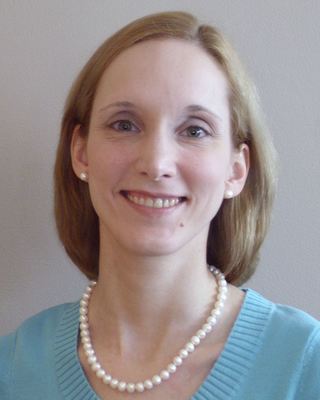
Mealtimes can be the hardest part of eating disorder recovery. If you need a little extra support, this group is for you! Each group begins with a time for checking in and setting intentions, and includes a skill or concept tailored to meal-time challenges. We then eat lunch together, with coaching and peer support, followed by an opportunity to process the experience together. The group is open, with a 4-week commitment. It is perfect for people coming out of a more structured program, or for those who need some extra support to jump-start recovery.
Hosted by Natalie L Hill
Clinical Social Work/Therapist, LICSW
Verified Verified
Group meets in Brookline, MA 02446
*No Current Openings* Are you looking to make a change in your life? Whether you are struggling with eating or weight, mood, anxiety, trauma, addictions, relationship issues, or simply want to embrace life more fully, I will work with you to: learn new ways of coping more effectively; understand how symptoms may function in your life; envision a life free from their influence; and plan and enact strategies for change. I have an innovative, evidence-based approach, incorporating an individualized combination of Cognitive Behavioral (CBT), Dialectical Behavioral Therapy (DBT), Narrative Therapy, and Motivational Enhancement.
Group Teletherapy

Hosted by Marjan Taleshian
Mental Health Counselor, LMHC
Verified Verified
Group meets in Brookline, MA 02446
I provide individual psychotherapy and have experience working with people who struggle with a variety of life challenges and emotional concerns including relationship issues, work and academic struggles, family difficulties, codependence, depression, anxiety, and mood disorders. My practice welcomes adults with all gender identities and diverse backgrounds. I specialize primarily in psychodynamic and psychoanalytically-oriented therapy and integrate different treatment approaches, when appropriate, to address the unique needs and concerns of each person.
An intentional space for BIPOC women navigating the profound experience of pregnancy and infant loss. Whether your journey includes a failed IVF cycle, miscarriage, TFMR, or any form of pregnancy or infant loss, We offer a space to anchor yourself and welcome members from all around the world! As a member, you'll gain access to a community with tailored resources and support. From monthly healing circles to empowering activities, this is where you can honor your journey and find a path to healing. To join please visit https://bit.ly/4cCSRON or check us at www.RisingHopeCW.com

Hosted by Rising Hope Counseling and Wellness
Clinical Social Work/Therapist, LICSW, RYT-200
Verified Verified
Group meets in Brookline, MA 02446
Life can be tough! But I think we sometimes forget our resilience when life, school, work, and family, throws us twists and turns. Sometimes, we need a little help in balancing all the demands that are placed upon us and that we place upon ourselves. Welcome to your journey to self re/discovery! You have taken a major step towards your goals even by reading this profile. As your Counselor, I see this as a collaborative process. Using a very kind, personable, authentic and non-judgmental approach, we will walk together as you discover your many hidden strengths along the way to hope and healing.
Ongoing, confidential support group for women+ who are contemplating divorce or who are navigating the process of divorce. Group meets weekly in Brookline on Tuesdays from 10:45 am until noon. Please call for more information or to schedule a screening interview at 617-232-8971 or email me at oonametzlicsw@gmail.com. For more information, please visit my website at oonametz.com

Hosted by Oona Metz
Clinical Social Work/Therapist, LICSW, CGP
Verified Verified
Group meets in Brookline, MA 02446
I treat adults and adolescents in individual and group therapy in my Brookline and Arlington offices. I work with clients on a variety of issues including depression, anxiety, sexuality, divorce, step-parenting, trauma, loss and grief. Through exploration and collaboration, I help clients gain more clarity, become more connected, and feel greater satisfaction with their lives. In addition, I provide supervision, consultation and training to clinicians on group therapy and a variety of other topics.
Eating disorder recovery group for students currently attending higher education. Occurring virtually beginning on 9/15/22 and running for 8 weeks. Please reach out to complete a brief intake.

Hosted by Meghan Brown
Counselor, LMHC
Verified Verified
Group meets in Brookline, MA 02446
**Please email me if you are interested in being added to my waiting list for individual therapy** I believe that clients who struggle with eating disorders have inherently painful emotions which are managed by various harmful behaviors. In that context these behaviors make sense! I work collaboratively with clients, their support network, and their outpatient providers to find ways to change these behaviors and manage emotions in both the short and long term.
Group Chat: Exploring Friendships & Relationships for LGBTQ+ Youth
AGES 11-14 | TUESDAYS AT 6PM | ON ZOOM AGES 15-18 | THURSDAYS AT 6PM | ON ZOOM In this 10-week group, members will explore the joys and intricacies of relationships - whether it be relationships with self, friends, family, or romantic partners. Topics will be tailored to the age of the group members and will include consent, boundaries, building and nurturing friendships, online vs IRL interactions, how relationships change as we grow up, and how our LGBTQ+ identities inform our relationships.

Hosted by Sayftee, LLC
Counselor, LMHC
Verified Verified
Group meets in Brookline, MA 02446
Please do not call. To inquire, fill out the "Contact SAYFTEE" form on our website (www.sayftee.com/contact-us). We are a socially conscious group practice of queer, trans, and nonbinary clinicians. We offer a range of services including individual, couple/relationship, group, and family therapy. Our clinicians work with children, adolescents, and adults. We are committed to serving gender expansive and LGBTQI+ people and those who love them. Learn more about us and our team on our website!
Participants will learn essential skills to regulate emotions, tolerate distress, navigate interpersonal relationships effectively and to incorporate mindfulness practice into their lives. This 14 week-group is structured more like a workshop in which participants learn from instruction and skills practice in between sessions to gain mastery. Prior to starting the group, members will have a 60 min individual intake session with Dr. Blanchard to identify behaviors/issues and to work on individualized goals. The group starts on Thursday September 12th 2024 from 12- 1:15 PM. This is a self-paid group. For info email yanina.blanchard@gmail.com

Hosted by Dr. Yanina Gonzales Blanchard
Psychologist, PsyD
Verified Verified
Group meets in Brookline, MA 02446
Currently, accepting referrals for Adult DBT group starting on Sep 12th 2024. I see psychotherapy as a safe place where healing and change are fostered. I help patients to be able to gain awareness of their own thoughts, feelings and behaviors so they are able to change aspects of themselves that are holding them back from having a self-fulfilling life. I believe that everybody has the capacity to change and live a life worth living. The therapeutic relationship is central. I provide a warm, caring, nonjudgemental and compassionate environment that helps clients to feel supported while working on their goals.
A group for gay men (25-50yo) who want more satisfying sexual/ romantic relationships. Even though things look good on the outside: good job, nice place, decent friends but secretly on the inside are you struggling with finding the kind of long term relationship that you're looking for? Are you concerned about the amount of time it takes online to meet guys - and afterward find yourself feeling alone and guilty? Or you have a boyfriend but have questions about monogamy? Connect and get support for the small changes that you will make to get your sexual/intimacy needs met.

Hosted by Scott Garvin
Counselor, MA, LMHC, LPC
Verified Verified
Group meets in Brookline, MA 02446
Do anxious or depressed feelings interfere with your plans for that new job, new living situation or getting and keeping healthy supportive relationships? Do you find yourself distracted and know there are things you just keep putting off? I work with adults who are motivated to make internal changes that lead to external results in their lives. My clients are no longer willing to remain stuck with old thought patterns and behaviors that limit them. Clients report that our work together is insightful, exciting and important.
See more therapy options for Brookline


Nearby Searches for Brookline
See More Support GroupsFAQs - About Group Therapy and Support Groups
How can I find a support group in Brookline?
Search for nearby support groups by inputting your city, zip code, or the name of the group into the search bar. From there, you can filter to find a group that suits your needs, whether you are looking for support for a teenager, a group that focuses on a specific issue, such as depression, or a particular program type, such as one geared toward developing social skills. To navigate between locations within the same country, enter a new city or zip code into the search bar.
How does group therapy work?
Therapy groups are led by one or more therapists and serve to help people process their experiences and learn from others who understand their challenges firsthand. They can be based on a specific issue, such as addiction, grief, physical illnesses, parenting, and caregiving. They can involve a specific type of program or therapy, such as a social skills group or CBT group. They can also be specific to a particular population or community, such as teens or LGBTQ.
Support groups, like Alcoholics Anonymous, also focus on a specific issue, but are typically led by members with lived experiences and are less structured than therapy groups. Most therapy groups will meet for a fixed length of time with a consistent group of members, while many support groups meet for an indefinite period of time with members coming and going.
Support groups, like Alcoholics Anonymous, also focus on a specific issue, but are typically led by members with lived experiences and are less structured than therapy groups. Most therapy groups will meet for a fixed length of time with a consistent group of members, while many support groups meet for an indefinite period of time with members coming and going.
What are the benefits of group therapy?
Support groups help connect people with shared challenges or physical and mental health conditions. In a group setting, participants can receive support and feedback from peers and can acquire new skills, strategies and perspectives by listening to one another. Discussing your experience with someone who also has a cancer diagnosis, or whose son also struggles with addiction, for example, can help you feel less alone, reduce distress, find empathy and connection, and learn practical or medical information that has helped others. Group therapy can also be a more affordable option than individual therapy and just as effective.
Is group therapy as effective as individual therapy?
Support groups can be deeply valuable for both emotional support and/or treatment outcomes. It’s difficult to make a blanket statement on efficacy due to the many different types of support groups and conditions treated, but group therapy has been found to be just as effective as individual therapy in establishing long-term abstinence for conditions such as substance abuse, addiction and alcohol abuse.
How much does group therapy cost?
Group counseling is typically less expensive than individual counseling, with each session costing on average between $60 to $75. Meanwhile, individual therapy sessions can run anywhere from $100 to $200 and up, even after insurance. It is possible to find low-cost group therapy options and many therapists offer group sessions free of charge.
Does insurance cover group therapy?
As with individual therapy, many insurance companies do offer coverage for group therapy sessions. However, the coverage varies based on your insurance plan details and whether you choose an in-network or out-of-network mental healthcare provider. Individuals are encouraged to check with their insurance providers to verify coverage.
How long does group therapy last?
The length of a support group session is often one hour but can fall anywhere between 45 minutes and two hours. The amount of time that people remain in a support group varies based on their specific needs and goals and the type of therapy. Some individuals may seek a shorter-term group, such as a bereavement group, that may last between six and 20 weeks. Some may seek a longer-term group that lasts for a year or indefinitely.
What are the limitations of support groups?
Support groups have many benefits, but there are a few limitations as well. Support groups do not constitute formal therapeutic or medical treatment, and are not run by licensed mental health professionals, so some people may opt for group therapy or individual therapy instead. Additionally, support groups can depend on the other participants, so a disruptive individual has the potential to mar the group dynamic, and the anecdotal information shared may sometimes be unhelpful or inaccurate. Because it is a group setting, confidentiality can be more difficult to guard and participants receive less personalized attention than they would in an individual therapy session.