Support Groups in Santa Clarita, CA
Based on the research of psychologist Dr. John Gottman, this virtual workshop was designed for pre-engaged, pre-marital, and married couples. Two hours allows for presenting an overview of the research on relationships and permits couples to do a friendship building exercise. However, please note that this workshop is psychoeducational. It is not couples therapy, and it is not appropriate for all couples, including those with severe relationship distress, emotional abuse, domestic violence, active addictions, and serious mental health problems.

Hosted by Kristine San Mateo Virgen
Marriage & Family Therapist, MA, LMFT
Verified Verified
Group meets in Santa Clarita, CA 91350
As a Licensed Marriage and Family Therapist (in CA, HI, NV, and WA) with over 9 years of dedicated experience in the mental health field, I recognize that reaching out for support can be a significant step. My goal is to provide a compassionate and empathetic space where you can explore your concerns and work towards meaningful change without fear of judgment. Whether you are struggling with stress, anxiety, depression, trauma-related issues, or relationship problems, I am here to support you by offering guidance in navigating these challenges with understanding and respect.
Sandi Meyers and Valerie Franco, Registered Psychological Associates, will facilitate a 6-session virtual wellness group to manage emotions and challenges experienced during winter. Whether it’s grief, family, loneliness, or general winter and holiday stress, this can be a difficult time for many. Join the group to find support from others and learn strategies to help you cope. Call for more information and to see if this group is the right fit for you. Limited spots are available. Participants must reside in California to participate. Call or email us at: (562) 661- 9831 or referrals@uprisepsychwellness.com.

Hosted by Uprise Psychological Wellness Corp
Psychologist, PsyD
Verified Verified
Group meets in Santa Clarita, CA 91321
Uprise Psychological Wellness is a telehealth-based therapy practice committed to providing accessible mental health services from the comfort of your own privacy and space. We enjoy helping individuals (children, families, adolescents, and adults) explore patterns impacting their relationships, finding ways to manage stressful situations, and exploring their emotions and behaviors to help make significant improvements in their lives. We provide trauma-informed care to treat a variety of clinical presentations with different age groups.
This group, currently video IS ON-LINE includes both men and women who are interested in ENHANCING RELATIONSHIPS and learning to SEE THEMSELVES and OTHERS MORE CLEARLY. "Emotional skill building" and education is the ultimate goal to achieve higher levels of emotional functioning and overall mental and physical health. This group also addresses anxiety, depression and other personal and life challenges. "Mindfulness" is a strong aspect of this group process as participants pay attention to the current process in the group.
Hosted by B Jane Wick
Psychologist, PhD
Verified Verified
Group meets in Santa Clarita, CA 91390
Feeling "blue", anxious and too stressed? Relationship difficulties? As an experienced, trusted therapist, I am here to help. I can offer you both traditional "inside office" talk therapy and/or a unique "alternative" outdoors therapy- EQUINE ASSISTED PSYCHOTHERAPY. Because horses are so attuned to their environment, they provide extremely accurate feedback or "mirrors" for our human feelings and relational dynamics. Horses facilitate "mindfulness" and help people to QUICKLY learn more about about themselves leading to substantial change and healing. I offer individual, couples, family, group therapy and/or EAP.
The last few years have brought a lot of difficulty and change. No one expects to experience a pandemic in their lifetime, so adjusting back to “normal” life can feel overwhelming and, in some cases, impossible. Join us for a wellness group to improve your overall well-being with the support of peers who have experienced similar thoughts and feelings.

Hosted by Valerie Franco, M.A., Online Therapy in California
Psychological Associate, MA
Verified Verified
Group meets in Santa Clarita, CA 91321
I often hear clients say “I’m having a hard time connecting with people in my life” or “I wish I wasn’t this unhappy.” It can be hard to navigate day to day life when your overall mood is generally unhappy, sad, and less motivated, if it’s hard to get out of bed, and/or when you feel like there’s not much going on in your life. Depression can look a lot of different ways, and this is just one of them. If this sounds like something you want to work on, then I can help.

Hosted by SCV Counseling Center
Marriage & Family Therapist, LMFT, MA, PhD
Verified Verified
Group meets in Santa Clarita, CA 91321
This group will address the often-overlooked emotional needs of mothers who have an Adult Child who has Serious Mental Illness.
Hosted by Barbara B Wilson
Clinical Social Work/Therapist, MSW, LCSW, EDPNA
Verified Verified
Group meets in Santa Clarita, CA 91355
We live in a time of great change. Many of the changes are forcing us to evaluate our values, our professions, our lifestyles, and many of our choices. This might feel like a personal earthquake. The upside of this time is that it provides a great opportunity for creating a new you, a you that remembers why Your life is worth living.
Anger Management combines educational and group process to help you reduce your anger and aggression. We are an active and supportive group. We meet on Wednesday evening at 6 or 7 pm. An individual meeting is required before starting the group.

Hosted by Mark Sterling Miller
Marriage & Family Therapist, MA, LMFT
Verified Verified
Group meets in Santa Clarita, CA 91321
Are you looking for a compassionate therapist with over 20 years experience? Are you suffering from painful anxiety, anger or sadness? I am positive, nonthreatening and yet active in helping you feel better. Through my personal and professional experiences, I have learned many styles and techniques to help you transform pain into personal growth. I am compassionate and supportive as I help you improve your life! I have struggled with many of the same issues which helps me relate and provide better treatment to you. See my other website: EmergeFromAnger.com.
Hosted by Healthy Living Residential Program
Treatment Center, MD
Not Verified Not Verified
Group meets in Santa Clarita, CA 91350
We accept Intensive Outpatient Program adults, teens, and children with depression, anxiety, PTSD, trauma, substance use now. Call (818)600-2034 for more details for enrollment.
Hosted by New U Therapy Center & Family Services
Marriage & Family Therapist, MD, LMFT, PsyD, LCSW, PMHNP
Verified Verified
Group meets in Santa Clarita, CA 91355
Psychiatry and Psychotherapy are available within one week. We take most of the insurance! We have multiple high-quality providers. In-person and Telehealth in CA! Free Ketamine Assisted therapy is included in the IOP and PHP programs for qualified patients. Call us to get a free assessment. We carefully create an individual treatment plan for each patient. We have over 40 clinicians. We have existed for over 8 years as a Mental Health Clinic and have a high reputation.
The group meets as membership allows. If you are going through divorce or have been recently been divorced this group would be perfect for you. We deal with issues such as: Anger, Depression, Anxiety, Parenting, New Relationships, and others.

Hosted by Michelle Stockton
Counselor, APCC
Verified Verified
Group meets in Santa Clarita, CA 91355
My mission is to empower individuals, couples, and families to navigate their challenges, discover their resilience, and lead lives that are fulfilling and meaningful.
The group meets as membership allows. If you are going through divorce or have been recently been divorced this group would be perfect for you. We deal with issues such as: Anger, Depression, Anxiety, Parenting, New Relationships, and others.

Hosted by Annie Miller
Marriage & Family Therapist, LMFT
Verified Verified
Group meets in Santa Clarita, CA 91355
It is my desire to provide a place of compassion and safety for individual adults, couples, children, and adolescents as they explore themselves and challenges in their life. Whether you are experiencing a loss, struggling with depression or anxiety, or facing changes in your family life or career, I will join with you to help you meet the goals you have to improve your life and relationships.
Supporting Moms with the transition to being Momma. Contact me for more details.
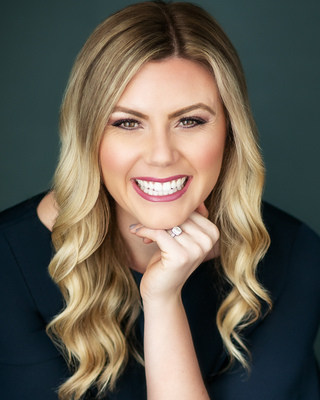
Hosted by Melissa Shaver
Marriage & Family Therapist, MA, LMFT
Verified Verified
Group meets in Santa Clarita, CA 91355
Are you finding yourself using coping skills that are no longer working? The minute we find balance life always likes to throw in a curveball that can throw us off, and I am here to help! Working with adults, families, and children I can help you find better ways to cope and support you through this journey of life. If you are looking to find support for your child or yourself, I help clients reach their goals by providing tools, information, and support.
Join us for 8 week sessions to learn how to define your boundaries and expectations and what to say and do when you feel yours have been violated or minimized. This is a great group if you want to educate yourself on all things boundaries and find a space to discuss your experiences and practice setting your newly learned boundaries!

Hosted by Jessica Dye
Marriage & Family Therapist, LMFT
Verified Verified
Group meets in Santa Clarita, CA 91381
Hello there! I’m an LMFT passionate about helping individuals identifying as women ages 20-45 find their balance in a supportive and welcoming space. If you’re feeling overwhelmed, stuck, or struggling with low self-esteem and boundaries, you’re not alone. In our sessions, we’ll tackle anxiety and depression together, break free from guilt about prioritizing yourself, and work on setting healthy boundaries in romantic and family/friend relationships. You'll learn to nurture your relationship with your body and mind while creating routines that truly honor your self-care. Let’s embark on this journey together and help you thrive!
Our providers are trained in many approaches, but they're all focused on one thing: helping you change your life. All our providers are licensed/registered and have Master's/Doctoral degrees, at least 2,000 hours of professional experience, and must have completed their own therapy before working with us. We also take the guess-work out of finding the right provider by offering a FREE consultation where we match you to a clinician based on your specific needs, budget, and schedule. We offer in person and video/phone sessions, as well as online portal for forms, payment, etc.
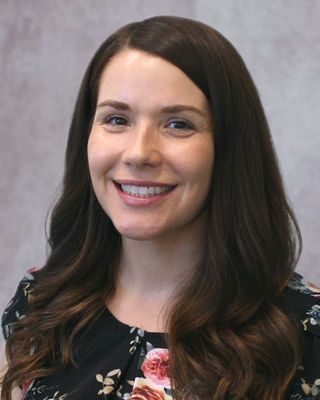
Hosted by Brittany Herrera
Marriage & Family Therapist, MA, LMFT
Verified Verified
Group meets in Santa Clarita, CA 91355
Are you struggling to make real change? Do you feel drained, anxious, irritable, insecure, or stuck in people-pleasing? Does conflict feel uncomfortable or scary? Do you fall into patterns in relationships or career and wish you could break the cycle? Sometimes, it isn't obvious why we do the things we do, but we can sense we're not our most authentic or successful self. Even when we know the cause of our distress, changing our behavior can still be hard. That's where I come in. My job is to listen without judgment, pressure, or bias and help you examine the root causes of your challenges to create the change you want in your life.
A therapy group for adult trans women and folx on the trans feminine spectrum. This will be an affirming, safe, and therapeutic space. Topics that will be discussed will include identity, dysphoria, transition, transmisogyny, and every day life.
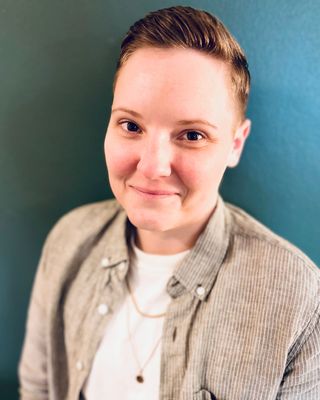
Hosted by Kat Ralph
Clinical Social Work/Therapist, LCSW
Verified Verified
Group meets in Santa Clarita, CA 91321
Welcome, I am so glad you are here. Life is hard, and finding a therapist is even harder! My goal is to create a safe, collaborative environment - one where you are respected, seen, and empowered! My ideal client is Queer, Trans, Gender non-conforming, or exploring their gender and sexual identities! I am queer, trans non-binary, white, neurodivergent human who values diversity and strives to use an anti-colonial lens.
Are you interested in a social-emotional group, from the comfort of your own home, to help your child learn how to socialize and form healthy relationships with peers, family, teachers, and others in their life? Register for a social skills group to support your child in identifying helpful patterns of communication and social interactions with others. The group will be open to school-aged children ages 8 to 11 years old. Participants must reside in California to be eligible. Girls Group: Tues. 4-5 p.m. Boys Group: Thurs. 4-5 p.m.
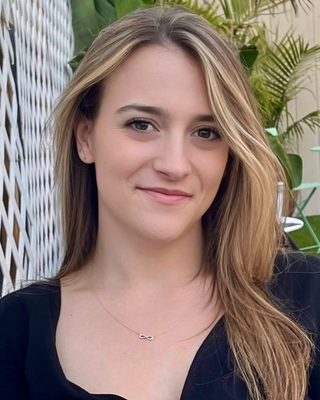
Hosted by Sandi Meyers
Pre-Licensed Professional, MA
Verified Verified
Group meets in Santa Clarita, CA 91321
Hi I'm Sandi! I have five years of experience working with individuals of all ages (between 2-years-old and 90-years old), as well as with families, within different mental health settings. I primarily work with adolescents and young adults who have experienced trauma, depression, anxiety, and difficult life changes. I also provide Parent-Child Interactive Therapy (PCIT), to support children and caregivers with parenting challenges, strengthening parent-child relationships, and helping respond and navigate big feelings and emotions. I am passionate about supporting clients in identifying difficult patterns and achieving their goals.
We are a unique organization that focuses on building and expanding strengths to find new solutions. We utilize both traditional and creative therapeutic techniques and approaches in order to meet individual, group, family, and couple's goals. This can include utilizing traditional psychotherapy (talk therapy) or creative arts therapy to help clients find more successful outcomes.

Hosted by Alexandra Field
Marriage & Family Therapist, MS, LMFT, MT-BC
Verified Verified
Group meets in Santa Clarita, CA 91321
Have you been feeling stuck? Not sure how to move forward? Weighed down by stress and worry? Is life at home tense and unbearable? Do the same patterns keep repeating with your spouse, partner, or significant other? Is sadness overwhelming and you can't seem to feel like your old self? If any of these ring true for you, you're in the right place. I believe that tapping into your own creativity can be a turning point toward self-improvement and healing. I can help you discover and utilize this in new and innovative ways.
Many folks have experienced all different kinds of grief and loss over the last few years and have been looking for a sense of community and safe place to talk. When it's not an “obvious” loss, like divorce or death, you may not even be aware that you're grieving. But anyone or anything lost can count as loss. Many grieving clients also want to see their therapist more than weekly, but that isn’t always financially feasible, so I'm also opening this lower-cost support group as a way to increase access to help. Email to RSVP.

Hosted by Zack Reed-Fier
Licensed Professional Counselor, MA, LPCC
Verified Verified
Group meets in Santa Clarita, CA 91355
Are you a people-pleaser? Feeling anxious, fatigued, or unmotivated? Are you burned out from chronic pain / illness? Are you or your loved ones repeating patterns & wishing you could break the cycle? Maybe life just feels more stressful than usual. Sometimes, we aren't sure what causes our distress, but we can sense we're not reaching our potential for health, happiness, or success. Even when we know the cause, change can still feel impossible. That's where I come in. My job is to listen, help you understand the root causes of your difficulties, break unwanted patterns, and teach you practical tools to help you change your life.
Hosted by Healthy Living Residential Program
Treatment Center, MD
Not Verified Not Verified
Group meets in Santa Clarita, CA 91350
A group for mothers experiencing mother loss. A safe space to share the sadness, loneliness, jealousy, unconscious triggers, fear of our own mortality, painful developmental stages in our children that remind us when our loss or rupture occurred. Motherless mothers don't have to have had their mother die, but can be not present/safe. As we raise our children we can be hyperaware of what we missed. We can be so busy trying to do the opposite of what our disappointing mother did that we parent in the negative. We can be overprotective and running on fear of loss.

Hosted by Ginette Rhodes
Marriage & Family Therapist, LMFT, APCC
Verified Verified
Group meets in Santa Clarita, CA 91355
Too often, we feel we are surviving rather than thriving. Do you feel stuck in grief or loss, or that your anxiety is running the show? Are your relationships painful or not satisfying?Also-Parenting is hard! Maybe you're a new parent and it isn't what you expected, or even hoped for. Nobody tells you about the postpartum experience -that internal voice in your head that is constantly critiquing the new role of motherhood you're taking on, mourning the version of yourself you once were. Not to mention the pain that comes with a birth plan gone wrong. If you're mothering without your own mother, that also comes with real challenges.
See more therapy options for Santa Clarita


Nearby Searches for Santa Clarita
- Burbank
- Encino
- Newhall
- North Hollywood
- Northridge
- Sherman Oaks
- Simi Valley
- Studio City
- Tarzana
- Valencia
- Van Nuys
- Woodland Hills
FAQs - About Group Therapy and Support Groups
How can I find a support group in Santa Clarita?
Search for nearby support groups by inputting your city, zip code, or the name of the group into the search bar. From there, you can filter to find a group that suits your needs, whether you are looking for support for a teenager, a group that focuses on a specific issue, such as depression, or a particular program type, such as one geared toward developing social skills. To navigate between locations within the same country, enter a new city or zip code into the search bar.
How does group therapy work?
Therapy groups are led by one or more therapists and serve to help people process their experiences and learn from others who understand their challenges firsthand. They can be based on a specific issue, such as addiction, grief, physical illnesses, parenting, and caregiving. They can involve a specific type of program or therapy, such as a social skills group or CBT group. They can also be specific to a particular population or community, such as teens or LGBTQ.
Support groups, like Alcoholics Anonymous, also focus on a specific issue, but are typically led by members with lived experiences and are less structured than therapy groups. Most therapy groups will meet for a fixed length of time with a consistent group of members, while many support groups meet for an indefinite period of time with members coming and going.
Support groups, like Alcoholics Anonymous, also focus on a specific issue, but are typically led by members with lived experiences and are less structured than therapy groups. Most therapy groups will meet for a fixed length of time with a consistent group of members, while many support groups meet for an indefinite period of time with members coming and going.
What are the benefits of group therapy?
Support groups help connect people with shared challenges or physical and mental health conditions. In a group setting, participants can receive support and feedback from peers and can acquire new skills, strategies and perspectives by listening to one another. Discussing your experience with someone who also has a cancer diagnosis, or whose son also struggles with addiction, for example, can help you feel less alone, reduce distress, find empathy and connection, and learn practical or medical information that has helped others. Group therapy can also be a more affordable option than individual therapy and just as effective.
Is group therapy as effective as individual therapy?
Support groups can be deeply valuable for both emotional support and/or treatment outcomes. It’s difficult to make a blanket statement on efficacy due to the many different types of support groups and conditions treated, but group therapy has been found to be just as effective as individual therapy in establishing long-term abstinence for conditions such as substance abuse, addiction and alcohol abuse.
How much does group therapy cost?
Group counseling is typically less expensive than individual counseling, with each session costing on average between $60 to $75. Meanwhile, individual therapy sessions can run anywhere from $100 to $200 and up, even after insurance. It is possible to find low-cost group therapy options and many therapists offer group sessions free of charge.
Does insurance cover group therapy?
As with individual therapy, many insurance companies do offer coverage for group therapy sessions. However, the coverage varies based on your insurance plan details and whether you choose an in-network or out-of-network mental healthcare provider. Individuals are encouraged to check with their insurance providers to verify coverage.
How long does group therapy last?
The length of a support group session is often one hour but can fall anywhere between 45 minutes and two hours. The amount of time that people remain in a support group varies based on their specific needs and goals and the type of therapy. Some individuals may seek a shorter-term group, such as a bereavement group, that may last between six and 20 weeks. Some may seek a longer-term group that lasts for a year or indefinitely.
What are the limitations of support groups?
Support groups have many benefits, but there are a few limitations as well. Support groups do not constitute formal therapeutic or medical treatment, and are not run by licensed mental health professionals, so some people may opt for group therapy or individual therapy instead. Additionally, support groups can depend on the other participants, so a disruptive individual has the potential to mar the group dynamic, and the anecdotal information shared may sometimes be unhelpful or inaccurate. Because it is a group setting, confidentiality can be more difficult to guard and participants receive less personalized attention than they would in an individual therapy session.