Support Groups in Phoenix, AZ
Ketamine-Psychotherapy 
Hosted by Bethel Hills Psychiatry & Ketamine Clinic
Psychiatric Nurse Practitioner, DNP, PMHNP, FNP
Verified Verified
Group meets in Phoenix, AZ 85044
Intensive outpatient group (Telepsych/Webinar) 
This is group therapy for substance use disorders and comorbid mental health issues. Enjoy the support of peers and the guidance of the Psychiatrist. Group sessions are 2 hours, once a week , and are ongoing; $40 per person. Register ...
Hosted by Psychunlimited.com
Psychiatrist, MD, MS
Verified Verified
Group meets in Phoenix, AZ 85006
This is group therapy for substance use disorders and comorbid mental health issues. Enjoy the support of peers and the guidance of the Psychiatrist. Group sessions are 2 hours, once a week , and are ongoing; $40 per person. Register ...
Safe Haven Integrated Wellness Center 
Is psychiatric Intensive Outptient Program (IOP) that provides services to patient struggling from mental health illness such as depression, anxiety, psychotic disorders, personality disorders, and substance abuse disorders through intensive therapy and counseling. The providers see patients at their own ...
Hosted by Joseph K Mwangi
Psychiatric Nurse Practitioner, MSN, APRN, PMHNP, BC
Verified Verified
Group meets in Phoenix, AZ 85029
Is psychiatric Intensive Outptient Program (IOP) that provides services to patient struggling from mental health illness such as depression, anxiety, psychotic disorders, personality disorders, and substance abuse disorders through intensive therapy and counseling. The providers see patients at their own ...
Later In Life Lesbian 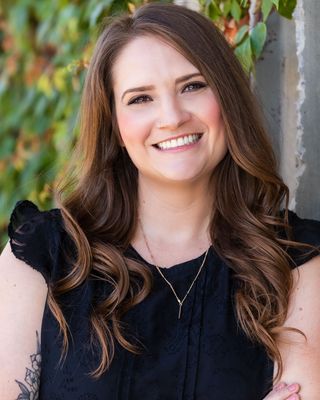
This group is a good fit if you: You are over 25 and have not had pervious serious queer relationships. Question your sexuality beyond heterosexuality. Have never really understood the rage about love and sex and wonder if it's because ...
Hosted by Alyssa Palty
Licensed Professional Counselor, LPC
Verified Verified
Group meets in Phoenix, AZ 85044
This group is a good fit if you: You are over 25 and have not had pervious serious queer relationships. Question your sexuality beyond heterosexuality. Have never really understood the rage about love and sex and wonder if it's because ...
Men's Or Women's Dating and Relationship Coaching 
Man or Woman Dating and Relationships - in your 20’s 30's 40's, 50's, 60's can be an awesome process rather than overwhelming, if you are equipped with my 6 key points. Learn the key concepts only an experienced mental health/human ...
Hosted by Dr. Karen Ruskin
Marriage & Family Therapist, PsyD, LMFT
Verified Verified
Group meets in Phoenix, AZ 85028
Man or Woman Dating and Relationships - in your 20’s 30's 40's, 50's, 60's can be an awesome process rather than overwhelming, if you are equipped with my 6 key points. Learn the key concepts only an experienced mental health/human ...
Dual Diagnosis for Adults 
Core Recovery provides Partial Hospitalization and Intensive Outpatient Programs for Dual Diagnosis. The group provides the patient with evidence based treatment that guides them in coping with mental health and/or substance use issues and provides strategies necessary to increase their ...
Hosted by Core Recovery
Treatment Center
Verified Verified
Group meets in Phoenix, AZ 85085
Core Recovery provides Partial Hospitalization and Intensive Outpatient Programs for Dual Diagnosis. The group provides the patient with evidence based treatment that guides them in coping with mental health and/or substance use issues and provides strategies necessary to increase their ...
Feminine Rising-Transgender Women's Therapy Group 
Feminine Rising is a weekly therapy group for transgender women.
Hosted by Kim Kabar
Marriage & Family Therapist, EMDR, KAP, LMFT
Verified Verified
Group meets in Phoenix, AZ 85016
Feminine Rising is a weekly therapy group for transgender women.
Growing Self Esteem and Healing Childhood Trauma 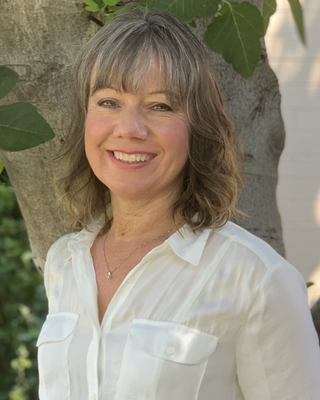
This group allows adults to heal from childhood trauma, learn healthy coping skills for living a full life. The group engages people with similar issues together while experiencing a beautiful growth of the self. Also available through telehealth.
Hosted by Kino Counseling Center
Licensed Professional Counselor, MA, LPC
Verified Verified
Group meets in Phoenix, AZ 85014
This group allows adults to heal from childhood trauma, learn healthy coping skills for living a full life. The group engages people with similar issues together while experiencing a beautiful growth of the self. Also available through telehealth.
Zoom Coping Skills 
Gina hosts a coping skills class on zoom where you can join her live or get the recording to watch when it works for you. This class is Christian-based mixing scripture, neuroscience, and counseling tips. You will learn such things ...
Hosted by Gina Yanovitch Emdr Specialist
Licensed Professional Counselor, LPC
Verified Verified
Group meets in Phoenix, AZ 85016
Gina hosts a coping skills class on zoom where you can join her live or get the recording to watch when it works for you. This class is Christian-based mixing scripture, neuroscience, and counseling tips. You will learn such things ...
IOP-Intensive Outpatient Substances/Mental Health 
Alcohol and/or drugs take a toll on your life and those around you. With and without drugs, trauma or other mental health issues create a more than an hour a week need.Help is available! Our IOP programs are intense. We ...
Hosted by Lifeline Professional Counseling Services
Treatment Center
Verified Verified
Group meets in Phoenix, AZ 85012
Alcohol and/or drugs take a toll on your life and those around you. With and without drugs, trauma or other mental health issues create a more than an hour a week need.Help is available! Our IOP programs are intense. We ...
Visions For Life 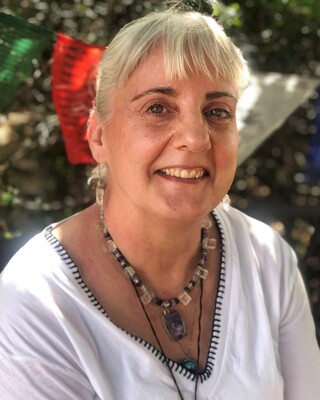
Hosted by Vesna M Matic
MA, LMLP
Verified Verified
Group meets in Phoenix, AZ 85016
Men's Recovery Group I 
The Men's Sexual Addiction Recovery Group meets Thursday evenings from 6pm to 7:30pm. This group is an affordable support to getting and staying sexually sober.
The group begins the process of recovery and is an open group following assessment. Expect to ...
Hosted by Jeffrey K Schultz
Counselor, MC, LPC, CSAT, CMAT, PACT II
Verified Verified
Group meets in Phoenix, AZ 85014
The Men's Sexual Addiction Recovery Group meets Thursday evenings from 6pm to 7:30pm. This group is an affordable support to getting and staying sexually sober.
The group begins the process of recovery and is an open group following assessment. Expect to ...
R.I.S.E Reclaim Inner Strength and Empowerment 
Hosted by Maryann Potter
Counselor, MA, LAC
Verified Verified
Group meets in Phoenix, AZ 85085
Parents who are estranged by their adult children 
This group is for parents who have been estranged/abandoned by their adult children. This has become increasingly more common recently. The polarization and cut off, often with no explanation, causes unbearable pain leaving parents confused with often no one to ...
Hosted by Suzanne Cavalier-Dorsett
Clinical Social Work/Therapist, LCSW
Verified Verified
Group meets in Phoenix, AZ 85032
This group is for parents who have been estranged/abandoned by their adult children. This has become increasingly more common recently. The polarization and cut off, often with no explanation, causes unbearable pain leaving parents confused with often no one to ...
Arizona Psychiatric Health 
Arizona Psychiatric Health is a private practice psychiatry group located in a safe, attractive, confidential setting in the Central Corridor of Phoenix. In addition, we proudly serve Arcadia, Paradise Valley, Scottsdale, Glendale, and surrounding communities. We are a husband and ...
Hosted by Joshua Kanner
Psychiatrist, MD
Verified Verified
Group meets in Phoenix, AZ 85014
Arizona Psychiatric Health is a private practice psychiatry group located in a safe, attractive, confidential setting in the Central Corridor of Phoenix. In addition, we proudly serve Arcadia, Paradise Valley, Scottsdale, Glendale, and surrounding communities. We are a husband and ...
Motherless Daughters Support group 
There’s no right or wrong amount of time to grieve the passing of your mother. Sometimes, these feelings can rush back years after your loss causing a continuous void. No matter the kind of relationship you had, losing your mother ...
Hosted by Marlo Whitson
Licensed Professional Counselor, MS, LPC
Verified Verified
Group meets in Phoenix, AZ 85044
There’s no right or wrong amount of time to grieve the passing of your mother. Sometimes, these feelings can rush back years after your loss causing a continuous void. No matter the kind of relationship you had, losing your mother ...
Melanin Group for Teen Girls 
Melanin Magic is a group designed for females ages 13-17 years old who identify as African American in order to provide a safe, affirming and supportive space to explore various topics as it relates to race and culture. Participants will ...
Hosted by Bridge Consulting Services
Clinical Social Work/Therapist, LPC, LCSW, LMSW, LAC, LMFT
Verified Verified
Group meets in Phoenix, AZ 85037
Melanin Magic is a group designed for females ages 13-17 years old who identify as African American in order to provide a safe, affirming and supportive space to explore various topics as it relates to race and culture. Participants will ...
Men's therapy group 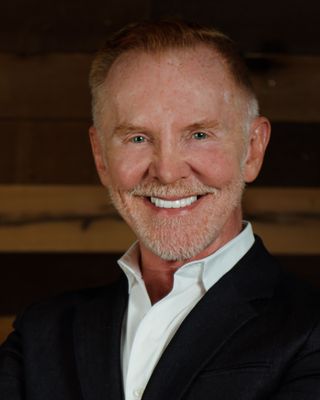
Divorced or recently separated process/ support group - open to all men
Hosted by Michael Cooter, MSSW,LCSW,PLLC
Clinical Social Work/Therapist, LCSW
Verified Verified
Group meets in Phoenix, AZ 85014
Divorced or recently separated process/ support group - open to all men
Intimacy and Healthy Sexuality 
Directive and non-directive to address (co)dependency, relationships and sexuality from impact of family-of-origin. Much of how you think and feel involves adaptation and reactivity. Group is a microcosm of the outside (macrocosm). As you become more comfortable being authentic (sharing ...
Hosted by Anna Valenti-Anderson
Clinical Social Work/Therapist, LCSW, LISAC, CSAT-S, CMAT-S
Verified Verified
Group meets in Phoenix, AZ 85018
Directive and non-directive to address (co)dependency, relationships and sexuality from impact of family-of-origin. Much of how you think and feel involves adaptation and reactivity. Group is a microcosm of the outside (macrocosm). As you become more comfortable being authentic (sharing ...
Teen Girls 14-17yrs 
Group for teen girls. Topics discussed: social media, peer relationships, self-esteem, peer conflict, etc.
Hosted by Khara Fuentes
Marriage & Family Therapist, MS, LMFT
Verified Verified
Group meets in Phoenix, AZ 85048
Group for teen girls. Topics discussed: social media, peer relationships, self-esteem, peer conflict, etc.
See more therapy options for Phoenix


FAQs - About Group Therapy and Support Groups
How can I find a support group in Phoenix?
Search for nearby support groups by inputting your city, zip code, or the name of the group into the search bar. From there, you can filter to find a group that suits your needs, whether you are looking for support for a teenager, a group that focuses on a specific issue, such as depression, or a particular program type, such as one geared toward developing social skills. To navigate between locations within the same country, enter a new city or zip code into the search bar.
How does group therapy work?
Therapy groups are led by one or more therapists and serve to help people process their experiences and learn from others who understand their challenges firsthand. They can be based on a specific issue, such as addiction, grief, physical illnesses, parenting, and caregiving. They can involve a specific type of program or therapy, such as a social skills group or CBT group. They can also be specific to a particular population or community, such as teens or LGBTQ.
Support groups, like Alcoholics Anonymous, also focus on a specific issue, but are typically led by members with lived experiences and are less structured than therapy groups. Most therapy groups will meet for a fixed length of time with a consistent group of members, while many support groups meet for an indefinite period of time with members coming and going.
Support groups, like Alcoholics Anonymous, also focus on a specific issue, but are typically led by members with lived experiences and are less structured than therapy groups. Most therapy groups will meet for a fixed length of time with a consistent group of members, while many support groups meet for an indefinite period of time with members coming and going.
What are the benefits of group therapy?
Support groups help connect people with shared challenges or physical and mental health conditions. In a group setting, participants can receive support and feedback from peers and can acquire new skills, strategies and perspectives by listening to one another. Discussing your experience with someone who also has a cancer diagnosis, or whose son also struggles with addiction, for example, can help you feel less alone, reduce distress, find empathy and connection, and learn practical or medical information that has helped others. Group therapy can also be a more affordable option than individual therapy and just as effective.
Is group therapy as effective as individual therapy?
Support groups can be deeply valuable for both emotional support and/or treatment outcomes. It’s difficult to make a blanket statement on efficacy due to the many different types of support groups and conditions treated, but group therapy has been found to be just as effective as individual therapy in establishing long-term abstinence for conditions such as substance abuse, addiction and alcohol abuse.
How much does group therapy cost?
Group counseling is typically less expensive than individual counseling, with each session costing on average between $60 to $75. Meanwhile, individual therapy sessions can run anywhere from $100 to $200 and up, even after insurance. It is possible to find low-cost group therapy options and many therapists offer group sessions free of charge.
Does insurance cover group therapy?
As with individual therapy, many insurance companies do offer coverage for group therapy sessions. However, the coverage varies based on your insurance plan details and whether you choose an in-network or out-of-network mental healthcare provider. Individuals are encouraged to check with their insurance providers to verify coverage.
How long does group therapy last?
The length of a support group session is often one hour but can fall anywhere between 45 minutes and two hours. The amount of time that people remain in a support group varies based on their specific needs and goals and the type of therapy. Some individuals may seek a shorter-term group, such as a bereavement group, that may last between six and 20 weeks. Some may seek a longer-term group that lasts for a year or indefinitely.
What are the limitations of support groups?
Support groups have many benefits, but there are a few limitations as well. Support groups do not constitute formal therapeutic or medical treatment, and are not run by licensed mental health professionals, so some people may opt for group therapy or individual therapy instead. Additionally, support groups can depend on the other participants, so a disruptive individual has the potential to mar the group dynamic, and the anecdotal information shared may sometimes be unhelpful or inaccurate. Because it is a group setting, confidentiality can be more difficult to guard and participants receive less personalized attention than they would in an individual therapy session.