Support Groups in 08736
Manasquan Counseling Center is a group of dedicated and compassionate therapists who treat a variety of mental health issues.
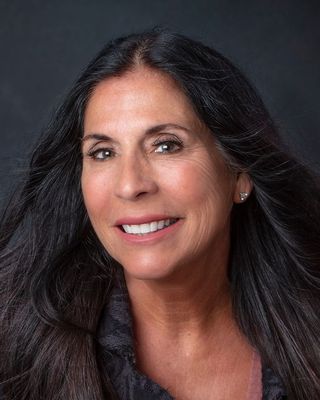
Hosted by Sonora Ann Foster
Clinical Social Work/Therapist, MSW, LCSW
Verified Verified
Group meets in Manasquan, NJ 08736
Within each of us lies the answers but so often we don't listen, or can't hear, that voice. Therapy can help to quiet the mind and allow that voice to speak and be heard. When we follow its words we find exactly where we need to be. My goal in therapy is to help clients to find that voice and listen to it because it holds the answers we seek-It holds the map for the journey we are on.
Discover the freedom of self-love and growth in this group dedicated to healing from past relationships, and fostering healthier connections through empowered boundaries. Embrace a holistic approach with somatic experiencing, yoga philosophy, and interpersonal effectiveness skills from DBT Therapy, empowering you to thrive independently. Guided by principles of Internal Family Systems and self-leadership, you will discover that you are the person you have been waiting for, and that lasting happiness doesn't depend on others, but on nurturing your own growth and well-being. 6 Week Series Coming FALL 2024
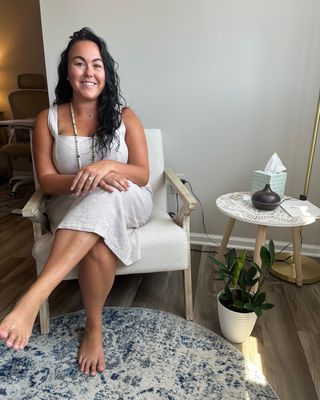
Hosted by Giovanna Coppola
Clinical Social Work/Therapist, LCSW
Verified Verified
Group meets in Manasquan, NJ 08736
Note: My schedule is full for individual clients at this time. I am accepting new clients for groups only. I work with folks who are looking for support navigating grief/loss, difficult life circumstances, and various kinds of trauma. If you find yourself disconnected from your feelings, in a constant state of auto-pilot, or constantly feel like you are rushing, I can help. If you want to stop living on autopilot and start living in the moment, you are in the right place. Together, we will explore the patterns that haven't been working for you and create ones that do.
Weekly social skills group for ASD adults
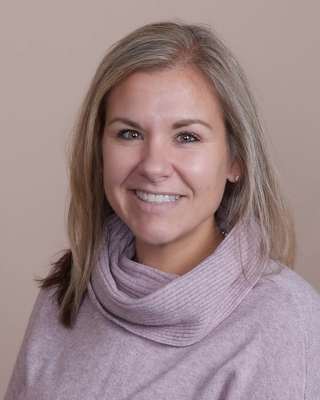
Hosted by Jenna Siciliano
Licensed Professional Counselor, MA, LPC, NCC, ASDCS
Verified Verified
Group meets in Manasquan, NJ 08736
I've worked as a therapist for fifteen years in multiple formats: Intensive In-Home Counseling, Schools for children with academic/behavior/psychiatric issues, group homes, on-site trainer for Rutgers UBHC, and private practice. I’m pleased to now work exclusively in private practice where I offer individual and group therapy; I currently run three social skills groups for people with Autism: 2 for Adults, and 1 for HS teens. I believe in working with the family as well as the child when working with adolescents. I enjoy working with adolescents as well as adults, and appreciate the unique differences of each client.
An "Emotional Sobriety" approach to group therapy for Substance Use where women can share their experiences, struggles, and triumphs with others who are looking to re-evaluate their relationship with substances. Whether their goal is total abstinence or harm reduction, we explore practical and effective ways to manage triggers, cravings, and other life challenges. Through open discussion, group members help each other develop strategies to minimize ineffective patterns and achieve personalized goals for healthier living. Group meets in person, weekly, on Tuesdays at 7pm.
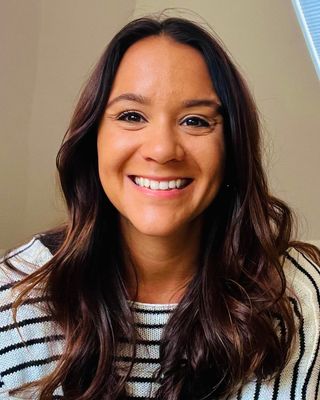
Hosted by Rachel Gentry
Licensed Professional Counselor, MS, LPC, LCADC, NCC
Verified Verified
Group meets in Manasquan, NJ 08736
I am an experienced Licensed Professional Counselor and Licensed Clinical Alcohol and Drug Counselor. The combination of a trusting client-to-therapist relationship paired with an empathetic and interactive approach can create a platform for growth. With a foundation rooted in evidence-based practices, I strive to create a therapeutic environment for you to explore your thoughts, feelings, and experiences to motivate change. Whether you're navigating anxiety, depression, addiction, relationship issues, or simply seeking personal growth, I'm here to help you navigate and cope with unhealthy and unhelpful thoughts and behaviors.
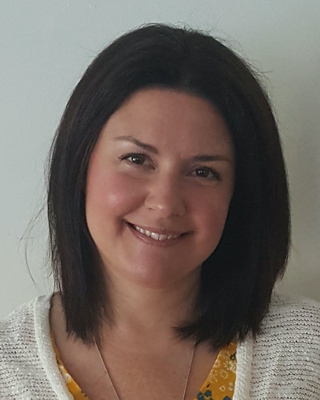
Hosted by Patricia Magnotta
Clinical Social Work/Therapist, LCSW
Verified Verified
Group meets in Manasquan, NJ 08736
Welcome to our *virtual* Young Adult Dialectical Behavior Therapy (DBT) Group! This supportive space is designed for individuals aged 18 to 32 who are seeking to enhance their emotional well-being, develop healthy coping mechanisms, and cultivate meaningful connections. We embrace the principles of DBT, offering a blend of mindfulness, emotion regulation, distress tolerance, and interpersonal effectiveness skills. Together, we navigate life's challenges, learning to manage intense emotions, build resilience, and foster a greater sense of self-awareness.
Hosted by Rachel Gentry
Licensed Professional Counselor, MS, LPC, LCADC, NCC
Verified Verified
Group meets in Manasquan, NJ 08736
I am an experienced Licensed Professional Counselor and Licensed Clinical Alcohol and Drug Counselor. The combination of a trusting client-to-therapist relationship paired with an empathetic and interactive approach can create a platform for growth. With a foundation rooted in evidence-based practices, I strive to create a therapeutic environment for you to explore your thoughts, feelings, and experiences to motivate change. Whether you're navigating anxiety, depression, addiction, relationship issues, or simply seeking personal growth, I'm here to help you navigate and cope with unhealthy and unhelpful thoughts and behaviors.
Social Skills group for teens on the Autism Spectrum using a combination of peer-led discussions and inspired by the evidence based practice Program for the Education and Enrichment of Relational Skills (PEERS) from UCLA Semel Institute.
Hosted by Jenna Siciliano
Licensed Professional Counselor, MA, LPC, NCC, ASDCS
Verified Verified
Group meets in Manasquan, NJ 08736
I've worked as a therapist for fifteen years in multiple formats: Intensive In-Home Counseling, Schools for children with academic/behavior/psychiatric issues, group homes, on-site trainer for Rutgers UBHC, and private practice. I’m pleased to now work exclusively in private practice where I offer individual and group therapy; I currently run three social skills groups for people with Autism: 2 for Adults, and 1 for HS teens. I believe in working with the family as well as the child when working with adolescents. I enjoy working with adolescents as well as adults, and appreciate the unique differences of each client.
Join this transformative space where women come together to enrich and cultivate behavior therapy skills. Learn and apply coping skills rooted in Dialectical Behavior Therapy (DBT), Cognitive Behavioral Therapy (CBT), and Acceptance and Commitment Therapy (ACT) to work towards self improvement while connecting with other women! **This group is virtual.
Hosted by Rachel Gentry
Licensed Professional Counselor, MS, LPC, LCADC, NCC
Verified Verified
Group meets in Manasquan, NJ 08736
I am an experienced Licensed Professional Counselor and Licensed Clinical Alcohol and Drug Counselor. The combination of a trusting client-to-therapist relationship paired with an empathetic and interactive approach can create a platform for growth. With a foundation rooted in evidence-based practices, I strive to create a therapeutic environment for you to explore your thoughts, feelings, and experiences to motivate change. Whether you're navigating anxiety, depression, addiction, relationship issues, or simply seeking personal growth, I'm here to help you navigate and cope with unhealthy and unhelpful thoughts and behaviors.
Discover a felt sense of balance, connection, and relaxation in this 6-Week Yoga Series, enriched with breathwork and nervous system toning techniques. This series is designed with those who experience anxiety, depression, and grief/loss in mind, however is open to every- BODY. You can expect the yoga class to be 60 minutes, beginner friendly, with movement on the gentler side, and a focus on the basics. While we will move for much of the class, we will also focus on breathing techniques, aspects of yoga philosophy, and meditation. Next Start Date 9/22/24.
Hosted by Giovanna Coppola
Clinical Social Work/Therapist, LCSW
Verified Verified
Group meets in Manasquan, NJ 08736
Note: My schedule is full for individual clients at this time. I am accepting new clients for groups only. I work with folks who are looking for support navigating grief/loss, difficult life circumstances, and various kinds of trauma. If you find yourself disconnected from your feelings, in a constant state of auto-pilot, or constantly feel like you are rushing, I can help. If you want to stop living on autopilot and start living in the moment, you are in the right place. Together, we will explore the patterns that haven't been working for you and create ones that do.
More Groups Nearby
When you come to New Jersey Psychiatric Clinic for behavioral health services, you'll notice a difference almost immediately. Psychiatric Services & Conditions treated include: Mood Disorders Major Depression Bipolar Depression Anxiety/ Panic Disorders Sleep Disorders Attention deficit disorder Dementia and cognitive disorders Post-traumatic Stress Disorder Obsessive Compulsive Disorder substance use disorders Eating disorders Medication management Psychotherapy Telehealth services Psychotic disorders Our comprehensive mental health care is provided in an outpatient setting to ensure personalized and accessible support. Call 732-800-8693 or visit our website www.njpsychclinic.com today to schedule an appointment with our psychiatric provider.
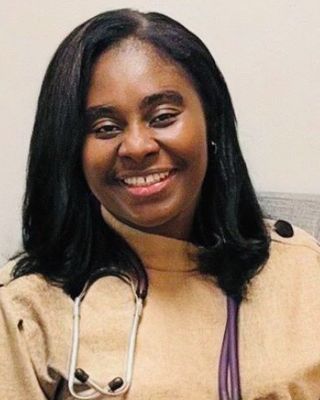
Hosted by New Jersey Psychiatric Clinic
Psychiatric Nurse Practitioner, APN, MBA, CNL
Verified Verified
Group meets in Wall Township, NJ 07719
Does your mental health need immediate attention or further stabilization? Constance Nana Kusi is a seasoned and dedicated healthcare professional who stands as a beacon of excellence in the field of psychiatric/mental health. She is dedicated to the care of individuals with mental health disorders to help them recover and improve their quality of life. With a rich tapestry of experiences, she has woven a career marked by compassion, innovation, and a relentless commitment to enhancing mental health care. She also plays a key role as a Psychiatric Consult Liaison with a prestigious healthcare system in New Jersey.
New, totally revamped, comprehensive 12-week group includes nutrition, mindfulness and psychology to help you achieve your eating and weight goals by working through any blocks you may encounter. Learn how to change those negative habits into healthy ones that support your self-led goals and help you achieve them. Make peace with food and your body. NEW GROUPS FORMING!! CALL TODAY TO RESERVE YOUR SPOT!
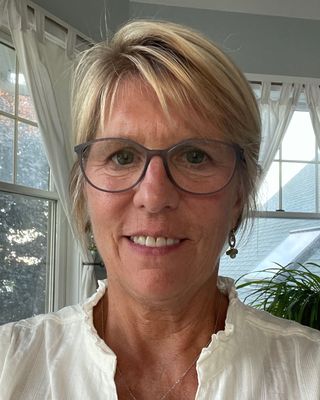
Hosted by Lynn O'Hara
Licensed Professional Counselor, MS, RDN, LPC
Verified Verified
Group meets in Point Pleasant, NJ 08742
WELCOME! Make this your year of growth! I would love to be a part of your journey. I work with adults and adolescents who want to overcome depression, anxiety and low self-esteem as well as eating and weight related issues and body image concerns. Change can be tough so I want to honor the courage you are showing by thinking about therapy. The work we can do together will help you heal from past wounds and move forward in your life. Together we create healing change in a respectful manner where you can find peace.
Monthly peer support group for like-minded professionals to network, share resources, and provide feedback on clinical challenges.

Hosted by Seasons Psychotherapy & Wellness -Dr. Liza Clancy
Clinical Social Work/Therapist, DBH, LCSW
Verified Verified
Group meets in Brielle, NJ 08730
As we face life's challenges, unwelcome feelings such as anxiety and depression may impact our adjustment. Support during these critical periods has been proven to dramatically affect outcomes. As a therapist, I will companion you on a journey toward self awareness and an understanding of how subtle changes in perception and attitude can change your life. We can accomplish this in a safe and supportive milieu where we identify issues and work through them to develop coping skills and a sense of well-being.
Clinical supervision group for Master’s level social workers working toward their LCSW. This group will work towards strengthening your clinical skills, case presentations and literary clinical review. Group time TBD. Individual supervision also available. I am a NJ certified supervisor of social work.
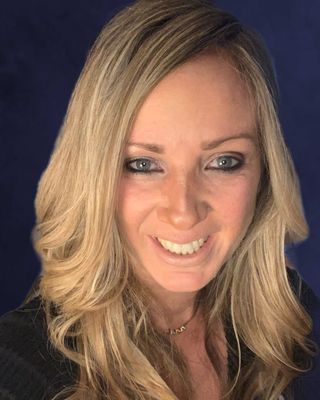
Hosted by Counseling By The Shore
Clinical Social Work/Therapist, LCSW, MSW
Verified Verified
Group meets in Wall Township, NJ 07719
Are there times you feel overwhelmed dealing with life’s daily struggles? Do you ever feel completely alone even if you are surrounded by others? Do you search for support only to find there just isn’t anyone there? Do you often feel resentful toward or angry with people?

Hosted by Connie Miller
Licensed Professional Counselor, TEP, NCC, LPC
Verified Verified
Group meets in Spring Lake, NJ 07762
Are you exhausted by your inner critic, constantly judging yourself to the point of being stuck, always feeling pressure to produce, perform and succeed, disconnected from yourself and shut down from your creative self? Online or in studio groups will help put an end to your inner critic, self judgement, loneliness and I'm not good enough thinking. Groups are a wonderful way to help women relate to each other and feel heard, validated and understood so they do not feel alone in their struggles. www.wildandfreepainting.com/womens-group
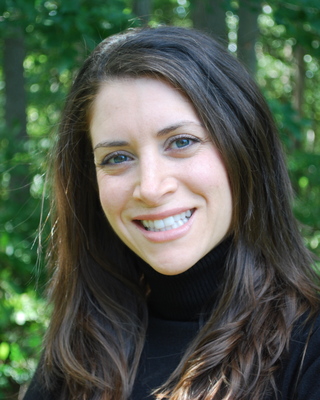
Hosted by Elissa Arbeitman
Art Therapist, MA, ATR-BC, LPAT, LCAT, ATCS
Verified Verified
Group meets in Belmar, NJ 07719
I am passionate about working with women who are navigating a major life transition but are finding themselves exhausted by their inner critic, judging themselves to the point of being stuck and shut down from their creative expression. I value your internal sense of self as a significant resource to help alleviate your symptoms. Many women I see are looking for an alternative to traditional talk therapy. My comprehensive training in psychotherapy and art therapy brings a unique element to my sessions in which we access and utilize your creativity to help problem solve and gain a fresh, new perspective.
I provide substance/alcohol use disorder and addiction process groups for adults, adolescents and helping professionals.

Hosted by Anthony J DeFazio
Drug & Alcohol Counselor, LCADC, LLC
Verified Verified
Group meets in Wall, NJ 07719
Welcome to my page! I am a Licensed Clinical Alcohol and Drug Counselor who specializes in the treatment of substance/alcohol use disorders from a trauma-based perspective. I have several years experience treating substance use. Utilizing a variety of evidenced-based theories, clinical interventions, personal experience and empathy, I offer individual and group therapy for adolescents, adults and professionals struggling with substance use disorders. I promote meeting the client where they are at and have a genuine, person centered approach in transitioning clients toward freedom from substance/alcohol use disorders.
Two Year Souldrama Training and Supervision in Action Methods and Psychodrama CEUS offered-supervision for LPCs
Spring Lake Heights, NJ: A rare opportunity for professional and personal growth and supervision with world renowned therapist This on going montly training group will offer 8 CEU's for mental health professionals per session. It is an excellent time to accrue CEU's, refresh current skills, learn new techniques when working with difficult clients, acquire supervision hours and begin training in psychodrama and sociometry. Action methods are an invaluable complement to a counselor's skill set and can be used with individuals as well as groups.
Hosted by Connie Miller
Licensed Professional Counselor, TEP, NCC, LPC
Verified Verified
Group meets in Spring Lake, NJ 07762
I am a TEP, ACS, LPC, NCC and an Approved Clinical Supervisor. I am the owner of The Spring Lake Heights Counseling Center and the International Institute for Souldrama. I have been practicing individual, marital, family and group psychotherapy for adults and children for over 30 years. I am a trainer, educator, and practitioner of group psychotherapy and psychodrama and am renowned in my field as an innovator, author, and teacher. I offer supervision for mental health professionals and training in action methods as well as a two year training program in Souldrama. I specialize in groups, relationships, training and supervision.
Welcome to the Tween Tranquility Tribe, where young minds blossom and positivity flourishes! Our counseling group is a dynamic space crafted especially for tweens eager to cultivate well-being, resilience, and emotional intelligence. Led by compassionate counselors in our supportive community, tweens embark on a transformative journey of self-awareness and personal empowerment. From mindfulness techniques to stress-relief strategies, our group equips tweens with the skills they need to thrive in today's fast-paced world while fostering deep connections and lifelong friendships.

Hosted by By Design Counseling Center
Licensed Professional Counselor, MS Ed, LPC, NCC
Verified Verified
Group meets in Wall Township, NJ 07719
Everyone faces a unique set of challenges in life; there is no single approach or therapy modality that works best for everyone. This is why By Design Social Skills provides a variety of services to assist those struggling with behavioral, emotional, or school-based difficulties. Whether you are looking to enhance your child’s social skills through our popular Lego Clubs, seeking treatment for their issues with anxiety, or are interested in counseling for yourself to help navigate life’s challenges, we are here to help. Amy L. Young is a Licensed Professional Counselor providing assistance in a nurturing, safe, caring environment.
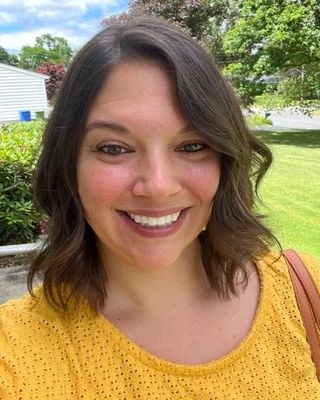
Hosted by Dena Baldassarre
Clinical Social Work/Therapist, LCSW, LCADC
Verified Verified
Group meets in Wall Township, NJ 07719
This is a recovery focused group for individuals healing from eating disorders. We focus on ways to cope with negative body image, awareness of thoughts and feelings, low self worth, perfectionism, anxiety, and fears of relapse.
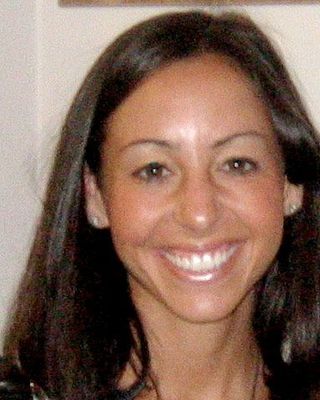
I am a licensed psychologist who specializes in treating children, adolescents and adults who are struggling with binge eating, anorexia, and bulimia as well as other psychiatric conditions such as depression and anxiety. I gained my clinical experience and expertise by working as a primary therapist on the Eating Disorders Unit at the University Medical Center at Princeton. I am committed to providing a safe and nurturing environment in order to help my patients identify the underlying issues contributing to their eating disorder as well as develop healthy coping skills.
See more therapy options for 08736


FAQs - About Group Therapy and Support Groups
How can I find a support group in 08736?
Search for nearby support groups by inputting your city, zip code, or the name of the group into the search bar. From there, you can filter to find a group that suits your needs, whether you are looking for support for a teenager, a group that focuses on a specific issue, such as depression, or a particular program type, such as one geared toward developing social skills. To navigate between locations within the same country, enter a new city or zip code into the search bar.
How does group therapy work?
Therapy groups are led by one or more therapists and serve to help people process their experiences and learn from others who understand their challenges firsthand. They can be based on a specific issue, such as addiction, grief, physical illnesses, parenting, and caregiving. They can involve a specific type of program or therapy, such as a social skills group or CBT group. They can also be specific to a particular population or community, such as teens or LGBTQ.
Support groups, like Alcoholics Anonymous, also focus on a specific issue, but are typically led by members with lived experiences and are less structured than therapy groups. Most therapy groups will meet for a fixed length of time with a consistent group of members, while many support groups meet for an indefinite period of time with members coming and going.
Support groups, like Alcoholics Anonymous, also focus on a specific issue, but are typically led by members with lived experiences and are less structured than therapy groups. Most therapy groups will meet for a fixed length of time with a consistent group of members, while many support groups meet for an indefinite period of time with members coming and going.
What are the benefits of group therapy?
Support groups help connect people with shared challenges or physical and mental health conditions. In a group setting, participants can receive support and feedback from peers and can acquire new skills, strategies and perspectives by listening to one another. Discussing your experience with someone who also has a cancer diagnosis, or whose son also struggles with addiction, for example, can help you feel less alone, reduce distress, find empathy and connection, and learn practical or medical information that has helped others. Group therapy can also be a more affordable option than individual therapy and just as effective.
Is group therapy as effective as individual therapy?
Support groups can be deeply valuable for both emotional support and/or treatment outcomes. It’s difficult to make a blanket statement on efficacy due to the many different types of support groups and conditions treated, but group therapy has been found to be just as effective as individual therapy in establishing long-term abstinence for conditions such as substance abuse, addiction and alcohol abuse.
How much does group therapy cost?
Group counseling is typically less expensive than individual counseling, with each session costing on average between $60 to $75. Meanwhile, individual therapy sessions can run anywhere from $100 to $200 and up, even after insurance. It is possible to find low-cost group therapy options and many therapists offer group sessions free of charge.
Does insurance cover group therapy?
As with individual therapy, many insurance companies do offer coverage for group therapy sessions. However, the coverage varies based on your insurance plan details and whether you choose an in-network or out-of-network mental healthcare provider. Individuals are encouraged to check with their insurance providers to verify coverage.
How long does group therapy last?
The length of a support group session is often one hour but can fall anywhere between 45 minutes and two hours. The amount of time that people remain in a support group varies based on their specific needs and goals and the type of therapy. Some individuals may seek a shorter-term group, such as a bereavement group, that may last between six and 20 weeks. Some may seek a longer-term group that lasts for a year or indefinitely.
What are the limitations of support groups?
Support groups have many benefits, but there are a few limitations as well. Support groups do not constitute formal therapeutic or medical treatment, and are not run by licensed mental health professionals, so some people may opt for group therapy or individual therapy instead. Additionally, support groups can depend on the other participants, so a disruptive individual has the potential to mar the group dynamic, and the anecdotal information shared may sometimes be unhelpful or inaccurate. Because it is a group setting, confidentiality can be more difficult to guard and participants receive less personalized attention than they would in an individual therapy session.