Support Groups in H4A
The ABC Support Group is an 8-week support group for women experiencing postpartum challenges. We meet on a weekly basis for 1-1/2 hours to provide tools, techniques and psychological support in a safe and collaborative space. Some of the topics covered are: motherhood myths & expectations; self-care; partnering in parenting; and dealing with anger and anxiety. The total cost for all 8 meetings is $400, payable in two equal payments, and the time of the group will be adapted according to participants' availability.
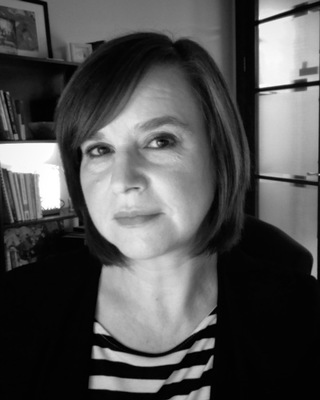
Hosted by Rosa Caporicci
Registered Psychotherapist, MA, OPQ, OCCOQ
Verified Verified
Group meets in Montréal, QC H4A
Sometimes "expecting" is not what you expect! If you are thinking about having a baby, struggling to conceive, are pregnant or are within your first year postpartum and are concerned about your experience, I can help. Sometimes too and tragically, pregnancies don't always end with a happy outcome. Whichever situation you are facing, I can offer you both individualized support or in a group setting so that you don't feel alone and isolated in your current struggle. I work collaboratively with my clients and my style is very conversational. I want you to feel comfortable and at ease in coming to therapy.
This is an online group where we do vibrational therapy sessions in group via Zoom to work on issues such as trauma, phobias, anxiety, and depression.

I am a Drama Therapist, which is part of the Creative Arts Therapies. I use theatre techniques and games in a therapeutic framework. These tools help to access the subconscious mind, bringing issues to consciousness to be worked out in a safe and comfortable way. Also, I help you improve/acquire many skills and a great variety of things to achieve a state of mental and spiritual well-being. I'm also a vibrational therapist, restoring your mental health by working at the issue's source. These 2 approaches qualify me as a holistic therapist, assessing and working the situation as a system, a whole, bigger than the sum of its parts.
This group is designed to help women through complex trauma and C-PTSD symptoms using dance and drama therapy as well as mindfulness techniques.
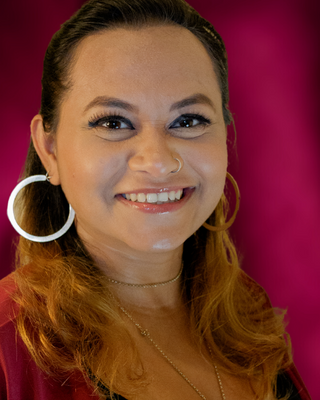
Calling immigrants and first-gen youth with ADHD, depression and anxiety! If your trauma has you fight/flight/freezing, somatic regulation might be the mindful, demure solution. Using my training in movement and drama therapy, you are supported in creating a safe space to explore mindfulness, body awareness, boundary setting, self-discovery and recovering from difficult relationships. As a brown therapist, I bring unique insights and perspectives that allow you to better navigate between cultures, integrate into Quebec society without losing touch with your heritage while safely processing deep trauma and microaggressions.
Offered as an onsite, interactive, and engaging developmental skills workshop for pre-K, Kindergarten, and Grade 1. Through a one-week intensive offered over March Break or August, we will help your child aged 4 - 6 feel ready for each school day and change in routine by targeting their social, motor and emotional development.

Hosted by clinique entourfamille
Psychologist, PhD
Verified Verified
Group meets in Montréal, QC H4A
clinique entourfamille(TM) is a multi-disciplinary private clinic that supports children and their families by providing guidance and solutions for developmental, social and academic growth. With a focus on the overall well-being of children and adolescents, our team of caring and highly qualified professionals addresses communication, behavioral, social, motor, psychological, sensory processing and academic skills.
High school Social-Emotional Classes Our high-schoolers are given the tools to navigate adolescence with effective communication skills, coping and tolerance, decision-making skills and additional social-emotional tools that help them make good choices, avoid pitfalls, such as peer pressure, substance abuse, and prepare for the journey of adulthood.
Hosted by Positive Kids Inc
Registered Psychotherapist, MA, PsyD(c, RP
Verified Verified
Group meets in Montréal, QC H4A
Does your child struggle with ADHD, Behavioral issues, Anger Management, Motivation, Decision Making, Focusing, Shyness, Anxiety or any type of Social-Emotional issue? Positive Kids is a revolutionary concept created by experts in the field of Emotional Intelligence. It is a private and affordable supplement to your child's academic curriculum that focuses on building and developing social and emotional skills.Our program results in children who are competent in the following areas: Self Control, Self-Awareness, Social Awareness, Relationship Skills and Responsible Decision making. These children ultimately become independent, confident, inquisitive, enthusiastic, responsible and compassionate adults in later years.
~ STARTING IN SEPTEMBER 2024 ~ The group will be focused on helping clients manage their social anxiety symptoms. The counselling group will be a safe space to explore meaningful conversations and new relationships while learning to live with social anxiety. I am working with Bailey B. Carter in designing and running the group.

I specialize in helping individuals, couples, and families overcome their challenges relating to sadness/depression, suicidal ideation, anxiety management, anger management, and domestic/relational violence. Feeling helpless, invisible, abandoned, bullied, taken advantage of, or feeling 'like a failure' does not need to be feelings that last forever. I believe that knowledge is power and when we uncover the underlying thoughts and feelings that are causing pain or suffering, then change can happen by having more awareness of how to approach personal and relational challenges.
This MBCT group is an 8 week session - 1.5 hour sessions weekly for people suffering with anxiety and depression symptoms. It is a skills based group, some sharing of your experience and learning a variety of meditations, and cognitive exercises to help prevent and manage symptoms. Hearing from others and relating to others is a unique, rich experience in feeling less alone with your struggles. Individual assessments provided to make sure group is a good fit. Come meditate with us and bring more awareness and non- judgment to your life! We only have the present moment to live in. www.anxietydepressiongroupmontreal.com
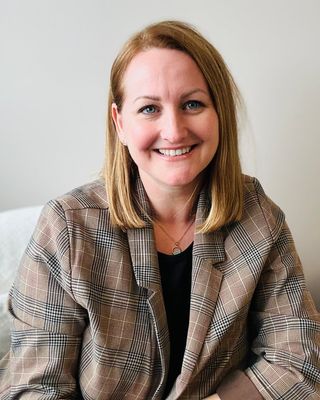
Hosted by Natalie Goerner
Registered Social Worker, MSW, PsT
Verified Verified
Group meets in Montréal, QC H4A
I work with clients who are motivated to explore their life's challenges and together, we build a strong alliance in order to try different approaches and strategies in our sessions. I believe in finding what skills and approaches work for the individual, and using a combination of mind-body approaches as it is all connected and we can learn and understand so much about ourselves through our bodies and the messages they give us.
In my practice, I see empathic women who are silently suffering in their most important relationship. They want things to improve, but they can’t get their partner to join them in therapy. I know how painful it can be when the connection in your relationship is frayed, weak or when antagonism takes over from love and intimacy. This Group Program is designed to help women who desire to move forward and learn everything that they can do to heal whether or not their partner is ready or not.

Hosted by Gabrielle Taylor
Registered Psychotherapist, MA
Verified Verified
Group meets in Montréal, QC H4A
Every relationship goes through phases of harmony and disruption. Partners generally have more trouble knowing how to move into the repair or healing process after things have gone awry. Three decades of research into relationships has offered invaluable insights in the tangible and specific skills and habits that happy couples rely on and use. When these are absent or not cultivated, relationships go into disruption and partners will not know how to find the love and closeness they’re looking for.
Next group in English starts in June! Contact us for other starting dates and languages (French). This online intervention will help adults get more insight into the causes of their depression and anxiety and learn to use their problem-solving skills. Through art-making and discussions as a group, the clients are invited to have a deep and sincere scrutiny of how depression affected them and what would they be able to change in their lives using their strengths.
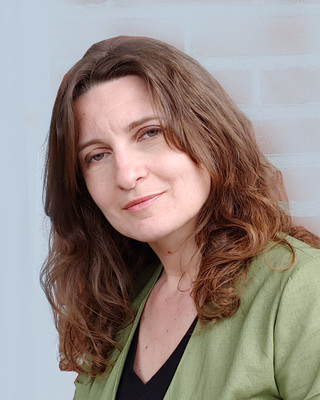
Hosted by Carmen Oprea
Art Therapist, MA, MFA, ATR-BC, RCAT, ATPQ
Verified Verified
Group meets in Montréal, QC H4A
I am an art therapist with post-graduate training in sandplay therapy and cognitive-behavioural therapy. My academic training includes a master in Art Therapy from Concordia University and a master in Fine Arts from Europe. Offering individual and group art therapy sessions for children and adults of all ages at our clinic (accesart.ca), I combine a person-centred orientation with extensive clinical skills in accompanying my clients when dealing with traumatic events, depression, anxiety, dysfunctional patterns, life transitions, work-related stress, and relationship difficulties.
This group is Drama Therapy based, we work with improvisation, Playback Theatre and other drama techniques to help with all kinds of issues. There is a screening interview, this is a medium to long-term group.
I am a Drama Therapist, which is part of the Creative Arts Therapies. I use theatre techniques and games in a therapeutic framework. These tools help to access the subconscious mind, bringing issues to consciousness to be worked out in a safe and comfortable way. Also, I help you improve/acquire many skills and a great variety of things to achieve a state of mental and spiritual well-being. I'm also a vibrational therapist, restoring your mental health by working at the issue's source. These 2 approaches qualify me as a holistic therapist, assessing and working the situation as a system, a whole, bigger than the sum of its parts.
~ STARTING IN FEBRUARY 2025 ~ This 8 week therapy group for adults (age 20-65) with mild to moderate anxiety is designed to help you stop fighting your anxiety and feel confident in yourself again. Using creative arts therapy, you are invited to express yourself without being confined to finding the 'right' words. The two therapists will support you on your journey to rediscovering how life can be exciting and relearning how to enjoy yourself in social situations.

Check out my group for adults with anxiety! People-pleasers, perfectionists, worriers, and warriors ages 16 to 66: this is your call to action. You want to be more in touch with yourself but you have been held back by anxiety, trauma, and people taking advantage of you. As part of the LGBTQ2IA+ and geeky communities, you sometimes feel like you're cast aside and rarely understood. It is so tempting to give up, but you continue to persevere! You've been fighting on your own for so long that now you're ready for some more support from someone who won't ask you to educate them about being queer/the MCU/BDSM/pop culture references.
This is a support group for women and couples who are pregnant following a perinatal loss. There are on-going monthly meetings organized according to trimester. Themes explored include: disequilibrium; the parenting experience of loss; bonding with the lost child while attaching to the expectant child; and the experience of bereaved parents raising children. Cost: $320 for the duration of a participant's/couple's attendance.
Hosted by Rosa Caporicci
Registered Psychotherapist, MA, OPQ, OCCOQ
Verified Verified
Group meets in Montréal, QC H4A
Sometimes "expecting" is not what you expect! If you are thinking about having a baby, struggling to conceive, are pregnant or are within your first year postpartum and are concerned about your experience, I can help. Sometimes too and tragically, pregnancies don't always end with a happy outcome. Whichever situation you are facing, I can offer you both individualized support or in a group setting so that you don't feel alone and isolated in your current struggle. I work collaboratively with my clients and my style is very conversational. I want you to feel comfortable and at ease in coming to therapy.
Welcome to our open studio group! Here, you can relax, chat, and unleash your creativity in a supportive community that combats isolation and welcomes everyone. Take time for yourself, get supported, and learn to enjoy and have fun with artistic materials. Join us to connect, create, and unwind together with like-minded individuals. The art materials are not provided, but you can get inventive with the resources you already have at home. An 'inspiration' sheet will be provided to you before the first session if needed. Next series will start in June - please contact us to reserve a spot.
Hosted by Carmen Oprea
Art Therapist, MA, MFA, ATR-BC, RCAT, ATPQ
Verified Verified
Group meets in Montréal, QC H4A
I am an art therapist with post-graduate training in sandplay therapy and cognitive-behavioural therapy. My academic training includes a master in Art Therapy from Concordia University and a master in Fine Arts from Europe. Offering individual and group art therapy sessions for children and adults of all ages at our clinic (accesart.ca), I combine a person-centred orientation with extensive clinical skills in accompanying my clients when dealing with traumatic events, depression, anxiety, dysfunctional patterns, life transitions, work-related stress, and relationship difficulties.
This MBCT group is an 8 week session - 2.5 hour sessions weekly for people suffering with anxiety and depression symptoms. It is a skills based group, some sharing of your experience and learning a variety of meditations, and cognitive exercises to help prevent and manage symptoms. Hearing from others and relating to others is a unique, rich experience in feeling less alone with your struggles. Individual assessments provided to make sure group is a good fit. Come meditate with us and bring more awareness and non- judgment to your life! We only have the present moment to live in. www.anxietydepressiongroupmontreal.com
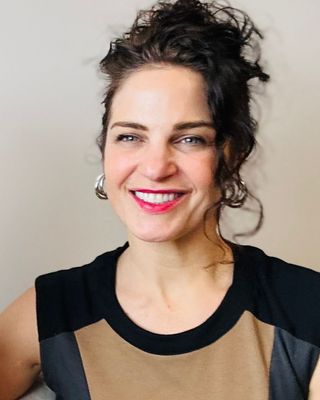
Hosted by Danielle Black
Registered Social Worker, BSW, MSW
Verified Verified
Group meets in Montréal, QC H4A
Do you want to gain insight about yourself and your relationships? Are you looking for strategies to manage painful emotions, stress, or anxiety? I view counselling as a shared journey in which I bring my compassion, professional knowledge and understanding along to assist you in your own path of self discovery, growth and healing. Counselling can be used as a tool to learn more about yourself, develop healthy coping mechanisms, and gain more agency in your life. As humans, our identity is often layered and complex, and I seek to empower your most authentic self.
Small group (max. 6 participants) meeting every Thursday evening starting November, 2024, from 6:30 to 8:00 pm over 6 sessions. This group is for adults grieving the loss of a loved one. The grief support group is not about you getting over your loss but helping you get through this difficult period one moment and one day at the time by sharing your experience with a closed group, A Mindfulness based approach will be used. All Sessions will be online via Zoom except for possibly the first and last sessions. The cost is 150$ for all 6 sessions.

Hosted by Celeste Alberga
Counsellor, CO, CT® , CCC, CGP, CCATP
Verified Verified
Group meets in Montréal, QC H4A
I am a doctoral student, certified in Grief/Bereavement education by ADEC and by CCPA with a CCC. I work from a strength based, person-centered approach and believe that each individual is the expert of their own life. Having experienced first-hand the physical, emotional and mental stress and anxiety brought on by illness and disease such as cancer, and related losses, my devotion/passion lies in walking with you through what is a turbulent journey, one that does not need to be faced alone. I have completed my Master of Counselling and field practicum under the supervision of Dr. Bassam Khoury (www.drkhoury-montrealtherapist.com).
This is a one-day workshop for expectant or very new parents that is interactive and discussion-based. Topics covered include: what we thought; "But you have a healthy baby"; losses and gains; parents' workload; things you say and do; your family; going it alone; help and support; and speaking up for yourself.
Hosted by Rosa Caporicci
Registered Psychotherapist, MA, OPQ, OCCOQ
Verified Verified
Group meets in Montréal, QC H4A
Sometimes "expecting" is not what you expect! If you are thinking about having a baby, struggling to conceive, are pregnant or are within your first year postpartum and are concerned about your experience, I can help. Sometimes too and tragically, pregnancies don't always end with a happy outcome. Whichever situation you are facing, I can offer you both individualized support or in a group setting so that you don't feel alone and isolated in your current struggle. I work collaboratively with my clients and my style is very conversational. I want you to feel comfortable and at ease in coming to therapy.
*Starting in April!* For children from grade 2-3 or 4-6 who are challenged by the strength of their emotions and would benefit from strategies that enhance their interpersonal skills, friendships and focus, both at school and at home, clinique entourfamille™ offers an anxiety/self-regulation group. Based on the renowned Zones of Regulation ® program, in this 8 week group, children will learn self-regulation through behavioural skills training techniques such as modeling, role playing, and feedback.
Hosted by clinique entourfamille
Psychologist, PhD
Verified Verified
Group meets in Montréal, QC H4A
clinique entourfamille(TM) is a multi-disciplinary private clinic that supports children and their families by providing guidance and solutions for developmental, social and academic growth. With a focus on the overall well-being of children and adolescents, our team of caring and highly qualified professionals addresses communication, behavioral, social, motor, psychological, sensory processing and academic skills.
This group has two series of 6 sessions. New groups starting end of June! Engage with a compassionate and non-judgmental group of parents who understand your parenting struggles through creative and innovative methods. With the support of our dedicated art therapists, discover practical and effective parenting techniques, uncover new resources, and learn from the experiences of others in unique and imaginative ways. Our art therapists will hold the space for you as you collaborate creatively to develop forward-thinking strategies that will benefit you, your child, and your family.
Hosted by Carmen Oprea
Art Therapist, MA, MFA, ATR-BC, RCAT, ATPQ
Verified Verified
Group meets in Montréal, QC H4A
I am an art therapist with post-graduate training in sandplay therapy and cognitive-behavioural therapy. My academic training includes a master in Art Therapy from Concordia University and a master in Fine Arts from Europe. Offering individual and group art therapy sessions for children and adults of all ages at our clinic (accesart.ca), I combine a person-centred orientation with extensive clinical skills in accompanying my clients when dealing with traumatic events, depression, anxiety, dysfunctional patterns, life transitions, work-related stress, and relationship difficulties.
The hope of this group is to provide you an opportunity to share your pain, grief story and journey. Reminding one another of our shared humanity, the value of listening, and to weave into the fabric of our culture the understanding that everyone’s story matters and that death is very much a part of life. This group is about YOU, your time and space to share your story in a safe and non-judgemental environment. Confidentiality is of utmost importance. This group is not a therapy group but a peer support group, not intended to replace any medical advice.
Hosted by Celeste Alberga
Counsellor, CO, CT® , CCC, CGP, CCATP
Verified Verified
Group meets in Montréal, QC H4A
I am a doctoral student, certified in Grief/Bereavement education by ADEC and by CCPA with a CCC. I work from a strength based, person-centered approach and believe that each individual is the expert of their own life. Having experienced first-hand the physical, emotional and mental stress and anxiety brought on by illness and disease such as cancer, and related losses, my devotion/passion lies in walking with you through what is a turbulent journey, one that does not need to be faced alone. I have completed my Master of Counselling and field practicum under the supervision of Dr. Bassam Khoury (www.drkhoury-montrealtherapist.com).
See more therapy options for H4A


FAQs - About Group Therapy and Support Groups
How can I find a support group in H4A?
Search for nearby support groups by inputting your city, postal code, or the name of the group into the search bar. From there, you can filter to find a group that suits your needs, whether you are looking for support for a teenager, a group that focuses on a specific issue, such as depression, or a particular program type, such as one geared toward developing social skills. To navigate between locations within the same country, enter a new city or postal code into the search bar.
How does group therapy work?
Therapy groups are led by one or more therapists and serve to help people process their experiences and learn from others who understand their challenges firsthand. They can be based on a specific issue, such as addiction, grief, physical illnesses, parenting, and caregiving. They can involve a specific type of program or therapy, such as a social skills group or CBT group. They can also be specific to a particular population or community, such as teens or LGBTQ.
Support groups, like Alcoholics Anonymous, also focus on a specific issue, but are typically led by members with lived experiences and are less structured than therapy groups. Most therapy groups will meet for a fixed length of time with a consistent group of members, while many support groups meet for an indefinite period of time with members coming and going.
Support groups, like Alcoholics Anonymous, also focus on a specific issue, but are typically led by members with lived experiences and are less structured than therapy groups. Most therapy groups will meet for a fixed length of time with a consistent group of members, while many support groups meet for an indefinite period of time with members coming and going.
What are the benefits of group therapy?
Support groups help connect people with shared challenges or physical and mental health conditions. In a group setting, participants can receive support and feedback from peers and can acquire new skills, strategies and perspectives by listening to one another. Discussing your experience with someone who also has a cancer diagnosis, or whose son also struggles with addiction, for example, can help you feel less alone, reduce distress, find empathy and connection, and learn practical or medical information that has helped others. Group therapy can also be a more affordable option than individual therapy and just as effective.
Is group therapy as effective as individual therapy?
Support groups can be deeply valuable for both emotional support and/or treatment outcomes. It’s difficult to make a blanket statement on efficacy due to the many different types of support groups and conditions treated, but group therapy has been found to be just as effective as individual therapy in establishing long-term abstinence for conditions such as substance abuse, addiction and alcohol abuse.
How much does group therapy cost?
Group counselling is typically less expensive than individual counselling, with each session costing on average about $90 to $100. Meanwhile, individual therapy sessions can run anywhere from $100 to $200. It is possible to find low-cost group therapy options and many therapists offer group sessions free of charge.
Does insurance cover group therapy?
If you have private insurance, your plan may cover some if not all of your group therapy sessions. You should contact your insurance provider to determine if they provide coverage for group therapy sessions and to determine what, if any, requirements they might have in order for your sessions to be covered, such as a referral from your GP or medical specialist.
How long does group therapy last?
The length of a support group session is often one hour but can fall anywhere between 45 minutes and two hours. The amount of time that people remain in a support group varies based on their specific needs and goals and the type of therapy. Some individuals may seek a shorter-term group, such as a bereavement group, that may last between six and 20 weeks. Some may seek a longer-term group that lasts for a year or indefinitely.
What are the limitations of support groups?
Support groups have many benefits, but there are a few limitations as well. Support groups do not constitute formal therapeutic or medical treatment, and are not run by licensed mental health professionals, so some people may opt for group therapy or individual therapy instead. Additionally, support groups can depend on the other participants, so a disruptive individual has the potential to mar the group dynamic, and the anecdotal information shared may sometimes be unhelpful or inaccurate. Because it is a group setting, confidentiality can be more difficult to guard and participants receive less personalized attention than they would in an individual therapy session.