Support Groups in Hyannis, MA
The group is a 10 week group helping people with the Grief Recovery book written by John James and Russell Friedman. Helps people work through loses,trauma and broken relationships.
Hosted by Robert H Kerr
Counselor, MA, LMHC, LLC
Verified Verified
Group meets in Hyannis, MA 02601
Are you tired of the same patterns in your relationships with the same poor results? Uncomfortable with where you are currently in your life? Willing to take a look at alternative solutions to live a more fulfilling life. I can help you with the needed change to experience a more satisfactory life and outlook.
More Groups Nearby
In this group, you will have the opportunity to learn the art of crochet and knitting in a relaxed and inclusive setting. Bring your craft or learn a new one. All materials are included. Light refreshments are provided. Come join the fun and be with some like-minded individuals.
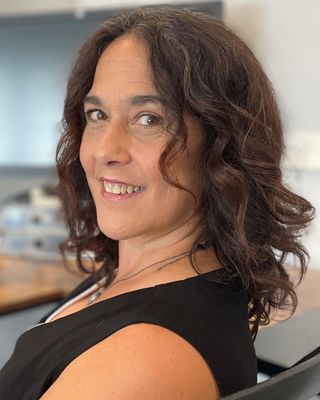
Hosted by Aimee Teresa Facchini
Clinical Social Work/Therapist, MSW, LICSW
Verified Verified
Group meets in Barnstable, MA 02630
My name is Aimee Facchini and I have been a private practitioner on Cape Cod, Ma for over 25 years. I am a LICSW and Life Coach. My work experience is diverse and extensive from nonprofit agencies to crisis management to private practice. I have worked with individuals, families, and groups struggling with symptoms of depression, anxiety, grief, and more. I have nurtured a supportive, safe and diverse community that encourages positive connections and outcomes. You are invited to explore your journey and unravel your authentic truth. Remember, your life transitions are not roadblocks, but bridges to self-actualization.
Clinical supervision has two principal goals–(a). the protection of the client and (b). the development of counseling skills of the supervisee to ensure the integrity of clinical services. As a clinical supervisor, I value the relationship between supervisor and supervisee, being mindful that the alliance is key to good supervision. In applying a supervisory approach, I take into account the supervisee’s level of training, experience, and proficiency, as different supervisory approaches are appropriate at different stages of development. I understand that each supervisee goes through different stages of development and recognizes that movement through these stages is not always linear.
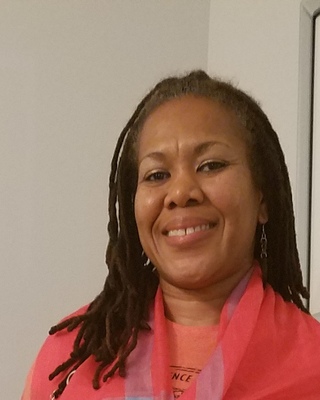
Hosted by Dr. Nadine Phillips-Smart
Counselor, PhD, LMHC, LPC, NCC
Verified Verified
Group meets in Mashpee, MA 02649
All people are innately good & have the ability to heal themselves. Stressors are ever present in our everyday lives & are manifested in multiple ways. While these stressors can be the genesis of our problems, they are also the catalyst to starting the healing process. With a focus on life transitions, relationship distresses, traumatic experiences & other psychological concerns, we will in our collaborative work improve resiliency, empower, & restore. I consider myself an active therapist, combining experience, education, creativity, & a sense of humor with a down-to-earth approach to counseling in treating the whole person.
Participant will be able to present their life plan woth short term and long term goals specific to all aspects of their life. Free for all her clients.
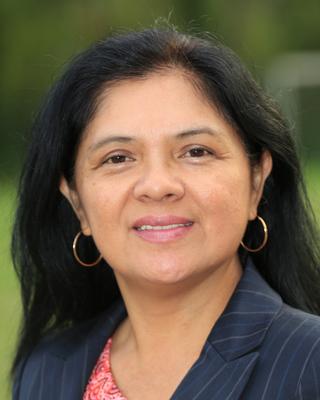
Hosted by Maria Eden Aguilar Gianan
Psychiatric Nurse, BSN, NP, CNS
Verified Verified
Group meets in Barnstable, MA 02630
My clients are usually feeling overwhelmed by sudden challenges and transitions which can alter perspective and cause stress, depression, anxiety and trauma. I provide the guidance and positive outlook needed to respond to stressful situations as opportunities to learn and grow. I also have a wide range of experience in crisis stabilization. Crisis strongly impacts day-to-day routines, yet with counseling, clients can move forward with life. Learning how to move forward, although often difficult, can prevent further emotional distress.
Rituals, from both shamanic and mental health perspectives, are powerful tools for bridging the physical and spiritual realms while fostering psychological well-being. They connect individuals with deeper truths and greater forces, providing a structured means to manage stress, enhance focus, and cultivate stability. By integrating rituals into daily life, people can achieve emotional resilience, find purpose, and create a harmonious balance between inner and outer worlds. Materials Included.
Hosted by Aimee Teresa Facchini
Clinical Social Work/Therapist, MSW, LICSW
Verified Verified
Group meets in Barnstable, MA 02630
My name is Aimee Facchini and I have been a private practitioner on Cape Cod, Ma for over 25 years. I am a LICSW and Life Coach. My work experience is diverse and extensive from nonprofit agencies to crisis management to private practice. I have worked with individuals, families, and groups struggling with symptoms of depression, anxiety, grief, and more. I have nurtured a supportive, safe and diverse community that encourages positive connections and outcomes. You are invited to explore your journey and unravel your authentic truth. Remember, your life transitions are not roadblocks, but bridges to self-actualization.
Clients will be able to practice mindfulness and can be used if they are depressed or anxious or whatever state of mental condition or even to help maintain their well-being in their daily life.Free for all her clients.
Hosted by Maria Eden Aguilar Gianan
Psychiatric Nurse, BSN, NP, CNS
Verified Verified
Group meets in Barnstable, MA 02630
My clients are usually feeling overwhelmed by sudden challenges and transitions which can alter perspective and cause stress, depression, anxiety and trauma. I provide the guidance and positive outlook needed to respond to stressful situations as opportunities to learn and grow. I also have a wide range of experience in crisis stabilization. Crisis strongly impacts day-to-day routines, yet with counseling, clients can move forward with life. Learning how to move forward, although often difficult, can prevent further emotional distress.
This 30-hour IAYT approved continuing education course for yoga therapists focuses on individual and group strategies and skills to help design, implement and offer yoga therapy sessions that enhance aging. Theoretical frameworks (both yoga and health care) as well as current approaches and research findings about healthy aging will be presented. Faculty Members like: Charlotte LaGuardia (nutrition planning), Kate McHugh (yoga/ayurveda), Halley Mechanic (yoga), Girish Jha (mindfulness meditation teacher and author), Alexandra Abella (yoga), and guest presenter James Ellison, M.D, MPH (healthy aging). This training group will meet in the Spring/Fall, 2024.
Hosted by Katherine McHugh
Counselor, E-RYT, LMHC, LADCI, CPS, C-IAYT
Verified Verified
Group meets in Osterville, MA 02655
Kate is a dually licensed LMHC and LADCI clinician with masters level advanced degrees in both Business and Counseling. After receiving her undergraduate degree from the College of the Holy Cross, Kate began a career in life coaching and fitness, and later expanded her work into the clinical realm. Currently, she offers professional psychotherapy, corporate consultation, health coaching & yoga therapy (complemented by her training in mind-body techniques, including: Ayurveda, Yoga, EMDR, Somatic Therapies, Integrated Health, Nutrition & Mindfulness). It is her intention to support clients in living well, using solution focused, strength based counseling approaches.
Care for yourself as you care for your kids! (ages 5 - 10. IF your kids are older, we offer 1-to-1 counseling and coaching.) Join us for this supportive & educational “parent retreat.” Learn to “lead the way for your kids,” modeling and teaching ways to stay cool, calm, and connected. Offered conveniently over Zoom, “The Parent Class” is a 6-session, skills-based program: a powerful and patented mix of skills, pulling together the best of DBT, CBT, and Collaborative Problem-Solving. Email to register. Taught by veteran "parent coach," Elizabeth, Quigley, LICSW, help is on the way!
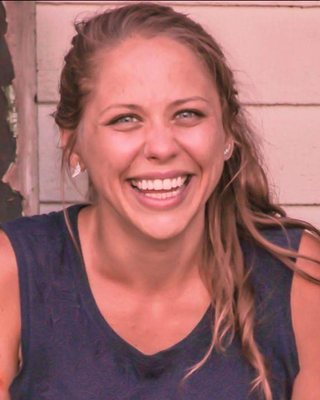
Hosted by Amanda Urato, LMHC, New Inspiration Counseling
Counselor, LMHC
Verified Verified
Group meets in Barnstable, MA 02630
I will guide you towards FEELING better and DOING better in your life–especially in your relationships! My belief and my experience shows me that we have within us deep wells of strengths, and the capacity to heal and move forward in our lives. But it sure helps to have someone in your corner: Together, we will understand your patterns (your internal patterns, and the patterns in your relationships). With my support, with new insights, and perhaps some new skills, you'll be read to make some positive changes: ...real progress, that lasts!
Know your boundaries know yourself. Learn the different types of boundaries & how to set healthy ones. This is a workshop on highlighting boundaries that are essential for defining who we are, protecting ourselves, and bringing order to our lives. Boundaries help us stay true to ourselves, prevent others from controlling or undermining us, and maintain our sense of purpose. Materials are supplied as well as light refreshments. Come join us.
Hosted by Aimee Teresa Facchini
Clinical Social Work/Therapist, MSW, LICSW
Verified Verified
Group meets in Barnstable, MA 02630
My name is Aimee Facchini and I have been a private practitioner on Cape Cod, Ma for over 25 years. I am a LICSW and Life Coach. My work experience is diverse and extensive from nonprofit agencies to crisis management to private practice. I have worked with individuals, families, and groups struggling with symptoms of depression, anxiety, grief, and more. I have nurtured a supportive, safe and diverse community that encourages positive connections and outcomes. You are invited to explore your journey and unravel your authentic truth. Remember, your life transitions are not roadblocks, but bridges to self-actualization.
Art is a powerful medium of seeing ones identity, situation , and challenges in a truthful expression. As a therapist I witness the art expression and facilitate acceptance and understanding.
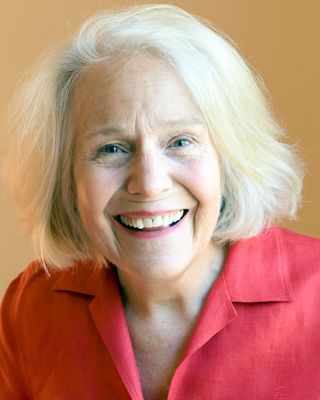
Hosted by Marliese Vogel
Clinical Social Work/Therapist, LISW, ACSW
Verified Verified
Group meets in Barnstable, MA 02648
Have you been in talk therapy and it has NOT worked? Do you want to let go of shame, depression, and guilt? I am looking for people who want to change. The human body is energy. By living life, all kinds of experiences happen. Some of these are negative and traumatic. These occurrences get stuck in your energy field and affect you psychologically. Working with me you will remember memories, and incidents ( you thought you forgot), and together we weave the holes in your energy field and remove the blocks in your energy that are preventing growth and flow.
See more therapy options for Hyannis


Nearby Searches for Hyannis
See More Support GroupsFAQs - About Group Therapy and Support Groups
How can I find a support group in Hyannis?
Search for nearby support groups by inputting your city, zip code, or the name of the group into the search bar. From there, you can filter to find a group that suits your needs, whether you are looking for support for a teenager, a group that focuses on a specific issue, such as depression, or a particular program type, such as one geared toward developing social skills. To navigate between locations within the same country, enter a new city or zip code into the search bar.
How does group therapy work?
Therapy groups are led by one or more therapists and serve to help people process their experiences and learn from others who understand their challenges firsthand. They can be based on a specific issue, such as addiction, grief, physical illnesses, parenting, and caregiving. They can involve a specific type of program or therapy, such as a social skills group or CBT group. They can also be specific to a particular population or community, such as teens or LGBTQ.
Support groups, like Alcoholics Anonymous, also focus on a specific issue, but are typically led by members with lived experiences and are less structured than therapy groups. Most therapy groups will meet for a fixed length of time with a consistent group of members, while many support groups meet for an indefinite period of time with members coming and going.
Support groups, like Alcoholics Anonymous, also focus on a specific issue, but are typically led by members with lived experiences and are less structured than therapy groups. Most therapy groups will meet for a fixed length of time with a consistent group of members, while many support groups meet for an indefinite period of time with members coming and going.
What are the benefits of group therapy?
Support groups help connect people with shared challenges or physical and mental health conditions. In a group setting, participants can receive support and feedback from peers and can acquire new skills, strategies and perspectives by listening to one another. Discussing your experience with someone who also has a cancer diagnosis, or whose son also struggles with addiction, for example, can help you feel less alone, reduce distress, find empathy and connection, and learn practical or medical information that has helped others. Group therapy can also be a more affordable option than individual therapy and just as effective.
Is group therapy as effective as individual therapy?
Support groups can be deeply valuable for both emotional support and/or treatment outcomes. It’s difficult to make a blanket statement on efficacy due to the many different types of support groups and conditions treated, but group therapy has been found to be just as effective as individual therapy in establishing long-term abstinence for conditions such as substance abuse, addiction and alcohol abuse.
How much does group therapy cost?
Group counseling is typically less expensive than individual counseling, with each session costing on average between $60 to $75. Meanwhile, individual therapy sessions can run anywhere from $100 to $200 and up, even after insurance. It is possible to find low-cost group therapy options and many therapists offer group sessions free of charge.
Does insurance cover group therapy?
As with individual therapy, many insurance companies do offer coverage for group therapy sessions. However, the coverage varies based on your insurance plan details and whether you choose an in-network or out-of-network mental healthcare provider. Individuals are encouraged to check with their insurance providers to verify coverage.
How long does group therapy last?
The length of a support group session is often one hour but can fall anywhere between 45 minutes and two hours. The amount of time that people remain in a support group varies based on their specific needs and goals and the type of therapy. Some individuals may seek a shorter-term group, such as a bereavement group, that may last between six and 20 weeks. Some may seek a longer-term group that lasts for a year or indefinitely.
What are the limitations of support groups?
Support groups have many benefits, but there are a few limitations as well. Support groups do not constitute formal therapeutic or medical treatment, and are not run by licensed mental health professionals, so some people may opt for group therapy or individual therapy instead. Additionally, support groups can depend on the other participants, so a disruptive individual has the potential to mar the group dynamic, and the anecdotal information shared may sometimes be unhelpful or inaccurate. Because it is a group setting, confidentiality can be more difficult to guard and participants receive less personalized attention than they would in an individual therapy session.