Support Groups in Cerritos, CA
An opportunity to learn, share, and bond around the issue of bipolar disorder.

Hosted by Dr. David Hirohama
Psychologist, PhD
Verified Verified
Group meets in Cerritos, CA 90703
An opportunity to learn, share, and bond around the issue of bipolar disorder.
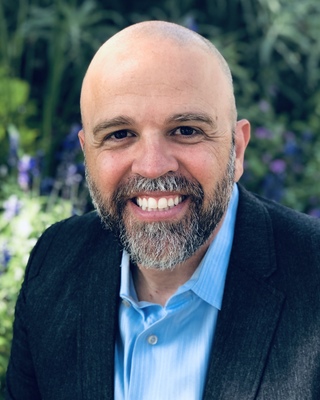
Hosted by Dr. Alex Ballan
Clinical Social Work/Therapist, EdD, LCSW, MSW
Verified Verified
Group meets in Cerritos, CA 90703
I work with various EAP Programs in crises situations, or problems dealing with issues associated with employment or brief family conflicts and that cause individuals problems interrupting their ability to function appropriately at home or at work. Family conflicts can ...

Hosted by Sandra K Kaumaya
Marriage & Family Therapist, MS, LMFT, ARFA
Verified Verified
Group meets in Cerritos, CA 90703
I work with various EAP Programs in crises situations, or problems dealing with issues associated with employment or brief family conflicts and that cause individuals problems interrupting their ability to function appropriately at home or at work. Family conflicts can ...
More Groups Nearby
Cognitive-Behavioral Therapy of Insomnia (CBTi) focuses on identifying and changing the thoughts and behaviors that contribute to sleep problems. It helps individuals develop healthier sleep patterns and improve their overall sleep quality. CBT is a structured and data-driven form of ...

Hosted by Robert Yeilding
Psychologist, PsyD
Verified Verified
Group meets in Long Beach, CA 90807
Cognitive-Behavioral Therapy of Insomnia (CBTi) focuses on identifying and changing the thoughts and behaviors that contribute to sleep problems. It helps individuals develop healthier sleep patterns and improve their overall sleep quality. CBT is a structured and data-driven form of ...
This is a support group for women dealing with postpartum depression and anxiety. It is a five week closed group where we will discuss the birth of a mother, the difference between the baby blues and post partum mood disorders, ...

Hosted by Robin Pritchard Giesen
Marriage & Family Therapist, MA
Verified Verified
Group meets in Long Beach, CA 90807
This is a support group for women dealing with postpartum depression and anxiety. It is a five week closed group where we will discuss the birth of a mother, the difference between the baby blues and post partum mood disorders, ...
This group focuses on developing positive coping skills for individuals struggling with daily frustrations and anger. As a group we will focus on the specific triggers that lead to frustration and anger. As well as the ways these emotions drive ...

Hosted by S & S Psychological Consultants
Pre-Licensed Professional, MA, PsyD
Not Verified Not Verified
Group meets in Long Beach, CA 90807
This group focuses on developing positive coping skills for individuals struggling with daily frustrations and anger. As a group we will focus on the specific triggers that lead to frustration and anger. As well as the ways these emotions drive ...
The L.E.A.D. Women's Power Circle is a sacred supportive space for you to: (1) connect with fellow kind-hearted go-getter women, (2) feel inspired to liberate, elevate and activate your heart, mind, body and spirit, (3) gain clarity and make decisions ...
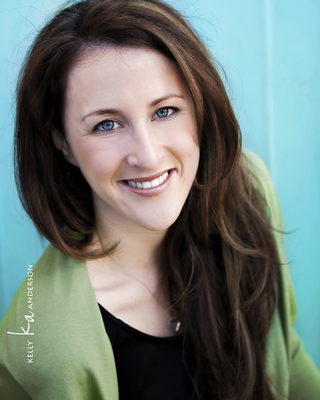
Hosted by Andrea Cairella
Counselor, LPCC
Verified Verified
Group meets in Long Beach, CA 90803
The L.E.A.D. Women's Power Circle is a sacred supportive space for you to: (1) connect with fellow kind-hearted go-getter women, (2) feel inspired to liberate, elevate and activate your heart, mind, body and spirit, (3) gain clarity and make decisions ...
At Sal rediscovery our goal is to help individual and family struggles with substance abuse. Sal rediscovery purpose is to show individuals and their families that sobriety possible and family can rediscover their loved one. Our mission is to build ...

Hosted by Sal Psychiatry Services
Psychiatrist, MD, MPH
Verified Verified
Group meets in Norwalk, CA 90650
At Sal rediscovery our goal is to help individual and family struggles with substance abuse. Sal rediscovery purpose is to show individuals and their families that sobriety possible and family can rediscover their loved one. Our mission is to build ...
One of the hardest parts of recovery is reaching out to others for support, as shame often accompanies sex/porn addiction. There are people that can understand, relate, and help start you on the road to healing. Connect with others in ...

Hosted by Christene Lozano (Certified Sex Therapist)
Marriage & Family Therapist, MS, LMFT, CST, CSAT
Verified Verified
Group meets in Long Beach, CA 90804
One of the hardest parts of recovery is reaching out to others for support, as shame often accompanies sex/porn addiction. There are people that can understand, relate, and help start you on the road to healing. Connect with others in ...
Childhood trauma is defined as an event or events experienced by a child that is emotionally painful, frightening, or distressful, which can often lead to lasting mental and physical effects. Symptoms of childhood trauma in adults can include but are ...
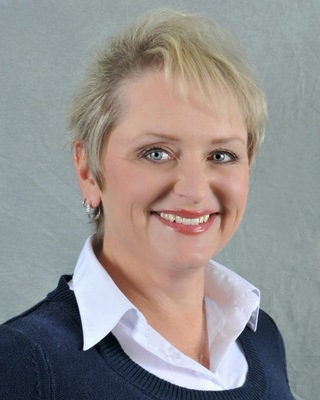
Hosted by Christine Rivlin
Counselor, LPCC
Verified Verified
Group meets in Long Beach, CA 90814
Childhood trauma is defined as an event or events experienced by a child that is emotionally painful, frightening, or distressful, which can often lead to lasting mental and physical effects. Symptoms of childhood trauma in adults can include but are ...
At CBM, patients receive the benefits of a holistic medical health practice, bringing together both Psychiatric and Psychological practitioners into one. For over 30 years, CBM has been servicing the LA County community, and now also services Orange County with ...

Hosted by Center For Behavior Medicine
Psychiatrist, MD
Verified Verified
Group meets in Whittier, CA 90605
At CBM, patients receive the benefits of a holistic medical health practice, bringing together both Psychiatric and Psychological practitioners into one. For over 30 years, CBM has been servicing the LA County community, and now also services Orange County with ...
The hardest part of recovery is reaching out to other people for help. There are people that can understand, relate and help start you on the process of healing. Begin working with others in a safe and trusting therapeutic environment ...

Hosted by Darrin G Ford
Marriage & Family Therapist, MA, LMFT, CSAT-S, CPTT-S, MBAT-S
Verified Verified
Group meets in Long Beach, CA 90806
The hardest part of recovery is reaching out to other people for help. There are people that can understand, relate and help start you on the process of healing. Begin working with others in a safe and trusting therapeutic environment ...
At Center for Behavior Medicine, patients receive the benefits of a holistic medical health practice, bringing together both Psychiatric and Psychological practitioners into one, unified center. For over 30 years, Center for Behavior Medicine has been servicing the LA County ...

Hosted by Center For Behavior Medicine
Psychiatrist, MD
Verified Verified
Group meets in Whittier, CA 90605
At Center for Behavior Medicine, patients receive the benefits of a holistic medical health practice, bringing together both Psychiatric and Psychological practitioners into one, unified center. For over 30 years, Center for Behavior Medicine has been servicing the LA County ...
Ready to unleash your creativity and boost your mental well-being? Join our monthly Art Journaling Workshop, where you'll discover the transformative power of art in nurturing your mind and soul. No art experience required – all supplies are provided. Just ...

Hosted by Suzanne Gauthier-Pin
Marriage & Family Therapist, LMFT
Verified Verified
Group meets in Long Beach, CA 90807
Ready to unleash your creativity and boost your mental well-being? Join our monthly Art Journaling Workshop, where you'll discover the transformative power of art in nurturing your mind and soul. No art experience required – all supplies are provided. Just ...
Ten-week anger management class with certificate at completion.Learn the eight tools of anger control. Structured program with a workbook taught by Dr Fiore who has conducted more than 1000 classes since 2002. Includes topics such as how to better manage ...

Hosted by Tony Fiore
Psychologist, PhD
Verified Verified
Group meets in Long Beach, CA 90815
Ten-week anger management class with certificate at completion.Learn the eight tools of anger control. Structured program with a workbook taught by Dr Fiore who has conducted more than 1000 classes since 2002. Includes topics such as how to better manage ...
This group runs on Mondays from 6:00 PM to 7:30 PM and is currently held online via Zoom due to COVID-19. Facilitated by master therapist Darrin Ford, LMFT who has over 20 years of experience in this field. He is ...

Hosted by Mindful Centers for Addiction and Trauma Therapy
Marriage & Family Therapist, LMFT, CSAT-S, MBAT-CS
Verified Verified
Group meets in Long Beach, CA 90806
This group runs on Mondays from 6:00 PM to 7:30 PM and is currently held online via Zoom due to COVID-19. Facilitated by master therapist Darrin Ford, LMFT who has over 20 years of experience in this field. He is ...
Group therapy sessions are 90 minutes long and meet weekly. This group addresses adjustment to a new medical condition, management of an acute illness or injury, or living with a chronic health concern. This group can support you in your ...

Hosted by Leslie Klein
Psychologist, PhD
Verified Verified
Group meets in Long Beach, CA 90803
Group therapy sessions are 90 minutes long and meet weekly. This group addresses adjustment to a new medical condition, management of an acute illness or injury, or living with a chronic health concern. This group can support you in your ...
Breakthrough Parenting®, 26-week comprehensive, skill-building program designed to teach advanced parenting techniques. Successful completion of this course is determined by the number of classes attended by the student and by the student's successful completion of the course workbook. Each class ...

Hosted by Dr. Cryssol Marquez
Marriage & Family Therapist, PsyD, LMFT, MA Ed
Verified Verified
Group meets in Long Beach, CA 90807
Breakthrough Parenting®, 26-week comprehensive, skill-building program designed to teach advanced parenting techniques. Successful completion of this course is determined by the number of classes attended by the student and by the student's successful completion of the course workbook. Each class ...
This 8-week group therapy is for adults who are dealing with the loss of a loved one, and interested in a supportive and therapeutic space to share about their process, hear about others' journeys and explore ways to cope with ...

Hosted by Constanza Patricia Whitwood - Love Listen And Play
Clinical Social Work/Therapist, LCSW
Verified Verified
Group meets in Long Beach, CA 90815
This 8-week group therapy is for adults who are dealing with the loss of a loved one, and interested in a supportive and therapeutic space to share about their process, hear about others' journeys and explore ways to cope with ...
NOT CURRENTLY RUNNING: Parenting can bring about a number of difficult feelings, including fear, uncertainty, self-doubt, & overwhelm. With it comes many thoughts, questions, & concerns...how do I balance it all, does anyone else feel this way, am I a ...
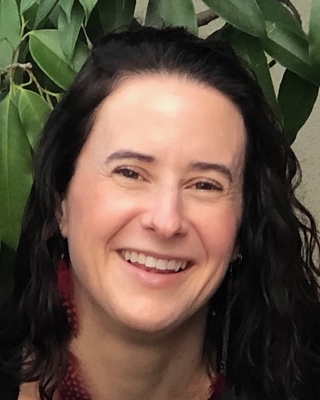
Hosted by Nicole Kristine Thorn
Psychologist, PhD
Verified Verified
Group meets in Long Beach, CA 90805
NOT CURRENTLY RUNNING: Parenting can bring about a number of difficult feelings, including fear, uncertainty, self-doubt, & overwhelm. With it comes many thoughts, questions, & concerns...how do I balance it all, does anyone else feel this way, am I a ...
See more therapy options for Cerritos


FAQs - About Group Therapy and Support Groups
How can I find a support group in Cerritos?
Search for nearby support groups by inputting your city, zip code, or the name of the group into the search bar. From there, you can filter to find a group that suits your needs, whether you are looking for support for a teenager, a group that focuses on a specific issue, such as depression, or a particular program type, such as one geared toward developing social skills. To navigate between locations within the same country, enter a new city or zip code into the search bar.
How does group therapy work?
Therapy groups are led by one or more therapists and serve to help people process their experiences and learn from others who understand their challenges firsthand. They can be based on a specific issue, such as addiction, grief, physical illnesses, parenting, and caregiving. They can involve a specific type of program or therapy, such as a social skills group or CBT group. They can also be specific to a particular population or community, such as teens or LGBTQ.
Support groups, like Alcoholics Anonymous, also focus on a specific issue, but are typically led by members with lived experiences and are less structured than therapy groups. Most therapy groups will meet for a fixed length of time with a consistent group of members, while many support groups meet for an indefinite period of time with members coming and going.
Support groups, like Alcoholics Anonymous, also focus on a specific issue, but are typically led by members with lived experiences and are less structured than therapy groups. Most therapy groups will meet for a fixed length of time with a consistent group of members, while many support groups meet for an indefinite period of time with members coming and going.
What are the benefits of group therapy?
Support groups help connect people with shared challenges or physical and mental health conditions. In a group setting, participants can receive support and feedback from peers and can acquire new skills, strategies and perspectives by listening to one another. Discussing your experience with someone who also has a cancer diagnosis, or whose son also struggles with addiction, for example, can help you feel less alone, reduce distress, find empathy and connection, and learn practical or medical information that has helped others. Group therapy can also be a more affordable option than individual therapy and just as effective.
Is group therapy as effective as individual therapy?
Support groups can be deeply valuable for both emotional support and/or treatment outcomes. It’s difficult to make a blanket statement on efficacy due to the many different types of support groups and conditions treated, but group therapy has been found to be just as effective as individual therapy in establishing long-term abstinence for conditions such as substance abuse, addiction and alcohol abuse.
How much does group therapy cost?
Group counseling is typically less expensive than individual counseling, with each session costing on average between $60 to $75. Meanwhile, individual therapy sessions can run anywhere from $100 to $200 and up, even after insurance. It is possible to find low-cost group therapy options and many therapists offer group sessions free of charge.
Does insurance cover group therapy?
As with individual therapy, many insurance companies do offer coverage for group therapy sessions. However, the coverage varies based on your insurance plan details and whether you choose an in-network or out-of-network mental healthcare provider. Individuals are encouraged to check with their insurance providers to verify coverage.
How long does group therapy last?
The length of a support group session is often one hour but can fall anywhere between 45 minutes and two hours. The amount of time that people remain in a support group varies based on their specific needs and goals and the type of therapy. Some individuals may seek a shorter-term group, such as a bereavement group, that may last between six and 20 weeks. Some may seek a longer-term group that lasts for a year or indefinitely.
What are the limitations of support groups?
Support groups have many benefits, but there are a few limitations as well. Support groups do not constitute formal therapeutic or medical treatment, and are not run by licensed mental health professionals, so some people may opt for group therapy or individual therapy instead. Additionally, support groups can depend on the other participants, so a disruptive individual has the potential to mar the group dynamic, and the anecdotal information shared may sometimes be unhelpful or inaccurate. Because it is a group setting, confidentiality can be more difficult to guard and participants receive less personalized attention than they would in an individual therapy session.