Support Groups in La Palma, CA
WeCare Therapy Group, a dedicated team providing culturally sensitive mental health and relationship services tailored to the Korean population. Our mission is to offer support and guidance to individuals facing a variety of mental health challenges within a safe and ...

Hosted by Faith Chin
Clinical Social Work/Therapist, LCSW
Verified Verified
Group meets in La Palma, CA 90623
WeCare Therapy Group, a dedicated team providing culturally sensitive mental health and relationship services tailored to the Korean population. Our mission is to offer support and guidance to individuals facing a variety of mental health challenges within a safe and ...
WeCare Therapy Group, a dedicated team providing culturally sensitive mental health and relationship services tailored to the Korean population. Our mission is to offer support and guidance to individuals facing a variety of mental health challenges within a safe and ...

Hosted by Youngseoung Seo
Clinical Social Work/Therapist, LCSW
Verified Verified
Group meets in La Palma, CA 90623
WeCare Therapy Group, a dedicated team providing culturally sensitive mental health and relationship services tailored to the Korean population. Our mission is to offer support and guidance to individuals facing a variety of mental health challenges within a safe and ...
WeCare Therapy Group, a dedicated team providing culturally sensitive mental health and relationship services tailored to the Korean population. Our mission is to offer support and guidance to individuals facing a variety of mental health challenges within a safe and ...

Hosted by Matthew Lee
Clinical Social Work/Therapist, LCSW
Verified Verified
Group meets in La Palma, CA 90623
WeCare Therapy Group, a dedicated team providing culturally sensitive mental health and relationship services tailored to the Korean population. Our mission is to offer support and guidance to individuals facing a variety of mental health challenges within a safe and ...
Wecare Therapy Group

Hosted by Joy J Yang
Clinical Social Work/Therapist, LCSW
Verified Verified
Group meets in La Palma, CA 90623
Wecare Therapy Group
More Groups Nearby
It's important to talk about your loved one, honor your emotions and recognize the various stages of mourning. With loss also comes changes in self-identity and the role a person plays in life. This group is a safe space where ...

Hosted by Cathy Trenary
Pre-Licensed Professional, APCC
Verified Verified
Group meets in Huntington Beach, CA 92647
It's important to talk about your loved one, honor your emotions and recognize the various stages of mourning. With loss also comes changes in self-identity and the role a person plays in life. This group is a safe space where ...
This couples workshop "wakes up the sleeping marriage." It helps you breathe new life into your relationship. It helps turn pain and crisis into opportunities for growth and development. You learn how to develop the emotional muscle to listen and ...

Hosted by Todd Creager
Marriage & Family Therapist, LCSW, LMFT
Verified Verified
Group meets in Huntington Beach, CA 92647
This couples workshop "wakes up the sleeping marriage." It helps you breathe new life into your relationship. It helps turn pain and crisis into opportunities for growth and development. You learn how to develop the emotional muscle to listen and ...
Dialectical Behavioral Therapy (DBT) offers structured support for emotional regulation, stress coping, and improved relationships in individuals struggling with various issues, including depression, anxiety, trauma, OCD, and personality disorders. This group can assist you in learning effective mindfulness practices, distress ...

Hosted by Veronica Ghabour
Licensed Professional Clinical Counselor, LPCC
Verified Verified
Group meets in Fullerton, CA 92832
Dialectical Behavioral Therapy (DBT) offers structured support for emotional regulation, stress coping, and improved relationships in individuals struggling with various issues, including depression, anxiety, trauma, OCD, and personality disorders. This group can assist you in learning effective mindfulness practices, distress ...
Join our Harm Reduction Addiction Support Group for holistic recovery. Our compassionate space embraces diverse needs with structured sessions covering addiction, anxiety, depression, impulse control, relationships, and more. We focus on coping skills, healthy relationships, and relapse prevention, integrating IFS, ...

Hosted by Kelly Albrecht
Pre-Licensed Professional, ASW
Verified Verified
Group meets in Fullerton, CA 92832
Join our Harm Reduction Addiction Support Group for holistic recovery. Our compassionate space embraces diverse needs with structured sessions covering addiction, anxiety, depression, impulse control, relationships, and more. We focus on coping skills, healthy relationships, and relapse prevention, integrating IFS, ...
ConnecTeen provides a compassionate space for teens touched by third party reproduction, adoption, and foster care to make new connections to swap feelings, thoughts, and stories related to adoption in an understanding, safe, and supportive environment with other teens. In ...
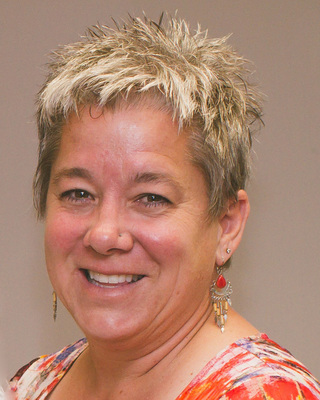
Hosted by Patti Huber
Clinical Social Work/Therapist, LCSW, PPS
Verified Verified
Group meets in Seal Beach, CA 90740
ConnecTeen provides a compassionate space for teens touched by third party reproduction, adoption, and foster care to make new connections to swap feelings, thoughts, and stories related to adoption in an understanding, safe, and supportive environment with other teens. In ...
Court approved. Using traditional, contemporary and non-violent philosophy, parents explore options to guiding children to become productive, well-adjusted, loving and caring individuals. Using common sense and cognitive behavioral techniques, we focus on how to communicate, when to discipline, who makes ...
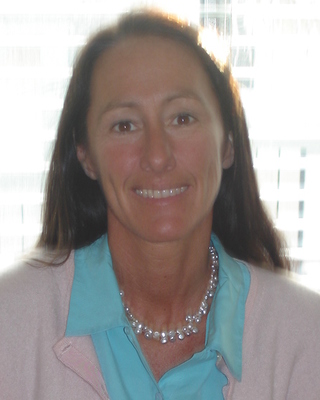
Hosted by Margaret J Medhus
Marriage & Family Therapist, MS, LMFT, BC-TMH
Verified Verified
Group meets in Huntington Beach, CA 92647
Court approved. Using traditional, contemporary and non-violent philosophy, parents explore options to guiding children to become productive, well-adjusted, loving and caring individuals. Using common sense and cognitive behavioral techniques, we focus on how to communicate, when to discipline, who makes ...
If your birth didn’t go as planned or expected, if there was a medical emergency, or if you didn’t feel heard or supported during the birth of your child, you might view your birth as traumatic. Connection mitigates trauma. Share ...

Hosted by Molly Vasa Bertolucci
Clinical Social Work/Therapist, LCSW, PMH-C
Verified Verified
Group meets in Los Alamitos, CA 90720
If your birth didn’t go as planned or expected, if there was a medical emergency, or if you didn’t feel heard or supported during the birth of your child, you might view your birth as traumatic. Connection mitigates trauma. Share ...
This group is a six-week therapy group for women, blending the Internal Family Systems (IFS) model and mindfulness. This group is tailored for those navigating grief, trauma, relationship shifts, and career challenges along with a safe space for exploration. I ...

Hosted by Kelly Albrecht
Pre-Licensed Professional, ASW
Verified Verified
Group meets in Huntington Beach, CA 92647
This group is a six-week therapy group for women, blending the Internal Family Systems (IFS) model and mindfulness. This group is tailored for those navigating grief, trauma, relationship shifts, and career challenges along with a safe space for exploration. I ...
I host a mastermind group that meets for mutual career and personal encouragement. I attract mid-career professionals who want to break through to a higher level of success and be accountable to others with the same mindset.

Hosted by Dyment & Associates, Inc.
Psychologist, MA, PhD
Verified Verified
Group meets in Huntington Beach, CA 92647
I host a mastermind group that meets for mutual career and personal encouragement. I attract mid-career professionals who want to break through to a higher level of success and be accountable to others with the same mindset.
Empower yourself during the emotional and legal divorce process. Acquire tools to heal from your divorce. in a warm and safe environment. Forgive your spouse and yourself. Co-parent effectively. RSVP. Seating is limited. Call: 714.527.8111 to reserve your seat today.
Hosted by Yaffa Rosner
Marriage & Family Therapist, MA, LMFT
Verified Verified
Group meets in Los Alamitos, CA 90720
Empower yourself during the emotional and legal divorce process. Acquire tools to heal from your divorce. in a warm and safe environment. Forgive your spouse and yourself. Co-parent effectively. RSVP. Seating is limited. Call: 714.527.8111 to reserve your seat today.
This group meets weekly with the goal of deepening and learning Mindful Self-Compassion Skills.
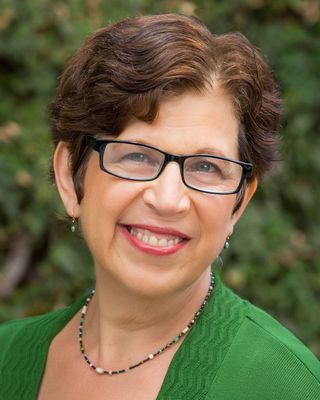
Hosted by Wendy N. Block
Clinical Social Work/Therapist, LCSW
Verified Verified
Group meets in Los Alamitos, CA 90720
This group meets weekly with the goal of deepening and learning Mindful Self-Compassion Skills.
Divorce & Relationship Recovery is a support group for women. Have you gone or plan on ending a relationship/divorce? This group will offer support, coping skills, psycho-education, and interventions needed for recovery from the relationship transition in your life. Groups ...

Hosted by Dr. Teriza Mekhail-Andreou
Marriage & Family Therapist, PsyD, LMFT
Verified Verified
Group meets in Fullerton, CA 92835
Divorce & Relationship Recovery is a support group for women. Have you gone or plan on ending a relationship/divorce? This group will offer support, coping skills, psycho-education, and interventions needed for recovery from the relationship transition in your life. Groups ...

Hosted by SilverLining Recovery
Treatment Center, PhD, PsyD, LCSW, LAADC
Verified Verified
Group meets in Huntington Beach, CA 92647
This is a closed group that runs 4 weeks on a rotating basis. Servicemembers and Veterans explore moral injuries and develop coping skills to improve his/her quality of life/improve symptoms of Post Traumatic Stress. This is a judgment-free environment and ...
Hosted by April Delgadillo-Jolley
Marriage & Family Therapist, MS, LMFT
Verified Verified
Group meets in Fullerton, CA 92835
This is a closed group that runs 4 weeks on a rotating basis. Servicemembers and Veterans explore moral injuries and develop coping skills to improve his/her quality of life/improve symptoms of Post Traumatic Stress. This is a judgment-free environment and ...
Are you interested in meeting regularly with other therapists in private practice in order to find support and encouragement? This is a group created for therapists to discuss cases, collaborate and share about the challenges of being a mental health ...
Hosted by Sharie Rose Stines
Counselor, PsyD, LPCC
Verified Verified
Group meets in La Habra, CA 90631
Are you interested in meeting regularly with other therapists in private practice in order to find support and encouragement? This is a group created for therapists to discuss cases, collaborate and share about the challenges of being a mental health ...
This is an open ongoing group run by a child specialist to support children with practicing healthy social skills and boundaries. Topics related to peer conflict, social anxiety, sharing, and emotional expression with friends will be explored.
Hosted by Insight Children and Family Therapy Center
Marriage & Family Therapist, LMFT, LCSW
Verified Verified
Group meets in Huntington Beach, CA 92647
This is an open ongoing group run by a child specialist to support children with practicing healthy social skills and boundaries. Topics related to peer conflict, social anxiety, sharing, and emotional expression with friends will be explored.
See more therapy options for La Palma


FAQs - About Group Therapy and Support Groups
How can I find a support group in La Palma?
Search for nearby support groups by inputting your city, zip code, or the name of the group into the search bar. From there, you can filter to find a group that suits your needs, whether you are looking for support for a teenager, a group that focuses on a specific issue, such as depression, or a particular program type, such as one geared toward developing social skills. To navigate between locations within the same country, enter a new city or zip code into the search bar.
How does group therapy work?
Therapy groups are led by one or more therapists and serve to help people process their experiences and learn from others who understand their challenges firsthand. They can be based on a specific issue, such as addiction, grief, physical illnesses, parenting, and caregiving. They can involve a specific type of program or therapy, such as a social skills group or CBT group. They can also be specific to a particular population or community, such as teens or LGBTQ.
Support groups, like Alcoholics Anonymous, also focus on a specific issue, but are typically led by members with lived experiences and are less structured than therapy groups. Most therapy groups will meet for a fixed length of time with a consistent group of members, while many support groups meet for an indefinite period of time with members coming and going.
Support groups, like Alcoholics Anonymous, also focus on a specific issue, but are typically led by members with lived experiences and are less structured than therapy groups. Most therapy groups will meet for a fixed length of time with a consistent group of members, while many support groups meet for an indefinite period of time with members coming and going.
What are the benefits of group therapy?
Support groups help connect people with shared challenges or physical and mental health conditions. In a group setting, participants can receive support and feedback from peers and can acquire new skills, strategies and perspectives by listening to one another. Discussing your experience with someone who also has a cancer diagnosis, or whose son also struggles with addiction, for example, can help you feel less alone, reduce distress, find empathy and connection, and learn practical or medical information that has helped others. Group therapy can also be a more affordable option than individual therapy and just as effective.
Is group therapy as effective as individual therapy?
Support groups can be deeply valuable for both emotional support and/or treatment outcomes. It’s difficult to make a blanket statement on efficacy due to the many different types of support groups and conditions treated, but group therapy has been found to be just as effective as individual therapy in establishing long-term abstinence for conditions such as substance abuse, addiction and alcohol abuse.
How much does group therapy cost?
Group counseling is typically less expensive than individual counseling, with each session costing on average between $60 to $75. Meanwhile, individual therapy sessions can run anywhere from $100 to $200 and up, even after insurance. It is possible to find low-cost group therapy options and many therapists offer group sessions free of charge.
Does insurance cover group therapy?
As with individual therapy, many insurance companies do offer coverage for group therapy sessions. However, the coverage varies based on your insurance plan details and whether you choose an in-network or out-of-network mental healthcare provider. Individuals are encouraged to check with their insurance providers to verify coverage.
How long does group therapy last?
The length of a support group session is often one hour but can fall anywhere between 45 minutes and two hours. The amount of time that people remain in a support group varies based on their specific needs and goals and the type of therapy. Some individuals may seek a shorter-term group, such as a bereavement group, that may last between six and 20 weeks. Some may seek a longer-term group that lasts for a year or indefinitely.
What are the limitations of support groups?
Support groups have many benefits, but there are a few limitations as well. Support groups do not constitute formal therapeutic or medical treatment, and are not run by licensed mental health professionals, so some people may opt for group therapy or individual therapy instead. Additionally, support groups can depend on the other participants, so a disruptive individual has the potential to mar the group dynamic, and the anecdotal information shared may sometimes be unhelpful or inaccurate. Because it is a group setting, confidentiality can be more difficult to guard and participants receive less personalized attention than they would in an individual therapy session.