Parenting is tough especially when you feel unsupported and alone. It takes two and sometimes a village to raise healthy, happy, successful children. But it is not always easy to parent following a breakup or divorce. I am here to ...
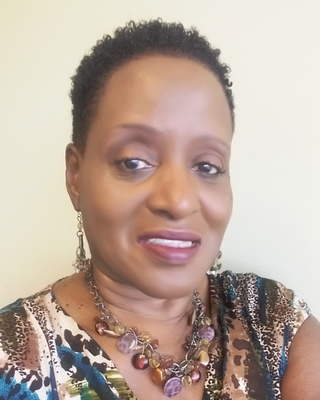
Hosted by Sharon Middleton McGinnis
Clinical Social Work/Therapist, LICSW, PIP
Verified Verified
Group meets in Birmingham, AL 35209
Parenting is tough especially when you feel unsupported and alone. It takes two and sometimes a village to raise healthy, happy, successful children. But it is not always easy to parent following a breakup or divorce. I am here to ...
This four session group on Tuesdays will help you process what moving in life with grief can look like. How do I face the emotional experience of grief? How do I talk to people about my loss? How do I ...

Hosted by Eagle Consulting/Counseling Division
Licensed Professional Counselor, LPC, LMFT, LCSW, PhD
Verified Verified
Group meets in Huntsville, AL 35806
This four session group on Tuesdays will help you process what moving in life with grief can look like. How do I face the emotional experience of grief? How do I talk to people about my loss? How do I ...
We are a practice that offers a whole suite of services ranging from counseling and neurofeedback to art therapy and yoga. We'd love to provide you with a free consultation about the services we provide.

We are a practice that offers a whole suite of services ranging from counseling and neurofeedback to art therapy and yoga. We'd love to provide you with a free consultation about the services we provide.
Groups are lead and/or co-lead by Whit Stephens, MS, LPC, NCC and Ryan White, MS, LPC, NCC. Group topics will rotate according to caseload and/or perceived community needs. Group topics are likely to include: grief, trauma, anxiety, abuse, depression, ADHD, ...

Hosted by Whit Y. Stephens
Licensed Professional Counselor, MS, LPC, NCC
Verified Verified
Group meets in Orange Beach, AL 36561
Groups are lead and/or co-lead by Whit Stephens, MS, LPC, NCC and Ryan White, MS, LPC, NCC. Group topics will rotate according to caseload and/or perceived community needs. Group topics are likely to include: grief, trauma, anxiety, abuse, depression, ADHD, ...
Sundays: · 1PM-2PM: Substance Abuse /Adults 3PM-4PM: DBT (Adults) · 5PM-6PM: LGPTQ+ Support Mondays: · 1PM-2PM: Anxiety (Shawn) · 3PM-4PM: Surviving Grief (Shawn) · 5PM-6PM: Trauma Support uesdays: · 6PM-7PM: Substance abuse/Adolescents Wednesdays: · 4PM-5PM: DBT Adults (SAM) · 5:30PM-6:30PM: ...

Hosted by Wesam 'sam' Shash
Licensed Professional Counselor, MS, LPC
Verified Verified
Group meets in Huntsville, AL 35816
Sundays: · 1PM-2PM: Substance Abuse /Adults 3PM-4PM: DBT (Adults) · 5PM-6PM: LGPTQ+ Support Mondays: · 1PM-2PM: Anxiety (Shawn) · 3PM-4PM: Surviving Grief (Shawn) · 5PM-6PM: Trauma Support uesdays: · 6PM-7PM: Substance abuse/Adolescents Wednesdays: · 4PM-5PM: DBT Adults (SAM) · 5:30PM-6:30PM: ...
Alabama Wellness provides DOT approved substance abuse evaluations for Federal Motor Carrier Safety Administration, Federal Railroad Administration, Federal Aviation Administration, Federal Transit Administration, Pipeline and Hazardous Materials Safety Administration, and United States Coast Guard. We provide professional evaluation services from ...

Hosted by Janet P Stoudenmire
Licensed Professional Counselor, MS, LPC-S, ICADC, MAC, SAP
Verified Verified
Group meets in Birmingham, AL 35242
Alabama Wellness provides DOT approved substance abuse evaluations for Federal Motor Carrier Safety Administration, Federal Railroad Administration, Federal Aviation Administration, Federal Transit Administration, Pipeline and Hazardous Materials Safety Administration, and United States Coast Guard. We provide professional evaluation services from ...
I lead groups for betrayed spouses that run for 12 weeks at a time. Groups begin regularly throughout the year. This is an opportunity for betrayed spouses to connect with others, see they are not alone and find hope, healing, ...
Hosted by Teresa Prince
Counselor, MA, NCC, LPC, BCN, ASAT
Verified Verified
Group meets in Birmingham, AL 35242
I lead groups for betrayed spouses that run for 12 weeks at a time. Groups begin regularly throughout the year. This is an opportunity for betrayed spouses to connect with others, see they are not alone and find hope, healing, ...
Decision-making can be difficult. A poor decision can lead to a life of self-doubt, low self-esteem, incarceration, or disruption from discovering one's intended purpose. The Evolution of Decision-Making teaches the basic principles needed to guide one to an orderly evaluation ...

Hosted by J L Austin Counseling & Consulting
Licensed Professional Counselor, MA, LPC-S, NCC
Verified Verified
Group meets in Homewood, AL 35209
Decision-making can be difficult. A poor decision can lead to a life of self-doubt, low self-esteem, incarceration, or disruption from discovering one's intended purpose. The Evolution of Decision-Making teaches the basic principles needed to guide one to an orderly evaluation ...
Assisting those struggling with their relationship with food, body and self move through recovery to recovered. Call for a free screening.

Hosted by Christopher Willson
Licensed Professional Counselor, LPC
Verified Verified
Group meets in Birmingham, AL 35242
Assisting those struggling with their relationship with food, body and self move through recovery to recovered. Call for a free screening.
Men's Coaching Reel2Real is a weekly men's gathering where the use of multimedia presentations, interactive teaching and discussions incorporate men's coaching, counseling, and faith-based principles to encourage men of all ages.
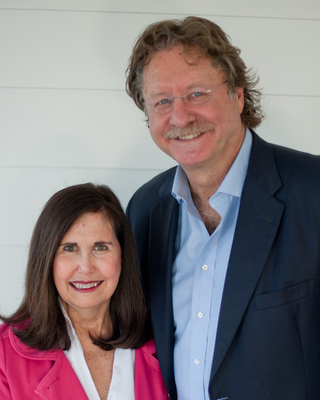
Hosted by Hardin Life Resources
Marriage & Family Therapist, MA, MDiv, LMFT, LPC
Verified Verified
Group meets in Fairhope, AL 36532
Men's Coaching Reel2Real is a weekly men's gathering where the use of multimedia presentations, interactive teaching and discussions incorporate men's coaching, counseling, and faith-based principles to encourage men of all ages.
Group therapy for women over 60 years old, who are dealing with issues related to the challenges of "Life's Third Act": grief, regrets, issues with adult children and grandchildren, loneliness, insignificance, physical health problems, marital difficulties, depression and anxiety.

Group therapy for women over 60 years old, who are dealing with issues related to the challenges of "Life's Third Act": grief, regrets, issues with adult children and grandchildren, loneliness, insignificance, physical health problems, marital difficulties, depression and anxiety.
This group is for women looking to find balance in their life and to reconnect with other woman who have similar problems. This group is a skills based group. I teach 4 modules based on DBT. I teach you how ...

Hosted by Lisa O McDaniel
Licensed Professional Counselor, MS, LPC-S, NCC, CDBT
Verified Verified
Group meets in Auburn, AL 36830
This group is for women looking to find balance in their life and to reconnect with other woman who have similar problems. This group is a skills based group. I teach 4 modules based on DBT. I teach you how ...
The mission of Synergy Divorce Therapy Group is to develop healthy life choices that promote positive life cycle development and to eliminate negative coping mechanisms and methods that may be preventing a productive and autonomous life. We realize that divorce ...

Hosted by Dr. Jack G Weaver
Licensed Professional Counselor, DMin, CMHC, LPC
Verified Verified
Group meets in Fort Payne, AL 35967
The mission of Synergy Divorce Therapy Group is to develop healthy life choices that promote positive life cycle development and to eliminate negative coping mechanisms and methods that may be preventing a productive and autonomous life. We realize that divorce ...
Sliding Scale and Free counseling for individuals and couples.
Sliding Scale and Free counseling for individuals and couples.
Join us for a much-needed break at Therapist Tune-up! This in-person event is designed exclusively for therapists and other healthcare professionals who deserve some relaxation and rejuvenation. Each meeting will incorporate a mixture of relaxation, music, creativity, and discussion about ...
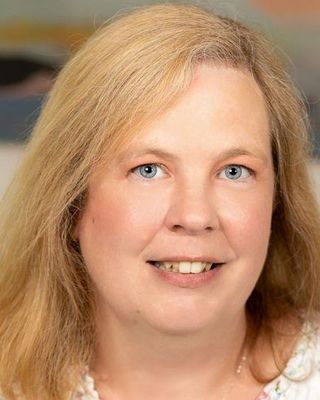
Join us for a much-needed break at Therapist Tune-up! This in-person event is designed exclusively for therapists and other healthcare professionals who deserve some relaxation and rejuvenation. Each meeting will incorporate a mixture of relaxation, music, creativity, and discussion about ...
This group is designed for domestic abuse/violence offenders. These sessions teach the dynamics of domestic violence/abuse and skills to chose nonviolent resolution of conflict. One of the basic tenets of the session is the unacceptability of violence and personal accountability ...
Hosted by Generations Counseling & Consulting Services, LLC
Licensed Professional Counselor, MEd, LPC-S
Verified Verified
Group meets in Hueytown, AL 35023
This group is designed for domestic abuse/violence offenders. These sessions teach the dynamics of domestic violence/abuse and skills to chose nonviolent resolution of conflict. One of the basic tenets of the session is the unacceptability of violence and personal accountability ...
This group addresses the need for ongoing emotional and mental support beyond traditional psychotherapy. People often struggle to maintain the progress achieved during therapy sessions (especially if loved-ones have not taken advantage of psychotherapy) and may revert to old reactions ...

Hosted by Mental Health Monarchs
Licensed Professional Counselor, LPC, NCC
Verified Verified
Group meets in Birmingham, AL 35242
This group addresses the need for ongoing emotional and mental support beyond traditional psychotherapy. People often struggle to maintain the progress achieved during therapy sessions (especially if loved-ones have not taken advantage of psychotherapy) and may revert to old reactions ...
We support individuals, couples, and families as they navigate difficult circumstances and pursue their goals toward a brighter future. As therapists with long-standing reputations in the Tuscaloosa area, we were proud to establish Viewpoint Counseling Professionals in 2018 as a ...
Hosted by Julia Madrid
Licensed Professional Counselor, MA, LPC
Verified Verified
Group meets in Northport, AL 35476
We support individuals, couples, and families as they navigate difficult circumstances and pursue their goals toward a brighter future. As therapists with long-standing reputations in the Tuscaloosa area, we were proud to establish Viewpoint Counseling Professionals in 2018 as a ...
Join perinatal mental health specialist Leslie Herhold, LCSW, in our psychotherapy groups for postpartum women! Groups are held quarterly. Blue Cross insurance accepted. Email ltherholdlcsw@outlook.com or call the office for more information.
Hosted by The Nest Therapy Group LLC
Clinical Social Work/Therapist, MSW, LCSW, PMH-C
Verified Verified
Group meets in Gulf Shores, AL 36542
Join perinatal mental health specialist Leslie Herhold, LCSW, in our psychotherapy groups for postpartum women! Groups are held quarterly. Blue Cross insurance accepted. Email ltherholdlcsw@outlook.com or call the office for more information.
Process Group: Let's Talk About It is a group where clients meet with other women to process life's issues. This group allows for each participant to share and receive feedback. Through this process women lear they are not alone and ...
Hosted by Kimberly Williams Counseling, LLC
Licensed Professional Counselor, LPC, NCC
Verified Verified
Group meets in Vestavia, AL 35243
Process Group: Let's Talk About It is a group where clients meet with other women to process life's issues. This group allows for each participant to share and receive feedback. Through this process women lear they are not alone and ...
See more therapy options for Alabama


FAQs - About Group Therapy and Support Groups
How can I find a support group in Alabama?
Search for nearby support groups by inputting your city, zip code, or the name of the group into the search bar. From there, you can filter to find a group that suits your needs, whether you are looking for support for a teenager, a group that focuses on a specific issue, such as depression, or a particular program type, such as one geared toward developing social skills. To navigate between locations within the same country, enter a new city or zip code into the search bar.
How does group therapy work?
Therapy groups are led by one or more therapists and serve to help people process their experiences and learn from others who understand their challenges firsthand. They can be based on a specific issue, such as addiction, grief, physical illnesses, parenting, and caregiving. They can involve a specific type of program or therapy, such as a social skills group or CBT group. They can also be specific to a particular population or community, such as teens or LGBTQ.
Support groups, like Alcoholics Anonymous, also focus on a specific issue, but are typically led by members with lived experiences and are less structured than therapy groups. Most therapy groups will meet for a fixed length of time with a consistent group of members, while many support groups meet for an indefinite period of time with members coming and going.
Support groups, like Alcoholics Anonymous, also focus on a specific issue, but are typically led by members with lived experiences and are less structured than therapy groups. Most therapy groups will meet for a fixed length of time with a consistent group of members, while many support groups meet for an indefinite period of time with members coming and going.
What are the benefits of group therapy?
Support groups help connect people with shared challenges or physical and mental health conditions. In a group setting, participants can receive support and feedback from peers and can acquire new skills, strategies and perspectives by listening to one another. Discussing your experience with someone who also has a cancer diagnosis, or whose son also struggles with addiction, for example, can help you feel less alone, reduce distress, find empathy and connection, and learn practical or medical information that has helped others. Group therapy can also be a more affordable option than individual therapy and just as effective.
Is group therapy as effective as individual therapy?
Support groups can be deeply valuable for both emotional support and/or treatment outcomes. It’s difficult to make a blanket statement on efficacy due to the many different types of support groups and conditions treated, but group therapy has been found to be just as effective as individual therapy in establishing long-term abstinence for conditions such as substance abuse, addiction and alcohol abuse.
How much does group therapy cost?
Group counseling is typically less expensive than individual counseling, with each session costing on average between $60 to $75. Meanwhile, individual therapy sessions can run anywhere from $100 to $200 and up, even after insurance. It is possible to find low-cost group therapy options and many therapists offer group sessions free of charge.
Does insurance cover group therapy?
As with individual therapy, many insurance companies do offer coverage for group therapy sessions. However, the coverage varies based on your insurance plan details and whether you choose an in-network or out-of-network mental healthcare provider. Individuals are encouraged to check with their insurance providers to verify coverage.
How long does group therapy last?
The length of a support group session is often one hour but can fall anywhere between 45 minutes and two hours. The amount of time that people remain in a support group varies based on their specific needs and goals and the type of therapy. Some individuals may seek a shorter-term group, such as a bereavement group, that may last between six and 20 weeks. Some may seek a longer-term group that lasts for a year or indefinitely.
What are the limitations of support groups?
Support groups have many benefits, but there are a few limitations as well. Support groups do not constitute formal therapeutic or medical treatment, and are not run by licensed mental health professionals, so some people may opt for group therapy or individual therapy instead. Additionally, support groups can depend on the other participants, so a disruptive individual has the potential to mar the group dynamic, and the anecdotal information shared may sometimes be unhelpful or inaccurate. Because it is a group setting, confidentiality can be more difficult to guard and participants receive less personalized attention than they would in an individual therapy session.