Support Groups in 87506
This group is designed for ages 16-19 - It is a group where free exchange is encouraged in a safe, nonjudgmental setting. Adolescents who are coping with stresses in their daily lives that lead to an overwhelming feeling are particularly well suited to this group. As the group facilitator, I offer my years of experience working well with the adolescent population. We learn skills for dealing with overwhelming anxiety and stress and well as address issues of substance abuse.
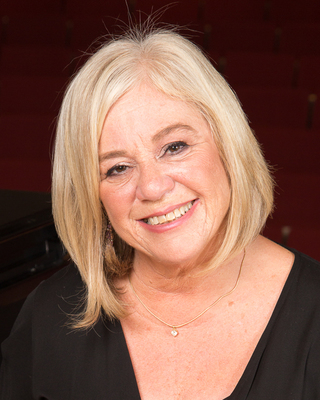
Hosted by Diane Johnston PMHNP, LLC
Psychiatric Nurse Practitioner, PMHNP
Group meets in Santa Fe, NM 87506
This group is designed for ages 16-19 - It is a group where free exchange is encouraged in a safe, nonjudgmental setting. Adolescents who are coping with stresses in their daily lives that lead to an overwhelming feeling are particularly well suited to this group. As the group facilitator, I offer my years of experience working well with the adolescent population. We learn skills for dealing with overwhelming anxiety and stress and well as address issues of substance abuse.
8 week program based on research from Harvard Behavioral Medicine/ stress reduction for adults - learn behavioral techniques to significantly reduce stress and promote wellness - Learn ways to increase the joy in your life through the practice of mindfulness

Hosted by Diane Johnston PMHNP, LLC
Psychiatric Nurse Practitioner, PMHNP
Group meets in Santa Fe, NM 87506
8 week program based on research from Harvard Behavioral Medicine/ stress reduction for adults - learn behavioral techniques to significantly reduce stress and promote wellness - Learn ways to increase the joy in your life through the practice of mindfulness
More Groups Nearby
We will be using art to express ourselves and work through issues that hold us back. The group is limited to 6 participants. Directive art projects including collage, painting, and clay sculpture.

We will be using art to express ourselves and work through issues that hold us back. The group is limited to 6 participants. Directive art projects including collage, painting, and clay sculpture.
Growing up in homes where addiction is present we may develop patterns of relating that wreak havoc in our adult relationships. In this experiential workshop we explore the impact of addiction on our relational life. We examine the underpinnings of strategies we took on to get through, and explore taking on new roles in response to ourselves, each other, and our world.

Growing up in homes where addiction is present we may develop patterns of relating that wreak havoc in our adult relationships. In this experiential workshop we explore the impact of addiction on our relational life. We examine the underpinnings of strategies we took on to get through, and explore taking on new roles in response to ourselves, each other, and our world.
This group meets twice a week to build community, focus on expressing self and being heard, seen and valued. The Spring, Summer and Autumn sessions occur on Monday and Wednesdays from 4:00-5:30pm. Please call for details on the dates for each session. There is a Winter session that is focused on one-on-one mentorship meetings every other week, determined by individual schedules. Each 5-week session has a particular focus: Understanding Self, Nature Connection, Community Building through Play, and Leadership Development. $1000 for the series or $120 per session. In service to 15-23 year olds.

This group meets twice a week to build community, focus on expressing self and being heard, seen and valued. The Spring, Summer and Autumn sessions occur on Monday and Wednesdays from 4:00-5:30pm. Please call for details on the dates for each session. There is a Winter session that is focused on one-on-one mentorship meetings every other week, determined by individual schedules. Each 5-week session has a particular focus: Understanding Self, Nature Connection, Community Building through Play, and Leadership Development. $1000 for the series or $120 per session. In service to 15-23 year olds.
Offering a variety of art mediums, including painting and ceramic sculpture. Participants work at their own pace in a supportive group environment. Lunch is provided.

Offering a variety of art mediums, including painting and ceramic sculpture. Participants work at their own pace in a supportive group environment. Lunch is provided.
I just semi-retired and started a limited private practice. I am open to joining or co-facilitating existing groups in NM as I have extensive group therapy experience. Starting a group in the future is a goal but need to build a client base first.

I just semi-retired and started a limited private practice. I am open to joining or co-facilitating existing groups in NM as I have extensive group therapy experience. Starting a group in the future is a goal but need to build a client base first.
Group Therapy offered 3 times per week for relapse prevention, recovery-related issues, dual diagnosis.

Group Therapy offered 3 times per week for relapse prevention, recovery-related issues, dual diagnosis.
Create a life of passion and purpose by experiencing deeper intimacy and connection with like minded women.

Create a life of passion and purpose by experiencing deeper intimacy and connection with like minded women.
This is a mixed-gender process group. Members are encouraged to explore connections with each other. Relational dynamics are displayed, observed and discussed in real time; creating a safe environment to take interpersonal risks. This group will be co-lead with Cindy Weather, MFT, CGP.

This is a mixed-gender process group. Members are encouraged to explore connections with each other. Relational dynamics are displayed, observed and discussed in real time; creating a safe environment to take interpersonal risks. This group will be co-lead with Cindy Weather, MFT, CGP.
This group is ideal for adult women seeking support during difficult life transitions. We share, offer compassionate listening, and facilitate simple earth-based shamanic ceremonies to ground and center. The simple earth-based practices can also be utilized at home to reduce stress and increase mental and emotional clarity.

This group is ideal for adult women seeking support during difficult life transitions. We share, offer compassionate listening, and facilitate simple earth-based shamanic ceremonies to ground and center. The simple earth-based practices can also be utilized at home to reduce stress and increase mental and emotional clarity.
No one knows the distress of divorce and or custody dispute unless one has gone through this trauma-drama oneself. This group provides support for men and women experiencing divorce and/or custody distress. Participants receive empathy and encouragement from each other. The facilitator uses the 3 Phases of Healing from Divorce to guide the participants to their new normal way of life. We will meet on ZOOM.

No one knows the distress of divorce and or custody dispute unless one has gone through this trauma-drama oneself. This group provides support for men and women experiencing divorce and/or custody distress. Participants receive empathy and encouragement from each other. The facilitator uses the 3 Phases of Healing from Divorce to guide the participants to their new normal way of life. We will meet on ZOOM.
This group will explore why, as trauma survivors, we tend to choose the partners that we do and repeat cycles that mirror patterns in our family systems. The group will also act as a support network for those who have had difficult experiences dating or in relationships, with a warm welcome to LGBTQI+ individuals and those in non-traditional relationship structures. Theoretical orientations include Psychodynamic & Attachment theories, Inner Child work, and Internal Family Systems. The group will meet online weekly for 6 months. Each session will last 90 minutes and the cost is $70 per session, with insurance billing available.

Hosted by Rosalie Lipfert
Clinical Social Work/Therapist, MSW, LCSW
Group meets in Santa Fe, NM 87508
This group will explore why, as trauma survivors, we tend to choose the partners that we do and repeat cycles that mirror patterns in our family systems. The group will also act as a support network for those who have had difficult experiences dating or in relationships, with a warm welcome to LGBTQI+ individuals and those in non-traditional relationship structures. Theoretical orientations include Psychodynamic & Attachment theories, Inner Child work, and Internal Family Systems. The group will meet online weekly for 6 months. Each session will last 90 minutes and the cost is $70 per session, with insurance billing available.
Many of us are going through major transitions now, due to the opportunity to work from home, change of location, or the necessity to change Careers. With these changes, overwhelm can set in, making it difficult, if not impossible to traverse this new territory. Anxiety and catastrophic thinking can leave us dis-orientated and feeling paralyzed. I offer therapy and life skills targeted to your specific situation, helping to create a smoother transition while maintaining a sense of self-mastery, promoting the ability to prioritize self-care.

Many of us are going through major transitions now, due to the opportunity to work from home, change of location, or the necessity to change Careers. With these changes, overwhelm can set in, making it difficult, if not impossible to traverse this new territory. Anxiety and catastrophic thinking can leave us dis-orientated and feeling paralyzed. I offer therapy and life skills targeted to your specific situation, helping to create a smoother transition while maintaining a sense of self-mastery, promoting the ability to prioritize self-care.
Dialectical Behavior Therapy Skills Group - This group is open to adults age 18 and older who wish to learn skills to manage difficult internal emotions, live more fully in the present moment, communicate effectively and successfully negotiate interpersonal relationships. Dialectical Behavioral Therapy (DBT) was developed by Marsha Linehan. It is an effective, empirically supported, cognitive therapy based intervention system for teaching skills that will help in coping with sudden, intense surges of emotion. Skills Covered: Mindfulness, Distress Tolerance, Emotional Regulation and Interpersonal Effectiveness. This group is virtual.

Hosted by Serna Solutions LLC
Clinical Social Work/Therapist, MA, LPCC, LADAC
Group meets in Santa Fe, NM 87507
Dialectical Behavior Therapy Skills Group - This group is open to adults age 18 and older who wish to learn skills to manage difficult internal emotions, live more fully in the present moment, communicate effectively and successfully negotiate interpersonal relationships. Dialectical Behavioral Therapy (DBT) was developed by Marsha Linehan. It is an effective, empirically supported, cognitive therapy based intervention system for teaching skills that will help in coping with sudden, intense surges of emotion. Skills Covered: Mindfulness, Distress Tolerance, Emotional Regulation and Interpersonal Effectiveness. This group is virtual.
Are you a man seeking deeper connections and personal growth? This online group is for men ready to move beyond old wounds, challenge societal norms, and build more authentic relationships. In a space where vulnerability is strength, you'll explore emotions, relationships, and self-expression alongside like-minded men. With neuroscience-backed techniques and a touch of humor, Joe guides the group in breaking barriers to a more fulfilling life. This is both a support and process group—where men show up, grow, and connect. Ready to step into a more present, connected, and alive version of yourself? Join us.

Hosted by Joe Molinari
Clinical Social Work/Therapist, LICSW, LCSW, CST
Group meets in Santa Fe, NM 87507
Are you a man seeking deeper connections and personal growth? This online group is for men ready to move beyond old wounds, challenge societal norms, and build more authentic relationships. In a space where vulnerability is strength, you'll explore emotions, relationships, and self-expression alongside like-minded men. With neuroscience-backed techniques and a touch of humor, Joe guides the group in breaking barriers to a more fulfilling life. This is both a support and process group—where men show up, grow, and connect. Ready to step into a more present, connected, and alive version of yourself? Join us.
The purpose of becoming mindful is simply to remain present in your life, and through the use of the core-mindfulness skills, learn to non-judgementaly accept all of your emotions, while choosing which one's to act on that would best enhance your individual goals towards happiness and self-mastery. Feel free to call for an in-depth explanation of this life-changing Program. This group is effective for those struggling with emotional regulation ,anxiety, personal or professional relationships, depression, and OCD. Adults only.

The purpose of becoming mindful is simply to remain present in your life, and through the use of the core-mindfulness skills, learn to non-judgementaly accept all of your emotions, while choosing which one's to act on that would best enhance your individual goals towards happiness and self-mastery. Feel free to call for an in-depth explanation of this life-changing Program. This group is effective for those struggling with emotional regulation ,anxiety, personal or professional relationships, depression, and OCD. Adults only.
Join our Coping with Chronic Pain therapy group to gain support, learn practical coping strategies, and connect with others who understand your experience. Guided by a licensed therapist, this group offers a safe and compassionate space to share, reflect, and build resilience. The is limited to 10 participants to ensure a personalized experience. An intake session with the therapist is required before joining to ensure the best fit and support for your needs. Sessions may be billed to insurance or cost $75 per session for self-pay clients. Group Leader: Layla Earnest

Hosted by Ellie Mental Health
Clinical Social Work/Therapist, LCSW, LPCC, LMHC, LMSW, LMFT
Group meets in Santa Fe, NM 87505
Join our Coping with Chronic Pain therapy group to gain support, learn practical coping strategies, and connect with others who understand your experience. Guided by a licensed therapist, this group offers a safe and compassionate space to share, reflect, and build resilience. The is limited to 10 participants to ensure a personalized experience. An intake session with the therapist is required before joining to ensure the best fit and support for your needs. Sessions may be billed to insurance or cost $75 per session for self-pay clients. Group Leader: Layla Earnest
A comprehensive treatment model for those coming out of inpatient treatment or those just wanting more in-depth support. Our program treats both chemical dependency and process addictions, and the co-occurring mental health disorders that often accompany both. The program is usually twelve weeks long, with nine hours of group each week, plus individual sessions. Call for pricing & details! 505.983.8225/Most insurance including Medicaid is accepted. We also offer a sliding scale upon request.

A comprehensive treatment model for those coming out of inpatient treatment or those just wanting more in-depth support. Our program treats both chemical dependency and process addictions, and the co-occurring mental health disorders that often accompany both. The program is usually twelve weeks long, with nine hours of group each week, plus individual sessions. Call for pricing & details! 505.983.8225/Most insurance including Medicaid is accepted. We also offer a sliding scale upon request.
These groups are intended for social workers, therapists and other healing providers. Please contact me if you are interested in finding out more information. This is not a therapy group, but rather a support in self-care to reduce compassion fatigue and burnout.

Hosted by Carrie Eberhardy
Clinical Social Work/Therapist, LCSW, RSP
Group meets in Santa Fe, NM 87505
These groups are intended for social workers, therapists and other healing providers. Please contact me if you are interested in finding out more information. This is not a therapy group, but rather a support in self-care to reduce compassion fatigue and burnout.
See more therapy options for 87506
FAQs - About Group Therapy and Support Groups
How can I find a support group in 87506?
To find a support group in your area, start by entering your city, zip code, or the name of the group into the search bar at the top of the page. When searching, consider whether you prefer an in-person or virtual group. This can help you decide how broad your geographic search should be. If you are open to virtual groups, you might want to search by state instead of just your city, especially if there are limited options nearby.
Once you complete your search, you can use the filters to narrow the results by selecting specialties (such as grief, trauma, or eating disorders), therapeutic approaches, age groups, and other criteria to find a group that best fits your needs.
How does group therapy work?
Group therapy is led by one or more trained therapists and provides a space where participants can process their experiences and learn from others facing similar challenges. Groups may focus on a specific issue—such as addiction, grief, physical illnesses, parenting, or caregiving—or they may center around a particular therapeutic approach, such as Cognitive Behavioral Therapy (CBT), social skill development, or Exposure Therapy. Some groups are also designed for specific populations, such as teens, veterans, or LGBTQ+ individuals.
It’s also important to distinguish group therapy from peer-led support groups, like Alcoholics Anonymous. While both can offer valuable support, therapy groups are typically led by licensed professionals and follow a more structured format. Therapy groups often meet for a fixed length of time with a consistent group of members, while many peer support groups meet for an indefinite period of time with members coming and going.
What are the benefits of group therapy?
Group therapy offers several important benefits. It brings together people facing similar challenges—whether related to mental health, physical health, or life transitions—and creates a supportive environment where participants can exchange feedback, share experiences, and learn from one another. Hearing different perspectives can help individuals discover new coping strategies and practical tools they may not have encountered on their own. Sharing personal experiences, such as coping with a serious illness or navigating family struggles, can also reduce feelings of isolation and foster a sense of connection and understanding. In addition to emotional support, group members often gain useful, real-world advice from peers who have faced similar situations.
Group therapy is typically more affordable than individual therapy and, for certain conditions, can be equally effective. Many groups also include structured activities—such as guided journaling, cognitive-behavioral exercises, or role-playing—to help participants develop concrete skills they can apply in daily life.
Is group therapy as effective as individual therapy?
It is difficult to make a blanket statement about the effectiveness of support groups, as they vary widely in focus and the conditions they address. However, support groups can be highly valuable in helping individuals gain emotional support and achieve meaningful treatment outcomes. For certain conditions, such as substance use, research has shown that group therapy can be particularly effective—sometimes just as effective as individual therapy—in supporting long-term recovery.
Many professionals attribute the effectiveness of group therapy to the unique benefits of the group setting, which fosters peer-to-peer learning and a sense of connection through shared experiences. Group settings also offer accountability and encouragement from both facilitators and fellow participants, which helps sustain motivation and supports continued progress. These factors together play a key role in promoting the overall effectiveness of group therapy.
How much does group therapy cost?
Group therapy is typically less expensive than individual therapy, with sessions typically costing between $50 and $75 each. In comparison, individual therapy can cost anywhere from $100 to $200 or more per session, even with insurance. Some therapists or organizations offer low-cost or free group therapy options, particularly through community centers or nonprofit organizations. In some cases, groups may require payment upfront for a set number of sessions, such as paying for six weekly sessions at the first meeting. However, many providers offer payment plans to help make participation more accessible if this upfront payment is required.
Does insurance cover group therapy?
As with individual therapy, insurance coverage for group therapy varies based on factors such as your specific insurance plan, the purpose of the group, your diagnosis, and whether the group provider is in-network. Many insurance plans cover group therapy sessions that address diagnosable mental health conditions, such as substance use disorders, anxiety, or depression.
However, groups that focus on topics not directly tied to a mental health diagnosis—such as parenting support or divorce recovery—are less likely to be covered. Because coverage can vary widely, it’s important to check with your insurance provider before joining a group to confirm whether the sessions will be covered and what out-of-pocket costs you may be responsible for.
How long does group therapy last?
The length of each group therapy session typically ranges from 45 minutes to two hours, depending on the therapy approach, the group’s goals, and how often the group meets. In some cases, group therapy is part of a larger treatment program, such as an Intensive Outpatient Program (IOP), where group sessions complement individual therapy and are scheduled as part of the program’s overall structure.
The duration of participation in a group also varies. Some groups are designed to be short-term, lasting anywhere from 6 to 24 weeks—for example, bereavement groups or skills-based groups like those using Dialectical Behavioral Therapy (DBT). Other groups may be longer-term, lasting a year or more, and some ongoing support groups meet indefinitely, allowing participants to stay as long as they find the group helpful.
What are the limitations of support groups?
Support groups offer many benefits, but they also have certain limitations. Unlike therapy groups, many support groups do not provide formal therapeutic treatment and are not led by licensed mental health professionals. For individuals seeking clinical treatment for specific mental health diagnoses—such as depression, eating disorders, or substance use—individual therapy or group therapy led by a licensed professional may offer more personalized and specialized care.
The effectiveness of a support group also depends heavily on the group’s participants and the overall group dynamic. When members engage respectfully and offer constructive support, the group can foster valuable peer-to-peer learning. However, if certain participants dominate discussions, provide inaccurate advice, or create conflict, it can disrupt the group’s sense of safety and reduce its effectiveness. Confidentiality can also be harder to maintain in support groups, particularly in open groups where participants can join or leave at any time. With new members regularly entering the group, it can be more difficult to build and sustain a consistent sense of trust and privacy.

