Support Groups in New Mexico
Have you lost a parent and find yourself navigating complex emotions, changes in identity, or lingering feelings that others may not fully understand? Join a supportive therapy group for adult children who are grieving the death of a parent. Together, we’ll explore the many layers of grief—including unresolved emotions, secondary losses, and shifting roles and identity—through guided discussion and creative expression. 6-week group. In-person. Limited spots available. Please contact our office for more information: (505) 266-0441

Hosted by Walsh Counseling Services
Clinical Social Work/Therapist
Group meets in Albuquerque, NM 87110
Have you lost a parent and find yourself navigating complex emotions, changes in identity, or lingering feelings that others may not fully understand? Join a supportive therapy group for adult children who are grieving the death of a parent. Together, we’ll explore the many layers of grief—including unresolved emotions, secondary losses, and shifting roles and identity—through guided discussion and creative expression. 6-week group. In-person. Limited spots available. Please contact our office for more information: (505) 266-0441
We have 2 clinicians working with ages 10 and up with open availability
We have 2 clinicians working with ages 10 and up with open availability
This group is a recurring series of 8 two hour classes to empower parents and their children to build relationships that support raising responsible, respectful adults. Are you stressed and frustrated by your kiddos? Are you just started out and worried about what you don't know? Do you have a teen who you are afraid will be out of control? This is the group for you! A non-judgemental skills based group that empowers parents to set the limits their children need.

Hosted by Elissa Chazdon
Clinical Social Work/Therapist, CSW, LCSW
Group meets in Albuquerque, NM 87107
This group is a recurring series of 8 two hour classes to empower parents and their children to build relationships that support raising responsible, respectful adults. Are you stressed and frustrated by your kiddos? Are you just started out and worried about what you don't know? Do you have a teen who you are afraid will be out of control? This is the group for you! A non-judgemental skills based group that empowers parents to set the limits their children need.
This group aims to provide participants with cultural wellness resources, skills and modeling of strength-based Indigenous ways of knowing. Application of Indigenous cultural modalities.

This group aims to provide participants with cultural wellness resources, skills and modeling of strength-based Indigenous ways of knowing. Application of Indigenous cultural modalities.
Our groups are focused on community building and facilitating connection and caring for one another. One of the main roots of depression and anxiety is the loss of community and purpose. Each week we will focus on a specific topic of concern. Grief, loss, chronic pain, health concerns, how to talk with your Doctor, getting past your past, constructing a life review, brain health, nutrition and self-care. In Winter we will sit by the fire and in Summer on the patio in the shade.
Our groups are focused on community building and facilitating connection and caring for one another. One of the main roots of depression and anxiety is the loss of community and purpose. Each week we will focus on a specific topic of concern. Grief, loss, chronic pain, health concerns, how to talk with your Doctor, getting past your past, constructing a life review, brain health, nutrition and self-care. In Winter we will sit by the fire and in Summer on the patio in the shade.
none

none
Prescribing Psychologists spend time talking with and listening to our clients. We want you on the least amount of medications at the lowest dosages that will enable you or your child to function in a healthy manner. We work as a team with the family members, Treatment Foster Parents and team, Social Workers and guardians to ensure we obtain a complete history and picture of the child's and family's needs. Together, we determine a treatment plan and which, if any, medications are needed to help your child be successful.
Prescribing Psychologists spend time talking with and listening to our clients. We want you on the least amount of medications at the lowest dosages that will enable you or your child to function in a healthy manner. We work as a team with the family members, Treatment Foster Parents and team, Social Workers and guardians to ensure we obtain a complete history and picture of the child's and family's needs. Together, we determine a treatment plan and which, if any, medications are needed to help your child be successful.
This 10-week group offers a gentle introduction to body-based skills for working with stress, anxiety, and overwhelm. Using principles from Somatic Experiencing, participants learn to notice nervous system responses, build body awareness, and develop tools that support greater ease and resilience in daily life. Personal trauma stories will not be shared. Co-regulation and self-regulation at the same time over a cuppa. 90 minute sessions. Pres and BCBS Medicaid accepted.

This 10-week group offers a gentle introduction to body-based skills for working with stress, anxiety, and overwhelm. Using principles from Somatic Experiencing, participants learn to notice nervous system responses, build body awareness, and develop tools that support greater ease and resilience in daily life. Personal trauma stories will not be shared. Co-regulation and self-regulation at the same time over a cuppa. 90 minute sessions. Pres and BCBS Medicaid accepted.
Our 15-week, trauma-informed program is designed to support safety, resilience, emotional regulation, and recovery. We provide clinically grounded care in a setting that is structured, relational, and compassionate. As a participant, you gain insight into how trauma, stress, and substance use shape thoughts, emotions, behaviors, and relationships. And you learn practical tools to shift these patterns with greater awareness and choice. Clients are supported by a multidisciplinary team that includes licensed counselors and therapists alongside experienced integrative practitioners, ensuring coordinated and individualized care. **Most Insurances Accepted**

Hosted by Black Canvas Wholistic Therapy
Art Therapist, LPAT, LPCC, ATR-BC, NCC
Group meets in Santa Fe, NM 87505
Our 15-week, trauma-informed program is designed to support safety, resilience, emotional regulation, and recovery. We provide clinically grounded care in a setting that is structured, relational, and compassionate. As a participant, you gain insight into how trauma, stress, and substance use shape thoughts, emotions, behaviors, and relationships. And you learn practical tools to shift these patterns with greater awareness and choice. Clients are supported by a multidisciplinary team that includes licensed counselors and therapists alongside experienced integrative practitioners, ensuring coordinated and individualized care. **Most Insurances Accepted**
Gene Hinojos, LCSW runs this group to support people who are in recovery from addictions. Gene has worked in the field of addictions for over 10 years.
Hosted by The Enhancement Center, PC
Clinical Social Work/Therapist
Group meets in Albuquerque, NM 87120
Gene Hinojos, LCSW runs this group to support people who are in recovery from addictions. Gene has worked in the field of addictions for over 10 years.
You Matter Counseling Services, LLC is a mental health agency providing individual therapy for teenagers (ages 14 and up), and young adults. Our therapist specializes in working with clients struggling with suicidal-ideation, self-harm, self-acceptance, life transitions, trauma, depression, anxiety, family conflict, managing work, school, etc. ?

You Matter Counseling Services, LLC is a mental health agency providing individual therapy for teenagers (ages 14 and up), and young adults. Our therapist specializes in working with clients struggling with suicidal-ideation, self-harm, self-acceptance, life transitions, trauma, depression, anxiety, family conflict, managing work, school, etc. ?
A supportive in-person group for women grieving the death of someone significant, such as a parent, child, spouse, sibling, or another close relationship. We will explore the many layers of grief, including changes in identity, secondary losses, unresolved emotions, and life adjustments after loss. This group is open to women, including trans women and nonbinary individuals who feel supported in a women-centered space. This is a time-limited group with limited spots available. Please contact our office to register. (505) 266-0441

A supportive in-person group for women grieving the death of someone significant, such as a parent, child, spouse, sibling, or another close relationship. We will explore the many layers of grief, including changes in identity, secondary losses, unresolved emotions, and life adjustments after loss. This group is open to women, including trans women and nonbinary individuals who feel supported in a women-centered space. This is a time-limited group with limited spots available. Please contact our office to register. (505) 266-0441
I have led and co-led clinical case consultation, supervision groups and ethics trainings, dream workshops and supportive group psychotherapy.
Hosted by Carla Kleefeld
Clinical Mental Health Counselor, PhD, LPCC
Group meets in Santa Fe, NM 87505
I have led and co-led clinical case consultation, supervision groups and ethics trainings, dream workshops and supportive group psychotherapy.
This online support group explores the emotional toll of living under patriarchy and climate collapse. Patriarchy is more than power; it is a system that devalues intuition, rest, community, and connection with nature. It affects everyone and under its weight, life becomes commodified, work exhausting, and people disconnected. This group offers a space to share grief, fear, and confusion without pressure to fix. We will build community through deep listening and curiosity. Open to all seeking connection and healing. Starts: First week of November | 90-minute sessions | Max: 10 members No answers needed, just your real self.
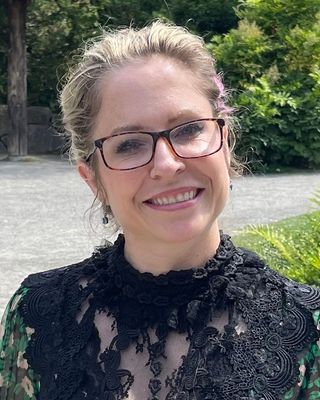
Hosted by Heather Dawn Hines
Clinical Social Work/Therapist, PhD, LCSW
Group meets in Santa Fe, NM 87505
This online support group explores the emotional toll of living under patriarchy and climate collapse. Patriarchy is more than power; it is a system that devalues intuition, rest, community, and connection with nature. It affects everyone and under its weight, life becomes commodified, work exhausting, and people disconnected. This group offers a space to share grief, fear, and confusion without pressure to fix. We will build community through deep listening and curiosity. Open to all seeking connection and healing. Starts: First week of November | 90-minute sessions | Max: 10 members No answers needed, just your real self.
You don't want therapy rn, but you're ready to explore who you are and what you want, in a safe, confidential community. No writing experience necessary. All you need is your curiosity, your willingness to gently and safely explore what scares you, and a secure internet connection. Cost: pay from the heart. New waiting list for this private online 6-week process writing group. Creative explorations of fear-based boundaries and how-to strategies for getting unstuck, making a plan, and taking action.
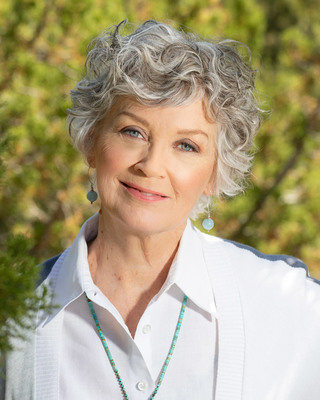
You don't want therapy rn, but you're ready to explore who you are and what you want, in a safe, confidential community. No writing experience necessary. All you need is your curiosity, your willingness to gently and safely explore what scares you, and a secure internet connection. Cost: pay from the heart. New waiting list for this private online 6-week process writing group. Creative explorations of fear-based boundaries and how-to strategies for getting unstuck, making a plan, and taking action.
This Gottman group is for parents in relationships. From pregnancy through having a little one at home up to 3 years old. Learn relationship and parenting skills from a compassionate, enthusiastic therapist who has been there! Usually online to help new parents attend more easily.

Hosted by Laura Ross Wood
Clinical Social Work/Therapist, LCSW, PMH-C, CHT, CFSW
Group meets in Los Ranchos De Albuquerque, NM 87107
This Gottman group is for parents in relationships. From pregnancy through having a little one at home up to 3 years old. Learn relationship and parenting skills from a compassionate, enthusiastic therapist who has been there! Usually online to help new parents attend more easily.
This group is for unmothered or motherless women. Women who lost their mothers to death, mental or physical illness, abandonment, neglect, addiction often feel loss and deprivation. Learn shared characteristics & remove patterns that effect current relationships. Share storeis, develop a sense of completion with your past. Learn our shared strenths and become empowered in this 12 week group. Imagery, writing, art, music and group process techniques help guide us.

This group is for unmothered or motherless women. Women who lost their mothers to death, mental or physical illness, abandonment, neglect, addiction often feel loss and deprivation. Learn shared characteristics & remove patterns that effect current relationships. Share storeis, develop a sense of completion with your past. Learn our shared strenths and become empowered in this 12 week group. Imagery, writing, art, music and group process techniques help guide us.
Integrity Recovery Group is a cognitive behavioral group therapy method used to enhance self awareness, balance and connection working from The Evolution Group’s Integrity Workbook with a focus on recovery. The goal of the group is to facilitate self-discovery, honesty, and integrity in the recovery process. Clients complete and present exercises from the book in the group setting. The goal is to restore balance by working out of the IT Recovery Workbook and giving presentations in a supportive environment.

Hosted by The Evolution Group, Inc - Family
Counselor, LPCC, LCSW, LMFT
Group meets in Albuquerque, NM 87102
Integrity Recovery Group is a cognitive behavioral group therapy method used to enhance self awareness, balance and connection working from The Evolution Group’s Integrity Workbook with a focus on recovery. The goal of the group is to facilitate self-discovery, honesty, and integrity in the recovery process. Clients complete and present exercises from the book in the group setting. The goal is to restore balance by working out of the IT Recovery Workbook and giving presentations in a supportive environment.
At Restoration Counseling Services, we are passionate about utilizing the faith informed beliefs of our clients in combination with clinically and ethically sound therapeutic practices.
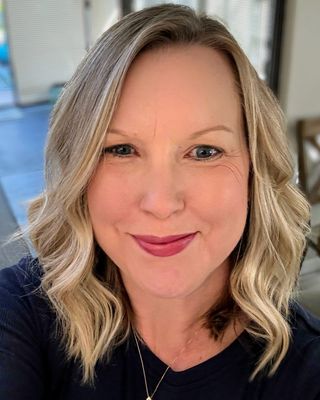
Hosted by Jennifer Blount
Licensed Professional Counselor, MA, LPCC, NCC
Group meets in Albuquerque, NM 87109
At Restoration Counseling Services, we are passionate about utilizing the faith informed beliefs of our clients in combination with clinically and ethically sound therapeutic practices.
I run a group from my office on the westside to support adults in recovery.

Hosted by Eugene Hinojos
Clinical Social Work/Therapist, LCSW, LADAC
Group meets in Albuquerque, NM 87120
I run a group from my office on the westside to support adults in recovery.
See more therapy options for New Mexico


FAQs - About Group Therapy and Support Groups
How can I find a support group in New Mexico?
To find a support group in your area, start by entering your city, zip code, or the name of the group into the search bar at the top of the page. When searching, consider whether you prefer an in-person or virtual group. This can help you decide how broad your geographic search should be. If you are open to virtual groups, you might want to search by state instead of just your city, especially if there are limited options nearby.
Once you complete your search, you can use the filters to narrow the results by selecting specialties (such as grief, trauma, or eating disorders), therapeutic approaches, age groups, and other criteria to find a group that best fits your needs.
How does group therapy work?
Group therapy is led by one or more trained therapists and provides a space where participants can process their experiences and learn from others facing similar challenges. Groups may focus on a specific issue—such as addiction, grief, physical illnesses, parenting, or caregiving—or they may center around a particular therapeutic approach, such as Cognitive Behavioral Therapy (CBT), social skill development, or Exposure Therapy. Some groups are also designed for specific populations, such as teens, veterans, or LGBTQ+ individuals.
It’s also important to distinguish group therapy from peer-led support groups, like Alcoholics Anonymous. While both can offer valuable support, therapy groups are typically led by licensed professionals and follow a more structured format. Therapy groups often meet for a fixed length of time with a consistent group of members, while many peer support groups meet for an indefinite period of time with members coming and going.
What are the benefits of group therapy?
Group therapy offers several important benefits. It brings together people facing similar challenges—whether related to mental health, physical health, or life transitions—and creates a supportive environment where participants can exchange feedback, share experiences, and learn from one another. Hearing different perspectives can help individuals discover new coping strategies and practical tools they may not have encountered on their own. Sharing personal experiences, such as coping with a serious illness or navigating family struggles, can also reduce feelings of isolation and foster a sense of connection and understanding. In addition to emotional support, group members often gain useful, real-world advice from peers who have faced similar situations.
Group therapy is typically more affordable than individual therapy and, for certain conditions, can be equally effective. Many groups also include structured activities—such as guided journaling, cognitive-behavioral exercises, or role-playing—to help participants develop concrete skills they can apply in daily life.
Is group therapy as effective as individual therapy?
It is difficult to make a blanket statement about the effectiveness of support groups, as they vary widely in focus and the conditions they address. However, support groups can be highly valuable in helping individuals gain emotional support and achieve meaningful treatment outcomes. For certain conditions, such as substance use, research has shown that group therapy can be particularly effective—sometimes just as effective as individual therapy—in supporting long-term recovery.
Many professionals attribute the effectiveness of group therapy to the unique benefits of the group setting, which fosters peer-to-peer learning and a sense of connection through shared experiences. Group settings also offer accountability and encouragement from both facilitators and fellow participants, which helps sustain motivation and supports continued progress. These factors together play a key role in promoting the overall effectiveness of group therapy.
How much does group therapy cost?
Group therapy is typically less expensive than individual therapy, with sessions typically costing between $50 and $75 each. In comparison, individual therapy can cost anywhere from $100 to $200 or more per session, even with insurance. Some therapists or organizations offer low-cost or free group therapy options, particularly through community centers or nonprofit organizations. In some cases, groups may require payment upfront for a set number of sessions, such as paying for six weekly sessions at the first meeting. However, many providers offer payment plans to help make participation more accessible if this upfront payment is required.
Does insurance cover group therapy?
As with individual therapy, insurance coverage for group therapy varies based on factors such as your specific insurance plan, the purpose of the group, your diagnosis, and whether the group provider is in-network. Many insurance plans cover group therapy sessions that address diagnosable mental health conditions, such as substance use disorders, anxiety, or depression.
However, groups that focus on topics not directly tied to a mental health diagnosis—such as parenting support or divorce recovery—are less likely to be covered. Because coverage can vary widely, it’s important to check with your insurance provider before joining a group to confirm whether the sessions will be covered and what out-of-pocket costs you may be responsible for.
How long does group therapy last?
The length of each group therapy session typically ranges from 45 minutes to two hours, depending on the therapy approach, the group’s goals, and how often the group meets. In some cases, group therapy is part of a larger treatment program, such as an Intensive Outpatient Program (IOP), where group sessions complement individual therapy and are scheduled as part of the program’s overall structure.
The duration of participation in a group also varies. Some groups are designed to be short-term, lasting anywhere from 6 to 24 weeks—for example, bereavement groups or skills-based groups like those using Dialectical Behavioral Therapy (DBT). Other groups may be longer-term, lasting a year or more, and some ongoing support groups meet indefinitely, allowing participants to stay as long as they find the group helpful.
What are the limitations of support groups?
Support groups offer many benefits, but they also have certain limitations. Unlike therapy groups, many support groups do not provide formal therapeutic treatment and are not led by licensed mental health professionals. For individuals seeking clinical treatment for specific mental health diagnoses—such as depression, eating disorders, or substance use—individual therapy or group therapy led by a licensed professional may offer more personalized and specialized care.
The effectiveness of a support group also depends heavily on the group’s participants and the overall group dynamic. When members engage respectfully and offer constructive support, the group can foster valuable peer-to-peer learning. However, if certain participants dominate discussions, provide inaccurate advice, or create conflict, it can disrupt the group’s sense of safety and reduce its effectiveness. Confidentiality can also be harder to maintain in support groups, particularly in open groups where participants can join or leave at any time. With new members regularly entering the group, it can be more difficult to build and sustain a consistent sense of trust and privacy.