Support Groups in 60532
Building strength, courage, and new meaning while navigating the layers of loss. OUR GOAL: To provide a practical psychoeducation experience empowering widows & widowers at any age & stage of grief to identify their needs honestly, increase their competence in building a plan to meet those needs, and increase resilience.

Building strength, courage, and new meaning while navigating the layers of loss. OUR GOAL: To provide a practical psychoeducation experience empowering widows & widowers at any age & stage of grief to identify their needs honestly, increase their competence in building a plan to meet those needs, and increase resilience.
Sunday evening Female adolescent and adult recovery group 6:30-7:45. In person with option to attend virtually. This group consists of process time and also working through the workbook “8 keys to Recovery from an Eating Disorder” Max 8 patients

Sunday evening Female adolescent and adult recovery group 6:30-7:45. In person with option to attend virtually. This group consists of process time and also working through the workbook “8 keys to Recovery from an Eating Disorder” Max 8 patients
GROUP PAUSED - Contact us for information & to add your name to a list. As interest grows, a new group may form. I Grew Strong is an online coaching & educational program for survivors of a toxic, manipulative relationship. I Grew Strong focuses on changing negative self talk, learning to trust others again, knowing the red flags, having the power to say NO & RUN when you need to run, setting boundaries, NOT doubting yourself all the time, NOT questioning other people's motives, breaking down the walls, & opening yourself up to finding real love & joy!

GROUP PAUSED - Contact us for information & to add your name to a list. As interest grows, a new group may form. I Grew Strong is an online coaching & educational program for survivors of a toxic, manipulative relationship. I Grew Strong focuses on changing negative self talk, learning to trust others again, knowing the red flags, having the power to say NO & RUN when you need to run, setting boundaries, NOT doubting yourself all the time, NOT questioning other people's motives, breaking down the walls, & opening yourself up to finding real love & joy!
The pressures of parenthood in today’s world can be overwhelming, but you are not alone. This monthly ongoing free support group is open to parents of all ages. This group will provide guidance and education in setting boundaries that will support your self-care and assist in meeting the multiple needs of your family. It will also connect you with other parents that can provide support and share parenting resources while providing tools for understanding and navigating anxiety, building family resilience and effective communication.

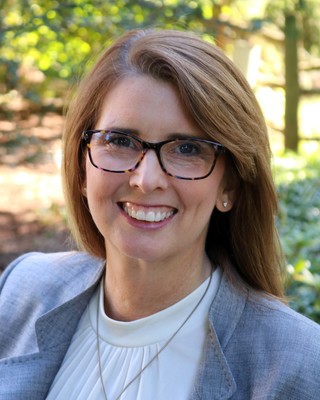
Hosted by Sheila Adamo
Clinical Social Work/Therapist, MSW, LCSW, CADC
Group meets in Lisle, IL 60532
The pressures of parenthood in today’s world can be overwhelming, but you are not alone. This monthly ongoing free support group is open to parents of all ages. This group will provide guidance and education in setting boundaries that will support your self-care and assist in meeting the multiple needs of your family. It will also connect you with other parents that can provide support and share parenting resources while providing tools for understanding and navigating anxiety, building family resilience and effective communication.
In Creative Discoveries we seek social opportunities for young teens to discover the community around them by exploring new locations and activities that promote ways to regulate feelings and physical responses to emotions. This group using learning and experiences to enhance social learning, connection, and social comfort.

In Creative Discoveries we seek social opportunities for young teens to discover the community around them by exploring new locations and activities that promote ways to regulate feelings and physical responses to emotions. This group using learning and experiences to enhance social learning, connection, and social comfort.
At Finding Balance we are committed to working with indviduals and families. We are passionate about the therapeutic relationship and the positive outcomes that are produced. Our professional staff uses a wide variety of therapeutic techniques, along with humor, to help you navigate through challenging times. Our individualized approach is designed to help you (and your family) decide what steps are best to achieve the desired goals. We provide a warm, inviting, atmosphere to help you move forward and reach optimal outcomes. The members of our team cover a wide variety of issues and bring several areas of expertise.

At Finding Balance we are committed to working with indviduals and families. We are passionate about the therapeutic relationship and the positive outcomes that are produced. Our professional staff uses a wide variety of therapeutic techniques, along with humor, to help you navigate through challenging times. Our individualized approach is designed to help you (and your family) decide what steps are best to achieve the desired goals. We provide a warm, inviting, atmosphere to help you move forward and reach optimal outcomes. The members of our team cover a wide variety of issues and bring several areas of expertise.
Clinical Therapist and Addictions Counselor skilled in Mental Health Counseling, Addictions Counseling, and Psychotherapy using a variety of approaches.
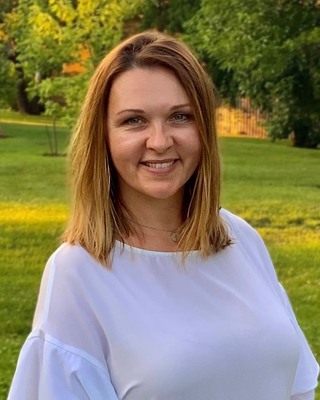
Hosted by Contemporary Wellness, LLC
Clinical Social Work/Therapist, LCSW, CADC
Group meets in Lisle, IL 60532
Clinical Therapist and Addictions Counselor skilled in Mental Health Counseling, Addictions Counseling, and Psychotherapy using a variety of approaches.
Mindfulness Group titled "Learning to Live in the Moment through Mindfulness" is now offered at Midwest Center for Hope and Healing. This 6 week group will focuses on: Introducing one to Mindfulness and its effects on the brain, acknowledging one's thoughts and emotions as fluid and moldable instead of rigid and controlling, identifying how to deal with judgments and other difficult times. Group will meet Thursday 12:30-1:30pm Sept. 6th thru Oct. 11th, 2018. For more information please call 630-560-1100

Mindfulness Group titled "Learning to Live in the Moment through Mindfulness" is now offered at Midwest Center for Hope and Healing. This 6 week group will focuses on: Introducing one to Mindfulness and its effects on the brain, acknowledging one's thoughts and emotions as fluid and moldable instead of rigid and controlling, identifying how to deal with judgments and other difficult times. Group will meet Thursday 12:30-1:30pm Sept. 6th thru Oct. 11th, 2018. For more information please call 630-560-1100
More Groups Nearby
Announcing Group Therapy for divorced women on Tuesdays from 12pm-1pm This group is aimed at offering individuals a nonjudgemental place to discuss topics relating their divorce and will focus on the transition to becoming single.

Hosted by Damen Nicole Wellen
Clinical Social Work/Therapist, LCSW
Group meets in Deerfield, IL 60015
Announcing Group Therapy for divorced women on Tuesdays from 12pm-1pm This group is aimed at offering individuals a nonjudgemental place to discuss topics relating their divorce and will focus on the transition to becoming single.
Our team is a collaborative mix of experts: psychiatrists, psychiatric nurse practitioners, psychotherapists, and a wellness coach. We offer extensive clinical experience for patients of all ages. By applying the bio-psycho-social approach, we deliver person-centered care and unique treatment recommendations to support the mental wellness of the whole person.

Our team is a collaborative mix of experts: psychiatrists, psychiatric nurse practitioners, psychotherapists, and a wellness coach. We offer extensive clinical experience for patients of all ages. By applying the bio-psycho-social approach, we deliver person-centered care and unique treatment recommendations to support the mental wellness of the whole person.
This is a closed group for adults who want to learn how to better manage their anger and improve their relationships. Through virtual group educational sessions, role-playing, and between session “homework," group members will build the skills to effectively recognize and cope with their angry feelings and anger triggers. Group members will also learn useful strategies for healthy, assertive communication.

This is a closed group for adults who want to learn how to better manage their anger and improve their relationships. Through virtual group educational sessions, role-playing, and between session “homework," group members will build the skills to effectively recognize and cope with their angry feelings and anger triggers. Group members will also learn useful strategies for healthy, assertive communication.
Focused on improving communication, setting boundaries, or navigating dating and relationships.

Hosted by Dr. Mason Weber
Clinical Social Work/Therapist, PhD, MSW, LSW
Group meets in Chicago, IL 60604
Focused on improving communication, setting boundaries, or navigating dating and relationships.
**accepting new members. Group will start 2/11/25 via an online platform. This group will provide therapeutic support for men and women in all stages of the recovery process after being betrayed by a partner. Over 10 sessions, we will focus on challenges related to betrayal trauma, and strengthening in all areas including emotional, mental, physical, and relational. We will work toward empowerment and working through the healing process.

Hosted by Amber Glavor
Marriage & Family Therapist, LMFT, CSAT, SEP-c
Group meets in Downers Grove, IL 60515
**accepting new members. Group will start 2/11/25 via an online platform. This group will provide therapeutic support for men and women in all stages of the recovery process after being betrayed by a partner. Over 10 sessions, we will focus on challenges related to betrayal trauma, and strengthening in all areas including emotional, mental, physical, and relational. We will work toward empowerment and working through the healing process.
LumiClinics is a behavioral wellness center in Glenview, Illinois, specializing in ADHD, anxiety, depression, OCD, and neurodivergent support for children, teens, and adults. Led by Christian Charvet, PMHNP, a dual board-certified psychiatric and internal medicine nurse practitioner, our team provides psychiatric evaluations, medication management, therapy, parent coaching, and school advocacy. We use evidencebased, trauma-informed approaches like CBT, DBT, and executive functioning coaching to create personalized care plans. Through in-person and telehealth services, we partner with patients, families, and schools to promote lasting progress, and improved well-being. At LumiClinics, compassionate, collaborative mental health care is our mission.

Hosted by Christian Charvet
Psychiatric Nurse Practitioner, PMHNP, ADHD-CS, Adults
Group meets in Glenview, IL 60026
LumiClinics is a behavioral wellness center in Glenview, Illinois, specializing in ADHD, anxiety, depression, OCD, and neurodivergent support for children, teens, and adults. Led by Christian Charvet, PMHNP, a dual board-certified psychiatric and internal medicine nurse practitioner, our team provides psychiatric evaluations, medication management, therapy, parent coaching, and school advocacy. We use evidencebased, trauma-informed approaches like CBT, DBT, and executive functioning coaching to create personalized care plans. Through in-person and telehealth services, we partner with patients, families, and schools to promote lasting progress, and improved well-being. At LumiClinics, compassionate, collaborative mental health care is our mission.
Navigating parental loss can be incredibly challenging. Our Grief Support Group, in partnership with Remember Him Remember Her, offers a safe space for youth and adults to connect, share experience, and explore ways to cope with loss. Each monthly session is guided by a mental health professional. The group sessions are currently virtual only. Sessions are free and open to both teens and adults.

Navigating parental loss can be incredibly challenging. Our Grief Support Group, in partnership with Remember Him Remember Her, offers a safe space for youth and adults to connect, share experience, and explore ways to cope with loss. Each monthly session is guided by a mental health professional. The group sessions are currently virtual only. Sessions are free and open to both teens and adults.
A space for men to speak freely and without set expectations about what is and has been difficult for them. I have extensive experience in working with men, and I would like this space to provide a sense of "okness" through connection and therapeutic feedback.

A space for men to speak freely and without set expectations about what is and has been difficult for them. I have extensive experience in working with men, and I would like this space to provide a sense of "okness" through connection and therapeutic feedback.
This Co-Ed Group addresses the need to develop strong communication skills, bolster one's self-esteem and find ways to effectively communicate ones' wants and needs within close work and personal relationships and address issues that are causing frustration, anger and depression.

Hosted by Susan Weitzman
Clinical Social Work/Therapist, PhD, LCSW
Group meets in Lincolnshire, IL 60069
This Co-Ed Group addresses the need to develop strong communication skills, bolster one's self-esteem and find ways to effectively communicate ones' wants and needs within close work and personal relationships and address issues that are causing frustration, anger and depression.
The Women's Trauma and Loss Group meets every Sunday from 12:30-1:30.

The Women's Trauma and Loss Group meets every Sunday from 12:30-1:30.
This group is mainly for middle-aged women, who are going through mid-life crisis of empty nest syndrome or other life issues and need a forum to vent. This group is offered for one hour on the third Friday of every month

Hosted by Tricon Counseling Center
Counselor, EdD, LCPC, CADC, CDVP, C-PAIP
Group meets in Carol Stream, IL 60188
This group is mainly for middle-aged women, who are going through mid-life crisis of empty nest syndrome or other life issues and need a forum to vent. This group is offered for one hour on the third Friday of every month
This group is relevant for adult individuals coping with anxiety and includes coping skill development (skills based in CBT and DBT) and supported process time. End your busy week with an hour dedicated to improving your overall anxiety management, relieving stress from the week, and preparing for a relaxing and effective weekend ahead! A new anxiety management technique will be taught each week.

This group is relevant for adult individuals coping with anxiety and includes coping skill development (skills based in CBT and DBT) and supported process time. End your busy week with an hour dedicated to improving your overall anxiety management, relieving stress from the week, and preparing for a relaxing and effective weekend ahead! A new anxiety management technique will be taught each week.
See more therapy options for 60532
FAQs - About Group Therapy and Support Groups
How can I find a support group in 60532?
To find a support group in your area, start by entering your city, zip code, or the name of the group into the search bar at the top of the page. When searching, consider whether you prefer an in-person or virtual group. This can help you decide how broad your geographic search should be. If you are open to virtual groups, you might want to search by state instead of just your city, especially if there are limited options nearby.
Once you complete your search, you can use the filters to narrow the results by selecting specialties (such as grief, trauma, or eating disorders), therapeutic approaches, age groups, and other criteria to find a group that best fits your needs.
How does group therapy work?
Group therapy is led by one or more trained therapists and provides a space where participants can process their experiences and learn from others facing similar challenges. Groups may focus on a specific issue—such as addiction, grief, physical illnesses, parenting, or caregiving—or they may center around a particular therapeutic approach, such as Cognitive Behavioral Therapy (CBT), social skill development, or Exposure Therapy. Some groups are also designed for specific populations, such as teens, veterans, or LGBTQ+ individuals.
It’s also important to distinguish group therapy from peer-led support groups, like Alcoholics Anonymous. While both can offer valuable support, therapy groups are typically led by licensed professionals and follow a more structured format. Therapy groups often meet for a fixed length of time with a consistent group of members, while many peer support groups meet for an indefinite period of time with members coming and going.
What are the benefits of group therapy?
Group therapy offers several important benefits. It brings together people facing similar challenges—whether related to mental health, physical health, or life transitions—and creates a supportive environment where participants can exchange feedback, share experiences, and learn from one another. Hearing different perspectives can help individuals discover new coping strategies and practical tools they may not have encountered on their own. Sharing personal experiences, such as coping with a serious illness or navigating family struggles, can also reduce feelings of isolation and foster a sense of connection and understanding. In addition to emotional support, group members often gain useful, real-world advice from peers who have faced similar situations.
Group therapy is typically more affordable than individual therapy and, for certain conditions, can be equally effective. Many groups also include structured activities—such as guided journaling, cognitive-behavioral exercises, or role-playing—to help participants develop concrete skills they can apply in daily life.
Is group therapy as effective as individual therapy?
It is difficult to make a blanket statement about the effectiveness of support groups, as they vary widely in focus and the conditions they address. However, support groups can be highly valuable in helping individuals gain emotional support and achieve meaningful treatment outcomes. For certain conditions, such as substance use, research has shown that group therapy can be particularly effective—sometimes just as effective as individual therapy—in supporting long-term recovery.
Many professionals attribute the effectiveness of group therapy to the unique benefits of the group setting, which fosters peer-to-peer learning and a sense of connection through shared experiences. Group settings also offer accountability and encouragement from both facilitators and fellow participants, which helps sustain motivation and supports continued progress. These factors together play a key role in promoting the overall effectiveness of group therapy.
How much does group therapy cost?
Group therapy is typically less expensive than individual therapy, with sessions typically costing between $50 and $75 each. In comparison, individual therapy can cost anywhere from $100 to $200 or more per session, even with insurance. Some therapists or organizations offer low-cost or free group therapy options, particularly through community centers or nonprofit organizations. In some cases, groups may require payment upfront for a set number of sessions, such as paying for six weekly sessions at the first meeting. However, many providers offer payment plans to help make participation more accessible if this upfront payment is required.
Does insurance cover group therapy?
As with individual therapy, insurance coverage for group therapy varies based on factors such as your specific insurance plan, the purpose of the group, your diagnosis, and whether the group provider is in-network. Many insurance plans cover group therapy sessions that address diagnosable mental health conditions, such as substance use disorders, anxiety, or depression.
However, groups that focus on topics not directly tied to a mental health diagnosis—such as parenting support or divorce recovery—are less likely to be covered. Because coverage can vary widely, it’s important to check with your insurance provider before joining a group to confirm whether the sessions will be covered and what out-of-pocket costs you may be responsible for.
How long does group therapy last?
The length of each group therapy session typically ranges from 45 minutes to two hours, depending on the therapy approach, the group’s goals, and how often the group meets. In some cases, group therapy is part of a larger treatment program, such as an Intensive Outpatient Program (IOP), where group sessions complement individual therapy and are scheduled as part of the program’s overall structure.
The duration of participation in a group also varies. Some groups are designed to be short-term, lasting anywhere from 6 to 24 weeks—for example, bereavement groups or skills-based groups like those using Dialectical Behavioral Therapy (DBT). Other groups may be longer-term, lasting a year or more, and some ongoing support groups meet indefinitely, allowing participants to stay as long as they find the group helpful.
What are the limitations of support groups?
Support groups offer many benefits, but they also have certain limitations. Unlike therapy groups, many support groups do not provide formal therapeutic treatment and are not led by licensed mental health professionals. For individuals seeking clinical treatment for specific mental health diagnoses—such as depression, eating disorders, or substance use—individual therapy or group therapy led by a licensed professional may offer more personalized and specialized care.
The effectiveness of a support group also depends heavily on the group’s participants and the overall group dynamic. When members engage respectfully and offer constructive support, the group can foster valuable peer-to-peer learning. However, if certain participants dominate discussions, provide inaccurate advice, or create conflict, it can disrupt the group’s sense of safety and reduce its effectiveness. Confidentiality can also be harder to maintain in support groups, particularly in open groups where participants can join or leave at any time. With new members regularly entering the group, it can be more difficult to build and sustain a consistent sense of trust and privacy.