Support Groups in 01532

This support group is designed to provide a safe and compassionate space for adults who are providing care and support to loved ones with mental health challenges. Whether you have a child, parent, close friend or significant other that is struggling, this is a space that offers a supportive community where individuals can share their experiences, challenges, and successes in managing the complex responsibilities of caregiving. The group emphasizes emotional well-being and provides practical guidance for navigating the difficulties of caring for someone with mental health struggles.

This support group is designed to provide a safe and compassionate space for adults who are providing care and support to loved ones with mental health challenges. Whether you have a child, parent, close friend or significant other that is struggling, this is a space that offers a supportive community where individuals can share their experiences, challenges, and successes in managing the complex responsibilities of caregiving. The group emphasizes emotional well-being and provides practical guidance for navigating the difficulties of caring for someone with mental health struggles.
A unique therapeutic experience on a peaceful farm, where teens can connect with animals build mindfulness skills and enhance emotional resilience. Hands-on interactions with horses, goats, chickens, guinea pigs, and calming campfire sessions. With the support of a licensed therapist, participants receive guidance and learn practical coping skills to manage stress and anxiety. Our farm setting provides a safe and nurturing environment where teens can gain confidence, explore their emotions, and form lasting connections
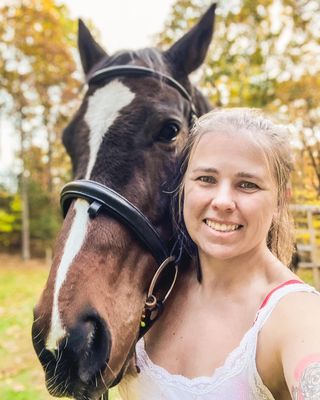
A unique therapeutic experience on a peaceful farm, where teens can connect with animals build mindfulness skills and enhance emotional resilience. Hands-on interactions with horses, goats, chickens, guinea pigs, and calming campfire sessions. With the support of a licensed therapist, participants receive guidance and learn practical coping skills to manage stress and anxiety. Our farm setting provides a safe and nurturing environment where teens can gain confidence, explore their emotions, and form lasting connections
Online Group Therapy for 8 Women focuses on learning about the Internal Family Systems (IFS) model of healing and connecting with other women who may be experiencing the same challenges in life. You will receive compassion and support as you “find your way back home” to your Authentic Self. Women who are interested in joining the next group starting in September 2025 should contact me so we can set up an interview to see if we are a good fit.
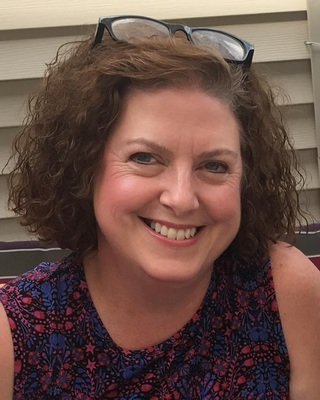
Online Group Therapy for 8 Women focuses on learning about the Internal Family Systems (IFS) model of healing and connecting with other women who may be experiencing the same challenges in life. You will receive compassion and support as you “find your way back home” to your Authentic Self. Women who are interested in joining the next group starting in September 2025 should contact me so we can set up an interview to see if we are a good fit.
Are you an adult experiencing low self esteem, depression or anxiety? Our 3-day immersive course merges nature's tranquility and companionship of friendly animals with engaging CBT strategies, empowering you with invaluable self-awareness and resilience tools to overcome life's challenges. December 26-28 ONLY.

Are you an adult experiencing low self esteem, depression or anxiety? Our 3-day immersive course merges nature's tranquility and companionship of friendly animals with engaging CBT strategies, empowering you with invaluable self-awareness and resilience tools to overcome life's challenges. December 26-28 ONLY.
This Authentic Eating Support Group is for women who have a basic understanding of Internal Family Systems, and are struggling with extreme behaviors of overeating, binging, purging, restricting, obsessing (about sugar, calories, body weight and size, health, dieting) and over/under exercising. In this online Therapy group, we will be focusing on re-connecting your Authentic Self and your wounded parts. Learn how your Authentic Self can heal your burdened parts with compassion and by appreciating their good intentions! For more information visit compassionbasedhealing.com

This Authentic Eating Support Group is for women who have a basic understanding of Internal Family Systems, and are struggling with extreme behaviors of overeating, binging, purging, restricting, obsessing (about sugar, calories, body weight and size, health, dieting) and over/under exercising. In this online Therapy group, we will be focusing on re-connecting your Authentic Self and your wounded parts. Learn how your Authentic Self can heal your burdened parts with compassion and by appreciating their good intentions! For more information visit compassionbasedhealing.com
Welcome to the Next Chapter of Your Healing Journey: Stepping into Joy! You have done the profound work of therapy, worked through depression, anxiety, trauma, or other burdens that were blocking your access to your Authentic Self (innate wisdom and wholeness). Now you find yourself asking: “What do I do with this wonderful, beautiful life that I have?” This is where your Joyful Journal begins – as a gentle approach to help you step fully into the joy, playfulness, and ease that are natural expressions of your Authentic Self.

Welcome to the Next Chapter of Your Healing Journey: Stepping into Joy! You have done the profound work of therapy, worked through depression, anxiety, trauma, or other burdens that were blocking your access to your Authentic Self (innate wisdom and wholeness). Now you find yourself asking: “What do I do with this wonderful, beautiful life that I have?” This is where your Joyful Journal begins – as a gentle approach to help you step fully into the joy, playfulness, and ease that are natural expressions of your Authentic Self.
A CBT (Cognitive Behavioral Therapy) based workshop, dedicated solely for the fantastic yet tough journey called Parenting. Our clinician will work with you on techniques to manage stress, make the parenting process smoother, and find better balance in your lives. Meanwhile, our skilled farm hands will take care of your children, involving them in exciting farm activities - playing with our friendly horses, goats, chickens, dogs and guinea pigs!

A CBT (Cognitive Behavioral Therapy) based workshop, dedicated solely for the fantastic yet tough journey called Parenting. Our clinician will work with you on techniques to manage stress, make the parenting process smoother, and find better balance in your lives. Meanwhile, our skilled farm hands will take care of your children, involving them in exciting farm activities - playing with our friendly horses, goats, chickens, dogs and guinea pigs!

More Groups Nearby
Darwin Gillett, Licensed Independent Clinical Social Worker, will show participants ways to reduce negative emotions through discovering the body's subtle energies. EFT has been clinically effective in thousands of cases and proving dramatically successful in relieving fears and phobias, panic and anxiety, depression, allergies, and hundreds of physical symptoms. It often works where nothing else will.

Hosted by Darwin Gillett
Clinical Social Work/Therapist, LICSW, MSW
Group meets in Westford, MA 01886
Darwin Gillett, Licensed Independent Clinical Social Worker, will show participants ways to reduce negative emotions through discovering the body's subtle energies. EFT has been clinically effective in thousands of cases and proving dramatically successful in relieving fears and phobias, panic and anxiety, depression, allergies, and hundreds of physical symptoms. It often works where nothing else will.
Rooted is a group practice located in Westford and Chelmsford, MA specializing in the care for children, families, adults, and maternal mental health. Rooted offers in-person and virtual therapy, along with group therapy, free workshops, and medication management.

Rooted is a group practice located in Westford and Chelmsford, MA specializing in the care for children, families, adults, and maternal mental health. Rooted offers in-person and virtual therapy, along with group therapy, free workshops, and medication management.
Based on the Allender Center model of story work, this group helps men engage their story around sexuality so that they might break free from pornography and sex addiction. Participants write and read key stories from their childhood, and a trained facilitator helps the group engage them with curiosity and kindness.

Based on the Allender Center model of story work, this group helps men engage their story around sexuality so that they might break free from pornography and sex addiction. Participants write and read key stories from their childhood, and a trained facilitator helps the group engage them with curiosity and kindness.
At Needham Psychotherapy Associates, we are a team of expertly trained psychologists and social workers committed to delivering the highest quality of mental health care, creating a compassionate and empathic environment, providing access to effective and current treatments, and improving the health and welfare of the diverse communities we serve. We welcome people of all ages, races, gender identities, sexual orientations, ethnicities, nationalities, abilities, and religions.

At Needham Psychotherapy Associates, we are a team of expertly trained psychologists and social workers committed to delivering the highest quality of mental health care, creating a compassionate and empathic environment, providing access to effective and current treatments, and improving the health and welfare of the diverse communities we serve. We welcome people of all ages, races, gender identities, sexual orientations, ethnicities, nationalities, abilities, and religions.
A virtual therapeutic space for individuals who have lost a loved one. This group will be a safe space for anyone interested in expressing and processing their feelings in their grief journey. It will include psychoeducation on stages of grief, self- care, bereavement, and mourning.

A virtual therapeutic space for individuals who have lost a loved one. This group will be a safe space for anyone interested in expressing and processing their feelings in their grief journey. It will include psychoeducation on stages of grief, self- care, bereavement, and mourning.
This group is designed to address the developmental needs of younger children, 10-13 years, who are struggling with impulse controls within their school and family. Students generally require IEP supports to make effective academic progress. Social skill development is focused upon from both a school-based and familial perspective. Play therapy techniques, including collaborative movie-making activities, board game play, role-playing games, and psychodramatic techniques are used to help the participants develop their social skills, emotional expression skills, and impulse control. We tend to have a lot of fun while learning more effective ways to function in life.

This group is designed to address the developmental needs of younger children, 10-13 years, who are struggling with impulse controls within their school and family. Students generally require IEP supports to make effective academic progress. Social skill development is focused upon from both a school-based and familial perspective. Play therapy techniques, including collaborative movie-making activities, board game play, role-playing games, and psychodramatic techniques are used to help the participants develop their social skills, emotional expression skills, and impulse control. We tend to have a lot of fun while learning more effective ways to function in life.
Beginning October 9, 2025 through December 4, 2025, In Collaboration with the Worcester Senior Center, New 8 week Support Group designed to assist men through the challenges of aging and explore new opportunities in a safe , confidential and welcoming space. Men will find support and develop practical strategies for thriving later in life. The group is free and open to men over the age of 65. Limited to 10 participants. Funding for the group is made available to the Worcester Senior Center through the Massachusetts Council on Aging.

Hosted by John 'Jack' Bonina
Clinical Social Work/Therapist, MS, MSW, LICSW
Group meets in Worcester, MA 01604
Beginning October 9, 2025 through December 4, 2025, In Collaboration with the Worcester Senior Center, New 8 week Support Group designed to assist men through the challenges of aging and explore new opportunities in a safe , confidential and welcoming space. Men will find support and develop practical strategies for thriving later in life. The group is free and open to men over the age of 65. Limited to 10 participants. Funding for the group is made available to the Worcester Senior Center through the Massachusetts Council on Aging.
This group is a BASIC and ADVANCED psychoeducational group broken down into four modules including mindfulness & distress tolerance skills, emotional containment skills, effective communication, and middle path skills. The common thread in all modules is Mindfulness skills, employing current research in NEUROSCIENCE, TRAUMA, and POSITIVE NEUROPLASTICITY. This group is very effective for clients who are looking to get tools to grow personally and emotionally, no particular diagnosis is needed to benefit from tools. This group is used in conjunction with individual therapy. GROUP MEETS ONLINE VIA ZOOM

This group is a BASIC and ADVANCED psychoeducational group broken down into four modules including mindfulness & distress tolerance skills, emotional containment skills, effective communication, and middle path skills. The common thread in all modules is Mindfulness skills, employing current research in NEUROSCIENCE, TRAUMA, and POSITIVE NEUROPLASTICITY. This group is very effective for clients who are looking to get tools to grow personally and emotionally, no particular diagnosis is needed to benefit from tools. This group is used in conjunction with individual therapy. GROUP MEETS ONLINE VIA ZOOM
Teen DBT Skills Group (10 Spots Available) Starting Wednesday, January 14th at 5 PM, this group offers teens a supportive space to build emotional regulation, interpersonal skills, and confidence. Using a modified DBT curriculum designed to be relatable and accessible, we explore dialectical thinking, coping strategies, and both inter- and intrapersonal awareness. Each session blends structured skill-building with process time, helping teens better understand themselves and navigate school, friendships, and stress. This group is ideal for teens managing anxiety, depression, or big emotions who want tools they can actually use in daily life.

Hosted by The Whole Being
Clinical Social Work/Therapist, LICSW, ET
Group meets in Framingham, MA 01701
Teen DBT Skills Group (10 Spots Available) Starting Wednesday, January 14th at 5 PM, this group offers teens a supportive space to build emotional regulation, interpersonal skills, and confidence. Using a modified DBT curriculum designed to be relatable and accessible, we explore dialectical thinking, coping strategies, and both inter- and intrapersonal awareness. Each session blends structured skill-building with process time, helping teens better understand themselves and navigate school, friendships, and stress. This group is ideal for teens managing anxiety, depression, or big emotions who want tools they can actually use in daily life.
Join our Board Game Therapy Group for kids ages 7-18, designed to help those with social skills deficits! This engaging group combines the fun of board games with structured activities that promote teamwork, communication, and problem-solving. Under the guidance of a licensed clinical psychologist, participants will build confidence, improve social interactions, and develop essential skills in a supportive environment. It's a great opportunity to make friends while learning valuable strategies for navigating social situations. Don’t miss out on the fun—sign up today and watch your child thrive! For more info, email jjohnson@iasboston.com.
Our in-person Cambridge grief group is a place to process grief and connect with others who understand. Research shows that addressing grief during young adulthood is crucial for lifelong emotional well-being, helping prevent the prolonged pain and the “stuckness” that can come from unprocessed loss. Past participants consistently report how helpful to participate. This is a time-limited group for people in their 20s and 30s who have experienced a loss in the recent or distant past, guided by a therapist who encourages self-reflection, expression, and discussion.

Our in-person Cambridge grief group is a place to process grief and connect with others who understand. Research shows that addressing grief during young adulthood is crucial for lifelong emotional well-being, helping prevent the prolonged pain and the “stuckness” that can come from unprocessed loss. Past participants consistently report how helpful to participate. This is a time-limited group for people in their 20s and 30s who have experienced a loss in the recent or distant past, guided by a therapist who encourages self-reflection, expression, and discussion.
Manage Stress, Improve Mood and Strengten Relationships - DBT Group, Virtual Sessions, commercial insurance accepted - Group Leaders: Emmanuelle Farrell, LICSW and Krishna Raval, MA.

Manage Stress, Improve Mood and Strengten Relationships - DBT Group, Virtual Sessions, commercial insurance accepted - Group Leaders: Emmanuelle Farrell, LICSW and Krishna Raval, MA.
See more therapy options for 01532
FAQs - About Group Therapy and Support Groups
How can I find a support group in 01532?
To find a support group in your area, start by entering your city, zip code, or the name of the group into the search bar at the top of the page. When searching, consider whether you prefer an in-person or virtual group. This can help you decide how broad your geographic search should be. If you are open to virtual groups, you might want to search by state instead of just your city, especially if there are limited options nearby.
Once you complete your search, you can use the filters to narrow the results by selecting specialties (such as grief, trauma, or eating disorders), therapeutic approaches, age groups, and other criteria to find a group that best fits your needs.
How does group therapy work?
Group therapy is led by one or more trained therapists and provides a space where participants can process their experiences and learn from others facing similar challenges. Groups may focus on a specific issue—such as addiction, grief, physical illnesses, parenting, or caregiving—or they may center around a particular therapeutic approach, such as Cognitive Behavioral Therapy (CBT), social skill development, or Exposure Therapy. Some groups are also designed for specific populations, such as teens, veterans, or LGBTQ+ individuals.
It’s also important to distinguish group therapy from peer-led support groups, like Alcoholics Anonymous. While both can offer valuable support, therapy groups are typically led by licensed professionals and follow a more structured format. Therapy groups often meet for a fixed length of time with a consistent group of members, while many peer support groups meet for an indefinite period of time with members coming and going.
What are the benefits of group therapy?
Group therapy offers several important benefits. It brings together people facing similar challenges—whether related to mental health, physical health, or life transitions—and creates a supportive environment where participants can exchange feedback, share experiences, and learn from one another. Hearing different perspectives can help individuals discover new coping strategies and practical tools they may not have encountered on their own. Sharing personal experiences, such as coping with a serious illness or navigating family struggles, can also reduce feelings of isolation and foster a sense of connection and understanding. In addition to emotional support, group members often gain useful, real-world advice from peers who have faced similar situations.
Group therapy is typically more affordable than individual therapy and, for certain conditions, can be equally effective. Many groups also include structured activities—such as guided journaling, cognitive-behavioral exercises, or role-playing—to help participants develop concrete skills they can apply in daily life.
Is group therapy as effective as individual therapy?
It is difficult to make a blanket statement about the effectiveness of support groups, as they vary widely in focus and the conditions they address. However, support groups can be highly valuable in helping individuals gain emotional support and achieve meaningful treatment outcomes. For certain conditions, such as substance use, research has shown that group therapy can be particularly effective—sometimes just as effective as individual therapy—in supporting long-term recovery.
Many professionals attribute the effectiveness of group therapy to the unique benefits of the group setting, which fosters peer-to-peer learning and a sense of connection through shared experiences. Group settings also offer accountability and encouragement from both facilitators and fellow participants, which helps sustain motivation and supports continued progress. These factors together play a key role in promoting the overall effectiveness of group therapy.
How much does group therapy cost?
Group therapy is typically less expensive than individual therapy, with sessions typically costing between $50 and $75 each. In comparison, individual therapy can cost anywhere from $100 to $200 or more per session, even with insurance. Some therapists or organizations offer low-cost or free group therapy options, particularly through community centers or nonprofit organizations. In some cases, groups may require payment upfront for a set number of sessions, such as paying for six weekly sessions at the first meeting. However, many providers offer payment plans to help make participation more accessible if this upfront payment is required.
Does insurance cover group therapy?
As with individual therapy, insurance coverage for group therapy varies based on factors such as your specific insurance plan, the purpose of the group, your diagnosis, and whether the group provider is in-network. Many insurance plans cover group therapy sessions that address diagnosable mental health conditions, such as substance use disorders, anxiety, or depression.
However, groups that focus on topics not directly tied to a mental health diagnosis—such as parenting support or divorce recovery—are less likely to be covered. Because coverage can vary widely, it’s important to check with your insurance provider before joining a group to confirm whether the sessions will be covered and what out-of-pocket costs you may be responsible for.
How long does group therapy last?
The length of each group therapy session typically ranges from 45 minutes to two hours, depending on the therapy approach, the group’s goals, and how often the group meets. In some cases, group therapy is part of a larger treatment program, such as an Intensive Outpatient Program (IOP), where group sessions complement individual therapy and are scheduled as part of the program’s overall structure.
The duration of participation in a group also varies. Some groups are designed to be short-term, lasting anywhere from 6 to 24 weeks—for example, bereavement groups or skills-based groups like those using Dialectical Behavioral Therapy (DBT). Other groups may be longer-term, lasting a year or more, and some ongoing support groups meet indefinitely, allowing participants to stay as long as they find the group helpful.
What are the limitations of support groups?
Support groups offer many benefits, but they also have certain limitations. Unlike therapy groups, many support groups do not provide formal therapeutic treatment and are not led by licensed mental health professionals. For individuals seeking clinical treatment for specific mental health diagnoses—such as depression, eating disorders, or substance use—individual therapy or group therapy led by a licensed professional may offer more personalized and specialized care.
The effectiveness of a support group also depends heavily on the group’s participants and the overall group dynamic. When members engage respectfully and offer constructive support, the group can foster valuable peer-to-peer learning. However, if certain participants dominate discussions, provide inaccurate advice, or create conflict, it can disrupt the group’s sense of safety and reduce its effectiveness. Confidentiality can also be harder to maintain in support groups, particularly in open groups where participants can join or leave at any time. With new members regularly entering the group, it can be more difficult to build and sustain a consistent sense of trust and privacy.


