Psychiatrists in 95008

I believe that attaining mental health should be a collaborative process between the child/adolescent, their family, and the clinician. The basis for any successful treatment is a strong and trusting therapeutic alliance or relationship. Together, we will understand your child’s particular strengths and needs and then determine and review the best treatment options available.
I believe that attaining mental health should be a collaborative process between the child/adolescent, their family, and the clinician. The basis for any successful treatment is a strong and trusting therapeutic alliance or relationship. Together, we will understand your child’s particular strengths and needs and then determine and review the best treatment options available.

I specialize in treating children, adolescents and adults. I attended Northwestern University for my medical school training and completed a General Psychiatry Residency at Emory University and a Child and Adolescent Psychiatry Fellowship at the University of Washington. My areas of expertise include Depression, Anxiety, OCD and ADHD.
I specialize in treating children, adolescents and adults. I attended Northwestern University for my medical school training and completed a General Psychiatry Residency at Emory University and a Child and Adolescent Psychiatry Fellowship at the University of Washington. My areas of expertise include Depression, Anxiety, OCD and ADHD.

It is a unique privilege to listen and connect with patients, to understand one's story, and to be a part of their healing process. My goal is to help individuals navigate the struggles, by finding comprehensive ways to address their mental health needs.
It is a unique privilege to listen and connect with patients, to understand one's story, and to be a part of their healing process. My goal is to help individuals navigate the struggles, by finding comprehensive ways to address their mental health needs.

I work with children, adolescents, and young adults experiencing challenges such as anxiety, depression, ADHD, trauma, eating disorders, and neurodevelopmental concerns. These clients and their families seek comprehensive, compassionate psychiatric care to better understand symptoms, improve functioning, and support emotional and behavioral well-being.
I work with children, adolescents, and young adults experiencing challenges such as anxiety, depression, ADHD, trauma, eating disorders, and neurodevelopmental concerns. These clients and their families seek comprehensive, compassionate psychiatric care to better understand symptoms, improve functioning, and support emotional and behavioral well-being.
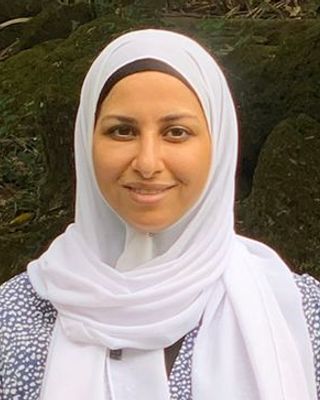
Accepting New Patients! Are you a high achieving professional suffering from stress or burn out? Do you have mood changes? Do you feel easily overwhelmed by daily activities? Are you a parent wondering how to help your child reach their maximum potential? I am an integrative psychiatrist board certified in both General Adult Psychiatry and Child and Adolescent Psychiatry who believes in a holistic approach to mental health. I specialize in assessing and treating multiple mental health disorders including anxiety, OCD, depression, ADHD, & bipolar disorder.
Accepting New Patients! Are you a high achieving professional suffering from stress or burn out? Do you have mood changes? Do you feel easily overwhelmed by daily activities? Are you a parent wondering how to help your child reach their maximum potential? I am an integrative psychiatrist board certified in both General Adult Psychiatry and Child and Adolescent Psychiatry who believes in a holistic approach to mental health. I specialize in assessing and treating multiple mental health disorders including anxiety, OCD, depression, ADHD, & bipolar disorder.

I decided to become a child, adolescent and adult psychiatrist because I believe mental health is deeply connected to our contentment, success, and the achievement of our sense of purpose. Helping others discover a greater sense of self-efficacy and joy for themselves brings me incredible fulfillment and motivates me on a daily basis to do the work that I do. My other passions include spending time in nature, spending time with friends and family, practicing yoga and meditation, enjoying music and art, and learning new information about culture and history.
I decided to become a child, adolescent and adult psychiatrist because I believe mental health is deeply connected to our contentment, success, and the achievement of our sense of purpose. Helping others discover a greater sense of self-efficacy and joy for themselves brings me incredible fulfillment and motivates me on a daily basis to do the work that I do. My other passions include spending time in nature, spending time with friends and family, practicing yoga and meditation, enjoying music and art, and learning new information about culture and history.

My treatment philosophy is to get to know each person as a whole. I want to get to know you, your story, and what matters to you. If needed, I will help you tell your story. I approach the therapeutic relationship as a partnership built on trust and communication with you in the driver’s seat. The better you can help me understand your world, the better I can pull from the resources available to me to share with you. You will understand what is going on with you or your child and be active participants in this journey. I enjoy working with parents/caregivers and families and believe it is essential to a child’s treatment & recovery.
My treatment philosophy is to get to know each person as a whole. I want to get to know you, your story, and what matters to you. If needed, I will help you tell your story. I approach the therapeutic relationship as a partnership built on trust and communication with you in the driver’s seat. The better you can help me understand your world, the better I can pull from the resources available to me to share with you. You will understand what is going on with you or your child and be active participants in this journey. I enjoy working with parents/caregivers and families and believe it is essential to a child’s treatment & recovery.

I am a board certified psychiatrist with over 10 years of experience. I completed my child and adolescent psychiatric fellowship at the University of Southern California. I received my general psychiatry training at the University of Los Angeles where I served as Chief Resident and was recognized with the Outstanding Resident Award two years in a row. I was an Attending psychiatrist in India. I am fluent in major Indian sub-continent languages. I currently reside in the Bay Area and enjoy spending time with my son.
I am a board certified psychiatrist with over 10 years of experience. I completed my child and adolescent psychiatric fellowship at the University of Southern California. I received my general psychiatry training at the University of Los Angeles where I served as Chief Resident and was recognized with the Outstanding Resident Award two years in a row. I was an Attending psychiatrist in India. I am fluent in major Indian sub-continent languages. I currently reside in the Bay Area and enjoy spending time with my son.

Comprehensive Mental Health Practice comprised of Psychiatrists, Psychiatric nurse practitioners, Psychiatric Physician Assistants and Psychotherapists. Members of our team from various disciplines collaborate and coordinate interventions in order to provide the most effective and current treatment options.
Comprehensive Mental Health Practice comprised of Psychiatrists, Psychiatric nurse practitioners, Psychiatric Physician Assistants and Psychotherapists. Members of our team from various disciplines collaborate and coordinate interventions in order to provide the most effective and current treatment options.

At the heart of my practice is a simple belief: that relationship is the most important tool we have in healing. Because of the pressures of modern medicine, psychiatric visits too often feel rushed, dismissive, or impersonal. I strive to offer something different. Before anything else, care should be one person sitting with another, trying to understand. Many people reach out during the hardest moments of their lives, when they feel most alone, most afraid, and most raw. I consider it a responsibility, and a gift, to be allowed into such intimate terrain.
At the heart of my practice is a simple belief: that relationship is the most important tool we have in healing. Because of the pressures of modern medicine, psychiatric visits too often feel rushed, dismissive, or impersonal. I strive to offer something different. Before anything else, care should be one person sitting with another, trying to understand. Many people reach out during the hardest moments of their lives, when they feel most alone, most afraid, and most raw. I consider it a responsibility, and a gift, to be allowed into such intimate terrain.

Do racing thoughts, restless nights, and constant self-doubt drain your energy and peace of mind? Are you overwhelmed by the need for certainty, struggling with poor concentration, or feeling burdened by your own hypersensitivity? Whether your challenges stem from brain chemistry, genetics, or hurtful parenting, you don’t have to face them alone. At Evolve Psychiatry, our compassionate team of medical experts and seasoned psychotherapists partners with you to explore and finally answer these questions. Together, we’ll cultivate the skills you need to feel more confident in yourself and more connected to the world around you.
Do racing thoughts, restless nights, and constant self-doubt drain your energy and peace of mind? Are you overwhelmed by the need for certainty, struggling with poor concentration, or feeling burdened by your own hypersensitivity? Whether your challenges stem from brain chemistry, genetics, or hurtful parenting, you don’t have to face them alone. At Evolve Psychiatry, our compassionate team of medical experts and seasoned psychotherapists partners with you to explore and finally answer these questions. Together, we’ll cultivate the skills you need to feel more confident in yourself and more connected to the world around you.

I grew up in Texas and attended medical school at the University of Texas Southwestern Medical Center. I completed residency and fellowship at the University of New Mexico. Throughout my training, I have worked with patients and families from diverse ethnic and cultural backgrounds. I have training in a wide range of mental health conditions, including attention-deficit/hyperactivity disorder, post traumatic stress disorder, mood disorders and anxiety.
I grew up in Texas and attended medical school at the University of Texas Southwestern Medical Center. I completed residency and fellowship at the University of New Mexico. Throughout my training, I have worked with patients and families from diverse ethnic and cultural backgrounds. I have training in a wide range of mental health conditions, including attention-deficit/hyperactivity disorder, post traumatic stress disorder, mood disorders and anxiety.

One thing that inspires me is our ability as humans to change our own circumstances with the help of family and community using self-awareness, imagination, and our own unique strengths. I believe that achieving this integrity is a worthy result that can accompany treatment. It takes risk, energy, and investment to pursue this and it is a privilege for me to be a part of one’s journey.
One thing that inspires me is our ability as humans to change our own circumstances with the help of family and community using self-awareness, imagination, and our own unique strengths. I believe that achieving this integrity is a worthy result that can accompany treatment. It takes risk, energy, and investment to pursue this and it is a privilege for me to be a part of one’s journey.

I am a general adult psychiatrist with experience treating a variety of conditions and a special interest in OCD, student-athlete mental health, mood and anxiety disorders. I employ a holistic view of mental health that first requires being curious about the unique dynamics that might be affecting your well-being. While medications are often important, I also believe in addressing aspects of one’s lifestyle (sleep, exercise, diet) and examining interpersonal, occupational, among other stressors in a judgement-free, supportive environment.
I am a general adult psychiatrist with experience treating a variety of conditions and a special interest in OCD, student-athlete mental health, mood and anxiety disorders. I employ a holistic view of mental health that first requires being curious about the unique dynamics that might be affecting your well-being. While medications are often important, I also believe in addressing aspects of one’s lifestyle (sleep, exercise, diet) and examining interpersonal, occupational, among other stressors in a judgement-free, supportive environment.

Do you Over-Think things? Over-Experience your emotions? Do you struggle to focus or complete tasks? Difficulty sleeping? Putting off your mental health is no longer an option! With over 75 clinical experts, WellPsyche and MediPsych providers provide Empathetic Psychotherapy and Personalized Medication Management services for Children, Adolescents, and Adults. 100% of our visits are conducted via Zoom, and we are available mornings, afternoons, and evenings. Meet with your psychiatrist from the privacy and convenience of home or work. We are simplifying the mental health experience so you can become the best version of you!
Do you Over-Think things? Over-Experience your emotions? Do you struggle to focus or complete tasks? Difficulty sleeping? Putting off your mental health is no longer an option! With over 75 clinical experts, WellPsyche and MediPsych providers provide Empathetic Psychotherapy and Personalized Medication Management services for Children, Adolescents, and Adults. 100% of our visits are conducted via Zoom, and we are available mornings, afternoons, and evenings. Meet with your psychiatrist from the privacy and convenience of home or work. We are simplifying the mental health experience so you can become the best version of you!

Dr. Setterberg is a child & adolescent psychiatry specialist with 40 years of experience in the medical field. He graduated from University of Minnesota Medical School in 1984, trained in residency in General Psychiatry at the Albert Einstein College of Medicine in New York City, and completed fellowships in Child and Adolescent Psychiatry at Albert Einstein and Columbia University.
Dr. Setterberg is a child & adolescent psychiatry specialist with 40 years of experience in the medical field. He graduated from University of Minnesota Medical School in 1984, trained in residency in General Psychiatry at the Albert Einstein College of Medicine in New York City, and completed fellowships in Child and Adolescent Psychiatry at Albert Einstein and Columbia University.

I came to BACA Telehealth in 2021, practicing telehealth remotely from Sacramento. Originally from Palo Alto, I completed my undergraduate degree from U.C. Berkeley. After attending the Bryn Mawr College Pre-Med/ Post Bacc Program, I went to Temple University Medical School where I got my MD. While a fourth year med student at Temple, in Philadelphia, I took an elective at UCSF Langley Porter, and became interested in child and adolescent psychiatry.
I came to BACA Telehealth in 2021, practicing telehealth remotely from Sacramento. Originally from Palo Alto, I completed my undergraduate degree from U.C. Berkeley. After attending the Bryn Mawr College Pre-Med/ Post Bacc Program, I went to Temple University Medical School where I got my MD. While a fourth year med student at Temple, in Philadelphia, I took an elective at UCSF Langley Porter, and became interested in child and adolescent psychiatry.

As a child and adolescent psychiatrist with nearly two decades worth of experience, I have come to cherish the collaborative aspects of patient care above all else. Treatment and recovery become more meaningful and durable when defined by patients, families, and doctors together. (Or, as some. might say, multiple heads are better than one.) In working with diverse populations, it has also become evident to me that "medication-only" treatment models have their place, but are limited in what they can do and what they should be asked to do. This is especially true in the child and adolescent population.
As a child and adolescent psychiatrist with nearly two decades worth of experience, I have come to cherish the collaborative aspects of patient care above all else. Treatment and recovery become more meaningful and durable when defined by patients, families, and doctors together. (Or, as some. might say, multiple heads are better than one.) In working with diverse populations, it has also become evident to me that "medication-only" treatment models have their place, but are limited in what they can do and what they should be asked to do. This is especially true in the child and adolescent population.

Bay Area Clinical Associates (BACA) is a physician-owned and operated organization committed to providing integrated, scientific, empathetic mental health treatment for kids, teens, and their families. BACA is comprised of a multidisciplinary team of child & adolescent psychiatrists, licensed marriage & family therapists, and licensed clinical social workers. We work to take the "mystery" out of psychiatric care and have a relaxed, fun, caring environment at our clinics.
Bay Area Clinical Associates (BACA) is a physician-owned and operated organization committed to providing integrated, scientific, empathetic mental health treatment for kids, teens, and their families. BACA is comprised of a multidisciplinary team of child & adolescent psychiatrists, licensed marriage & family therapists, and licensed clinical social workers. We work to take the "mystery" out of psychiatric care and have a relaxed, fun, caring environment at our clinics.
Dhanashree Mahesh, MD is a Psychiatry Specialist. She graduated with honors in 1979. Having more than 43 years of diverse experiences, especially in Psychiatry.
Dhanashree Mahesh, MD is a Psychiatry Specialist. She graduated with honors in 1979. Having more than 43 years of diverse experiences, especially in Psychiatry.
See more therapy options for 95008


How does your Psychiatrist compare?
Number of Psychiatrists in 95008
30+
Average cost per session
$315
Psychiatrists in 95008 who prioritize treating:
| 92% | Depression |
| 90% | ADHD |
| 90% | Anxiety |
| 85% | Medication Management |
| 79% | Obsessive-Compulsive (OCD) |
| 67% | Trauma and PTSD |
| 56% | Bipolar Disorder |
Average years in practice
16 Years
Top 3 insurances accepted
| 100% | Aetna |
| 94% | Cigna and Evernorth |
| 94% | Optum |
How Psychiatrists in 95008 see their clients
| 62% | In Person and Online | |
| 38% | Online Only |
Gender breakdown
| 53% | Male | |
| 47% | Female |
FAQs - About Psychiatrists and Psychiatric Nurses
How can I find a psychiatrist in 95008?
The Psychology Today Directory enables users to search specifically for psychiatrists by selecting the provider type from the drop-down menu, and filtering results by city, zip code, or the psychiatrist's name. The search results feature detailed profiles that outline each professional's treatment approach, areas of expertise, credentials, fees, payment options, and accepted insurance. Results include both psychiatrists (MDs) and psychiatric mental health nurse practitioners (PMHNPs), who hold advanced practice nursing degrees. Users can refine their search for a specific type of psychiatric provider using the "Provider Type" filter.
What is the difference between a psychiatrist and a psychologist?
Psychiatrists are medical specialists dedicated to understanding, diagnosing, and treating brain disorders and mental health conditions. As physicians, they are trained to identify the often subtle biological factors underlying mental disorders and to monitor how mental health treatments may impact other physical conditions, such as heart disease. Psychiatrists are licensed to prescribe medication and typically conduct shorter sessions that focus on medication management rather than intensive psychotherapy.
In contrast, psychologists are particularly attuned to the impact of early experiences on development, behavior, emotions, and cognitive processes. They often take a holistic approach to assessing and treating clients, considering aspects of personality and social functioning. Although psychologists cannot prescribe medication, they are frequently skilled in administering psychological tests—such as IQ tests, personality assessments, and behavioral evaluations—to assess an individual's functioning. Psychologists often engage in longer, more psychotherapy-focused sessions compared to psychiatrists.
In contrast, psychologists are particularly attuned to the impact of early experiences on development, behavior, emotions, and cognitive processes. They often take a holistic approach to assessing and treating clients, considering aspects of personality and social functioning. Although psychologists cannot prescribe medication, they are frequently skilled in administering psychological tests—such as IQ tests, personality assessments, and behavioral evaluations—to assess an individual's functioning. Psychologists often engage in longer, more psychotherapy-focused sessions compared to psychiatrists.
What is a psychiatric nurse practitioner and what is the difference with a psychiatrist?
A psychiatric mental health nurse practitioner (PMHNP), also known as a mental health nurse practitioner or psychiatric nurse practitioner, is an advanced practice registered nurse (APRN) who has completed advanced training in psychiatric care, earning at least a master’s degree in psychiatric nursing. To become Board-Certified (PMHNP-BC), psychiatric nurse practitioners must also pass a national exam that tests their clinical psychiatric knowledge.
Like psychiatrists, PMHNPs are trained to assess, diagnose, and treat mental health conditions. However, PMHNPs and psychiatrists differ in their training experience. While PMHNPs can complete their credentialing requirements (full bachelor's and master's degree training) in as few as 6 years, psychiatrists often spend upwards of 12 years to complete their bachelor's, medical doctorate degree, and residency training requirements. Because of training differences, some states require PMHNPs to be supervised by or enter into a collaborative agreement with a physician in order to prescribe medication.
When deciding to work with a psychiatrist or PMHNP, clients should consider factors such therapeutic fit, cost, and availability. Psychiatrists may have more substantial training in treating more severe psychiatric conditions, as well as in providing more specialized treatment services, such as child psychiatry. However, psychiatrists may be inaccessible to some clients, as their cost and availability may be prohibitive. It can often be easier for clients to find a PMHNP with openings for new clients when compared to psychiatrists, and PMHNPs may also offer lower cost treatment options for clients looking to minimize out-of-pocket costs.
Can a psychiatrist or a PMHNP prescribe medication?
The Psychology Today directory features two primary types of psychiatric professionals: psychiatrists and psychiatric mental health nurse practitioners (PMHNPs). Both are generally authorized to prescribe psychiatric medications. In 28 states, PMHNPs have full practice authority, allowing them to provide the complete spectrum of psychiatric care, including independent medication prescribing and management. In other states, however, PMHNPs are required to work under the supervision or in collaboration with a physician to prescribe medication. Both psychiatrists and PMHNPs may also offer additional services, such as psychotherapy, counseling, and care coordination, for clients seeking psychiatric care.
Do psychiatrists or PMHNPs offer therapy?
Both psychiatrists and psychiatric mental health nurse practitioners (PMHNPs) are generally trained in a number of treatment modalities, including traditional psychotherapy, cognitive behavioral therapy (CBT), dialectical behavioral therapy (DBT), pharmacotherapy, and, occasionally, various somatic therapies. Typically, psychiatrists and PMHNPs make a diagnosis and determine a course of treatment based on chemical or biological factors, using lab tests, brain scans and physical and psychological evaluations.
While psychotherapy may be used in the first session to aid in diagnosis, it is not typically utilized in subsequent visits. In fact, after the introductory session, most psychiatry sessions may only be 15-20 minutes in length and are largely focused on medication management; this is frequently the case for both psychiatrists and PMHNPs. However, medication providers who do not offer psychotherapy usually work collaboratively with psychologists and other mental health clinicians who do offer these services, and they can refer clients seeking more traditional psychotherapy services to their care.
While psychotherapy may be used in the first session to aid in diagnosis, it is not typically utilized in subsequent visits. In fact, after the introductory session, most psychiatry sessions may only be 15-20 minutes in length and are largely focused on medication management; this is frequently the case for both psychiatrists and PMHNPs. However, medication providers who do not offer psychotherapy usually work collaboratively with psychologists and other mental health clinicians who do offer these services, and they can refer clients seeking more traditional psychotherapy services to their care.
How do I know if I need a psychiatrist, a PMHNP, or a therapist?
It is not always easy to know which type of mental health practitioner to choose. Many people are unaware of the root of their mental or behavioral problem and may be unaware of the differences in support provided by various mental health professionals. One way many people learn which type of care is best for them is by seeing their primary care provider (PCP) first. Depending on the nature and severity of the symptoms, the PCP may review their medical history and provide guidance or a referral to the appropriate type of provider.
A referral to a psychiatrist or PMHNP is most often made when a client is in need of psychiatric medication management or assessment. These professionals are specifically trained to prescribe psychiatric medications, when necessary, for a client; however, they generally do not provide supportive psychotherapy on an ongoing basis. A therapist or psychologist, in contrast, can provide supportive psychotherapy but is unable to prescribe medications. Because of their unique roles, some clients see both a medication prescriber (either a psychiatrist or PMHNP) and a therapist at the same time to address their psychiatric concerns holistically. Many psychiatrists and psychologists are very open to referring clients to other professionals if unable to meet the client's needs or if they think the client could use additional support from a different type of professional.
A referral to a psychiatrist or PMHNP is most often made when a client is in need of psychiatric medication management or assessment. These professionals are specifically trained to prescribe psychiatric medications, when necessary, for a client; however, they generally do not provide supportive psychotherapy on an ongoing basis. A therapist or psychologist, in contrast, can provide supportive psychotherapy but is unable to prescribe medications. Because of their unique roles, some clients see both a medication prescriber (either a psychiatrist or PMHNP) and a therapist at the same time to address their psychiatric concerns holistically. Many psychiatrists and psychologists are very open to referring clients to other professionals if unable to meet the client's needs or if they think the client could use additional support from a different type of professional.
Do I need a referral to see a psychiatrist or a PMHNP?
A referral to a psychiatrist or psychiatric mental health nurse practitioner (PMHNP) is often not required. However, consulting your primary care physician (PCP) first can be beneficial and may streamline the process of getting the care you need. Your PCP can help determine whether psychiatric care is necessary or if another type of mental health support might be more appropriate. Additionally, some insurance plans require a PCP referral to cover part or all of the costs associated with seeing a specialist. Obtaining a referral can also expedite the appointment process, particularly in areas with provider shortages or for clients seeking specialists in fields like child psychiatry.
Is everyone in the Psychology Today Therapy Directory a licensed professional?
Yes, all professionals listed in the Psychology Today Therapy Directory are licensed to provide mental health services in the state(s) where they practice. The directory includes a variety of providers such as psychiatrists, psychiatric mental health nurse practitioners (PMHNPs), physician assistants, psychologists, social workers, and counselors. Each provider must hold a valid license issued by their state regulatory body to be listed. In addition, Psychology Today offers a verification process for certain providers, signified by a 'Verified' symbol next to their profile. This badge indicates that the provider’s primary credential or license has been independently verified by Psychology Today.