Support Groups in Granbury, TX
I'd like to put together a support group for parents of teens. Parents of teens need extra support with the effects of COVID, isolation, increased use of social media, and the increase of substance use among teens. Let me know you're interested and if there's enough interest, I'll get the details lined up and get the word out!
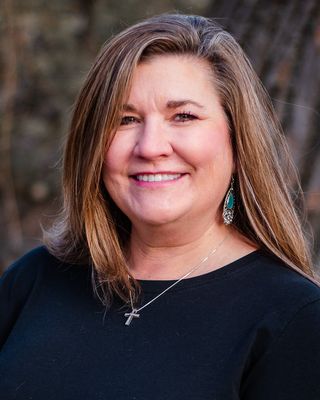
Hosted by Theresa Covington
Licensed Professional Counselor, MA, LPC
Group meets in Granbury, TX 76048
I'd like to put together a support group for parents of teens. Parents of teens need extra support with the effects of COVID, isolation, increased use of social media, and the increase of substance use among teens. Let me know you're interested and if there's enough interest, I'll get the details lined up and get the word out!
This is a facilitated group for partners negatively impacted by the deception and manipulation of a sex addict pre- and post-discovery. While attending weekly you'll benefit from the interaction with others who firsthand understand the trauma you're going though. The focus of this group is on individual self care and on strengthening your own core!

Hosted by Tracy D Tacquard
Marriage & Family Therapist, LMFT, CSAT-S, CMAT-S, EMDR, PIT
Group meets in Granbury, TX 76048
This is a facilitated group for partners negatively impacted by the deception and manipulation of a sex addict pre- and post-discovery. While attending weekly you'll benefit from the interaction with others who firsthand understand the trauma you're going though. The focus of this group is on individual self care and on strengthening your own core!
More Groups Nearby
This group focuses on accepting the loss, identifying and dealing with related trauma, overcoming feelings of guilt and helplessness, experiencing and expressing emotions, and getting to the place where you can talk freely about your loved one and celebrate his/her life. Healthy coping strategies and building support are also key concepts covered.
Hosted by Austin Avenue Counseling
Licensed Professional Counselor, MEd, LPC
Group meets in Weatherford, TX 76086
This group focuses on accepting the loss, identifying and dealing with related trauma, overcoming feelings of guilt and helplessness, experiencing and expressing emotions, and getting to the place where you can talk freely about your loved one and celebrate his/her life. Healthy coping strategies and building support are also key concepts covered.
Many men are in relationships which are abusive. Types of abuse are not always evident. Financial, emotional, mental and medical as well as sexual abuse can be acknowledged. The time and location of this upcoming group availability is to be determined TBD. I will publish as soon as I am able. In the meantime, please email me and let me know if this type of group will be helpful. I will keep the cost reasonable.

Hosted by David Hunter LPC-S
Licensed Professional Counselor, MEd, LPC-S
Group meets in Aledo, TX 76008
Many men are in relationships which are abusive. Types of abuse are not always evident. Financial, emotional, mental and medical as well as sexual abuse can be acknowledged. The time and location of this upcoming group availability is to be determined TBD. I will publish as soon as I am able. In the meantime, please email me and let me know if this type of group will be helpful. I will keep the cost reasonable.
Serving military personnel, veterans, and government employees returning home after deployment or separation, this psychotherapy group supports individuals and families who continue to experience adjustment challenges despite completing reintegration programs. The group focuses on rebuilding family connections, strengthening communication, and fostering a sense of unity, while also honoring and supporting each member’s individual identity and independence.

Hosted by RUD Counseling & Psychotherapy PLLC
Licensed Professional Counselor, MA LPCS, CART, DBT, CTP, CAIMHP
Group meets in Crowley, TX 76036
Serving military personnel, veterans, and government employees returning home after deployment or separation, this psychotherapy group supports individuals and families who continue to experience adjustment challenges despite completing reintegration programs. The group focuses on rebuilding family connections, strengthening communication, and fostering a sense of unity, while also honoring and supporting each member’s individual identity and independence.
At Andelige Trauma Counseling & Consulting, we specialize in helping adults heal from complex trauma, including family-of-origin issues, spiritual abuse, and childhood emotional neglect. Our focus is on guiding clients through anxiety, depression, and relationship challenges, while supporting them in reclaiming healthy sexuality and recovering from spiritual wounds. We are dedicated to helping clients break the cycles of generational trauma and build healthier, more fulfilling lives.

Hosted by Nancy E. Giraldo
Clinical Social Work/Therapist, LCSW-S, CCTP
Group meets in Cleburne, TX 76033
At Andelige Trauma Counseling & Consulting, we specialize in helping adults heal from complex trauma, including family-of-origin issues, spiritual abuse, and childhood emotional neglect. Our focus is on guiding clients through anxiety, depression, and relationship challenges, while supporting them in reclaiming healthy sexuality and recovering from spiritual wounds. We are dedicated to helping clients break the cycles of generational trauma and build healthier, more fulfilling lives.
Innovations is an outpatient mental health clinic in Fort Worth, TX. We provide intensive outpatient programs (IOP) and partial hospitalization programs (PHP) for children and adolescents (5+) facing mental health challenges. At our treatment center, kids participate in programs designed specifically for them., such as full-day, evidence-based individual, group, and family therapy, and activity-based therapy like art, music and yoga. They are supported by a dedicated team of mental health professionals who are trained in working with children and teens.

Innovations is an outpatient mental health clinic in Fort Worth, TX. We provide intensive outpatient programs (IOP) and partial hospitalization programs (PHP) for children and adolescents (5+) facing mental health challenges. At our treatment center, kids participate in programs designed specifically for them., such as full-day, evidence-based individual, group, and family therapy, and activity-based therapy like art, music and yoga. They are supported by a dedicated team of mental health professionals who are trained in working with children and teens.
This group is especially designed for new moms. This 4-week group will consist of finding support with other new moms, learning about child development, and practicing self-care.

Hosted by Paulina Guzzardo
Marriage & Family Therapist, PhD, LMFT
Group meets in Fort Worth, TX 76109
This group is especially designed for new moms. This 4-week group will consist of finding support with other new moms, learning about child development, and practicing self-care.
Because of the ease of access to explicit media and the potency of today's pornography, many parents are faced with the difficult and uncomfortable task of addressing pornography use and sexual behavior problems by their children. Research suggests that most pornography and sexual addictions begin during adolescence. Unfortunately, most people don't seek treatment until later in life when the problem has become more pervasive. STAR Guides navigates youth beyond these addictions while they are still young.

Because of the ease of access to explicit media and the potency of today's pornography, many parents are faced with the difficult and uncomfortable task of addressing pornography use and sexual behavior problems by their children. Research suggests that most pornography and sexual addictions begin during adolescence. Unfortunately, most people don't seek treatment until later in life when the problem has become more pervasive. STAR Guides navigates youth beyond these addictions while they are still young.
Process starts with an individual session before beginning group. Group meets Tuesday nights at 7pm to 8:30pm and meets requirements for court-mandated BIPP or Anger Management but also helps with individual anger issues as well. Groups are 25.00 per session.

Process starts with an individual session before beginning group. Group meets Tuesday nights at 7pm to 8:30pm and meets requirements for court-mandated BIPP or Anger Management but also helps with individual anger issues as well. Groups are 25.00 per session.
Inform.Empower.Transform is a 16 week program that includes 1:1 individual counseling/coaching/mentoring in addition to webinars and solution focused mindset strategies to achieve your individual goals by incorporating over 10 years of trauma based clinical skills and functional medicine. Functional medicine is a systems biology–based approach that focuses on identifying and addressing the root cause of disease and dis-ease.

Hosted by Healing Home Counseling
Licensed Professional Counselor, MS, LPC
Group meets in Fort Worth, TX 76116
Inform.Empower.Transform is a 16 week program that includes 1:1 individual counseling/coaching/mentoring in addition to webinars and solution focused mindset strategies to achieve your individual goals by incorporating over 10 years of trauma based clinical skills and functional medicine. Functional medicine is a systems biology–based approach that focuses on identifying and addressing the root cause of disease and dis-ease.
Our mission is to empower people on their mental wellness journeys by giving them the resources and tools they need to thrive. Our approach is a combination of innovative treatments, personable connections, lifestyle wellness coaching, and medication, when appropriate. We specialize in advanced treatment options like ketamine, TMS, and Spravato. We treat everyone as humans, not numbers, with dignity and respect in every interaction. We incorporate holistic approaches to mental wellness coaching to include education surrounding nutrition counseling, sleep prioritization, and daily movement. And we are a safe place, free of judgment, expectations, and stigma.

Our mission is to empower people on their mental wellness journeys by giving them the resources and tools they need to thrive. Our approach is a combination of innovative treatments, personable connections, lifestyle wellness coaching, and medication, when appropriate. We specialize in advanced treatment options like ketamine, TMS, and Spravato. We treat everyone as humans, not numbers, with dignity and respect in every interaction. We incorporate holistic approaches to mental wellness coaching to include education surrounding nutrition counseling, sleep prioritization, and daily movement. And we are a safe place, free of judgment, expectations, and stigma.
This group targets those dealing with low self-esteem, and it focuses on increasing personal self-confidence, developing healthy coping strategies, finding the positives in life, and learning to love oneself. Other key concepts such as assertiveness training, problem-solving skills, and social skills training are included, as well as free resources for help outside of therapy. Decreasing self-criticism, anxiety and depression are part of building a healthy sense of self-confidence and self-esteem. Call today for more information.

Hosted by Psychotherapy & Associated
Licensed Professional Counselor, PhD, MEd, LPC
Group meets in Weatherford, TX 76086
This group targets those dealing with low self-esteem, and it focuses on increasing personal self-confidence, developing healthy coping strategies, finding the positives in life, and learning to love oneself. Other key concepts such as assertiveness training, problem-solving skills, and social skills training are included, as well as free resources for help outside of therapy. Decreasing self-criticism, anxiety and depression are part of building a healthy sense of self-confidence and self-esteem. Call today for more information.
Mending the Soul Abuse Recovery Women's Small Group is designed for 4-6 women who have been injured by: domestic violence or physical abuse, verbal or emotional abuse, neglect, sexual assault or abuse, spiritual or religious abuse. Through the Mending the Soul curriculum and in the safety of other group members and therapists, true healing and peace can be found.

Mending the Soul Abuse Recovery Women's Small Group is designed for 4-6 women who have been injured by: domestic violence or physical abuse, verbal or emotional abuse, neglect, sexual assault or abuse, spiritual or religious abuse. Through the Mending the Soul curriculum and in the safety of other group members and therapists, true healing and peace can be found.
Cheryl Dielman LCSW-S, LPC-S, CEDS invites you to come join this free support group from 6:30 - 8pm on Thursdays till the end of the year. Cheryl has vast experience working with eating disorders and helping support individuals on their personal journey. The group will be a time for connecting, encouraging, and learning from one another. This group will also have an intentional focus on building one another up and learning everyday tools to practice better self-care.

Hosted by Cheryl D Dielman
Licensed Professional Counselor, LPC-S, LCSW-S, CEDS-S, IFS-C
Group meets in Fort Worth, TX 76107
Cheryl Dielman LCSW-S, LPC-S, CEDS invites you to come join this free support group from 6:30 - 8pm on Thursdays till the end of the year. Cheryl has vast experience working with eating disorders and helping support individuals on their personal journey. The group will be a time for connecting, encouraging, and learning from one another. This group will also have an intentional focus on building one another up and learning everyday tools to practice better self-care.
Parents learn specific techniques used by Play Therapists to improve the relationship with their child. Parents regain control and feel empowered to make positive changes within the family.

Hosted by Lisa Garrett Farhat
Licensed Professional Counselor, MEd, LPC, RPT tm
Group meets in Aledo, TX 76008
Parents learn specific techniques used by Play Therapists to improve the relationship with their child. Parents regain control and feel empowered to make positive changes within the family.
Group practice utilizing primarily Cognitive Behavioral Therapy (CBT) with 41 years combined experience between two therapists. We utilize a team approach to address the presenting problems of our patients, including other professionals as necessary. We also conduct group therapy and do psychological testing. We are currently using tele-therapy only, but have found it to be effective as a treatment modality.

Hosted by Kurt W. Billups
Licensed Professional Counselor, MA, MPC, LPC, BCPC, LPHA
Group meets in Fort Worth, TX 76133
Group practice utilizing primarily Cognitive Behavioral Therapy (CBT) with 41 years combined experience between two therapists. We utilize a team approach to address the presenting problems of our patients, including other professionals as necessary. We also conduct group therapy and do psychological testing. We are currently using tele-therapy only, but have found it to be effective as a treatment modality.
This monthly psychoeducational Book Club for Young Adult Women is designed to create a supportive space where literature meets personal growth. Each month, participants read a selected book and engage in guided discussion that explores psychological themes such as relationships, family dynamics, identity, trauma, resilience, and emotional wellbeing. The group blends education, reflection, and community, allowing participants to gain insight, build coping skills, and connect with other women navigating similar life experiences. We meet virtually in the evenings. Please reach out for the current book and next scheduled session!

Hosted by Best Life Counseling TX
Clinical Social Work/Therapist, LCSW-S, MBA
Group meets in Fort Worth, TX 76116
This monthly psychoeducational Book Club for Young Adult Women is designed to create a supportive space where literature meets personal growth. Each month, participants read a selected book and engage in guided discussion that explores psychological themes such as relationships, family dynamics, identity, trauma, resilience, and emotional wellbeing. The group blends education, reflection, and community, allowing participants to gain insight, build coping skills, and connect with other women navigating similar life experiences. We meet virtually in the evenings. Please reach out for the current book and next scheduled session!
My groups consist of 6 individuals; each working to process similar issues. The goal of the work is to bring awareness get unstuck in order to move forward.

Hosted by Dr. Thelma Elisher Foster
Licensed Professional Counselor, LPC, LCDC-I, PIC
Group meets in Fort Worth, TX 76133
My groups consist of 6 individuals; each working to process similar issues. The goal of the work is to bring awareness get unstuck in order to move forward.
Struggling to connect? Feel like roommates instead of partners? You’re not alone—and you don’t have to stay stuck. Our Gottman Seven Principles for Making Marriage Work group offers research-backed tools to rebuild trust, improve communication, and deepen your emotional bond. You'll be surrounded by other couples doing the work alongside you, which helps normalize relationship struggles and creates shared laughter and connection. This supportive, interactive group helps you strengthen friendship, manage conflict, and rediscover joy together. Let’s get your relationship back on track—one principle at a time.

Hosted by Dr. Carolyn J Litteral
Licensed Professional Counselor, PhD, LPC-S, LCDC, MAC
Group meets in Benbrook, TX 76126
Struggling to connect? Feel like roommates instead of partners? You’re not alone—and you don’t have to stay stuck. Our Gottman Seven Principles for Making Marriage Work group offers research-backed tools to rebuild trust, improve communication, and deepen your emotional bond. You'll be surrounded by other couples doing the work alongside you, which helps normalize relationship struggles and creates shared laughter and connection. This supportive, interactive group helps you strengthen friendship, manage conflict, and rediscover joy together. Let’s get your relationship back on track—one principle at a time.
See more therapy options for Granbury
Nearby Searches for Granbury
See More Support Groups FAQs - About Group Therapy and Support Groups
How can I find a support group in Granbury?
To find a support group in your area, start by entering your city, zip code, or the name of the group into the search bar at the top of the page. When searching, consider whether you prefer an in-person or virtual group. This can help you decide how broad your geographic search should be. If you are open to virtual groups, you might want to search by state instead of just your city, especially if there are limited options nearby.
Once you complete your search, you can use the filters to narrow the results by selecting specialties (such as grief, trauma, or eating disorders), therapeutic approaches, age groups, and other criteria to find a group that best fits your needs.
How does group therapy work?
Group therapy is led by one or more trained therapists and provides a space where participants can process their experiences and learn from others facing similar challenges. Groups may focus on a specific issue—such as addiction, grief, physical illnesses, parenting, or caregiving—or they may center around a particular therapeutic approach, such as Cognitive Behavioral Therapy (CBT), social skill development, or Exposure Therapy. Some groups are also designed for specific populations, such as teens, veterans, or LGBTQ+ individuals.
It’s also important to distinguish group therapy from peer-led support groups, like Alcoholics Anonymous. While both can offer valuable support, therapy groups are typically led by licensed professionals and follow a more structured format. Therapy groups often meet for a fixed length of time with a consistent group of members, while many peer support groups meet for an indefinite period of time with members coming and going.
What are the benefits of group therapy?
Group therapy offers several important benefits. It brings together people facing similar challenges—whether related to mental health, physical health, or life transitions—and creates a supportive environment where participants can exchange feedback, share experiences, and learn from one another. Hearing different perspectives can help individuals discover new coping strategies and practical tools they may not have encountered on their own. Sharing personal experiences, such as coping with a serious illness or navigating family struggles, can also reduce feelings of isolation and foster a sense of connection and understanding. In addition to emotional support, group members often gain useful, real-world advice from peers who have faced similar situations.
Group therapy is typically more affordable than individual therapy and, for certain conditions, can be equally effective. Many groups also include structured activities—such as guided journaling, cognitive-behavioral exercises, or role-playing—to help participants develop concrete skills they can apply in daily life.
Is group therapy as effective as individual therapy?
It is difficult to make a blanket statement about the effectiveness of support groups, as they vary widely in focus and the conditions they address. However, support groups can be highly valuable in helping individuals gain emotional support and achieve meaningful treatment outcomes. For certain conditions, such as substance use, research has shown that group therapy can be particularly effective—sometimes just as effective as individual therapy—in supporting long-term recovery.
Many professionals attribute the effectiveness of group therapy to the unique benefits of the group setting, which fosters peer-to-peer learning and a sense of connection through shared experiences. Group settings also offer accountability and encouragement from both facilitators and fellow participants, which helps sustain motivation and supports continued progress. These factors together play a key role in promoting the overall effectiveness of group therapy.
How much does group therapy cost?
Group therapy is typically less expensive than individual therapy, with sessions typically costing between $50 and $75 each. In comparison, individual therapy can cost anywhere from $100 to $200 or more per session, even with insurance. Some therapists or organizations offer low-cost or free group therapy options, particularly through community centers or nonprofit organizations. In some cases, groups may require payment upfront for a set number of sessions, such as paying for six weekly sessions at the first meeting. However, many providers offer payment plans to help make participation more accessible if this upfront payment is required.
Does insurance cover group therapy?
As with individual therapy, insurance coverage for group therapy varies based on factors such as your specific insurance plan, the purpose of the group, your diagnosis, and whether the group provider is in-network. Many insurance plans cover group therapy sessions that address diagnosable mental health conditions, such as substance use disorders, anxiety, or depression.
However, groups that focus on topics not directly tied to a mental health diagnosis—such as parenting support or divorce recovery—are less likely to be covered. Because coverage can vary widely, it’s important to check with your insurance provider before joining a group to confirm whether the sessions will be covered and what out-of-pocket costs you may be responsible for.
How long does group therapy last?
The length of each group therapy session typically ranges from 45 minutes to two hours, depending on the therapy approach, the group’s goals, and how often the group meets. In some cases, group therapy is part of a larger treatment program, such as an Intensive Outpatient Program (IOP), where group sessions complement individual therapy and are scheduled as part of the program’s overall structure.
The duration of participation in a group also varies. Some groups are designed to be short-term, lasting anywhere from 6 to 24 weeks—for example, bereavement groups or skills-based groups like those using Dialectical Behavioral Therapy (DBT). Other groups may be longer-term, lasting a year or more, and some ongoing support groups meet indefinitely, allowing participants to stay as long as they find the group helpful.
What are the limitations of support groups?
Support groups offer many benefits, but they also have certain limitations. Unlike therapy groups, many support groups do not provide formal therapeutic treatment and are not led by licensed mental health professionals. For individuals seeking clinical treatment for specific mental health diagnoses—such as depression, eating disorders, or substance use—individual therapy or group therapy led by a licensed professional may offer more personalized and specialized care.
The effectiveness of a support group also depends heavily on the group’s participants and the overall group dynamic. When members engage respectfully and offer constructive support, the group can foster valuable peer-to-peer learning. However, if certain participants dominate discussions, provide inaccurate advice, or create conflict, it can disrupt the group’s sense of safety and reduce its effectiveness. Confidentiality can also be harder to maintain in support groups, particularly in open groups where participants can join or leave at any time. With new members regularly entering the group, it can be more difficult to build and sustain a consistent sense of trust and privacy.